Business Stories
Advancing AI-Driven Supply-Demand Balancing and Operational Optimization for Renewable Energy
Enhancement of Supply-Demand Balancing for Renewable Energy
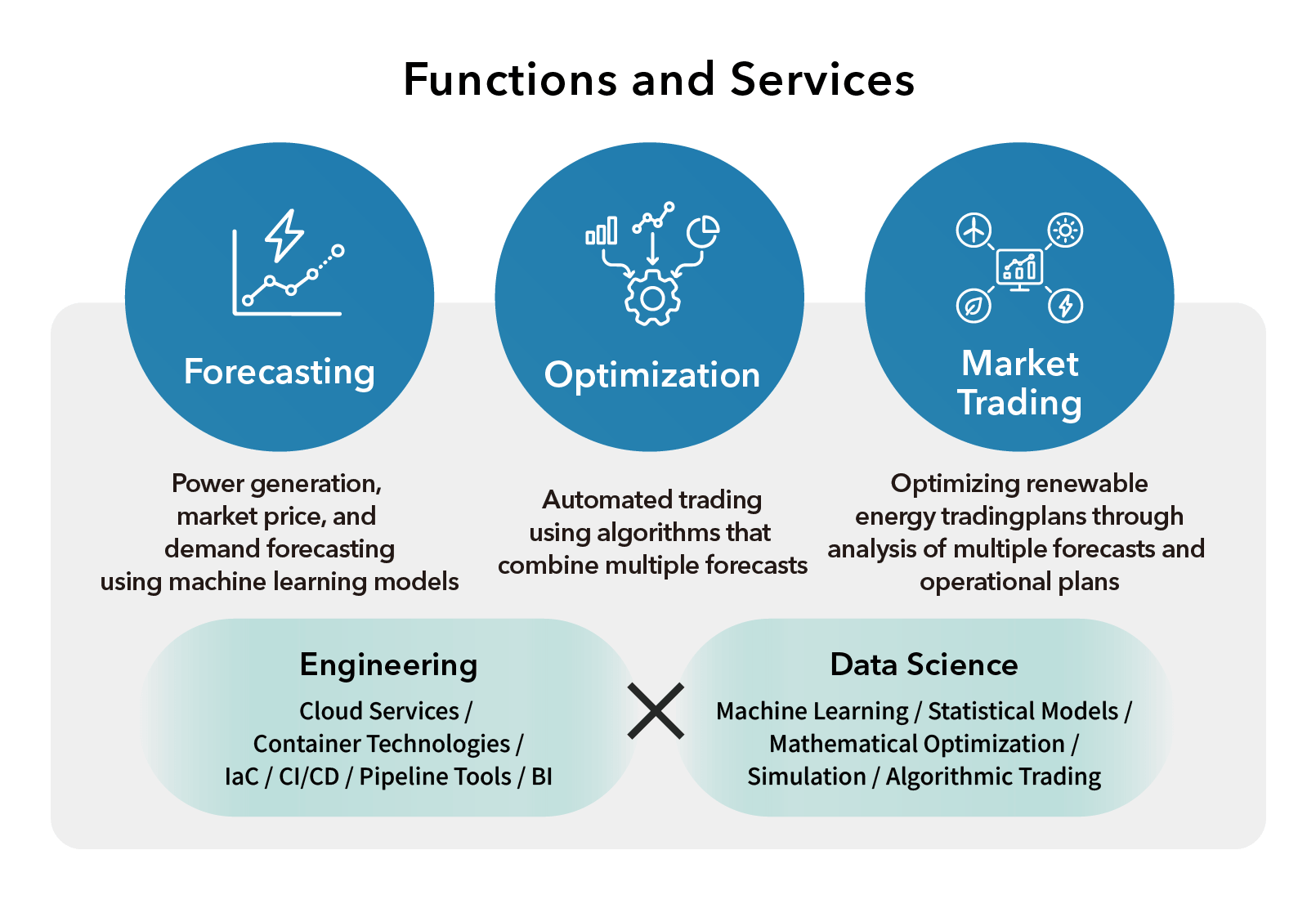
As the adoption of renewable energy continues to expand, power producers are increasingly required to forecast electricity generation and participate in market trading, marking a shift from the conventional Feed-in Tariff (FIT) system. With market prices and supply-demand conditions constantly changing, accurate forecasting based on vast amounts of data is essential to maximizing profitability.
Helping renewable energy producers address these challenges is ENEXIA LLC (hereafter ENEXIA), a member of the Sumitomo Corporation Group. As an example of Sumitomo Corporation’s Digital & AI Strategy (DAIS) in action, we explore how ENEXIA is leveraging data and AI to address the challenges faced by SMFL MIRAI Partners Co., Ltd. (hereafter SMFL MIRAI Partners) and create new value.
-
Section.1The Challenge:Forecasting Power Generation and Managing Generation Data in a Volatile Electricity Market
-
Section.2The Solution #1:Developing an Integrated Supply-Demand Balancing Model Using Power Generation, Demand, and Market Data
-
Section.3The Solution #2:Building the System Infrastructure Through Collaboration Across the Sumitomo Corporation Group
-
Section.4The Solution #3:Optimizing Battery Operations Through More Than 500 Simulations
The Challenge:Forecasting Power Generation and Managing Generation Data in a Volatile Electricity Market
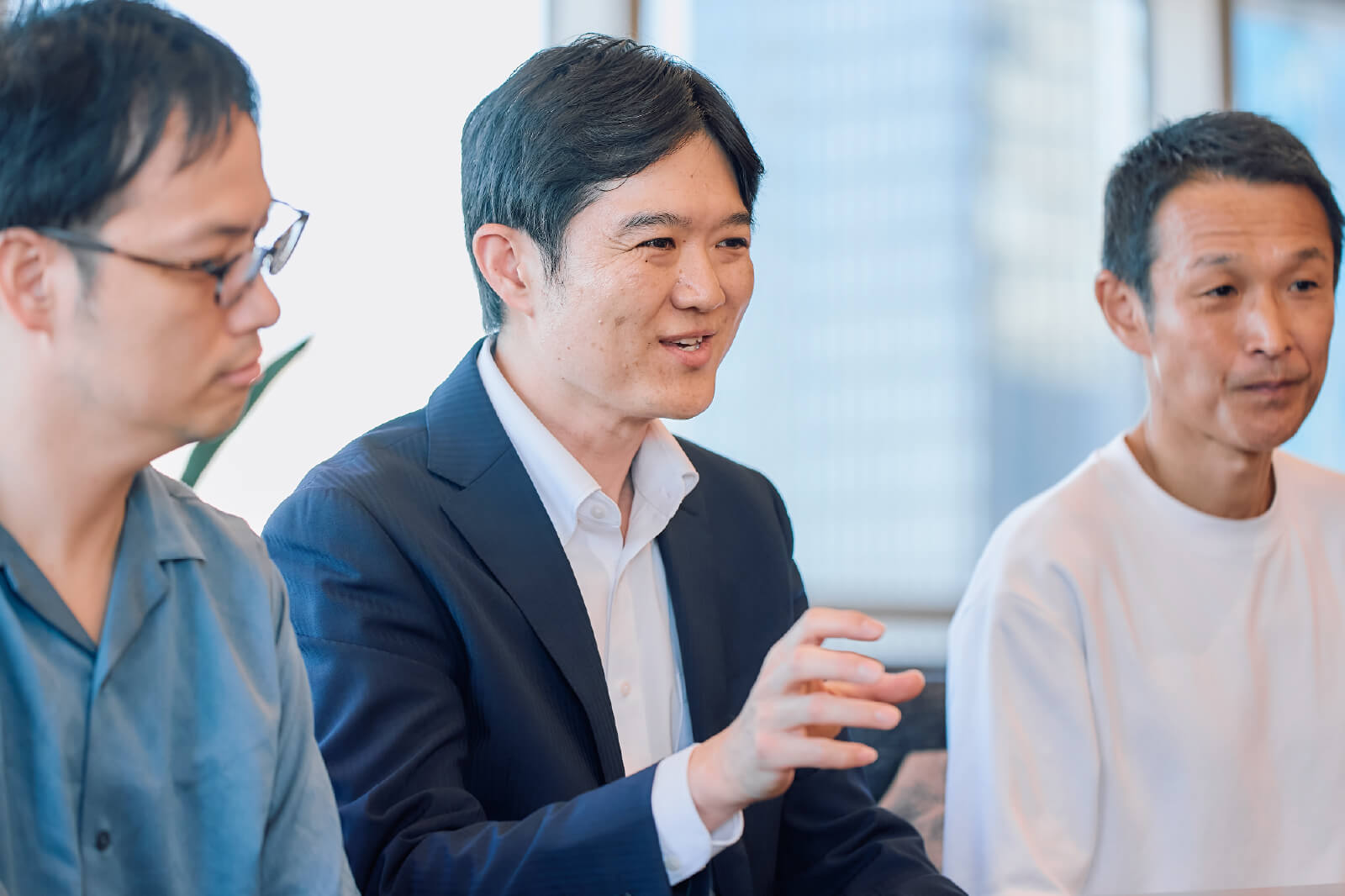
The introduction of Japan’s Feed-in Premium (FIP) scheme ※1in 2022 brought new responsibilities for renewable energy producers covered by the scheme, including electricity market trading and supply-demand management. This required them to accurately forecast power generation and manage balancing operations to minimize discrepancies between planned and actual electricity supply and demand. Kotaro Sugai of SMFL MIRAI Partners, an ENEXIA client, recalls the challenges the company faced at the time.
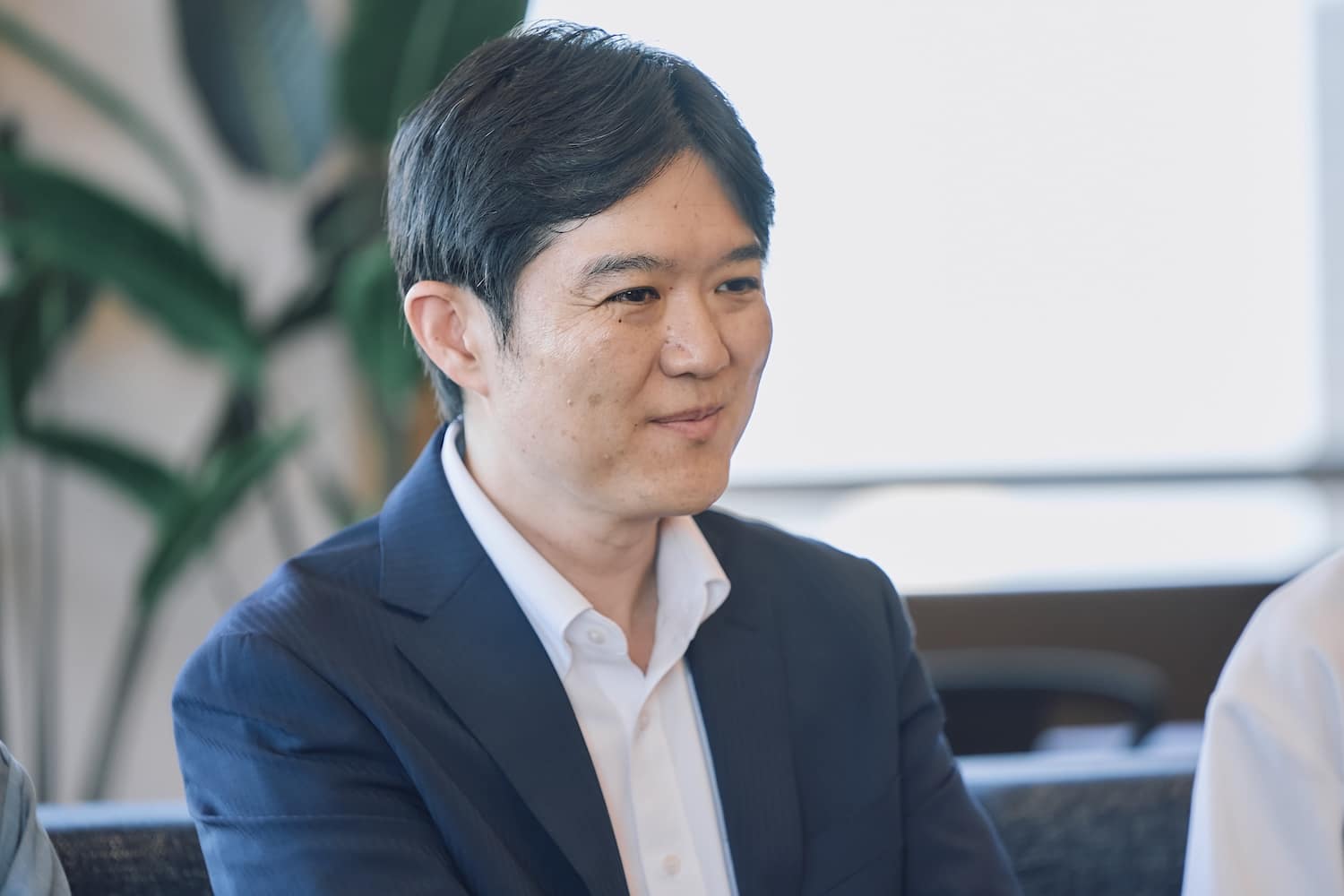
“With more than 1,000 small-scale power plants in our portfolio, we had to produce an enormous number of electricity generation forecasts every day. We lacked the experience and expertise to manage balancing operations on such a large scale, so we needed specialists who could support us with forecasting.”
SMFL MIRAI Partners was also involved in Non-FIT ※2electricity sales, which added to its operational workload. Compiling and verifying actual power generation data for customer billing was another time-consuming task.
※1 A scheme that provides a premium (subsidy) on top of revenue earned from selling electricity on the market.
※2 A renewable energy business that sells electricity without relying on support schemes such as FIT (Feed-in Tariff), which guarantees a fixed purchase price for electricity, or FIP (Feed-in Premium).
The Solution #1:Developing an Integrated Supply-Demand Balancing Model Using Power Generation, Demand, and Market Data
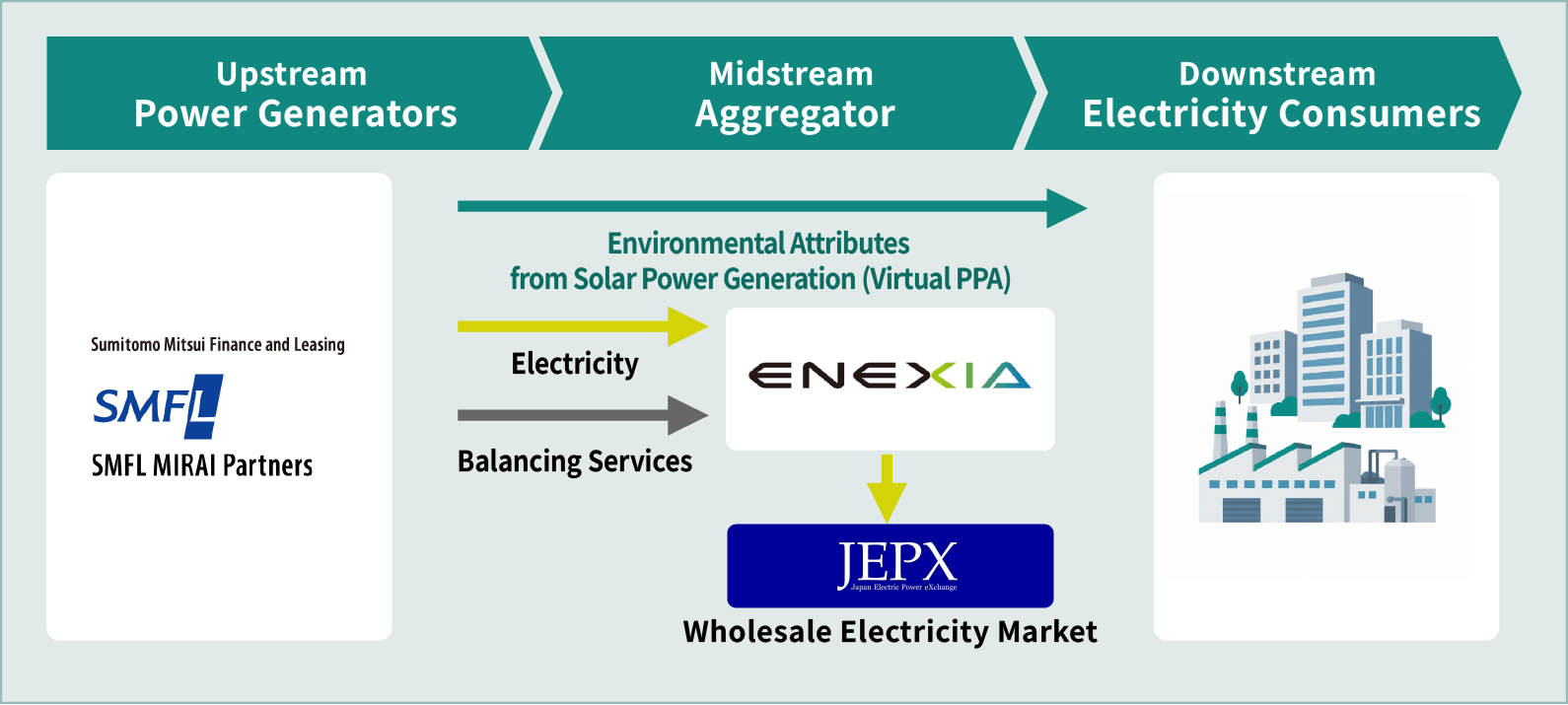
As the Sumitomo Corporation Group expanded its renewable energy generation and electricity retail businesses, it became increasingly important to take an integrated approach to forecasting weather-dependent power generation, planning electricity supply and demand, trading in electricity markets, and managing imbalances. To address this need, ENEXIA was established in 2024 as a renewable energy aggregator, connecting renewable energy producers with end users.
An aggregator brings together multiple renewable energy facilities, connecting power producers with electricity consumers. Its role includes forecasting power generation and market prices, developing supply-demand plans, trading electricity, and minimizing discrepancies between planned and actual electricity volumes. ENEXIA developed an integrated supply-demand balancing model that digitizes and streamlines these operations, which traditionally relied heavily on human judgment. This enables more stable and profitable management of renewable energy, despite fluctuations in power generation.
Kazuyoshi Yoshino, Head of Data Science at ENEXIA, explains how AI is used to forecast renewable energy generation and market prices.
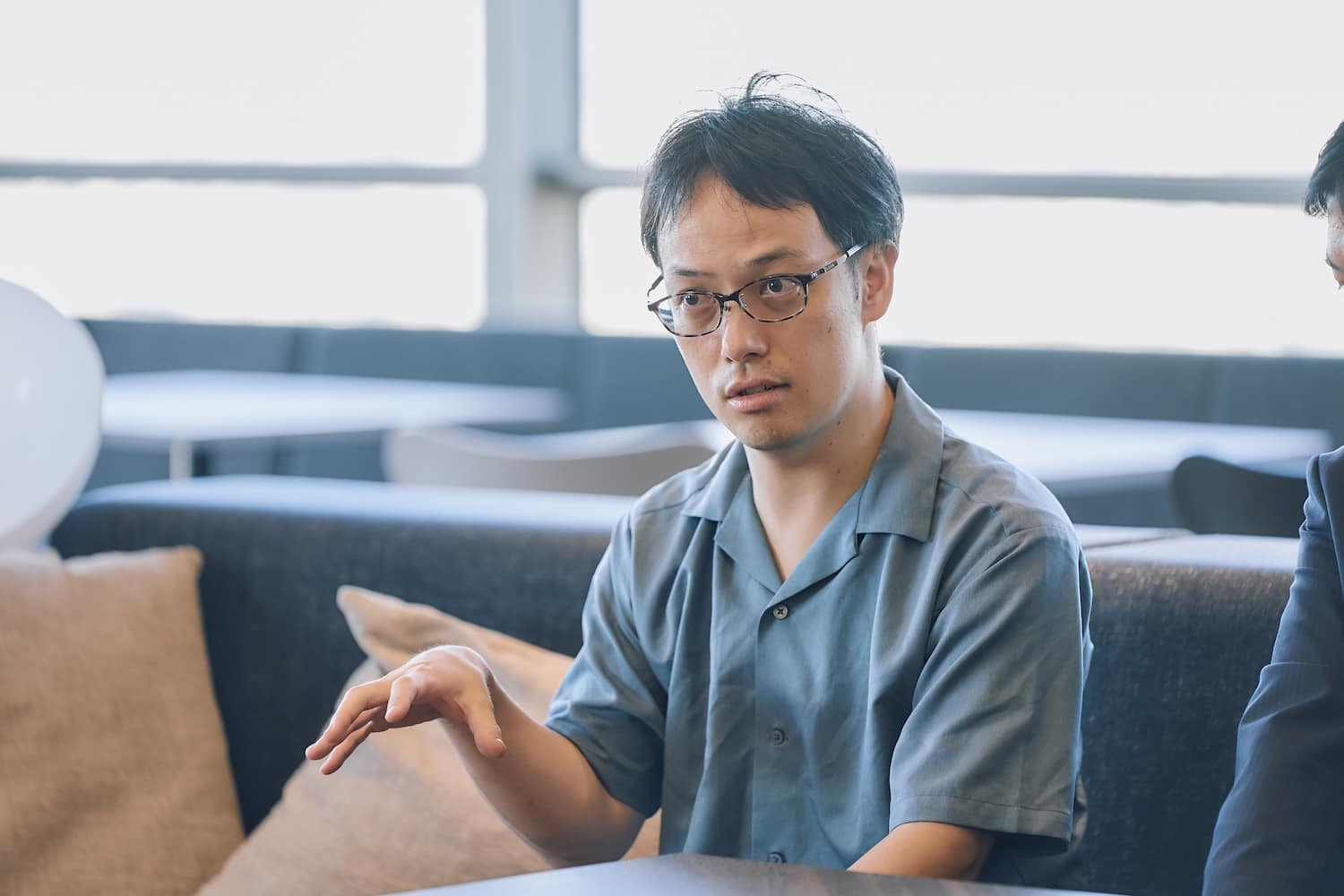
“We use AI technologies, including machine learning, to analyze vast amounts of data, from market prices on the Japan Electric Power Exchange (JEPX) and weather information to power generation data held by the Sumitomo Corporation Group and SMFL MIRAI Partners. This allows us to forecast power generation and simulate potential revenue under a range of conditions, including different weather patterns and seasonal variations.”
The Solution #2:Building the System Infrastructure Through Collaboration Across the Sumitomo Corporation Group
During the initial development phase, ENEXIA drew on the technical expertise of Sumitomo Corporation Group companies Insight Edge and SCSK to build an automated platform capable of running forecasting models developed by data scientists 24/7, 365 days a year. ENEXIA is now working to bring system development and operations in-house.
Leveraging these automated forecasting and analytical capabilities, ENEXIA also supports generation planning and electricity market trading for SMFL MIRAI Partners’ extensive portfolio of small-scale power plants. This has enabled plants that previously held off on selling electricity while awaiting customer selection for off-site power purchase agreements (PPAs) ※3to generate revenue through sales to the electricity market.
※3 An arrangement in which customers purchase electricity from renewable energy facilities located off-site.
The Solution #3:Optimizing Battery Operations Through More Than 500 Simulations
SMFL MIRAI Partners is also working to integrate battery storage systems into its solar power plants. While solar panels can only generate electricity during daylight hours, batteries make it possible to store excess power generated during the day and sell it during periods of higher demand in the early morning and evening. To identify the most effective strategy for storing electricity when market prices are low and releasing it when prices rise, ENEXIA has simulated more than 500 different operating scenarios.
“ENEXIA’s solutions have enabled us to make complex operational decisions based on data, opening up new opportunities to increase revenue,” says Sugai. “What also gives us confidence is their deep understanding of electricity markets and the renewable energy business, combined with their willingness to work closely with us and see things from our perspective.”
Nagayasu of ENEXIA believes that utilizing battery storage as part of a broader strategy in power generation will not only improve profitability for power producers but also help stabilize Japan’s overall electricity supply and demand while making more effective use of renewable energy.
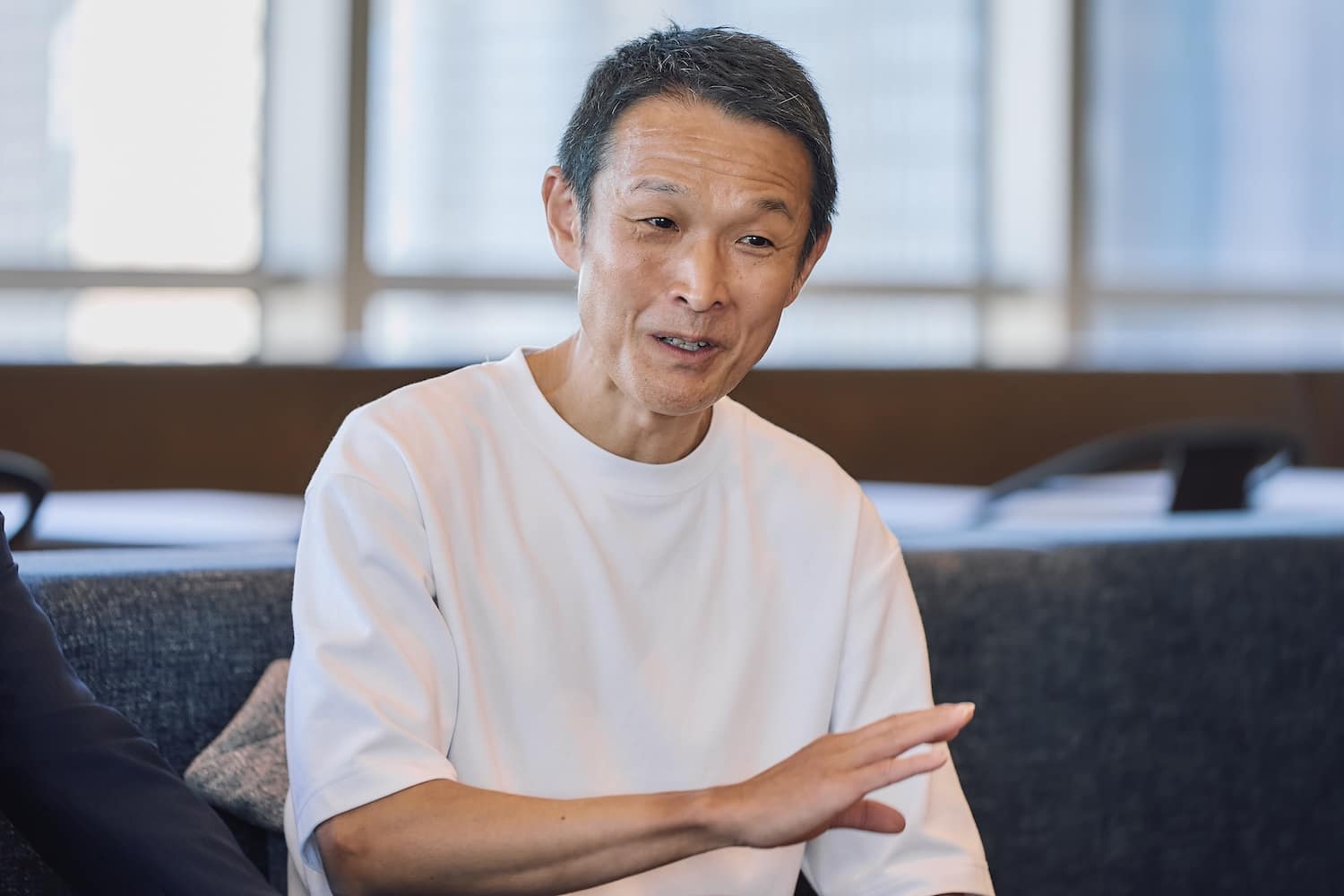
“By optimizing the supply of renewable energy to match demand, we can make more effective use of renewable energy while improving profitability for power producers. We believe that striking a balance between economic viability for businesses and the stability of the overall power system will ultimately support the sustainable expansion of renewable energy.”
By helping renewable energy producers improve profitability and reduce operational burdens, Sumitomo Corporation and ENEXIA aim to deliver electricity where and when it is needed. Together, they will continue to address challenges faced by businesses on the ground, creating value through data and AI to drive the transition toward a more sustainable society and lead the transformation of industry and how we live.
Interviewee Profiles
-
 Hirotomo NagayasuPresident, ENEXIAHirotomo Nagayasu joined Sumitomo Corporation in 1995 and has built an extensive career in the energy sector, spanning investments in conventional and renewable power generation to electricity retail. He was appointed President of ENEXIA in 2024.
-
 Kazuyoshi YoshinoHead of Data Science, ENEXIAKazuyoshi Yoshino joined ENEXIA after gaining experience in quantitative analysis in banking, risk management in electricity retail, and the development of renewable energy balancing systems. He leads the Data Science Team, using forecasts of power generation, demand, and market prices to optimize electricity trading and improve balancing operations. Kazuyoshi works closely with the Sumitomo Corporation Group to support renewable energy projects through quantitative assessments and revenue simulations.
-
 Kotaro SugaiGeneral Manager, Environmental and Energy Business Development Department, SMFL MIRAI PartnersKotaro Sugai joined Sumitomo Mitsui Finance and Leasing Co., Ltd. in 2002, where he managed leasing accounts for major manufacturers and gained experience in financing wind power projects. He now focuses on renewable energy projects, primarily solar power, at SMFL MIRAI Partners and has held his current position since 2024.