- TOP
- Enriching+TOP
- WORLD BIZ+ ―Exploring the Reality of the Workplace Vol. 8― Supporting Everyday Life in the Philippines through Railways (Part Two): Sumitomo Corporation Takes on the Rehabilitation of Manila's Urban Railway

Business
WORLD BIZ+
―Exploring the Reality of the Workplace Vol. 8―
Supporting Everyday Life in the Philippines through Railways (Part Two): Sumitomo Corporation Takes on the Rehabilitation of Manila's Urban Railway
2026.8.31
Every day, Sumitomo Corporation Group employees go above and beyond in their daily work across a wide range of industries worldwide. In "WORLD BIZ+―Exploring the Reality of the Workplace―" we show the real-life struggles of these employees in the field. In Part One, we introduced Sumitomo Corporation's railway business in the Philippines and its expansion from railway construction into operations. In Part Two, we take a closer look at the project to revitalize Manila's MRT-3 urban railway.
"Bringing This Railway Back to Life"
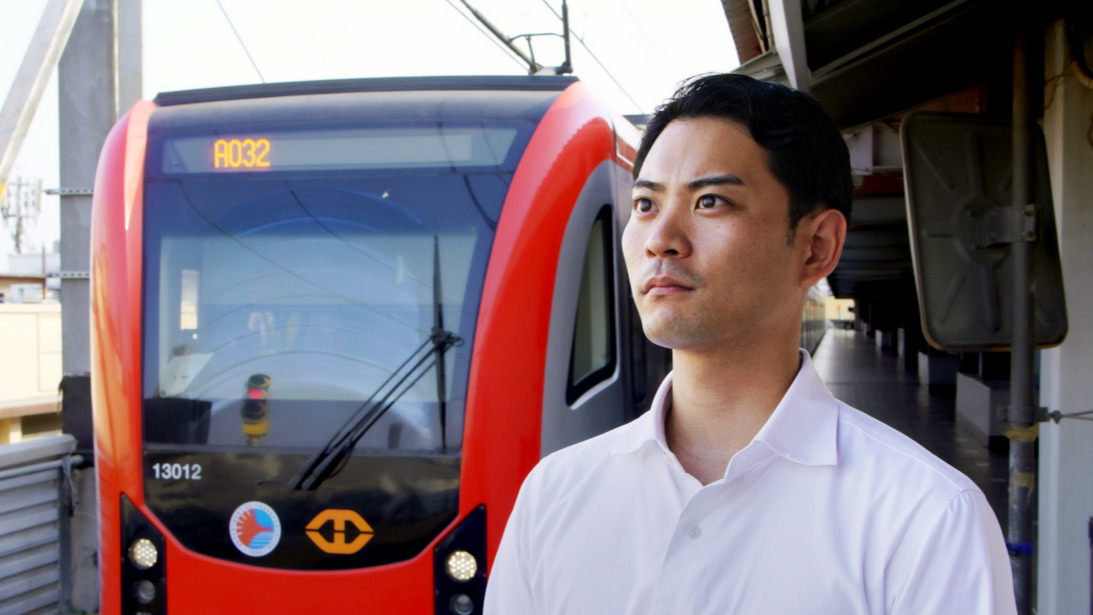
Serving more than 400,000 passengers every day, Manila's MRT-3 is a vital transport artery connecting the metropolitan area from north to south. The line plays an essential role in supporting the daily commute to work and school for a huge number of people.
In 1997, Sumitomo Corporation and Mitsubishi Heavy Industries were awarded the contract to build MRT-3. Following the line's opening in 2000, they were responsible for its operations and maintenance for close to 10 years. Through Japanese-style preventive maintenance designed to avoid failures before they occur, they achieved a high level of operational safety and reliability. However, after the maintenance contract changed hands several times, aging infrastructure, equipment failures and service delays became increasingly serious. This situation eventually led to derailment accidents that left many passengers injured.
Against this backdrop, the Philippine government turned once again to Sumitomo Corporation and Mitsubishi Heavy Industries – the companies that had been closely involved since MRT-3's construction – to restore the railway. It was an exceptionally challenging project, with stakeholders repeatedly questioning whether it could truly be accomplished. Nevertheless, the team embarked on the ambitious rehabilitation project, determined to restore a railway that people depended on every day.
Revitalizing the Railway Without Stopping Operations
The revitalization project involved a comprehensive overhaul of the railway, including the complete refurbishment of rolling stock, rail replacement and extensive upgrades to equipment and systems across the network.
Yet because MRT-3 serves such a large number of passengers every day, suspending operations for an extended period was simply not an option. Normal daytime services continued throughout the project, with construction work and inspections carried out during the limited overnight window between the last train in the evening and the first train the following morning.
The project also had to contend with the outbreak of COVID-19. Even as international travel restrictions prevented personnel from traveling to the site, Sumitomo Corporation, Mitsubishi Heavy Industries and their colleagues in the Philippines continued to work closely together to keep the project moving forward. As they sought to complete the restoration while maintaining daily rail services, the teams on site faced a process of constant trial and error.
Restoring the Railway Alongside Public Confidence
Following completion of the revitalization work, MRT-3 achieved more stable operations, with shorter waiting times between services and an increased number of trains in operation. Once regarded as "a railway line that might stop at any moment" because of frequent breakdowns and delays, passengers have now regained confidence in the line, which is today recognized as a reliable railway system comparable to those in Japan.
Drawing on expertise they have developed through every stage of the railway's lifecycle – from construction and operations to maintenance and restoration – Sumitomo Corporation and Mitsubishi Heavy Industries remain committed to supporting the continued development of the Philippine railway sector. Building on experience gained through the MRT-3 project, they aim to apply these lessons to future railway projects while delivering even higher standards in operation and maintenance.
Recommend
Business
Keeping the World’s Busiest Airport Moving
Business
WORLD BIZ+―Exploring the Reality of the Workplace Vol. 6― Supporting Everyday Life in the Philippines through Railways (Part One): From Construction to Operations, and Onward to Urban Development
Business
Fulfilling communities and lives with smiles and compassion: Five Featured Articles on Sumitomo Corporation's Diverse Urban Development Group
Business
Saving a Rail Line in Crisis: How an Urban Rail Rehabilitation Project Transformed Manila
Business
Creating New Value in Kanda: How Terrace Square and KANDA SQUARE Are Shaping a Thriving Community
Business
Crafting Specialist Paths at Sumitomo Corporation: A Career in Real Estate Focused on Building Communities
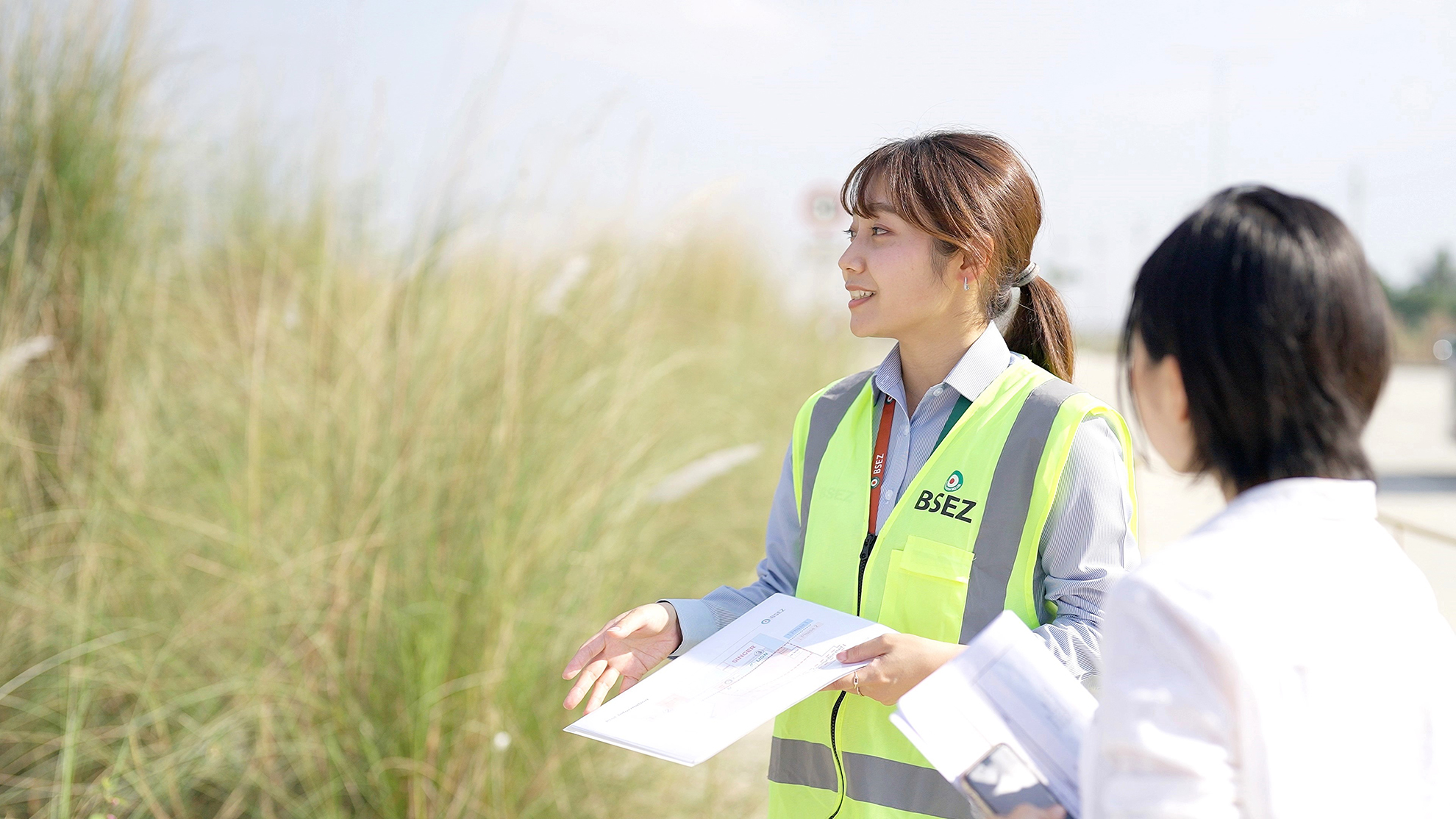
Business
WORLD BIZ+ ―Exploring the Reality of the Workplace Vol.1― A Day In the Life of a Young Employee Working in an Industrial Park in Bangladesh
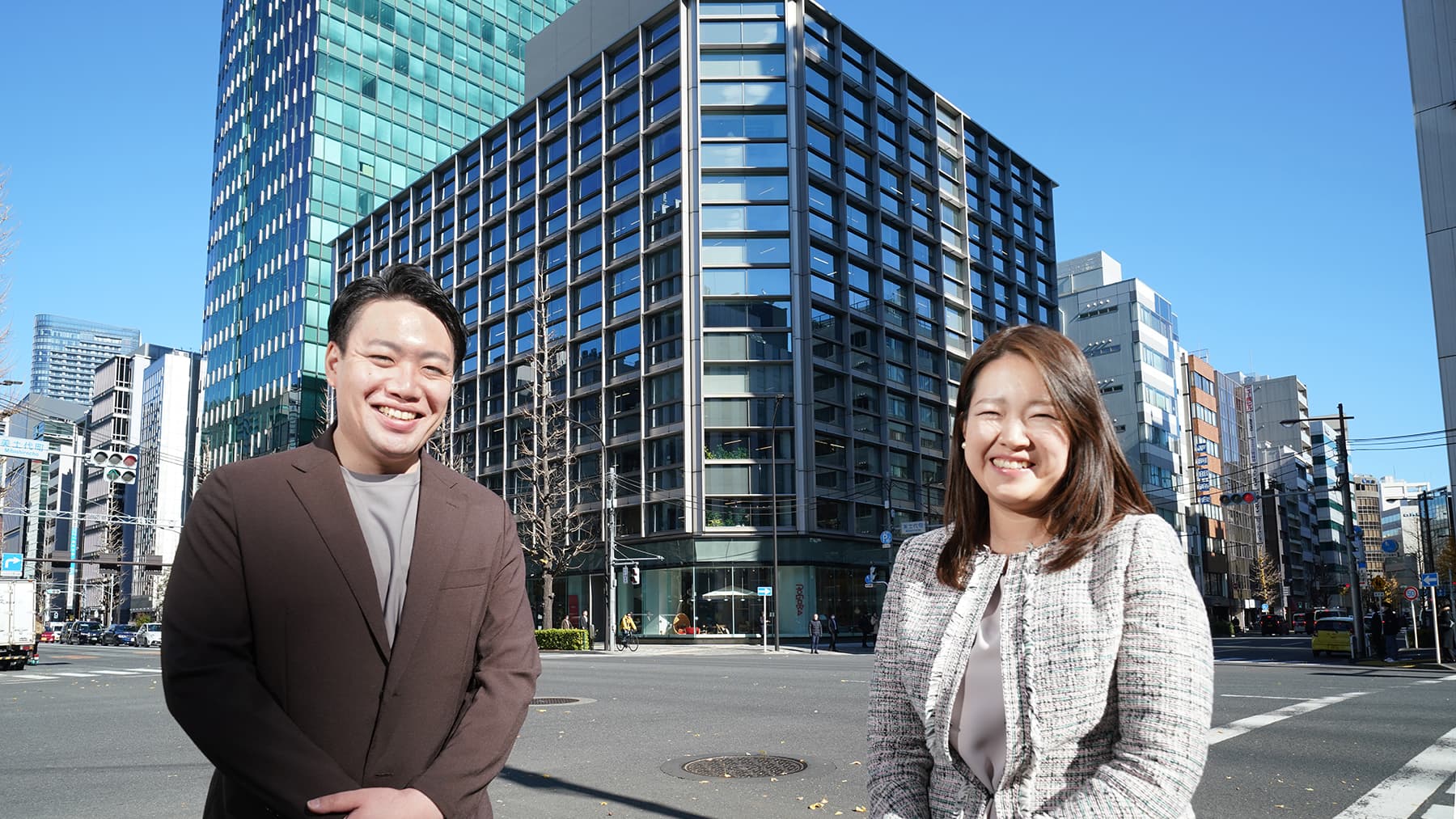
Business
Sumitomo Corporation's "Second Birthplace" in Kanda – Public-Private Partnership for Urban Planning that's Fun to Explore
Business
Developing an Industrial Park in Bangladesh from the Ground Up – Sumitomo Corporation's 30+ Year Track Record Mobilizes Government
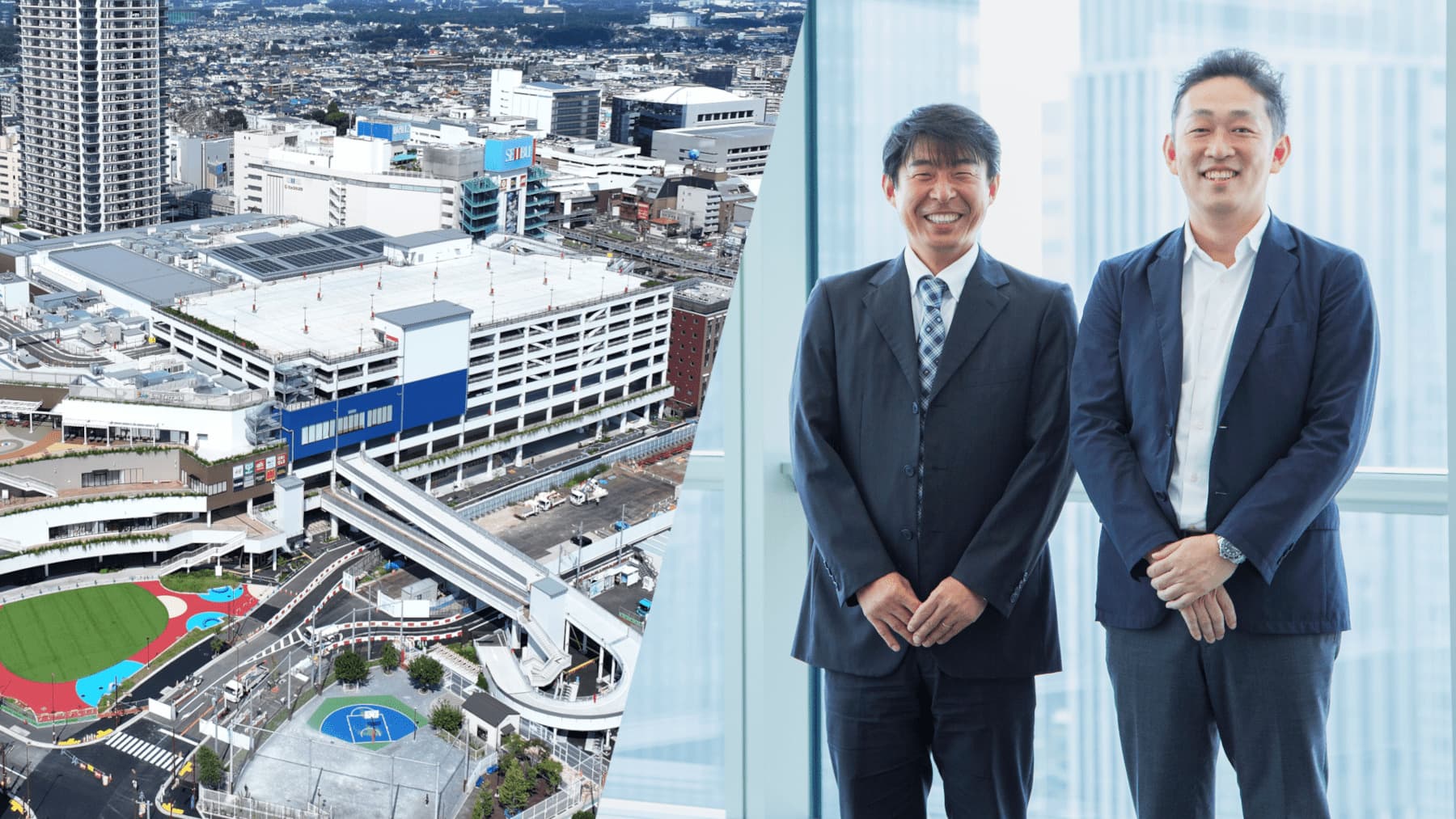
Business
Emi Terrace Tokorozawa opens at the west exit of Tokorozawa Station: A 10-year Urban Development Initiative of Seibu Group and Sumitomo Corporation
Business
Sumitomo Corporation Explores the Optimal Solution for Logistics Facilities Through SOSiLA

Business
Town Creation, Not Real Estate Development. Integrated Trading Company Sumitomo Corporation Engages With Communities.

Business
North Hanoi sustainable city: international city concept to lead a new ASEAN era
Business
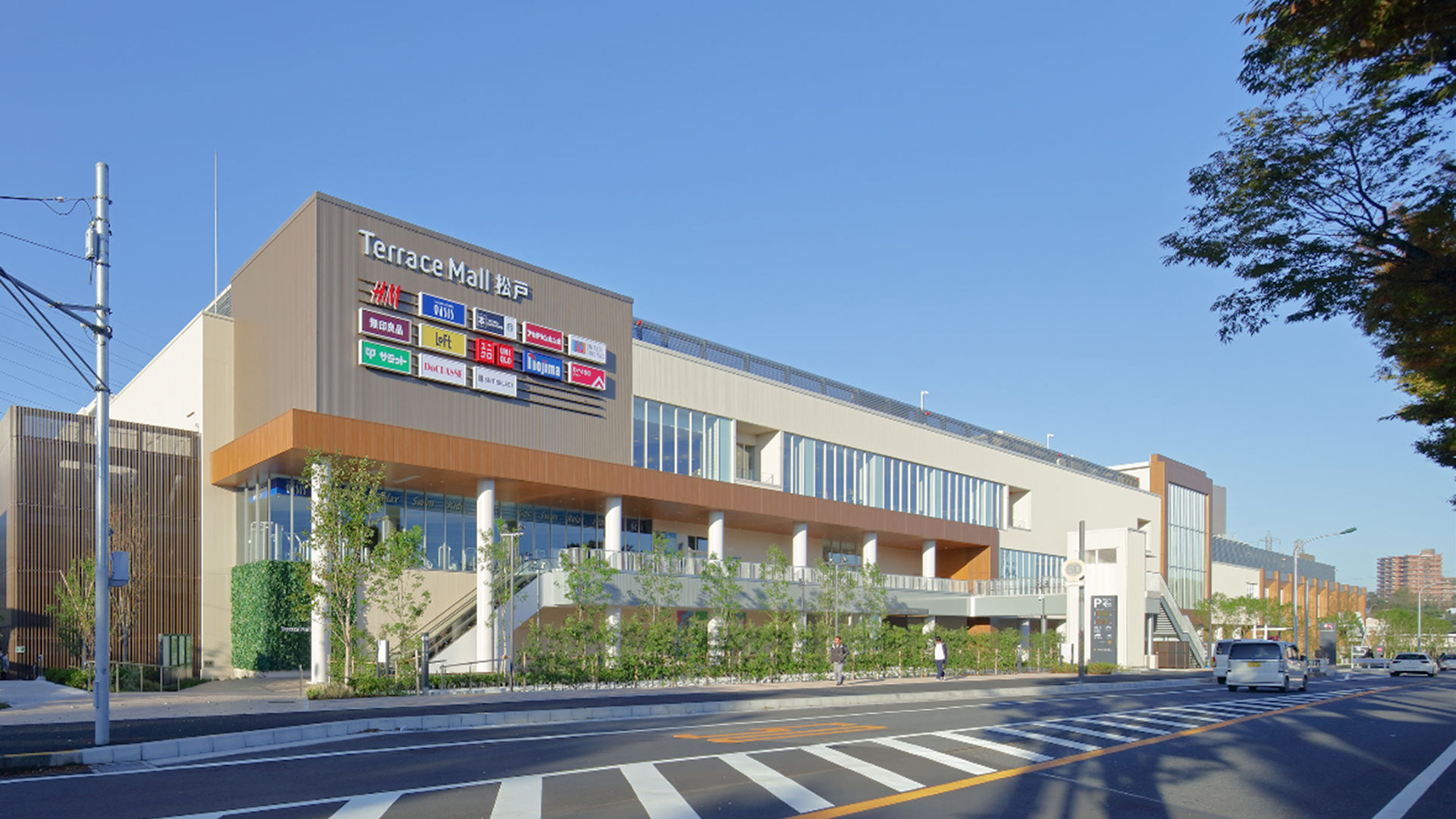
Grand Opening of Terrace Mall Matsudo: Enriching and Bringing Fun to Everyday Life
Business
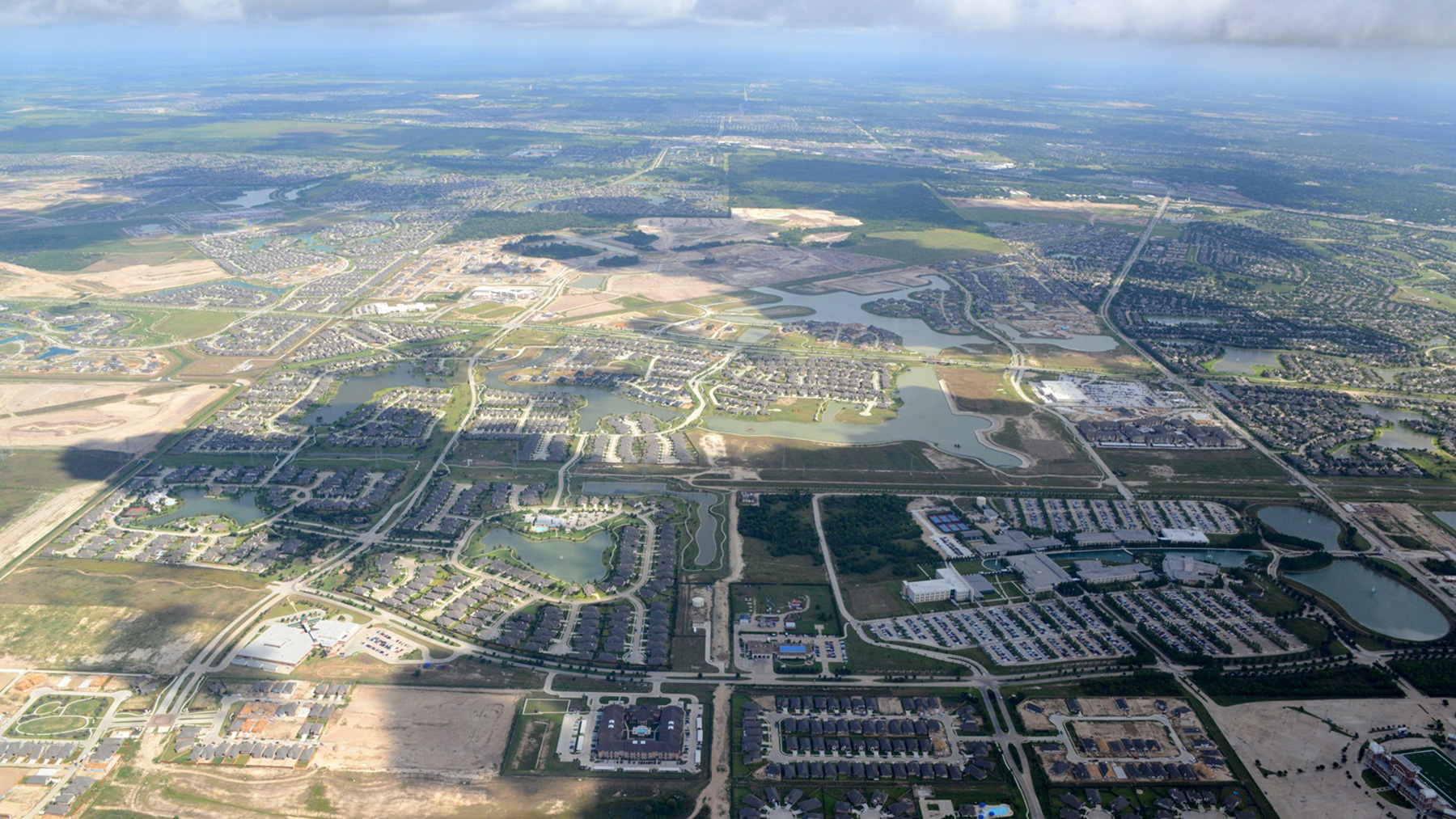
Expanding real estate investment in the United States
Business
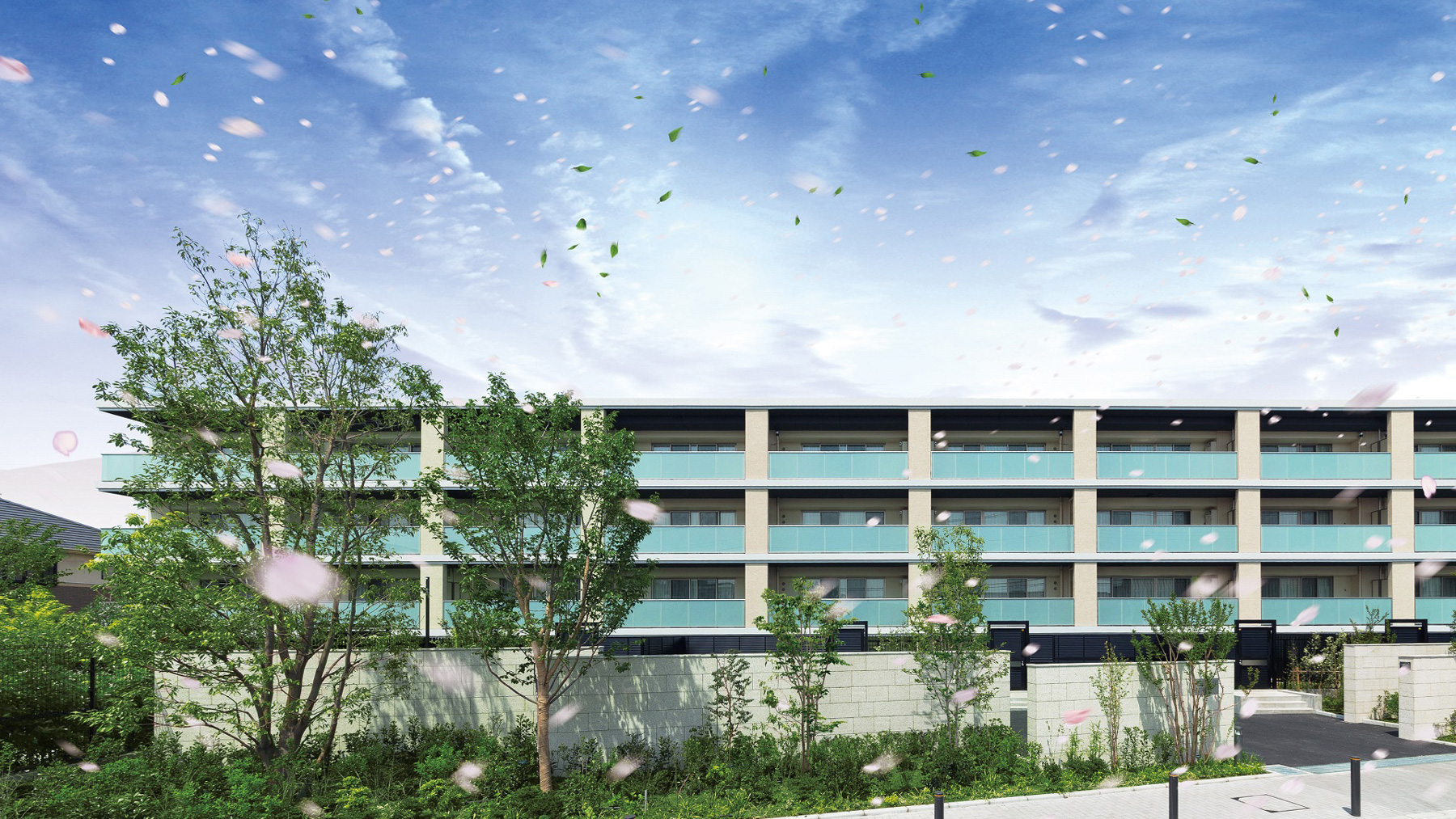
”Sumitomo Corporation quality” created by commitment to basic functionality and integrated strength –Condominium business
Business
"Thomas Edison of Tohoku" IG Kogyo―Inventor of pioneering metal siding
Business
From Wheels and Axles to Operation Systems: The Railway Business Supporting the Lives and Industries of People Worldwide
Business
Working with tenants and customers to enhance the value of facilities ―Retail facility business―
Business
Connect people, society, and technology to create new value, thus supporting Japanese manufacturing ―Sumitomo Shoji Machinex―
Ranking

2026.8.13
Business
Collaboration With SCSK Is Key: Inside Sumitomo Corporation Group's DAIS (Digital & AI Strategy)
2025.4.7
Business
How Does Sumitomo Corporation Excel in Media and Digital Businesses? History and Transformation Explained
2026.2.9
Business
Using AI to Streamline Track Inspections: Sumitomo Corporation and 33 Railway Operators Take on Labor Shortages in the Rail Industry
2025.8.29
Business
Sumitomo Corporation's Soaring Commercial Aviation Business: Powered by the World's Second Largest Aircraft Leasing Operation

2024.5.20
Business
SUMMIT: Making Supermarkets in Japan More Enjoyable