- TOP
- Enriching+TOP
- History Woven at the Besshi Copper Mines Over 300 Years: The Sumitomo Group's Origins

Culture
History Woven at the Besshi Copper Mines Over 300 Years: The Sumitomo Group's Origins
2026.2.17
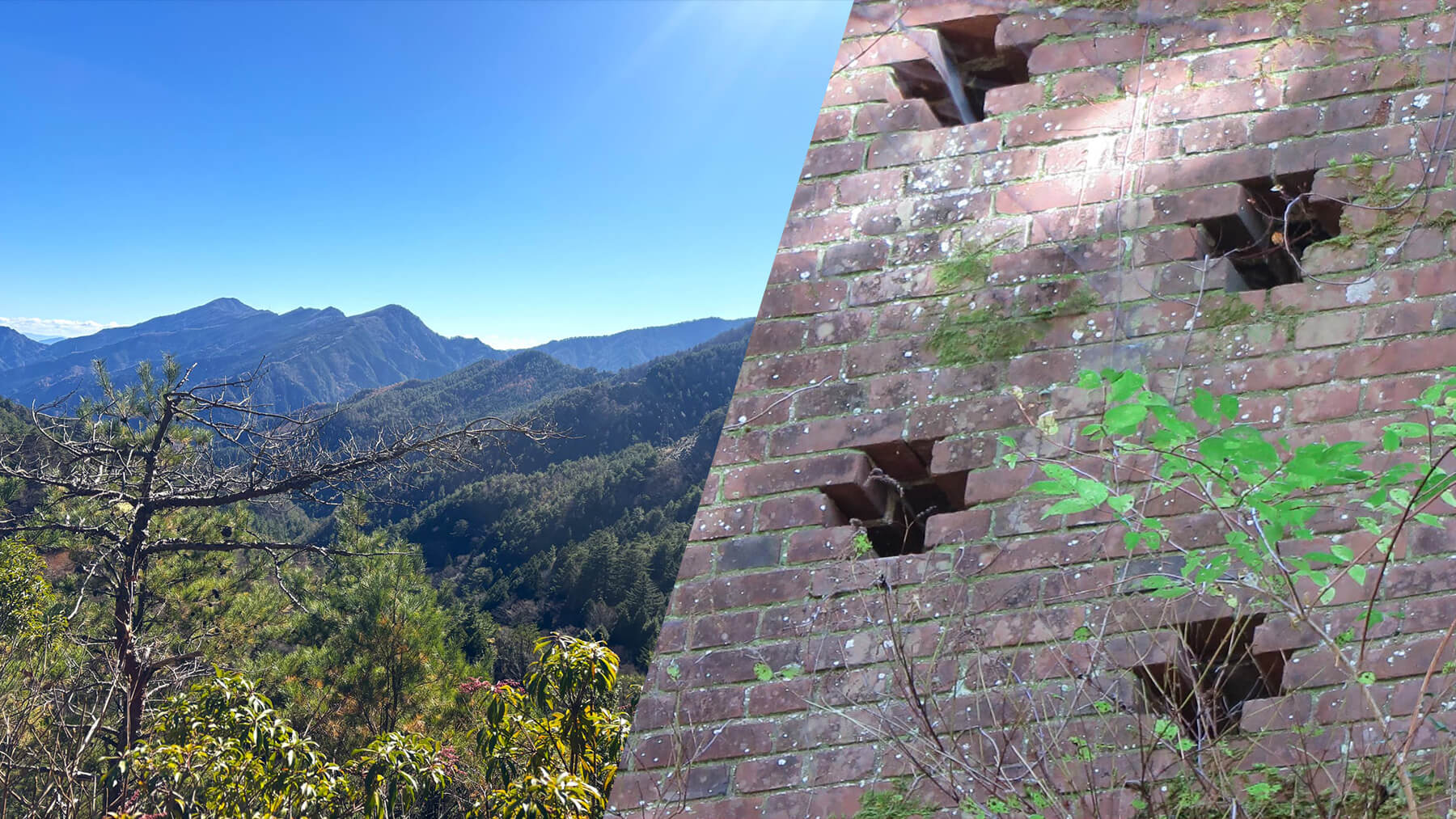
With a history spanning more than 400 years, the Sumitomo Group’s story is inseparable from the Besshi Copper Mines in Niihama City, Ehime Prefecture.
Since opening in 1691, the mines produced copper for over 280 years. Throughout this long history, generations of predecessors confronted challenges related to production methods, ways of working, and environmental and social issues with sincerity and resolve. In this way, they forged the Sumitomo's Business Philosophy that continues to be passed down today through Sumitomo Group companies. The Besshi Copper Mines can truly be described as the foundation on which the Sumitomo Group's growth and success was built.
Today members of the Enriching+ editorial team participated in an internal training program visiting the Besshi Copper Mines, together with local Niihama resident Toshimitsu Takahashi, who guided the group in tracing the footprints of those who lived and worked here over the centuries.
This is Part One of a two-part series. Read Part Two here:
What are the Besshi Copper Mines?
From opening in 1691 until operations were suspended in 1973 (effectively marking its closure), the Besshi Copper Mines were managed continuously for more than 280 years by the Sumitomo Group as a private enterprise – an arrangement that remains rare even on a global scale.
Following the Meiji Restoration, the Sumitomo Group actively introduced overseas technologies. With total ore output of approximately 30 million tons and copper production of around 650,000 tons, Besshi grew into one of Japan's largest copper mines and played a leading role in the country's economic development. Industries such as chemicals, heavy machinery, forestry and electrical power all emerged from mining operations at Besshi, forming the foundation of not only present-day Niihama City but also of the broader Sumitomo Group. Put another way, the technologies and expertise cultivated at the Besshi Copper Mines shaped the Sumitomo Group as it exists today.
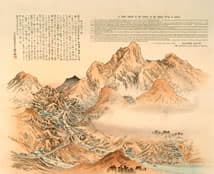
At the same time, rapid modernization gave rise to environmental problems, including deforestation, contaminated mine drainage and smoke pollution. Our predecessors tackled these challenges head-on, implementing fundamental solutions such as establishing ore processing facilities, relocating smelters while introducing modern refining technologies, and expanding afforestation programs.
Tracing the Hardships and Endeavors of Those Who Came Before
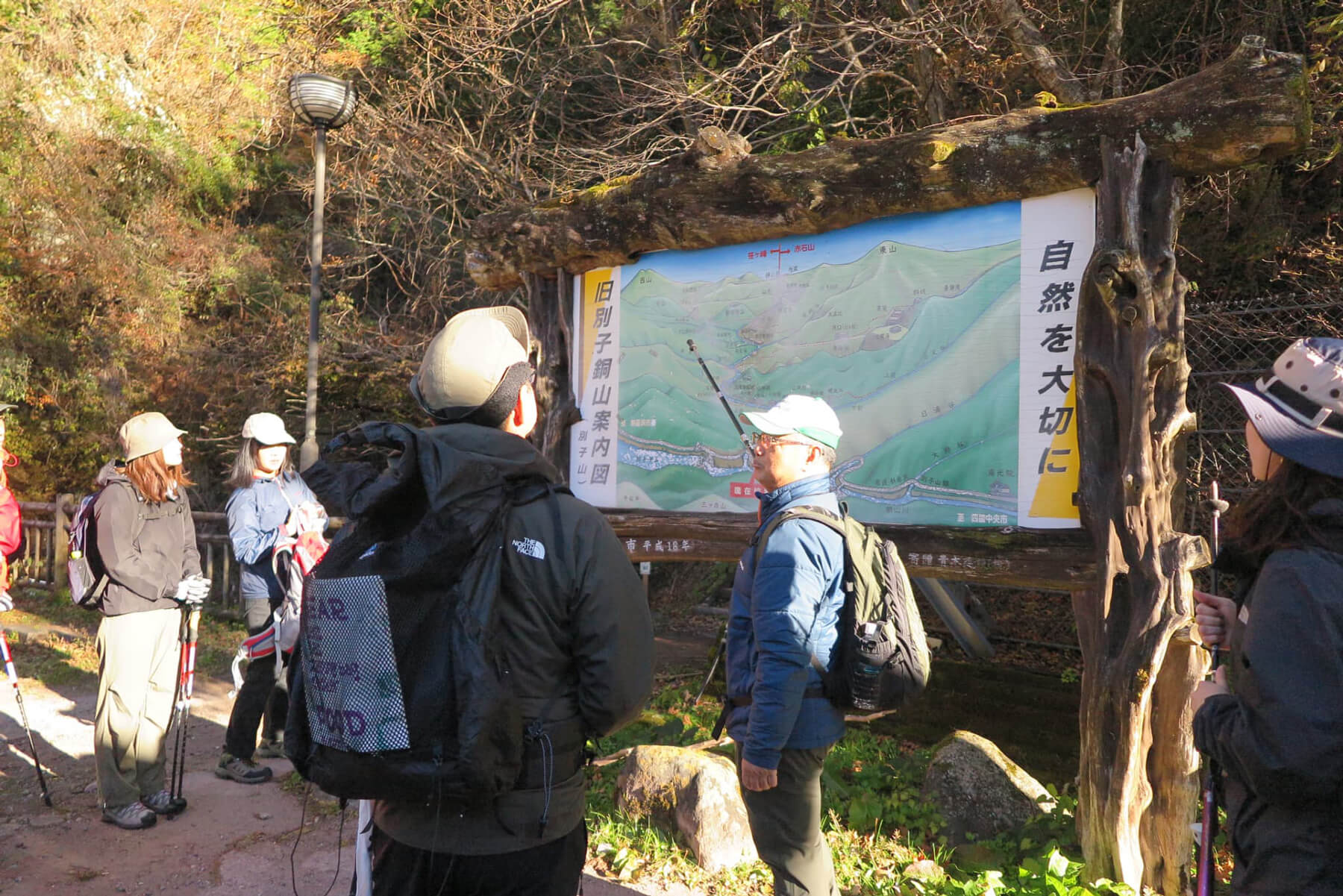
In this article, members of the Enriching+ editorial team participated in an internal "Besshi Copper Mines Training Program" designed to deepen understanding of the Sumitomo Group’s history and business philosophy. The program began with visits to three Sumitomo-related memorial museums in Niihama City, followed by a challenging climb to the Besshi Copper Mines site.
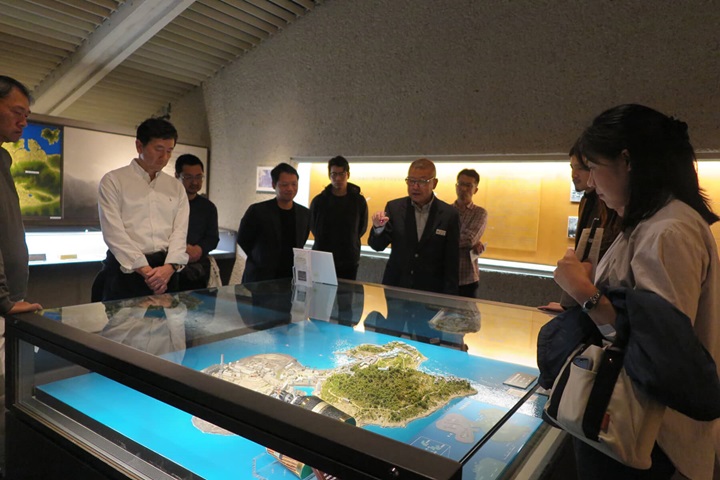
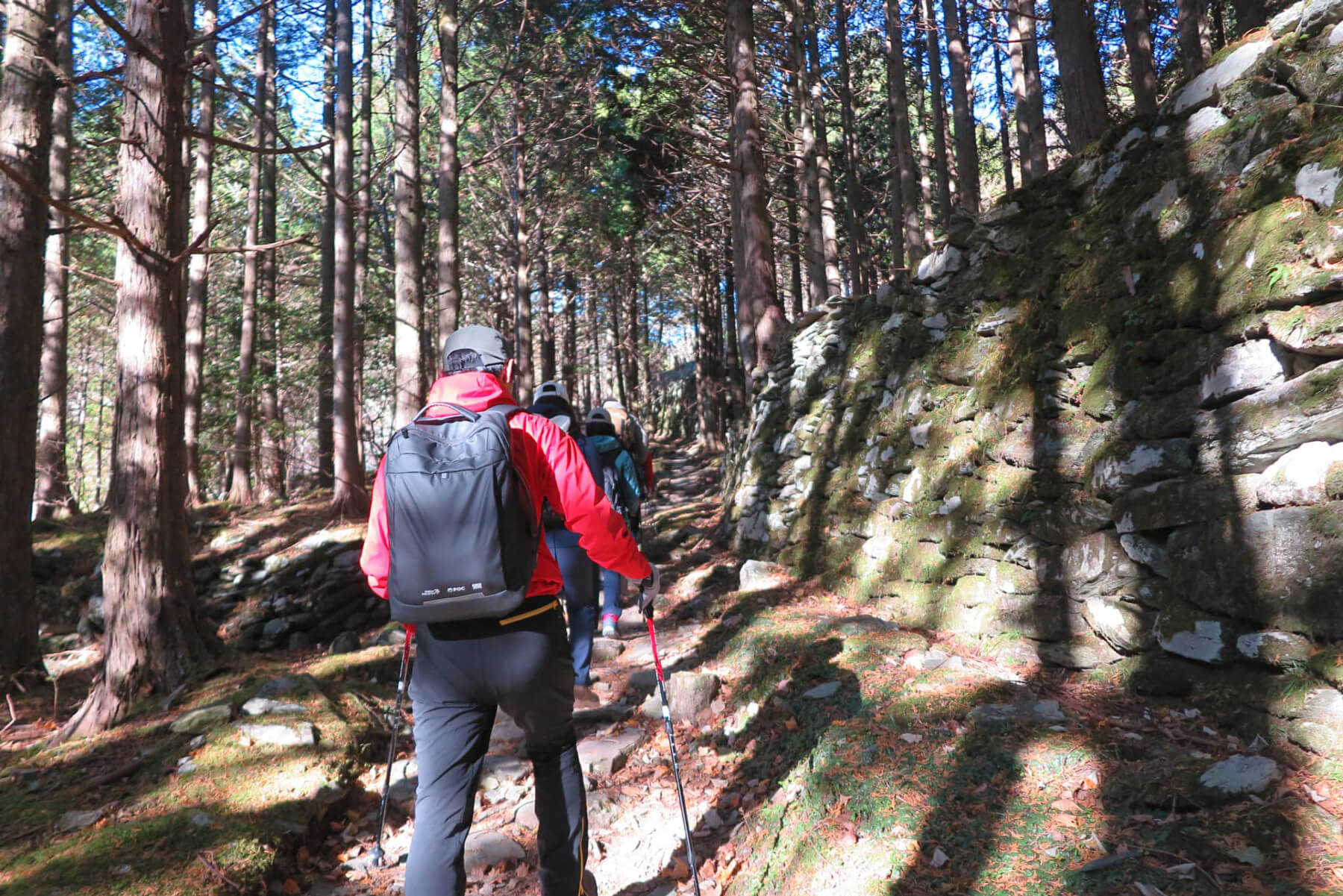
Tracing how people once lived and worked in the Besshi Copper Mines.
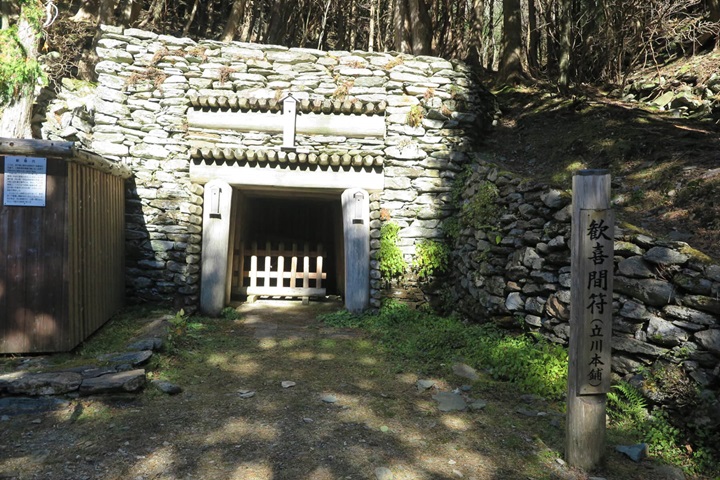
First, Kanki Shaft— the very site where mining at Besshi began—comes into view. The pit was named "Kanki," meaning joy, after miners discovered a promising surface outcrop and confirmed through test excavation that it was an exceptionally rich ore body. Standing here, knowing this was the point where the Sumitomo Group’s history began, one cannot help but feel a quiet sense of awe.
In the early days of Besshi Copper Mines operation, all copper ore was extracted by hand. Miners made their way through dark tunnels guided only by the faint glow of "rato" lamps – small lights fueled by whale oil poured into turban shells. Mr. Takahashi explains that miners wore special straw sandals without heels. "Because visibility was so limited, they would tiptoe, carefully testing the ground with each step."
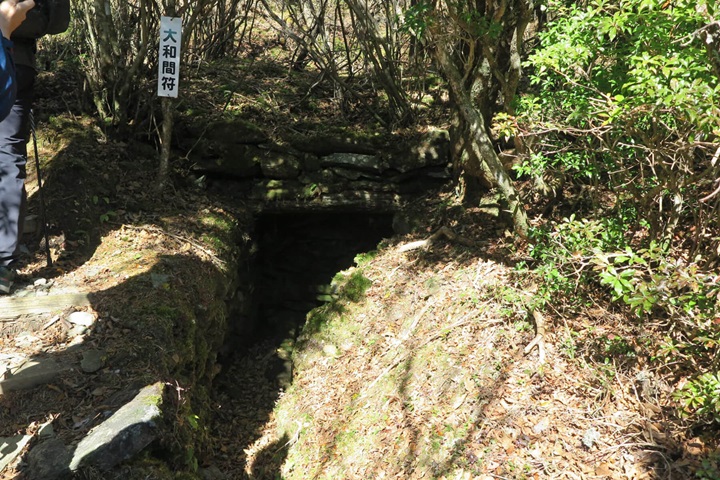
Edo era tunnels were just wide enough for a single person to pass through / Photographed in 2025
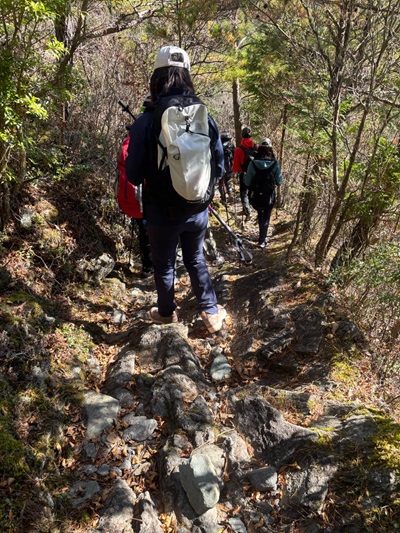
Before a road for ox carts was completed in 1880, people known as "nakamochi" carried rough copper, daily necessities and food supplies along steep, rocky mountain paths. Women carried loads of around 30 kilograms, while men bore as much as 45 kilograms on their backs.
Descending from Copper Mine Pass at an elevation of 1,294 meters, the editorial team walked the Izumiya Path, once traversed daily by 200–300 nakamochi. Even carrying only backpacks, the team found the steep downhill so demanding that there was little opportunity to take photographs. The experience brought home just how perilous and physically taxing this work must have been.
Despite these harsh conditions, life in the Besshi Copper Mines was not defined solely by hardship. Residents also found moments of joy in festivals held at the many local shrines scattered throughout the area.
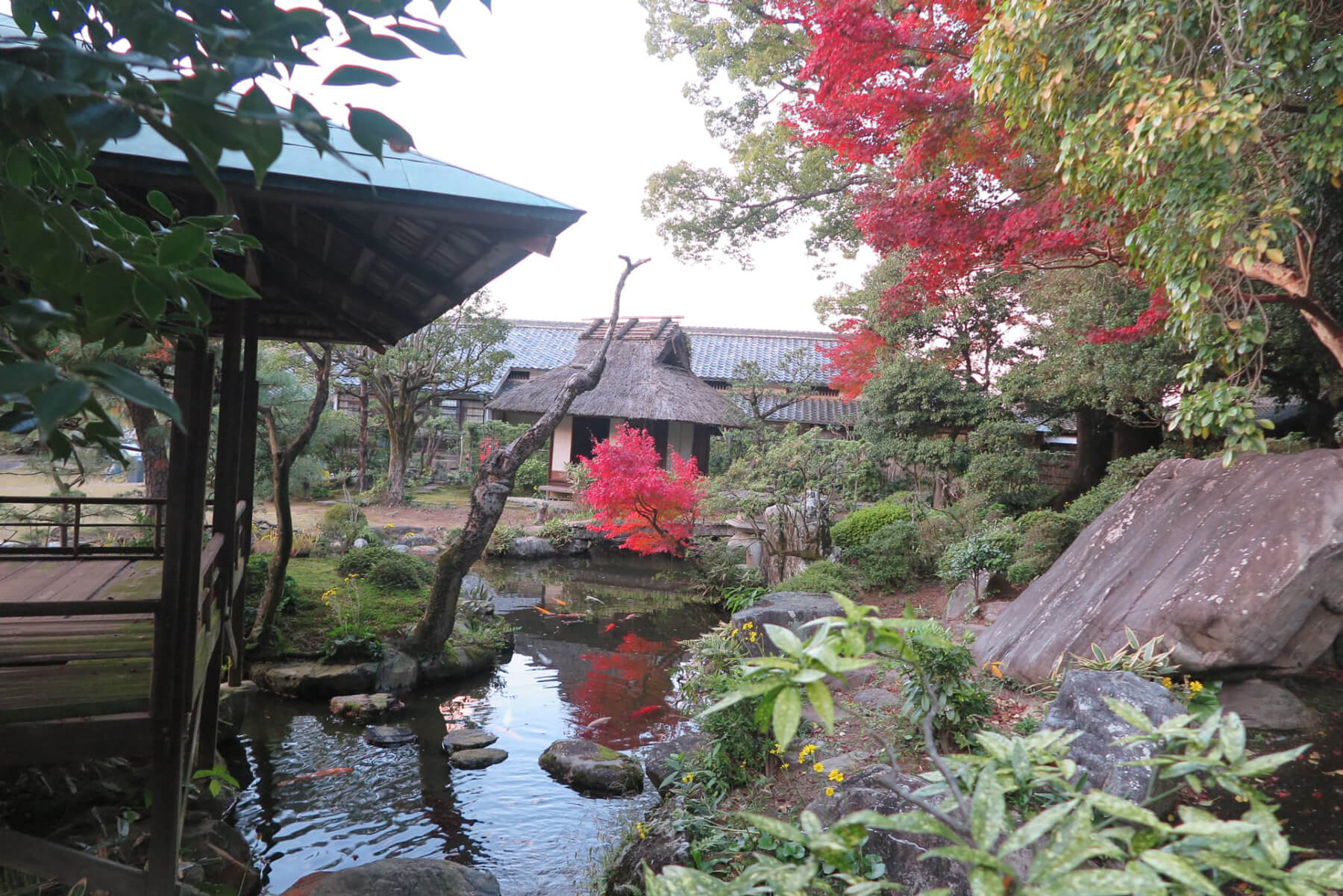
Koashidani, the last settlement to be developed in the Besshi mining area, was home to facilities such as a reception hall for distinguished visitors and the residence of the mining division chief. Remnants of imposing red-brick walls remain, said to incorporate the design of the Sumitomo Group's "igeta" emblem. At the time, the mining division chief ranked just below the mine superintendent and even had a private well, befitting a residence of considerable stature.
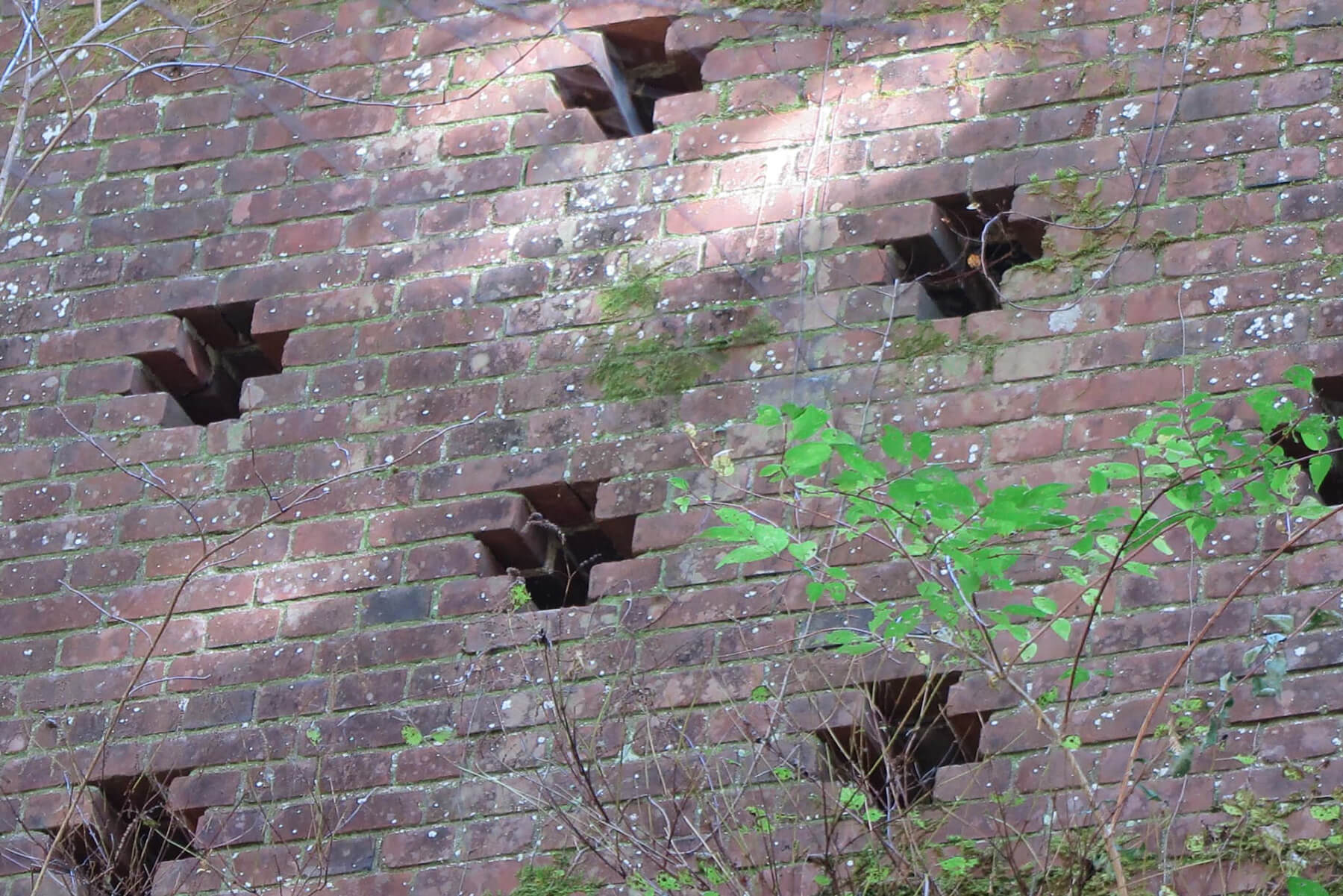
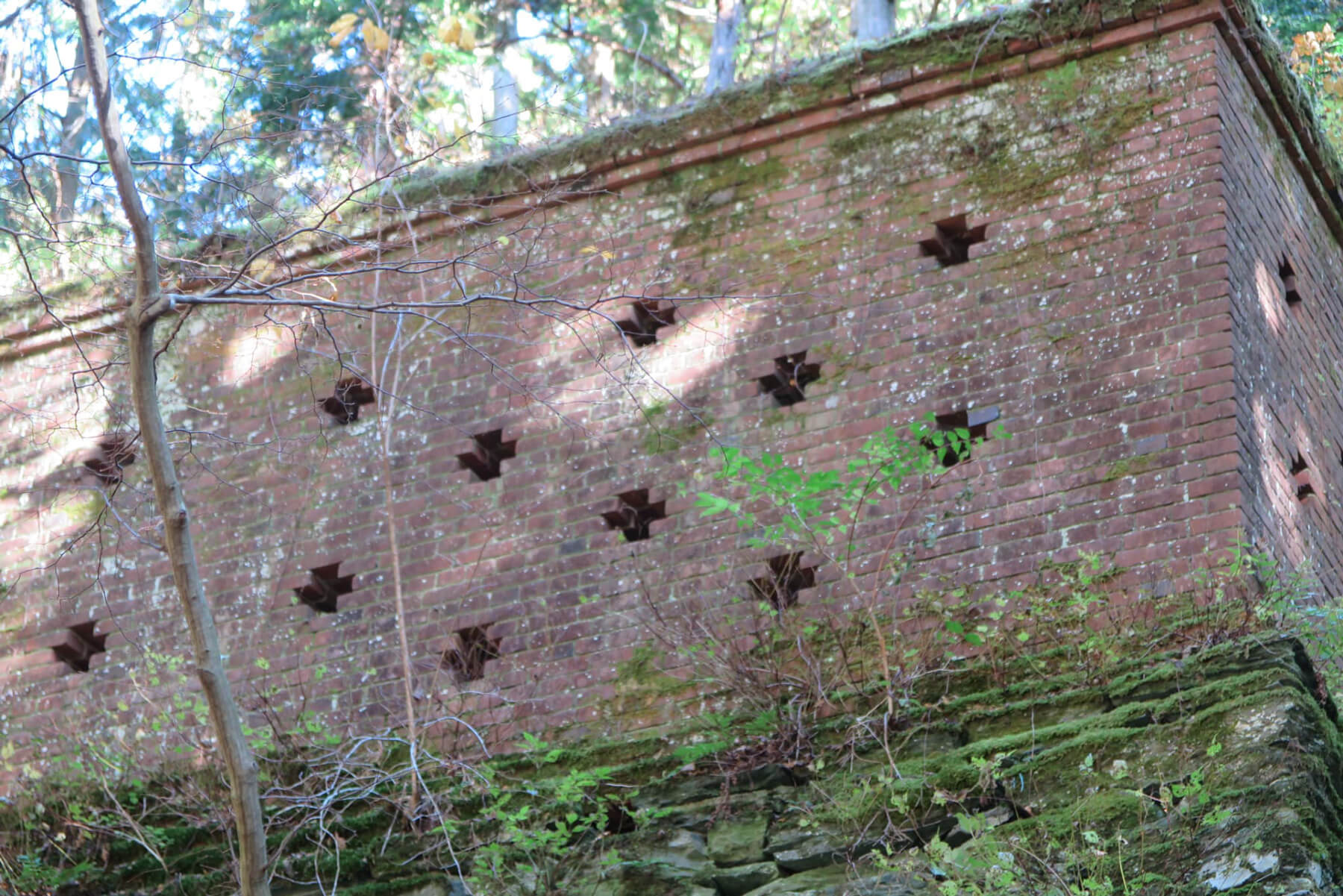
Koashidani also boasted a theater capable of seating 1,000 people. Celebrated theatrical troupes were invited from Kyoto and Osaka to stage kabuki and other theatrical productions. Mr. Takahashi notes that because mining and smelting centers were shielded by a 1,300-meter mountain in the Edo and early Meiji eras, the theater provided cultural enrichment and solace to residents whose access to entertainment was otherwise limited. The foresight shown by Sumitomo Group leaders in providing these facilities for the sake of employees' and their families' wellbeing speaks to an advanced approach to labor management and employee welfare – one that still offers lessons today.
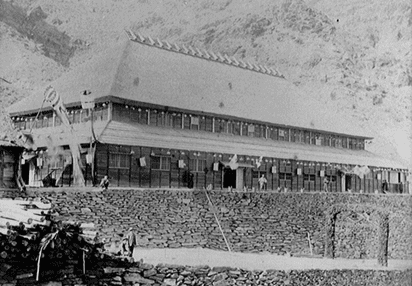
The Besshiyama Village, Uma County (present-day Besshiyama, Niihama City), Ehime Prefecture, prospered thanks to the Besshi Copper Mines. By the late Meiji era, its population had reached approximately 12,000 people, and the elementary school located within the Besshi Copper Mines area reportedly served around 300 students – comparable in size to a mid-sized public elementary school in present-day Niihama City, which has a population of about 115,000 and 16 elementary schools.
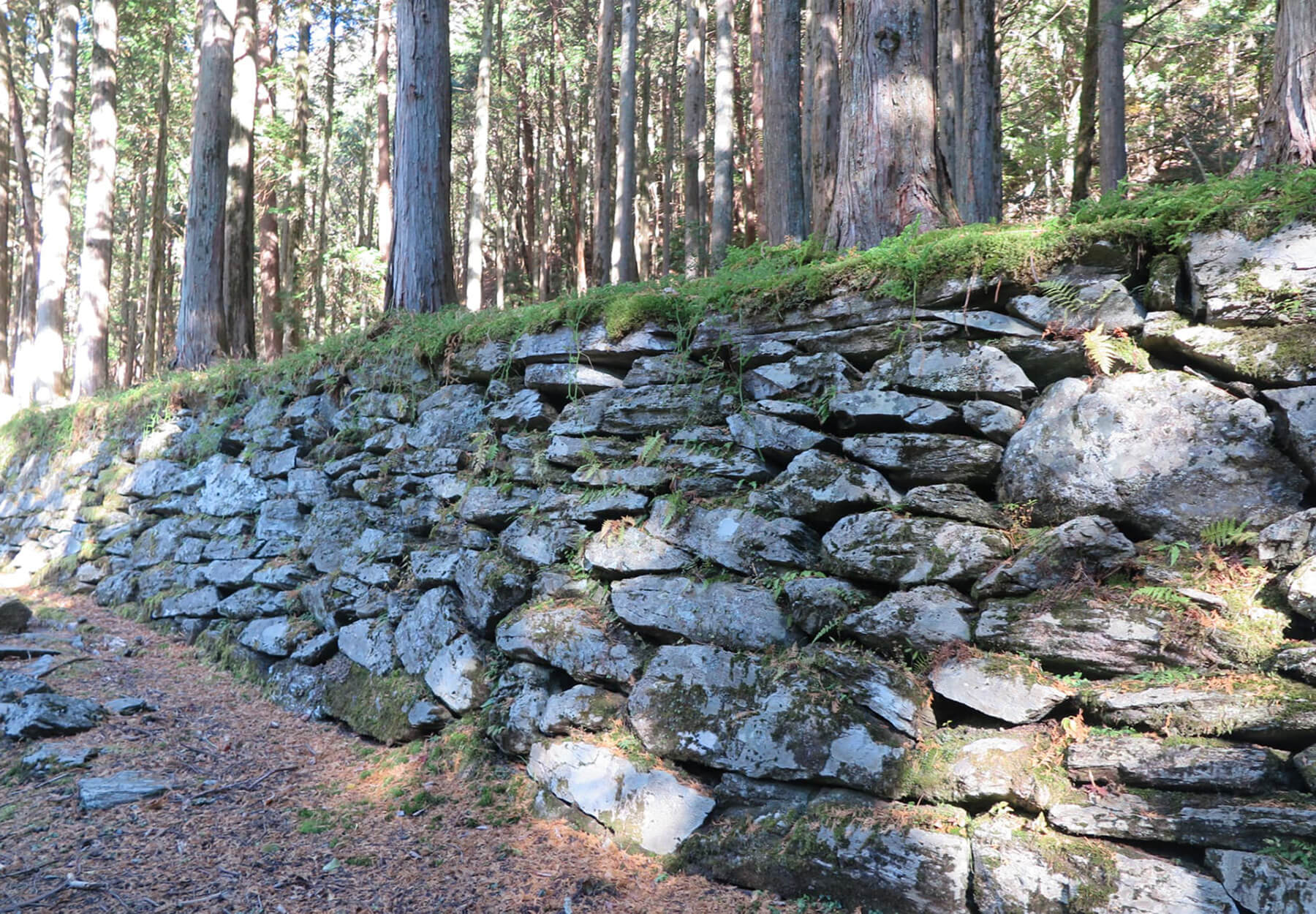
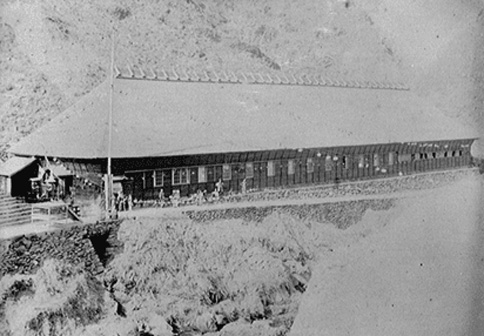
Before the Koashidani Brewery was completed in 1870, sake had to be transported by peddlers and nakamochi from towns north of the 1,300-meter-high Mount Dozan. Under the direction of general manager Saihei Hirose, a brewery was established within the mountains at an elevation of 1,000 meters. Mr. Takahashi recounts with a smile that, in earlier days, sake sometimes "diminished" during transport and was topped up with water – a problem that helped prompt the decision to brew locally. At its peak, the brewery produced 100 kiloliters of sake annually, and later also manufactured essential daily staples like miso and soy sauce.
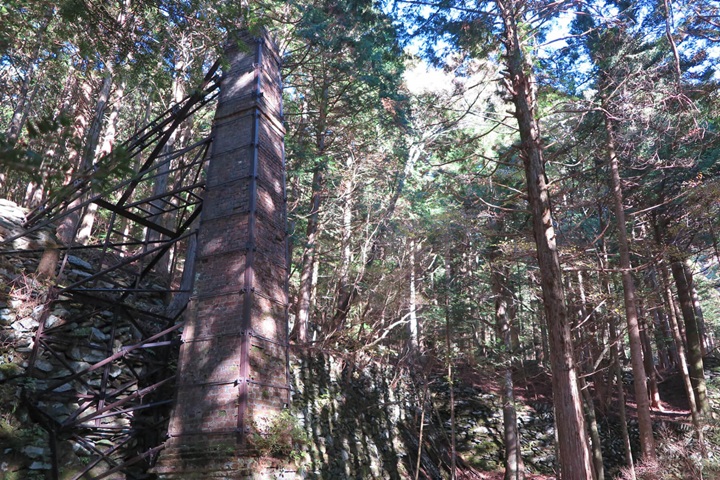
Reaching the summit of Mount Dozan, visitors are rewarded with a sweeping view of Niihama City and the Seto Inland Sea. On the clear day of our visit, the cityscape and island-dotted seascape stretched dramatically into the distance.
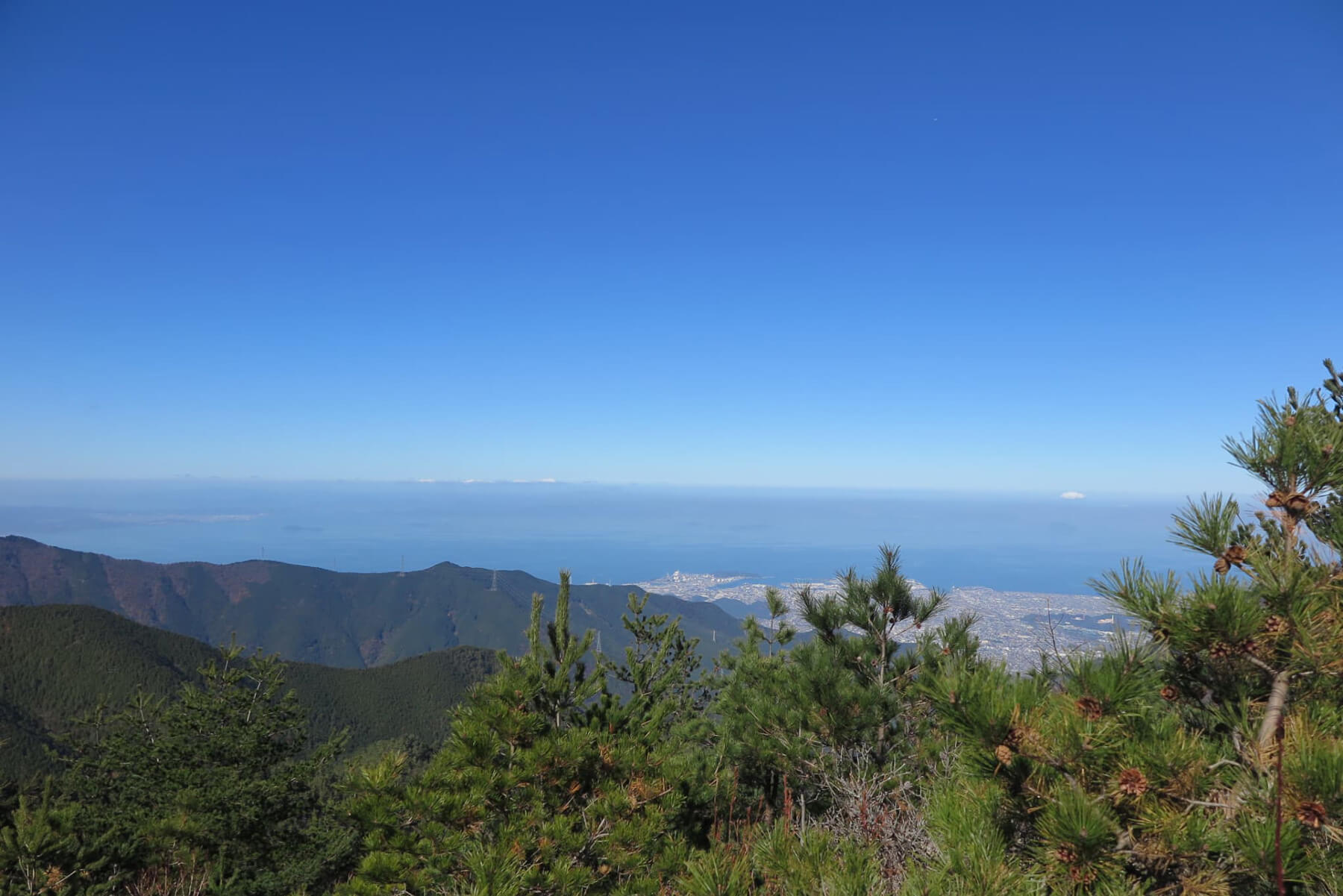
Once home to more than 4,000 people, the Besshi Copper Mines are now gradually returning to a quiet, natural state. Reflecting on the efforts and hardships of those who once lived here, the team was reminded that their accumulated labor underpins our lives today as members of the Sumitomo Group. This prompted a strong sense of gratitude, alongside renewed resolve to honor their legacy through daily work.
Participants in the same training program shared impressions such as, "I’ve worked at Sumitomo Corporation for decades, yet learned so many things for the first time. It was an extremely valuable experience," and "Walking those steep, rocky paths made me realize how dangerous and demanding transporting heavy loads must have been. I truly felt the hardships our predecessors endured." The Besshi Copper Mines training proved to be a deeply meaningful opportunity for a deepened understanding of the Sumitomo Group’s history.
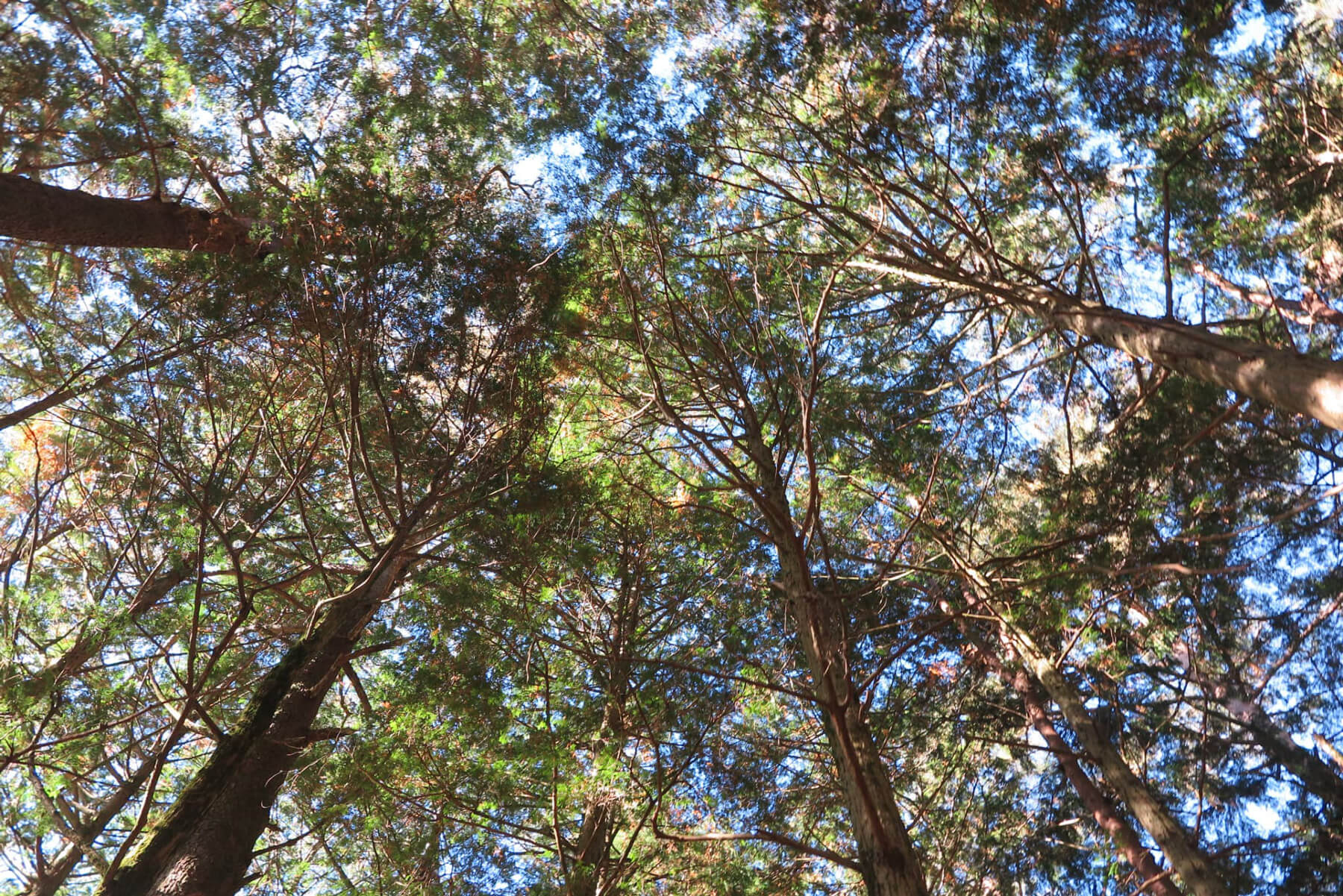
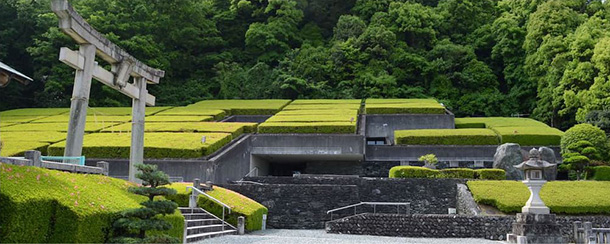
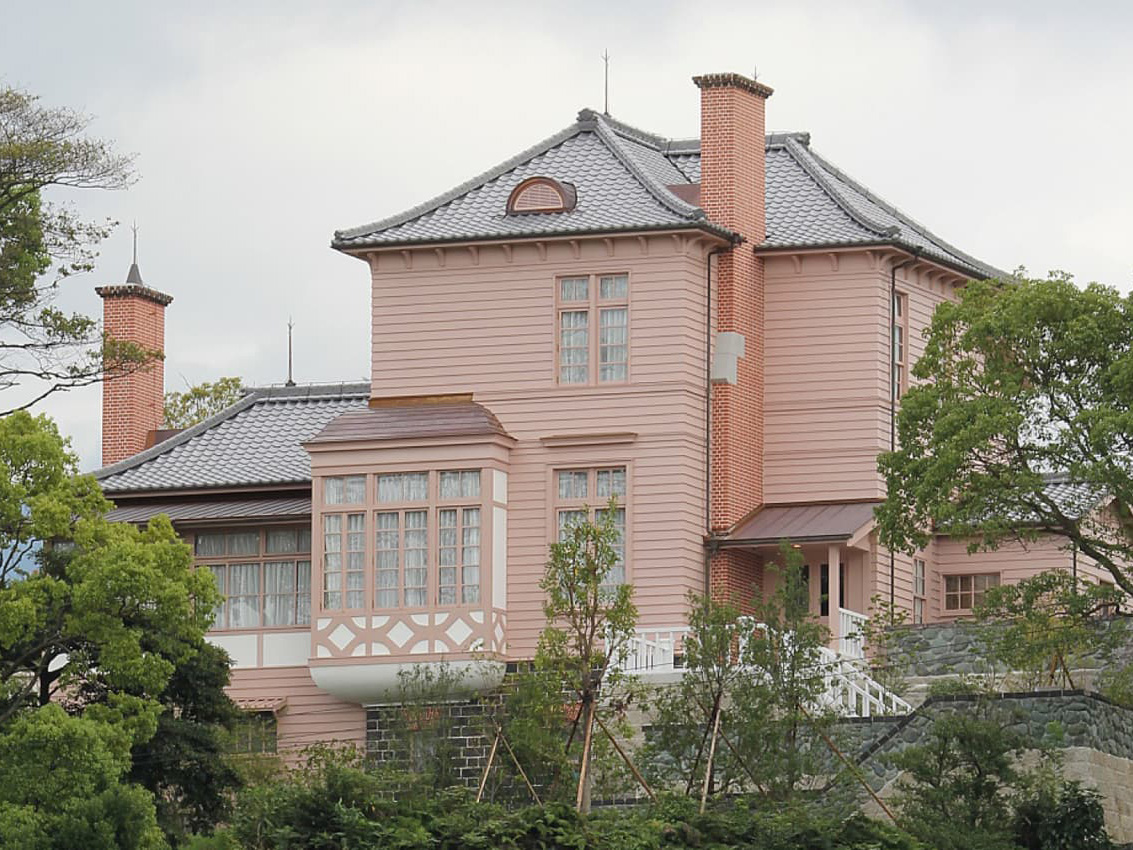
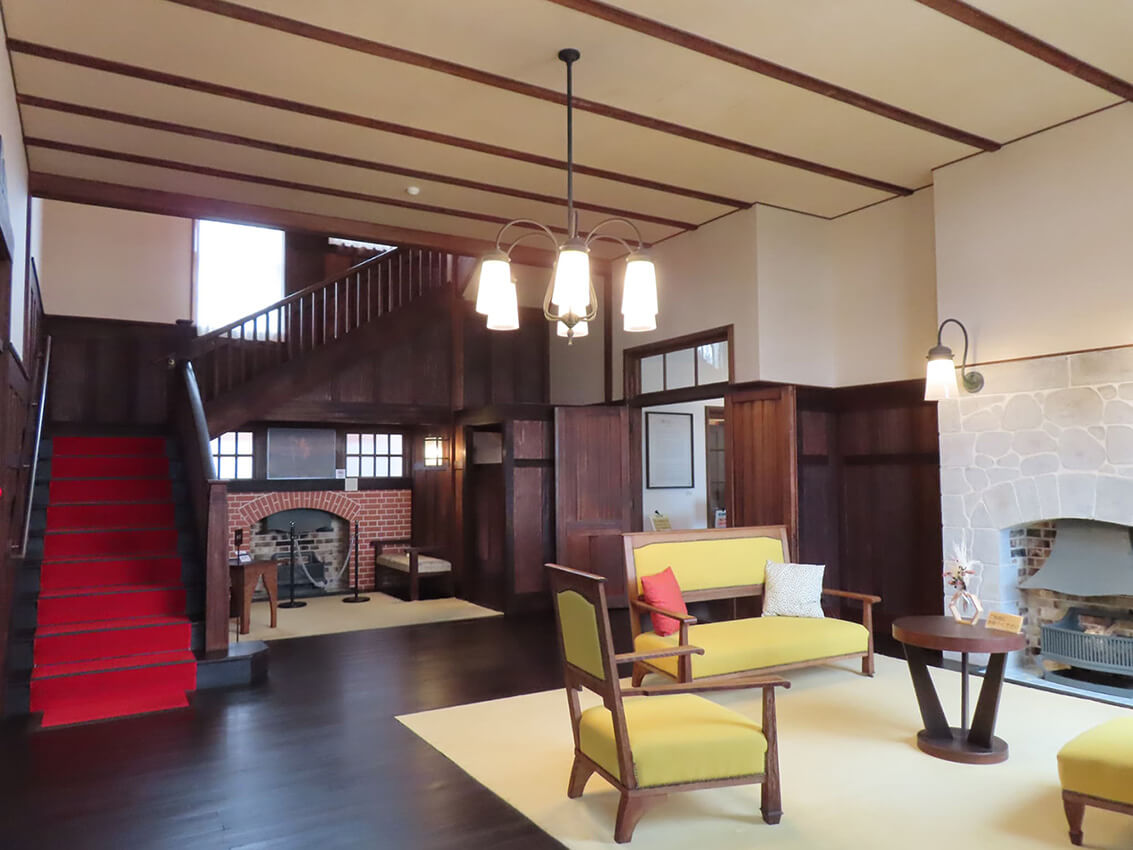
The program began with visits to three memorial museums before the mountain ascent. Gaining historical context beforehand made the weight of the Sumitomo Group and the Besshi Copper Mines' shared history all the more tangible.

Recommend

Culture
"About Enriching+": The Story So Far, and Where Sumitomo Corporation's Official Owned Media Is Heading Next
Culture
Never Standing Still: Medalist and Former Japanese Speed Skater Miho Takagi and Shingo Ueno on What It Takes for Individuals and Organizations to Keep Growing
Culture
Learning From the Besshi Copper Mines: Sumitomo’s Business Philosophy, Still Rooted in the Present
Culture
The Instructor System: Passing Down Sumitomo Corporation Ways of Working and Core Values
Culture
Sumitomo Corporation's Inter Office Training (IOT) as a Global Gathering of Peers

Culture
Enhancing Japan's Value on the Global Stage: The Goal-Driven Career Journey of a Sumitomo Corporation Alumni Who Founded a Global Startup in His 20s
Culture
The Importance of Seizing Opportunities: What Sumitomo Corporation President and CEO Shingo Ueno Told Junior and Senior High School Students at His Alma Mater

Culture
From Sumitomo Corporation to President of Tiffany Japan, the Sumitomo Spirit Lives On: "Passionate Beginners Can Outperform Experts"

Culture
Sumitomo Corporation corporate intro video now updated!

Culture
Diversity Meets Boundless Energy! "MIRAI LAB PALETTE" Co-Creation Hub Connected by an "Overzealous" Community Manager
Culture
Why Focus on Education Now? Sumitomo Corporation’s Social Contribution Activity Program "100SEED" and Its Ongoing Activities
Culture
Learning From Sumitomo Corporation's President, Five Rules That Reflect His Work Philosophy
Ranking

2026.10.2
Culture
"About Enriching+": The Story So Far, and Where Sumitomo Corporation's Official Owned Media Is Heading Next
2026.8.13
Business
Collaboration With SCSK Is Key: Inside Sumitomo Corporation Group's DAIS (Digital & AI Strategy)
2026.2.9
Business
Using AI to Streamline Track Inspections: Sumitomo Corporation and 33 Railway Operators Take on Labor Shortages in the Rail Industry

2025.8.29
Business
Sumitomo Corporation's Soaring Commercial Aviation Business: Powered by the World's Second Largest Aircraft Leasing Operation

2024.5.20
Business
SUMMIT: Making Supermarkets in Japan More Enjoyable