- TOP
- Enriching+TOP
- The Instructor System: Passing Down Sumitomo Corporation Ways of Working and Core Values
Culture
The Instructor System: Passing Down Sumitomo Corporation Ways of Working and Core Values
2026.2.12
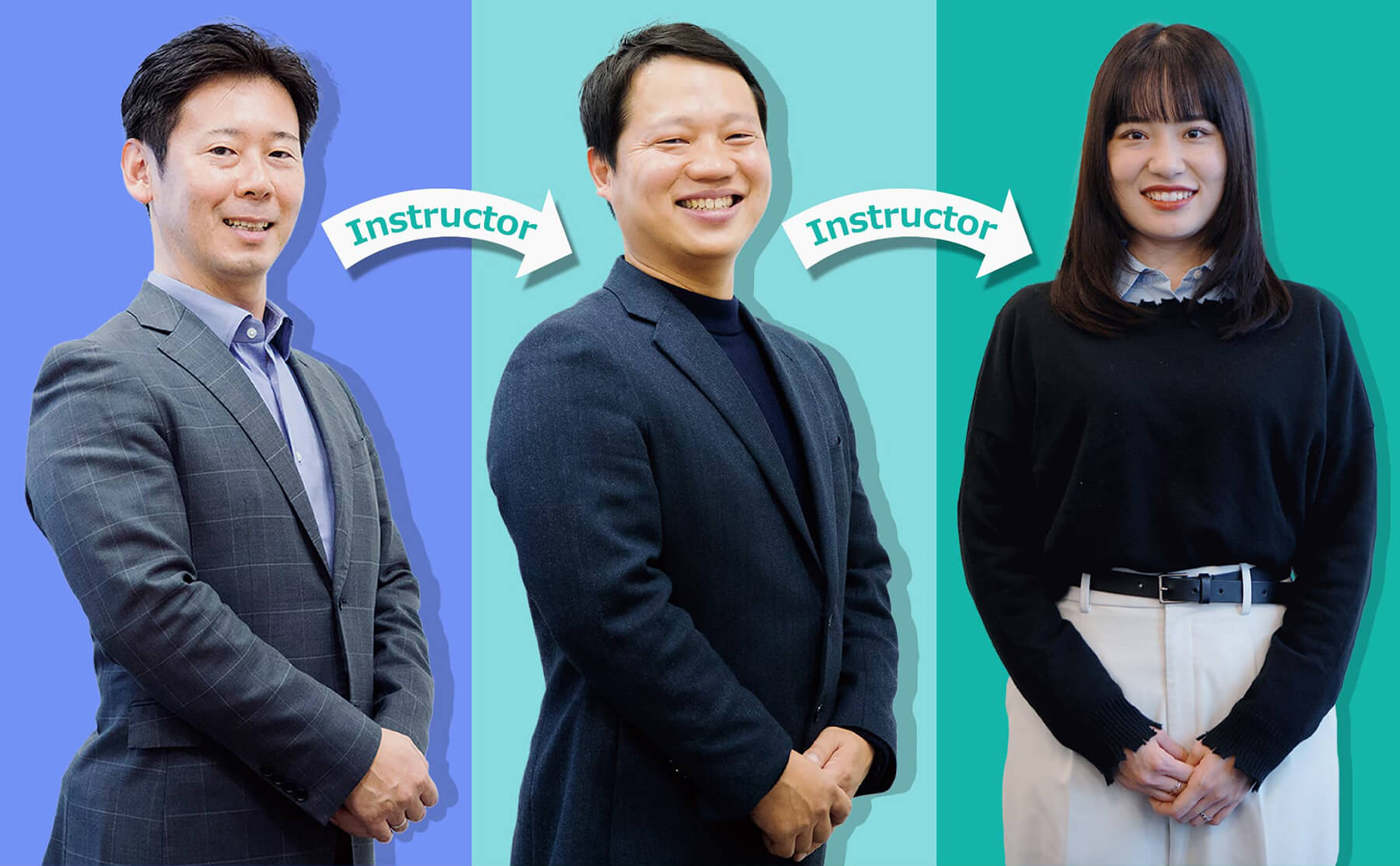
At Sumitomo Corporation, there is a long-established Instructor System designed to help new employees grow into full-fledged integrated trading company professionals. Under this system, new hires are paired with experienced employees who serve as their instructors and provide wide-ranging support over one year, from hands-on guidance in daily work to helping them understand Sumitomo Corporation's internal culture. By fostering deep connections that transcend generations, the system has become an indispensable part of cultivating Sumitomo Corporation's corporate culture. In this feature, we bring together three employees from different generations within the Chemical Solutions Group, who were once instructors and trainees to one another, to talk about the values they inherited from their instructors and the realities of the system in practice.
Based on Sumitomo Corporation's unwavering belief that our people are the source of our competitiveness and the driving force behind our growth, this new-employee development system has been in operation for many years. Under the system, one senior colleague from the same department is assigned as an instructor, supporting new employees as they take their first steps into professional life. This support goes beyond on-the-job training (such as explaining job responsibilities and instilling basic professional conduct). A defining feature of the system is its focus on nurturing a mindset that forms the foundation for growth, including the values expected of a Sumitomo Corporation professional and the organization's work culture.
While designated training programs and the new-employee handbook serve as guiding frameworks, the actual approach to mentoring is flexibly customized to reflect the characteristics of each assignment, the nature of the work and the individual personality of the new hire, with the entire department working together to provide support.
-
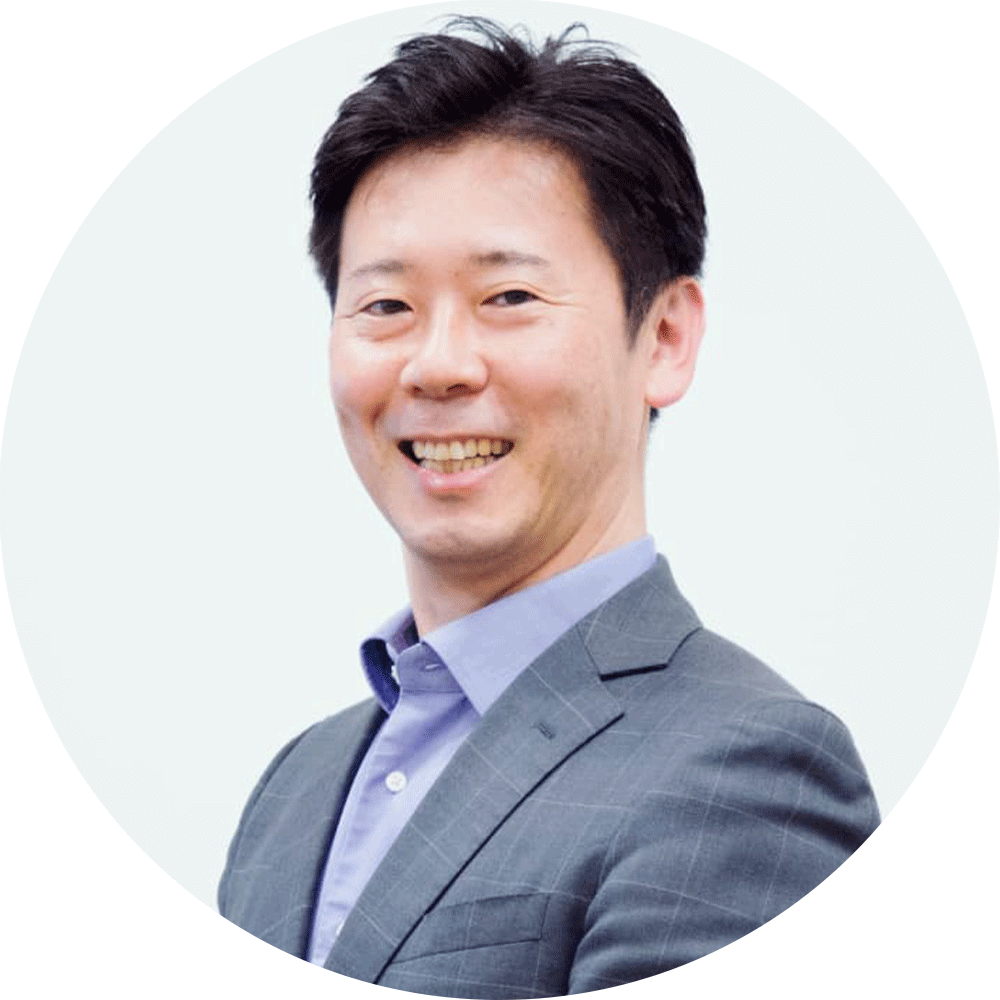
Inorganic Chemicals Unit
Keisuke Fukuda
*Instructor for UedaFukuda joined the company in 2001. He is currently responsible for trading and investments in mineral resources such as rare earths, lithium and titanium. Fukuda has worked overseas in New York, Moscow and Dubai. He became Ueda's instructor in his 12th year with the company.
-
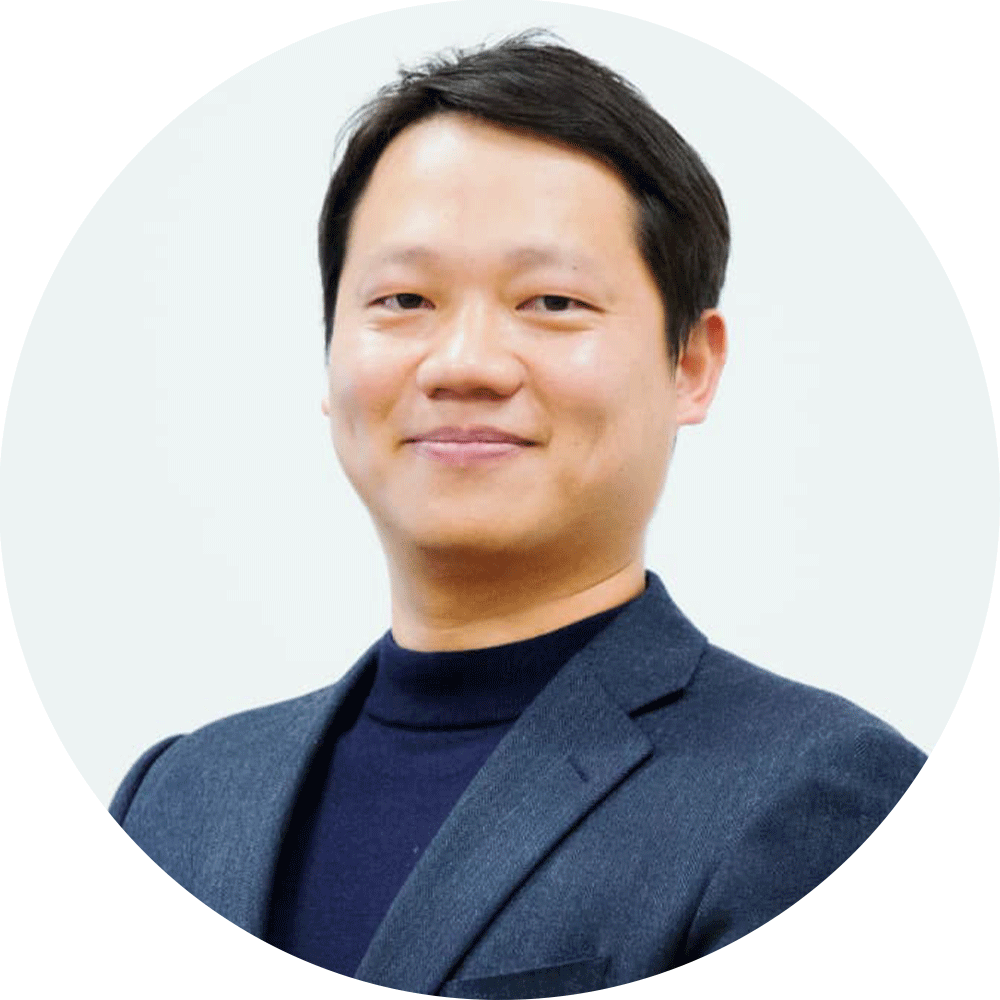
Electronic & Functional Materials Unit
Kohei Ueda
*Trainee under Fukuda / Instructor for NishitaniUeda joined the company in 2012. He worked in the Inorganic Chemicals Unit handling businesses related to semiconductor and glass materials and has experience working overseas in South Korea. Ueda currently belongs to the Electronic & Functional Materials Unit, where he is involved in semiconductor-related businesses, such as materials for EVs and AI data servers (silicon carbide wafers) and sensors. He served as Fukuda's trainee and later as Nishitani's instructor.
-
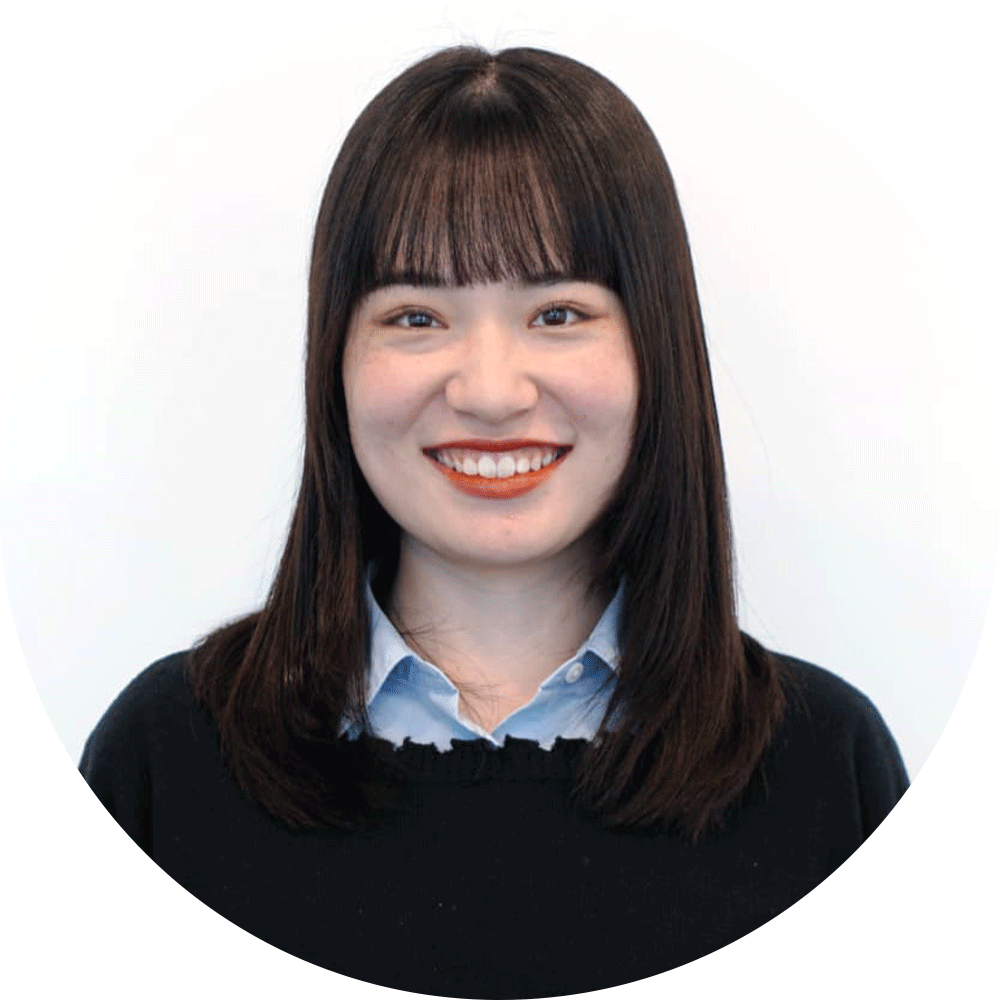
Inorganic Chemicals Unit
Trainee at Sumitomo Deutschland GmbHYuka Nishitani
*Trainee under UedaNishitani joined the company in 2021. She was assigned to the Inorganic Chemicals Unit, where she worked as Ueda's trainee, gaining experience in trading inorganic industrial minerals. In June 2024, she was posted to Sumitomo Deutschland GmbH as a trainee. She is currently engaged in petrochemical trading as well as new business development in inorganic chemicals and green chemicals fields. She joined the interview online from Germany.
Senior Colleagues Provide Support During Anxious Early Years
How did you feel when you became an instructor for the first time?
Fukuda I was genuinely excited to be chosen as Ueda's instructor. It was my first time serving in that role, and it happened in my 12th year with the company – later than many of my peers. I had just returned from a secondment to a group company and was starting to feel confident in my work, so it really felt like the moment had come.
Ueda I became Nishitani's instructor during the COVID-19 pandemic. After meeting on her first day, we were only coming into the office two or three days a week. It was an unprecedented situation, and there were a lot of work-related issues on top of being extremely busy. I wanted to train her properly, but communication was difficult, and I often felt a sense of urgency and frustration.
What were your first impressions of each other?
Fukuda My first impression of Ueda was that he was an earnest, straightforward young man. That impression hasn't changed, but at first, he did seem a little unsure of himself. Looking back, I think that was because he approached every decision with great care. Even when asked a question, he wouldn't answer until he had considered every possible angle and felt confident it was 100% correct. He learned very quickly, however, and now he speaks with confidence everywhere he goes. He's an outstanding junior colleague. Watching him be the first to raise his hand to ask questions, even in meetings with a hundred people, makes me genuinely proud. In the best possible way, he exceeded my expectations.
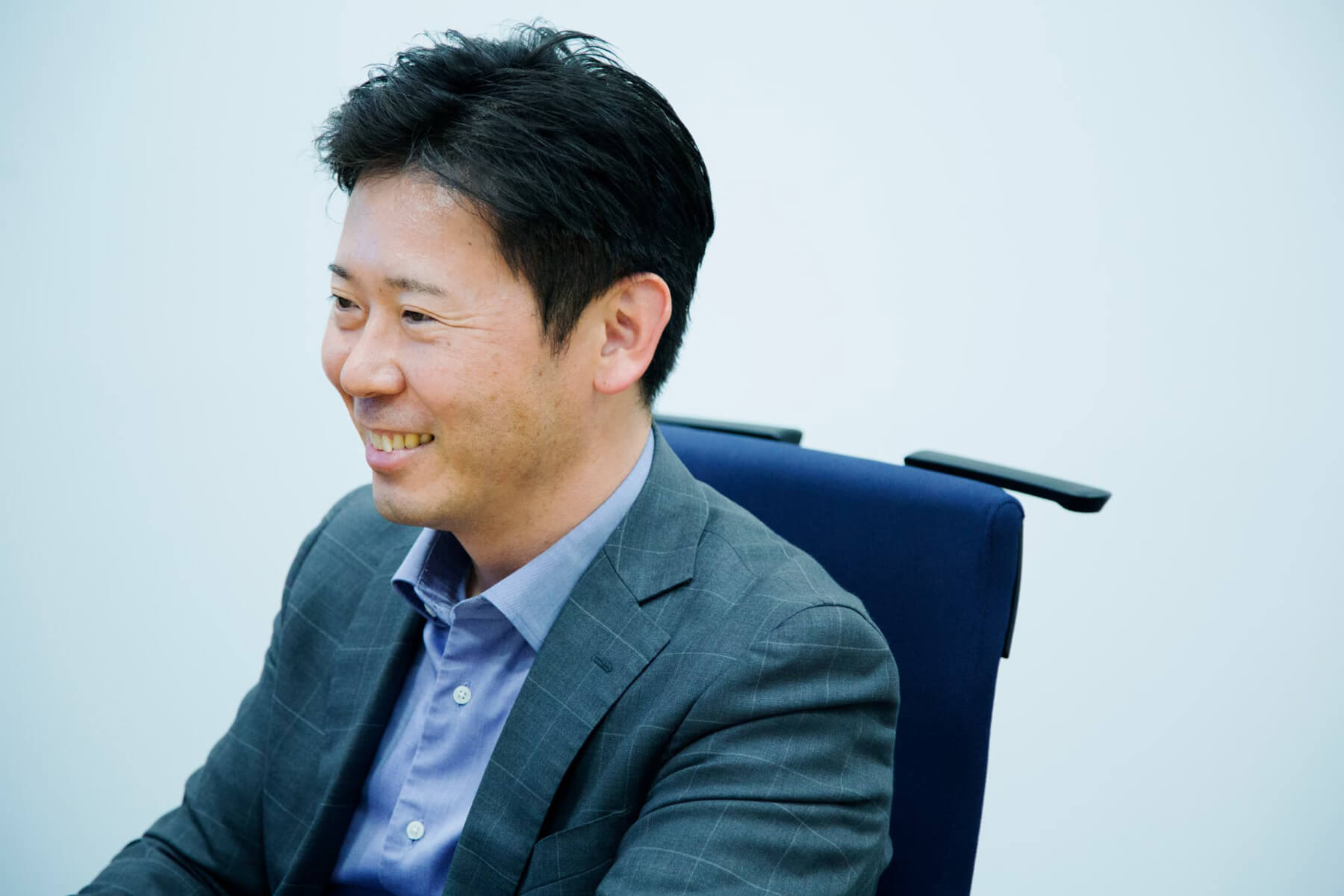
Nishitani For me, Ueda was very approachable and gentle, and he never made me feel the ten-year age gap between us. I was extremely nervous on my first day, but I clearly remember him saying, "You can ask me anything." Also, he eats really fast (laughs). On our first-day lunch at a katsudon (pork cutlet over rice) restaurant, he finished his meal before I’d hardly sat down. I remember thinking, "This is how salespeople eat – that much, and that fast!" It drove home how much energy the job really requires.
Ueda When I was a new hire myself, Fukuda said exactly the same thing to me: "Ask me anything." He told me that it was natural not to understand anything in your first year, and that I should ask questions freely and learn as much as possible. That meant a lot to me, so I passed his words on directly to Nishitani.
Fukuda Now that you mention it, I suppose I did say something like that (laughs).
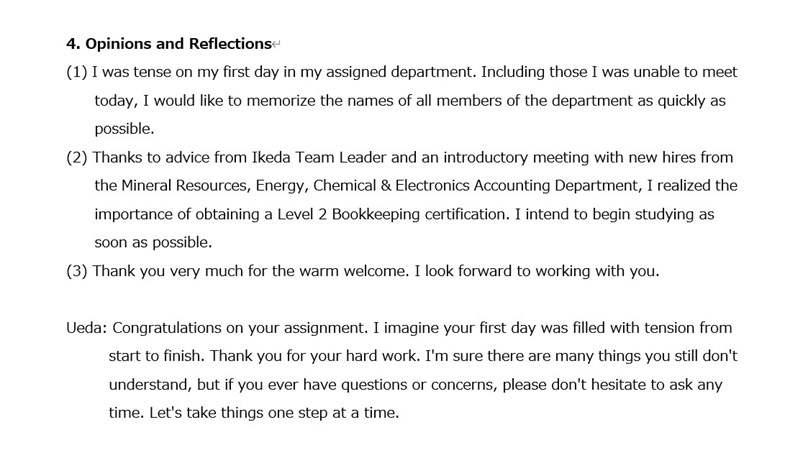
Ueda Once I became an instructor myself, I found myself thinking back more and more often to what Fukuda taught me. For about the first two months after joining, new employees keep a "training log," which instructors review and comment on. I showed Nishitani my own training log from when I was a new hire. It still had Fukuda's comments and corrections in it, and I wanted to pass on what I had learned from my senior to the next generation.
Fukuda Those training logs also play an important role in teaching the basics of how to write internal documents, so every instructor puts a lot of effort into reviewing them. Nowadays, comments are added in Word files, but back in my day, they were covered in handwritten red ink (laughs).
Nishitani The training log left a strong impression on me as well. Through his comments, Ueda really tried to motivate me from many different angles, and I was very grateful for that.
Valuing Long-Term Relationships Is a Cornerstone of Sumitomo Corporation Culture
What did you emphasize in particular when instructing new employees?
Fukuda I think it's important to tailor your approach to each individual's personality. There is training for instructors, of course, but everyone is different, so an "off-the-shelf" approach doesn't work. You really need to respond to each person individually. As I mentioned earlier, Ueda tends to think things through very carefully, so I often told him not to rush and take things step by step.
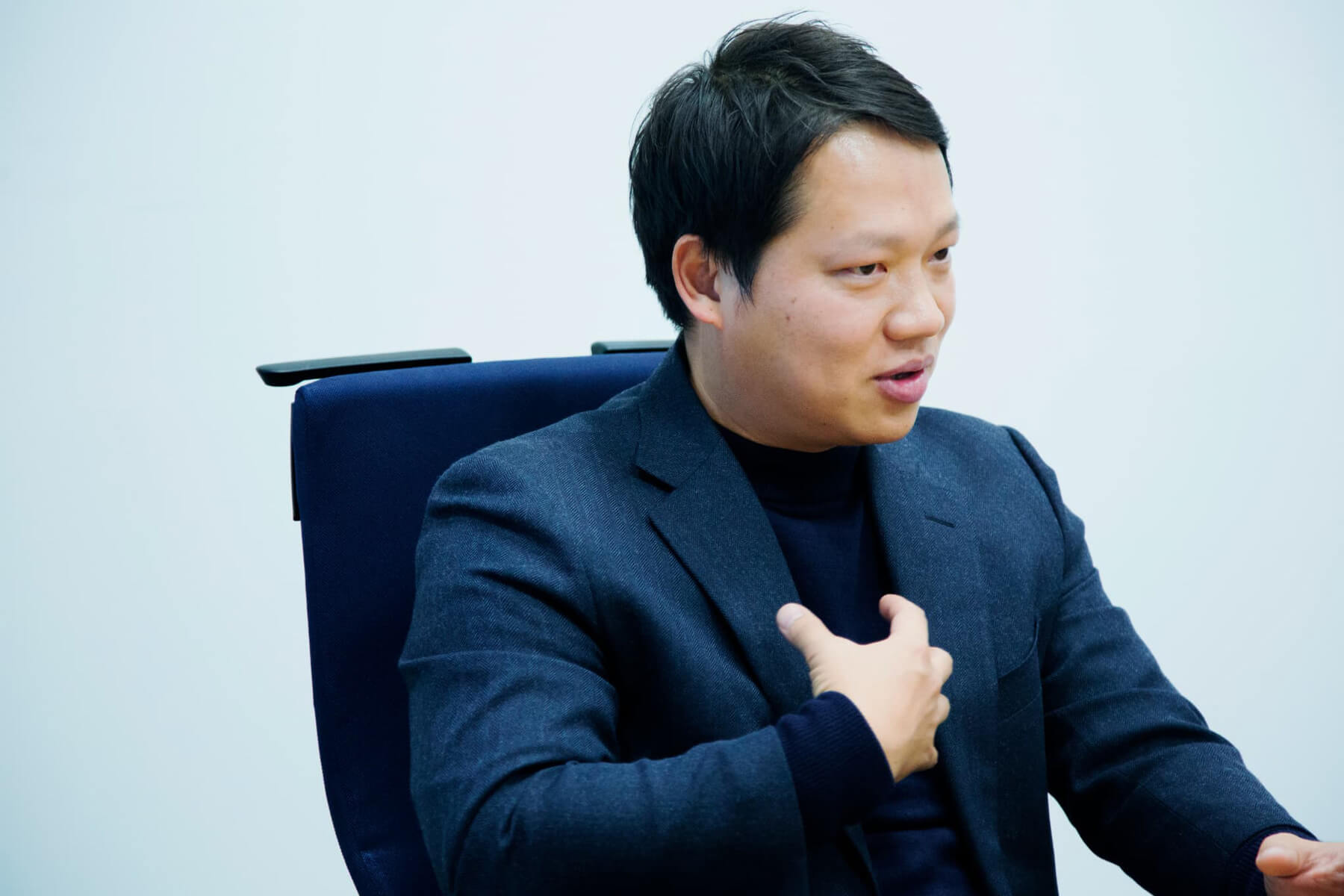
Ueda That advice really saved me. In my first year, I struggled to keep up with the pace of work. Watching my seniors fly around the world and make business decisions so quickly, I sometimes felt overwhelmed and even wondered whether I'd joined the wrong company. But Fukuda always told me not to proceed based on a superficial understanding but rather to grasp the essence of things before taking the next step. Trading activities are complex, including customer requirements, payment terms and logistics routes – everything has to be coordinated carefully for a deal to come together. Because Fukuda took the time to guide me so meticulously, I gradually was able to make decisions based on solid understanding, and that gave me confidence.
Fukuda At the same time, I think I also told you that it's important not to overthink things, and to sometimes just make a move. Trying to be perfect from the outset is often less efficient than learning by doing.
Nishitani That's something Ueda also taught me. He told me making that move is crucial: to just get started rather than hesitating.
From the trainee's perspective, what kind of support left the strongest impression on you?
Nishitani When I first joined the company, I struggled because I lacked a background in chemistry. But Ueda, who has a science background, answered my questions thoughtfully. He also shared handover documents created by a senior colleague who, like me, does not have a chemical background. Learning how to organize information – "this is how someone without a chemical background can approach it" – and replicate it was very reassuring. Another significant experience was being sent on a business trip to a manufacturing site in Vietnam. Seeing how products were actually made helped deepen my understanding greatly.
Ueda Going on that business trip to Vietnam on her own must have been quite a challenge for Nishitani as well. Personally, being seconded to a group company and later stationed in South Korea became real breakthroughs in my own career. I wanted Nishitani to take on challenges early on as well.
Was there anything you learned simply by watching your instructor at work?
Nishitani There was a case where, due to unforeseen circumstances, we had to revise the terms of a contract after it had already been concluded. Ueda negotiated with both the supplier and the customer, and in the end, resolved the situation in a win-win for both sides. I saw a potential crisis turn into an opportunity in that moment.
Ueda That really was a tightrope walk. If we try to force changes to a contract, we risk losing trust. I focused on carefully explaining the background and adjusting terms so that everyone would be comfortable with the outcome. In the end, both parties were satisfied, and the volume of subsequent business tripled.
Nishitani Ueda used to tell me over and over again that our job is only complete when both the supplier and the customer are happy. At that moment I finally understood what he meant.
Ueda Valuing relationships that extend into the medium and long term, rather than focusing solely on short-term profits, is something I learned under Fukuda when I was a new employee myself.
Fukuda I didn't come up with it on my own. It's rooted in Sumitomo’s Business Philosophy – such as pursuing integrity and sound management rather than easy gains – and this spirit forms the corporate ethos of Sumitomo Corporation, which prioritizes relationships of trust and sound operations over short term profit. I learned this as a benchmark for business judgment from my own instructor and superiors, and I've carried it forward. When problems arise and we find ourselves standing between multiple stakeholders, trust built up over time is indispensable in guiding the situation toward a resolution.
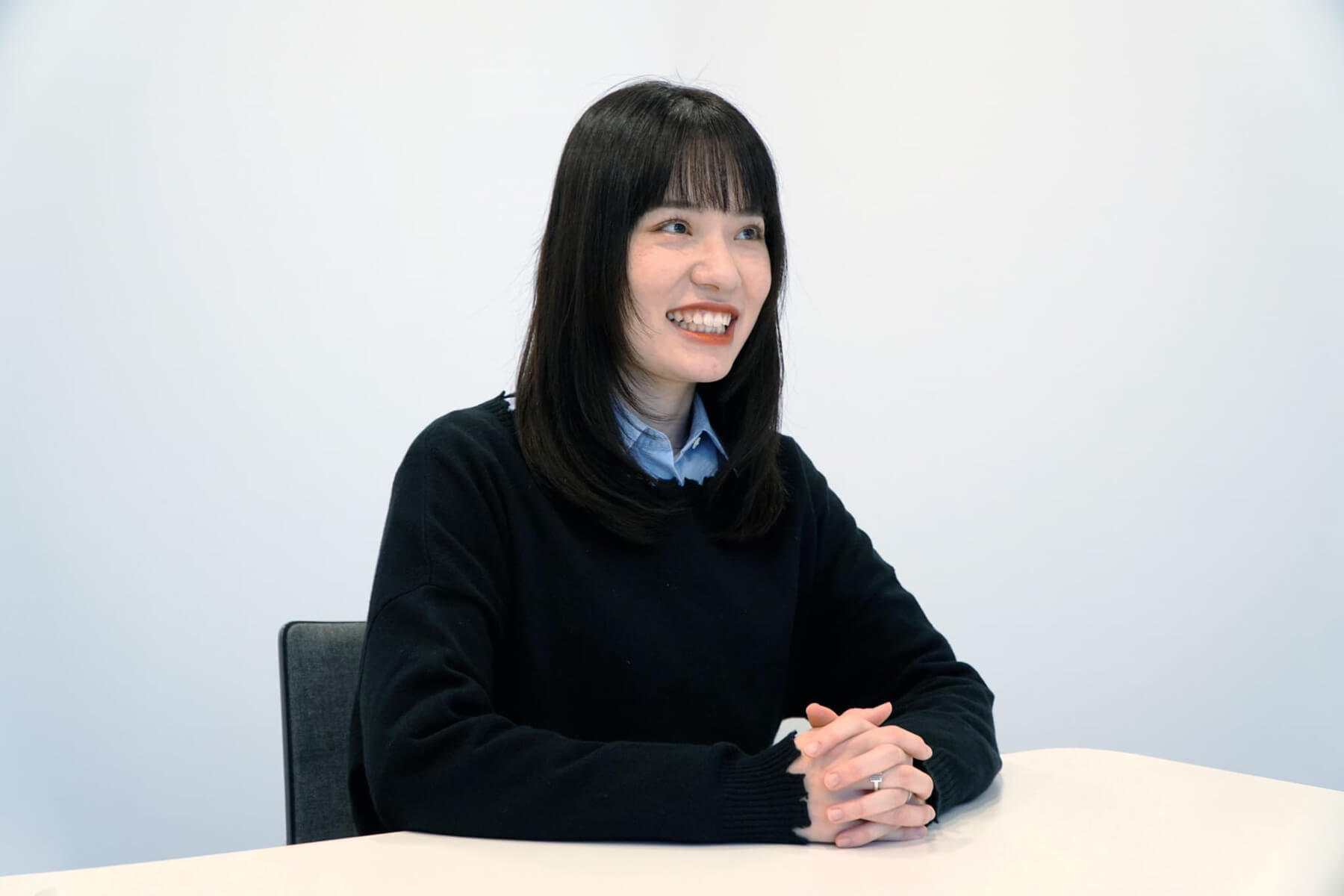
Nishitani Ueda also taught me the importance of communication as the foundation of trust. Trading depends on the support of many people, both inside and outside the company, so it's essential to keep connected daily and establish relationships so that you can help each other in difficult moments. When I was a new hire living in the company dormitory, I also made a point of establishing solid relationships with cohorts.
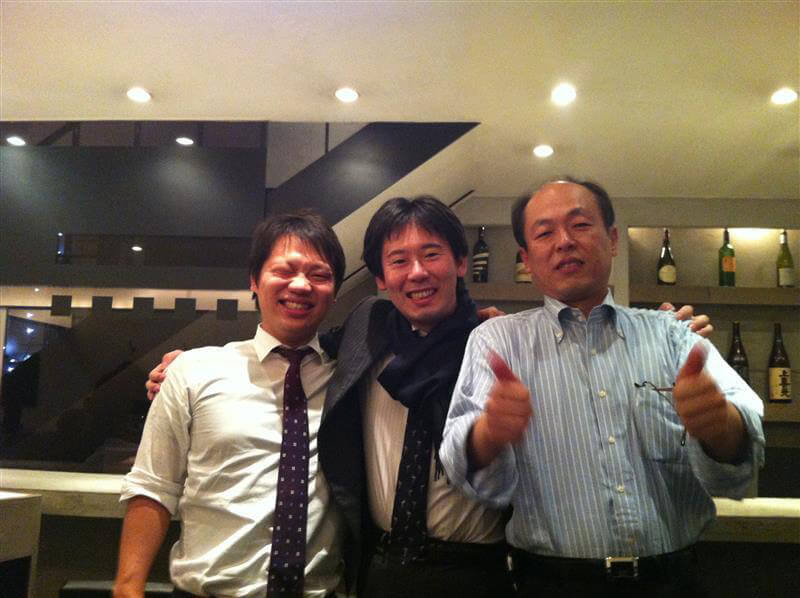
Ueda Fukuda really values human relationships. Even traveling overseas for work, he always makes time to meet people – something I deeply respect. That's why I've come to prioritize face-to-face interactions myself, even when I'm busy, and why I passed that message on to Nishitani as well.
A "Parent-Child" Bond as Foundation for Teamwork
Does the relationship between instructor and trainee continue after the formal instructing period ends?
Ueda I think the relationship is very much like that of a parent and child. You know that someone will step in and support you when needed. That sense of security allows people to persevere even in difficult situations.
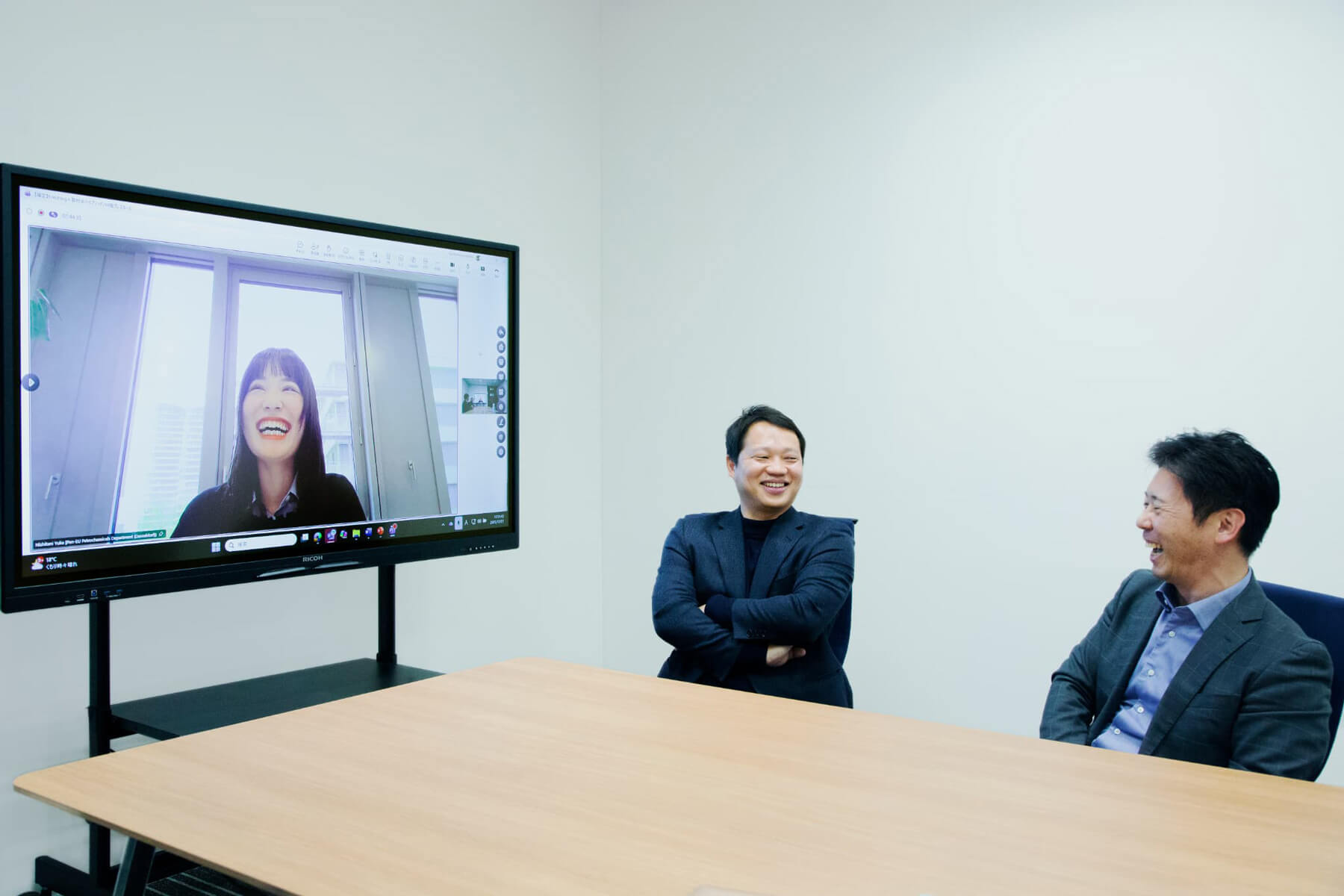
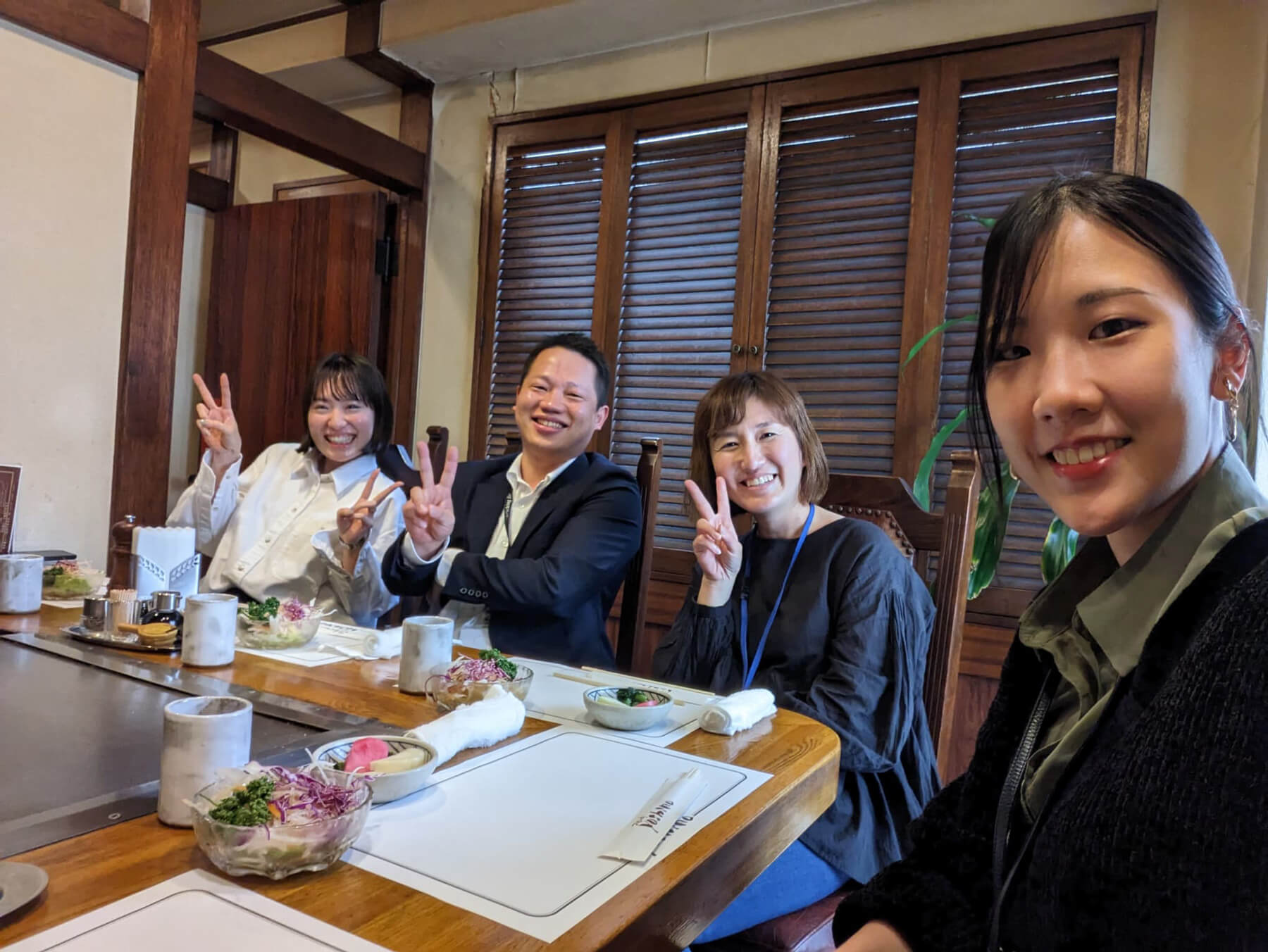
Nishitani Even after the instructing period ended, Ueda remains the person I turn to first, whether it's about my career or personal concerns. Before my recent career interview, I asked him for time to talk things through. Another appealing aspect of the instructor system is how it expands the internal network. Simply saying "I was instructed by Ueda" often leads people to say, "Reach out anytime if you need help." I've even gone out to dinner with Fukuda and Ueda together – three generations all together.
Fukuda I chose to join Sumitomo Corporation because I felt it was a company with a strong sense of teamwork, even during the job-hunting process. Twenty-five years later, that impression hasn't changed. I believe the instructor system is one of the foundations supporting that culture. It creates connections that wouldn't emerge through ordinary colleague relationships, and ways of working and core values are naturally passed from instructor to trainee. Over generations, those layers accumulate to form the company's work culture.
Based on your experiences, what do you see as the appeal of the instructor system?
Fukuda The greatest joy is seeing the trainee I've instructed grow and succeed. When I hear Ueda being praised within the company, it feels almost like my own achievement. Becoming an instructor also prompted me to reassess how I work, including my own scope of knowledge and ways of thinking.
Ueda I've gained many insights by becoming an instructor myself. Once you try it, you realize just how difficult it is to teach someone from scratch when there's a large knowledge gap. But that process became a valuable opportunity for relearning. I think both teaching and being taught are essential sources of growth. While instructing alongside my regular duties was sometimes challenging, it also made me deeply aware of how much time Fukuda had devoted to me, something I truly appreciate now.
Nishitani At Sumitomo Corporation, there are many senior colleagues who are courteous enough to truly listen to new employees' concerns, Ueda and Fukuda included. This culture of valuing people is one expression of "the Sumitomo way" fostered through the instructor system. When I become an instructor myself someday, I hope to demonstrate the importance of teamwork through my own words and actions, too.
Recommend
Culture
"About Enriching+": The Story So Far, and Where Sumitomo Corporation's Official Owned Media Is Heading Next
Culture
Never Standing Still: Medalist and Former Japanese Speed Skater Miho Takagi and Shingo Ueno on What It Takes for Individuals and Organizations to Keep Growing
Culture
Learning From the Besshi Copper Mines: Sumitomo’s Business Philosophy, Still Rooted in the Present

Culture
History Woven at the Besshi Copper Mines Over 300 Years: The Sumitomo Group's Origins
Culture
Sumitomo Corporation's Inter Office Training (IOT) as a Global Gathering of Peers
Culture
Enhancing Japan's Value on the Global Stage: The Goal-Driven Career Journey of a Sumitomo Corporation Alumni Who Founded a Global Startup in His 20s
Culture
The Importance of Seizing Opportunities: What Sumitomo Corporation President and CEO Shingo Ueno Told Junior and Senior High School Students at His Alma Mater
Culture
From Sumitomo Corporation to President of Tiffany Japan, the Sumitomo Spirit Lives On: "Passionate Beginners Can Outperform Experts"
Culture
Sumitomo Corporation corporate intro video now updated!

Culture
Diversity Meets Boundless Energy! "MIRAI LAB PALETTE" Co-Creation Hub Connected by an "Overzealous" Community Manager
Culture
Why Focus on Education Now? Sumitomo Corporation’s Social Contribution Activity Program "100SEED" and Its Ongoing Activities
Culture
Learning From Sumitomo Corporation's President, Five Rules That Reflect His Work Philosophy
Ranking

2026.8.13
Business
Collaboration With SCSK Is Key: Inside Sumitomo Corporation Group's DAIS (Digital & AI Strategy)
2025.4.7
Business
How Does Sumitomo Corporation Excel in Media and Digital Businesses? History and Transformation Explained
2026.2.9
Business
Using AI to Streamline Track Inspections: Sumitomo Corporation and 33 Railway Operators Take on Labor Shortages in the Rail Industry
2025.8.29
Business
Sumitomo Corporation's Soaring Commercial Aviation Business: Powered by the World's Second Largest Aircraft Leasing Operation

2024.5.20
Business
SUMMIT: Making Supermarkets in Japan More Enjoyable