- TOP
- Enriching+TOP
- Getting the "Immobile" Moving – Creating New Mobility Platforms Alongside Local Communities

Business
Getting the "Immobile" Moving – Creating New Mobility Platforms Alongside Local Communities
2026.3.30
Across Japan, mobility and logistics crises are becoming increasingly common ¬– "Bus services have been cut," "I'm too old to drive now" or "Packages can't be delivered." In response, Sumitomo Corporation is working to support everyday life in local communities by building next-generation mobility platforms centered on transportation solutions.
What does collaborative problem-solving look like when it brings together local governments, private companies, educational institutions and overseas startups with cutting-edge technologies, an approach made possible by the reach of an integrated trading and business investment company?
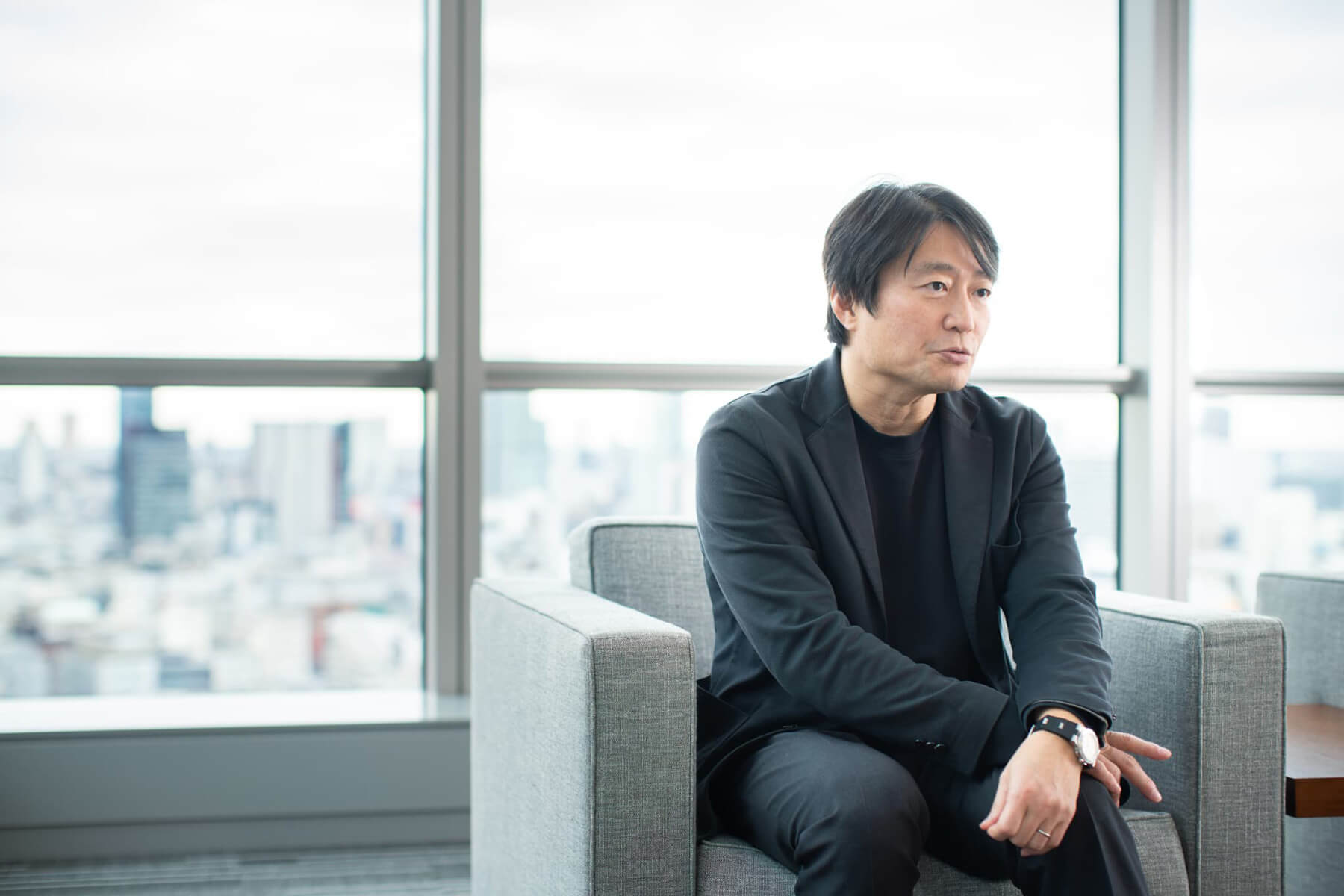
And what kind of future society lies beyond these efforts? We spoke with Takanori Otsuka, who oversees the Beyond Mobility SBU, a specialist organization developing new businesses under the theme of "mobility meets social issue resolution."
-
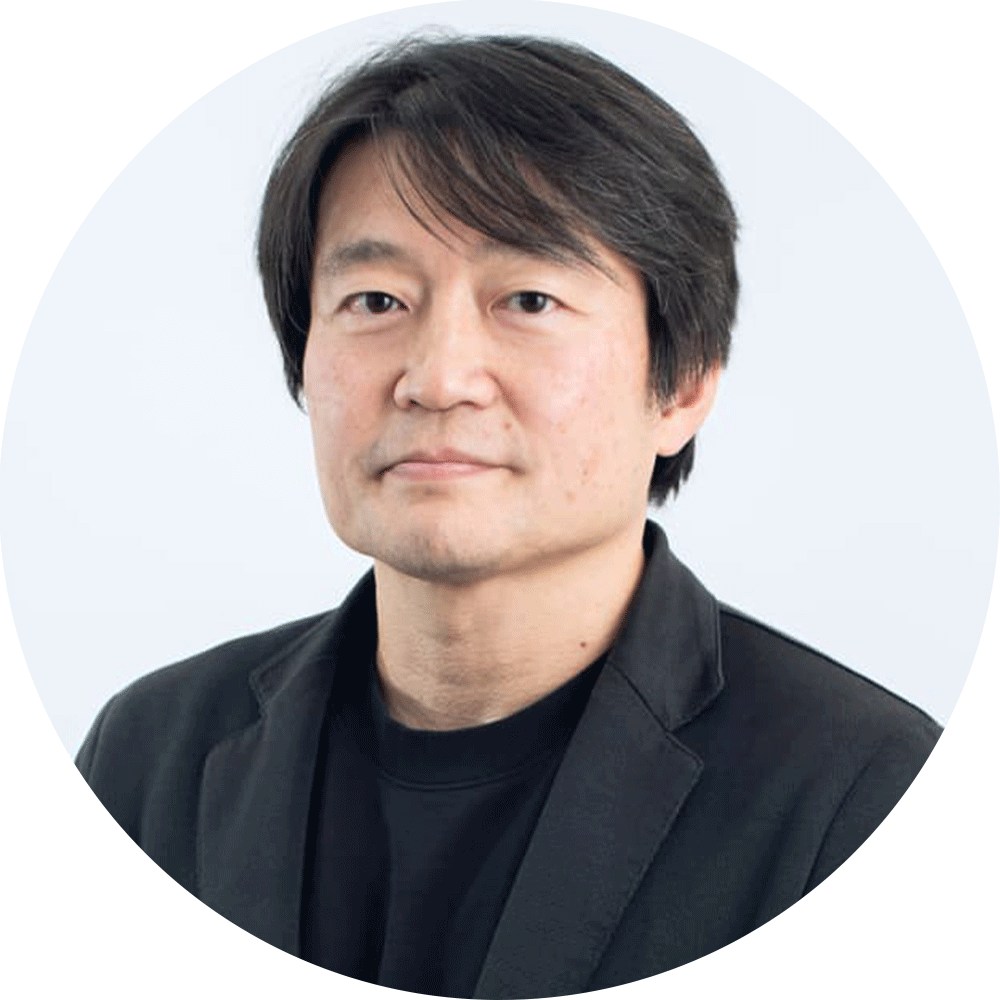
Head of Beyond Mobility SBU
Takanori Otsuka
Otsuka joined the company in 1998. After building experience in the aerospace sector, he moved to the automotive business in 2006. He was posted in Indonesia, Singapore and India, where he was involved in commercial vehicle manufacturing and automotive finance businesses. From 2019, he worked in India on new business development related to CASE (Connected, Autonomous, Shared & Electric) mobility. He assumed his current position in 2023.
Index
- The Sheer Importance of Solving Mobility and Logistics Challenges
- Creating New Forms of Mobility Across Domains and Timelines
- Mobility Networks, Expertise, and Technology: Co-Creation Only an Integrated Trading and Business Investment Company Can Deliver
- Advancing into the Unknown While Living with Uncertainty
- From Proof of Concept to Social Implementation: Growing the Seeds of Future Businesses
The Sheer Importance of Solving Mobility and Logistics Challenges
Why is the Beyond Mobility SBU focusing its business development efforts on mobility?
Today, population decline and an aging demographic are making it increasingly difficult to sustain regional bus services and logistics networks in many parts of Japan. In the passenger transport sector, driver shortages and declining profitability in public transportation are accelerating service reductions and route discontinuations. As a result, in rural areas where dependence on private cars is high, more and more people are finding themselves unable to shop easily, while increasing numbers of elderly residents are struggling to access medical care.
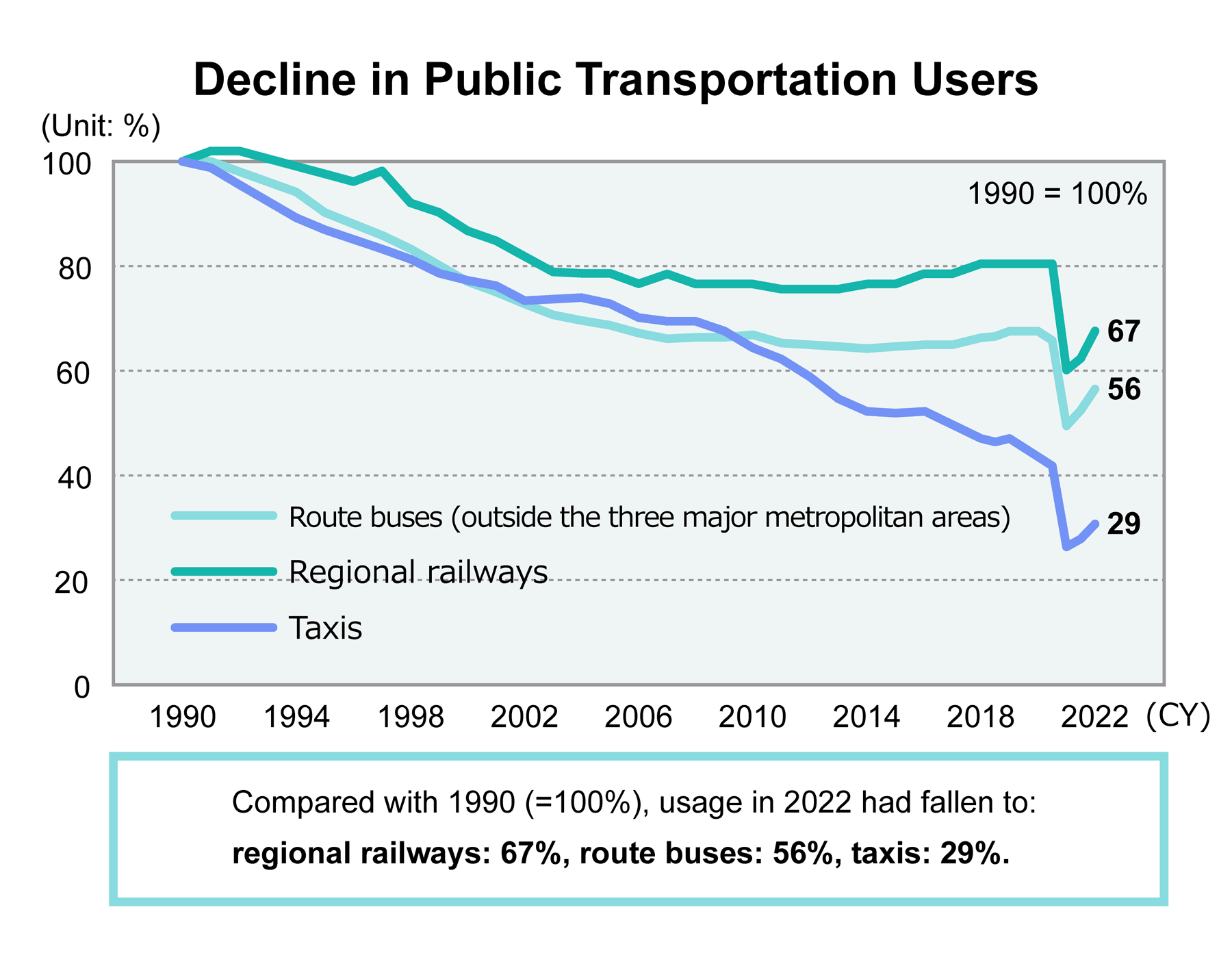
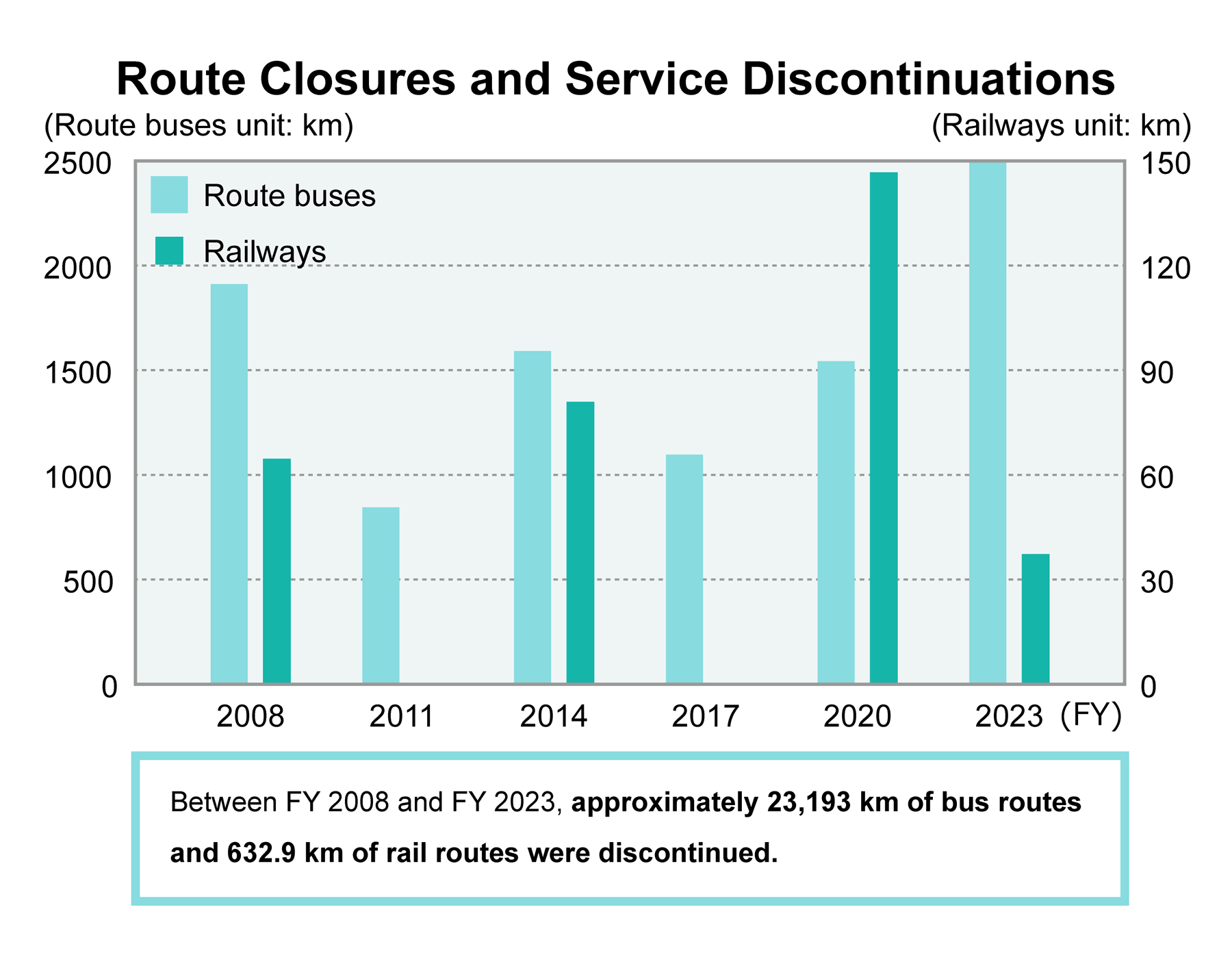
Source: Ministry of Land, Infrastructure, Transport and Tourism, Launch of the Public–Private Platform for Transportation Desert Resolution (November 25, 2024)
In logistics as well, shortages of warehouse workers and drivers, combined with the impact of tighter regulations introduced in 2024, are causing delivery delays and rising costs. Regional SMEs and local retailers are being hit particularly hard, weakening local economic vitality. Someone once told me that "traffic is the bloodstream of a town" – a phrase that has stuck with me. Today, preserving that bloodstream has become a matter of survival.
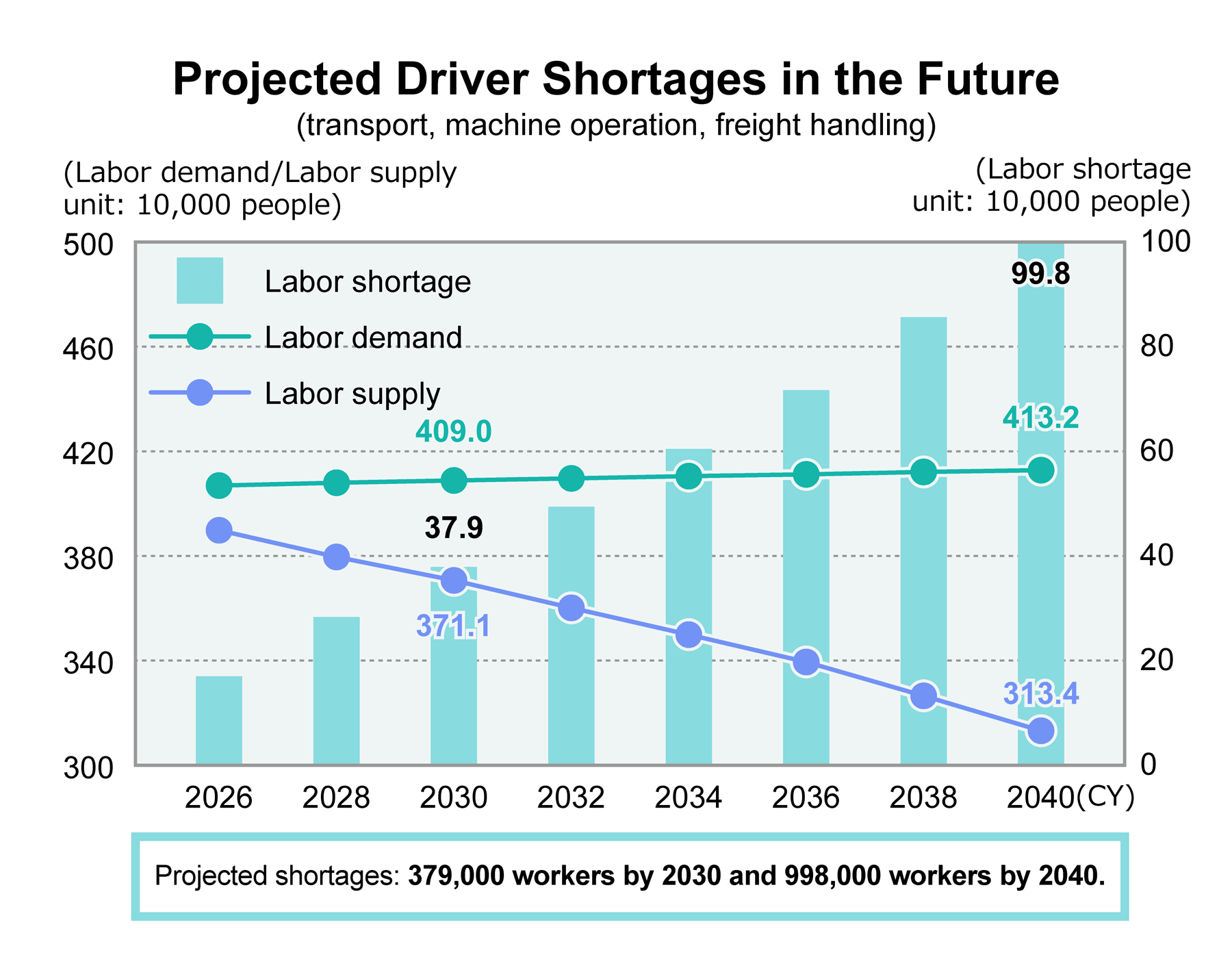
Source: Recruit Works Institute, Future Predictions 2040 in Japan – The Dawn of the Limited-Labor Supply Society (March 28, 2023)
That is why we aim to solve transportation and logistics challenges across Japan through new ventures created in collaboration with government agencies, businesses, and research institutions. Addressing transportation gaps and logistics challenges is a key policy priority for the national government, which is actively supporting joint public-private initiatives.
Creating New Forms of Mobility Across Domains and Timelines
What are the vision and mission of the Beyond Mobility SBU?
Our vision is to create new forms of mobility through technology, enabling people to live in ways true to themselves while supporting the sustainable development of local communities. Even in regional Japan, challenges differ greatly from one location to another. And within the same community, the needs of older residents differ from those of younger generations. Our mission is to respond to these individual needs while building business models that benefit local stakeholders. This is how we aim to contribute to the sustainable development of local communities.
What meaning is embedded in the name "Beyond Mobility"?
The word "Beyond" expresses our desire to surpass both existing domains and current timelines. In terms of domain, mobility includes not only today's cars, buses and taxis, but also emerging forms such as drones, flying vehicles and AI-equipped robots that are likely to become more widespread in future. We do not define mobility simply as a means of transportation. Rather, we see it as the full flow of people, goods, data and services in motion. By combining this concept with advanced technologies and industries, we aim to create entirely new forms of mobility.
At the same time, we also want to move beyond our present timeline. Rather than extending existing solutions incrementally, we want to work backward from an ideal future society and create entirely new business models.
What specific areas are you currently working on?
We are advancing projects along three main axes: automation and labor-saving, environment, and lifestyle. Under automation and labor-saving, this includes logistics warehouse automation using robots and AI, as well as autonomous driving initiatives. Regarding the environment, we support the introduction of EVs for bus and taxi operators, while also working on battery recycling and energy management to help realize a circular economy. For lifestyle initiatives, projects emerge more freely from team members' own ideas and are developed in collaboration with other SBUs and business units. Examples include AI-powered on-demand transport combining passenger and freight services*1,2, and community-based integrated care initiatives*3.
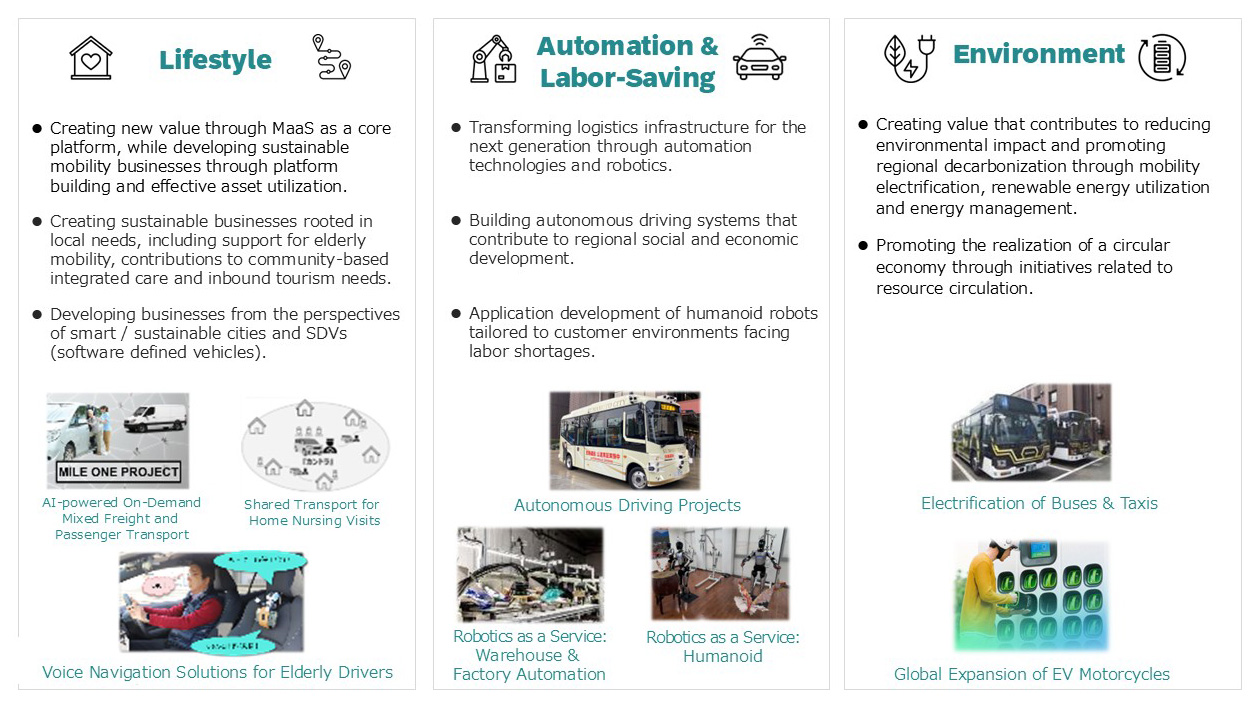
*1 Combined passenger and freight transport
A transport model in which passenger transport and freight delivery are carried out simultaneously using the same vehicle, making use of spare space or idle time in buses, taxis, railways, aircraft, and other passenger transport systems.
*2 AI on-demand transportation system
A transport system that uses AI-based dispatch optimization to calculate routes and allocate vehicles in real time for passenger pickup, collection, and delivery reservations.
*3 Community-based integrated care
A framework in which communities work together to build support systems so that elderly people can continue living in familiar surroundings in a way that reflects who they are, even when they require nursing care.
Mobility Networks, Expertise, and Technology: Co-Creation Only an Integrated Trading and Business Investment Company Can Deliver
What do you consider especially important in developing new businesses?
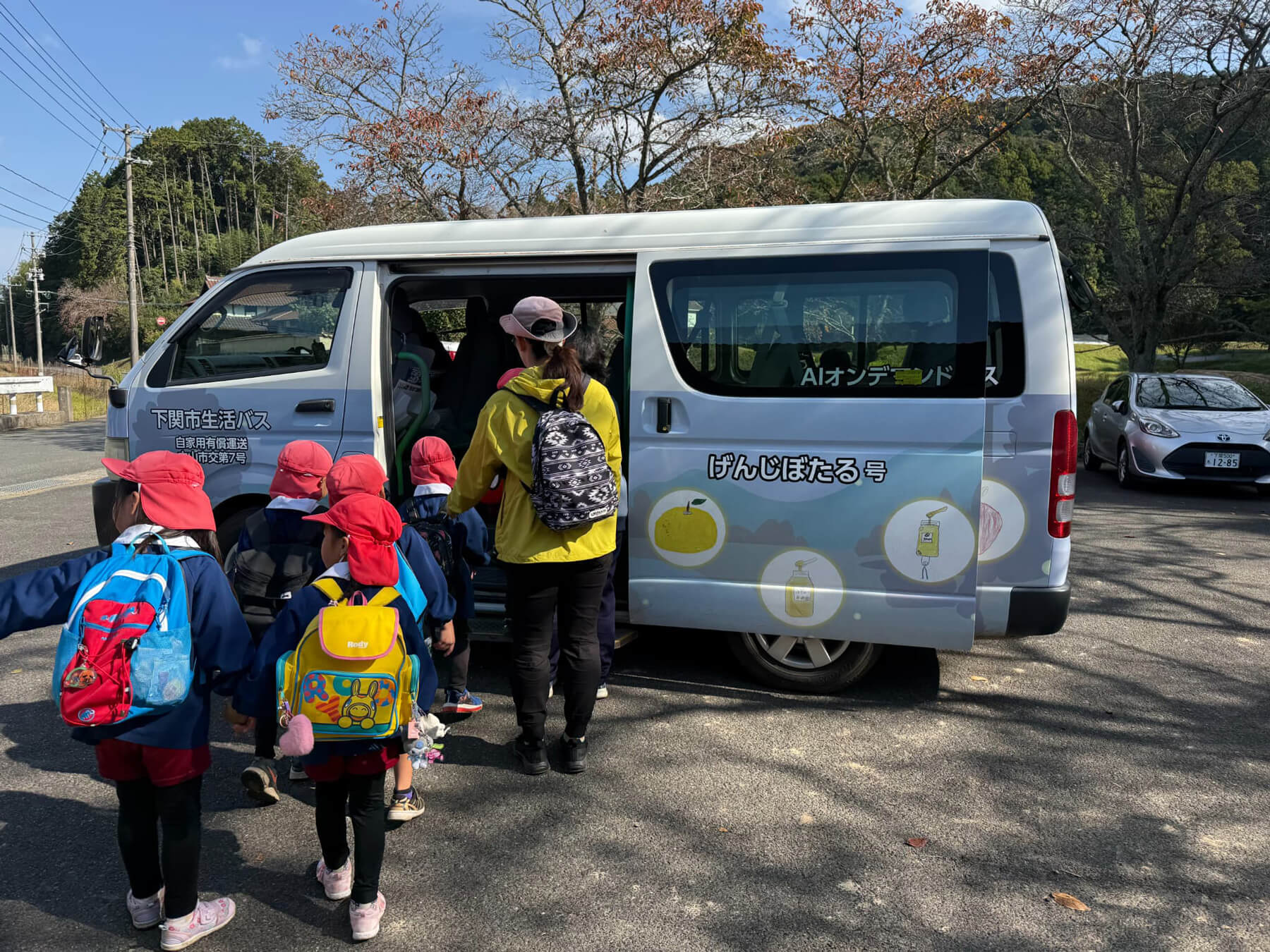
What we value above all else is understanding the realities on the ground. What challenges are local communities actually facing? New business ideas begin by listening carefully to the answers to that question. When launching the AI-powered on-demand transport project in Shimonoseki, Yamaguchi Prefecture, which combines passenger and freight transport, project members themselves rode local community buses and spoke directly with passengers and drivers, asking what difficulties they were experiencing. Together with officials from Shimonoseki City, more than 80 resident briefing sessions were held, while carefully continuing dialogue with transport operators, local supermarkets and hospitals, constantly thinking about what kinds of services were truly needed.
The sight of local children boarding an AI on-demand bus on their way to an outing, or the moment an elderly resident returning from shopping smiles and says, "This really helps." For me, these ordinary scenes are proof that our vision is truly being implemented in society. One resident once told us, "For elderly people like us, this bus feels like a dream. I hope it continues for years to come." That single comment became one of our greatest sources of encouragement. Today, usage has grown to four times that of the previous year, and the service continues to operate daily as an indispensable form of mobility.
Understanding these voices from communities across Japan would not be possible without colleagues deeply rooted in regional business, such as Sumitomo Mitsui Auto Service (SMAS), a group company that is Japan's largest auto leasing business, and regional Sumitomo Corporation Group companies throughout the country. By drawing on their local networks and maintaining close communication with municipalities on a day-to-day basis, we are able to connect regional challenges and needs to viable business opportunities.
Ultimately, what we aim to build is daily-life infrastructure centered on mobility, integrating transportation, logistics, welfare and disaster preparedness into a single framework. To achieve that, collaboration with government bodies, research institutions and a broad range of companies is essential. This means bringing together every available resource: cutting-edge technologies from around the world backed by the Sumitomo Corporation Group's corporate venture capital (CVC), the intelligence capabilities of SC-ABeam Automotive Consulting, our specialist automotive consulting company, and the digital expertise of SCSK, our group systems integrator. Bringing those resources together to assemble the right team to design business through co-creation is one of Sumitomo Corporation's greatest strengths.
Advancing into the Unknown While Living with Uncertainty
What kinds of daily obstacles do you face in bringing new businesses into society?
To be honest, success in new business development is rare. That is precisely why strong determination and motivation are essential: the willingness to continue experimenting even when the outcome remains uncertain. In that sense, I feel very fortunate that the Beyond Mobility SBU is made up entirely of people who voluntarily stepped forward because they wanted to take on something new, even knowing it would be difficult.
That said, no matter how socially meaningful an initiative may be, it cannot become sustainable unless it generates profit. For that reason, during proof-of-concept trials we establish project-specific KPIs to verify each initiative's viability as a sustainable business. Some projects clear those benchmarks and move forward as Sumitomo Corporation businesses; in other cases, we transfer them to operators better positioned to carry them forward. Whatever the approach, the ideal is always the same: to nurture systems that local operators can eventually manage independently and then see them spread nationwide.
From Proof of Concept to Social Implementation: Growing the Seeds of Future Businesses
Could you tell us about a representative sample of projects currently underway?
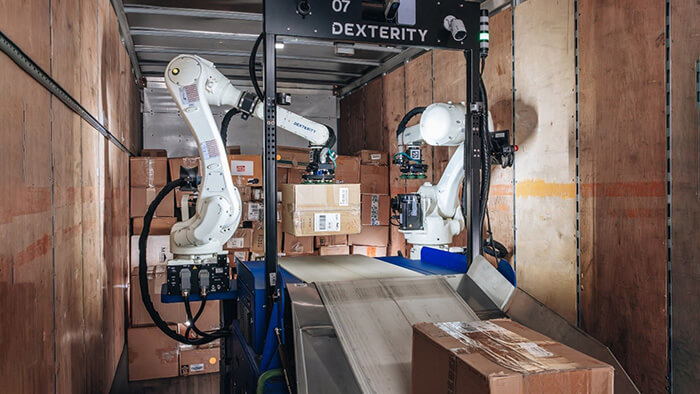
To address labor shortages in logistics, the use of AI and robotics is indispensable. For that reason, Sumitomo Corporation established a joint venture with Dexterity, a unicorn startup it invested in through its U.S. CVC operations. Through the venture, we're now advancing warehouse automation and labor-saving solutions using AI-equipped robots. Warehouse automation is progressing in Japan, but loading trucks has still largely depended on manual work by drivers. To address this, an innovative solution automates truck loading, and preparations are underway for deployment at domestic logistics centers.
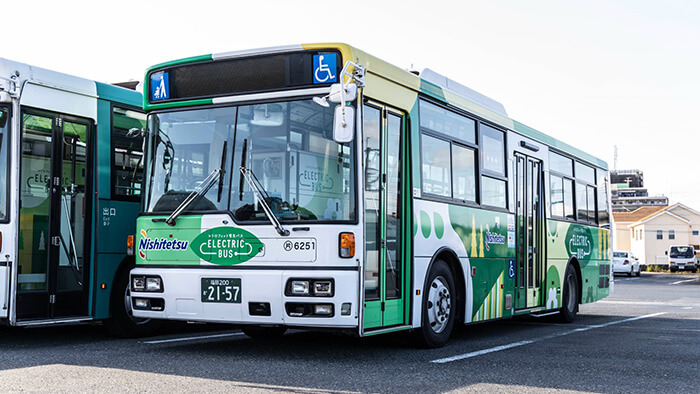
Another example making use of advanced overseas technology is the retrofit EV bus project being pursued in partnership with the Nishi-Nippon Railroad ("Nishitetsu") Group in Fukuoka. Using technology from Taiwan's largest EV bus manufacturer, RAC, the project converts diesel buses currently in service into electric buses. The project has already moved beyond the experimental phase, currently being expanded in the Kanto region under another department's core business operations.
-
-
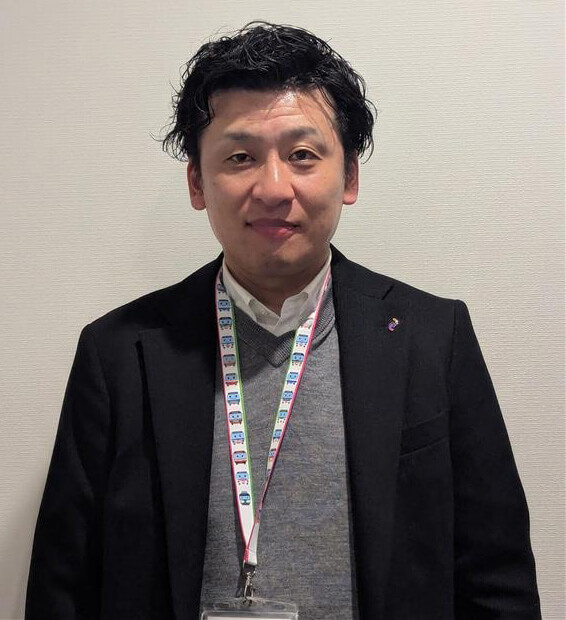
In the retrofit EV bus initiative, Sumitomo Corporation has taken responsibility for areas that would have been difficult for us to handle alone, such as identifying overseas technologies and structuring the business framework. Having a partner like Sumitomo Corporation, with its global network and business development expertise, has enabled us to move forward with initiatives aimed at decarbonization and sustainable public transportation.
(Satoshi Yasumaru, Section Manager, Technology Division, Automotive Business Headquarters, Nishi-Nippon Railroad Co., Ltd.)
You also mentioned projects developed in partnership with local governments, such as the proof-of-concept trial in Shimonoseki, Yamaguchi Prefecture.
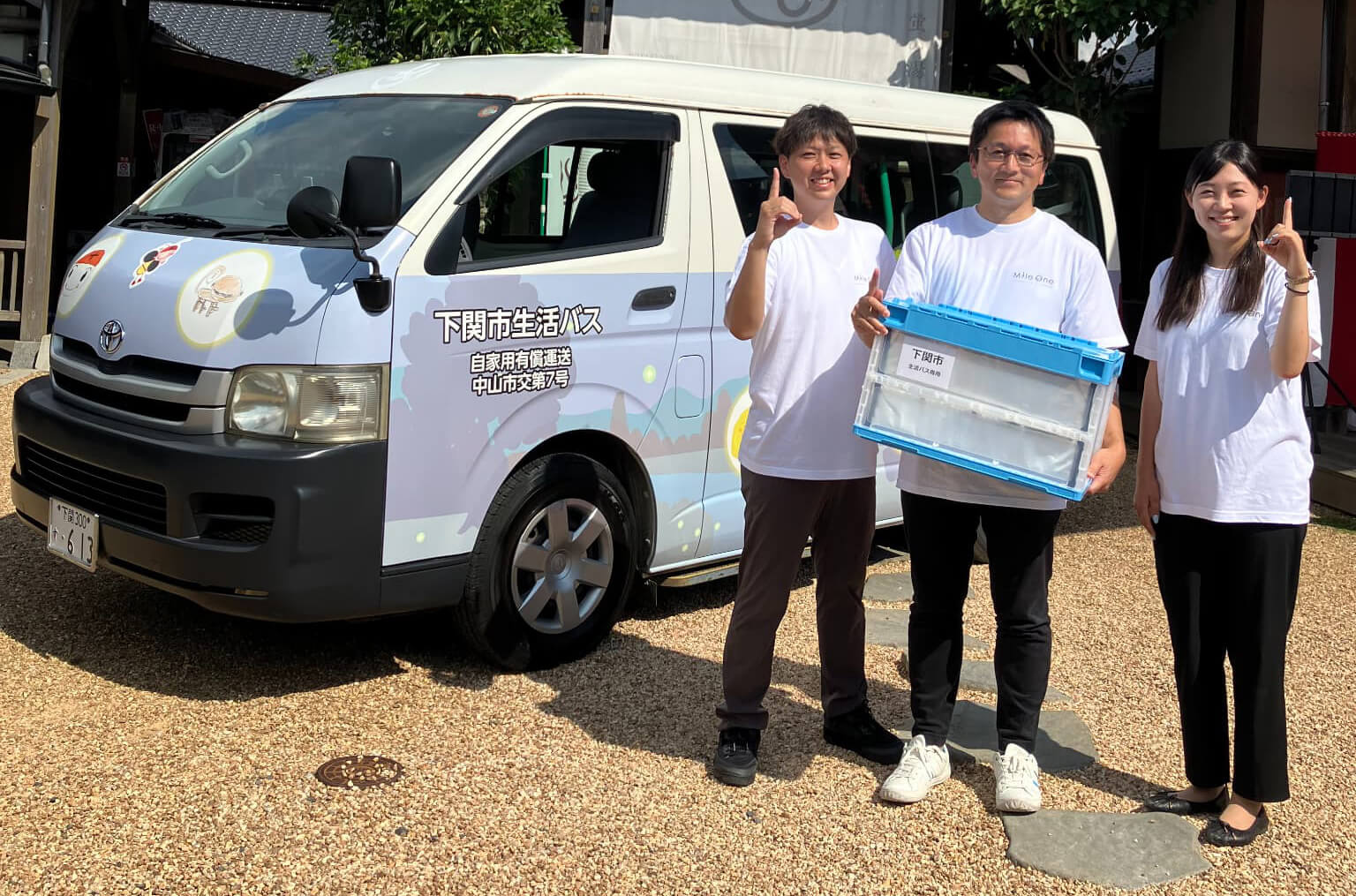
Yes, that is the proof-of-concept trial for "Mile One," which combines an AI on-demand transportation system with mixed passenger-freight transport. Based on reservations made by users, vehicles are optimally dispatched in real time, enabling both people and goods to be transported by a single vehicle. Through this project, we aim to provide a regional mobility service that is efficient while making both passenger movement and logistics sustainable.
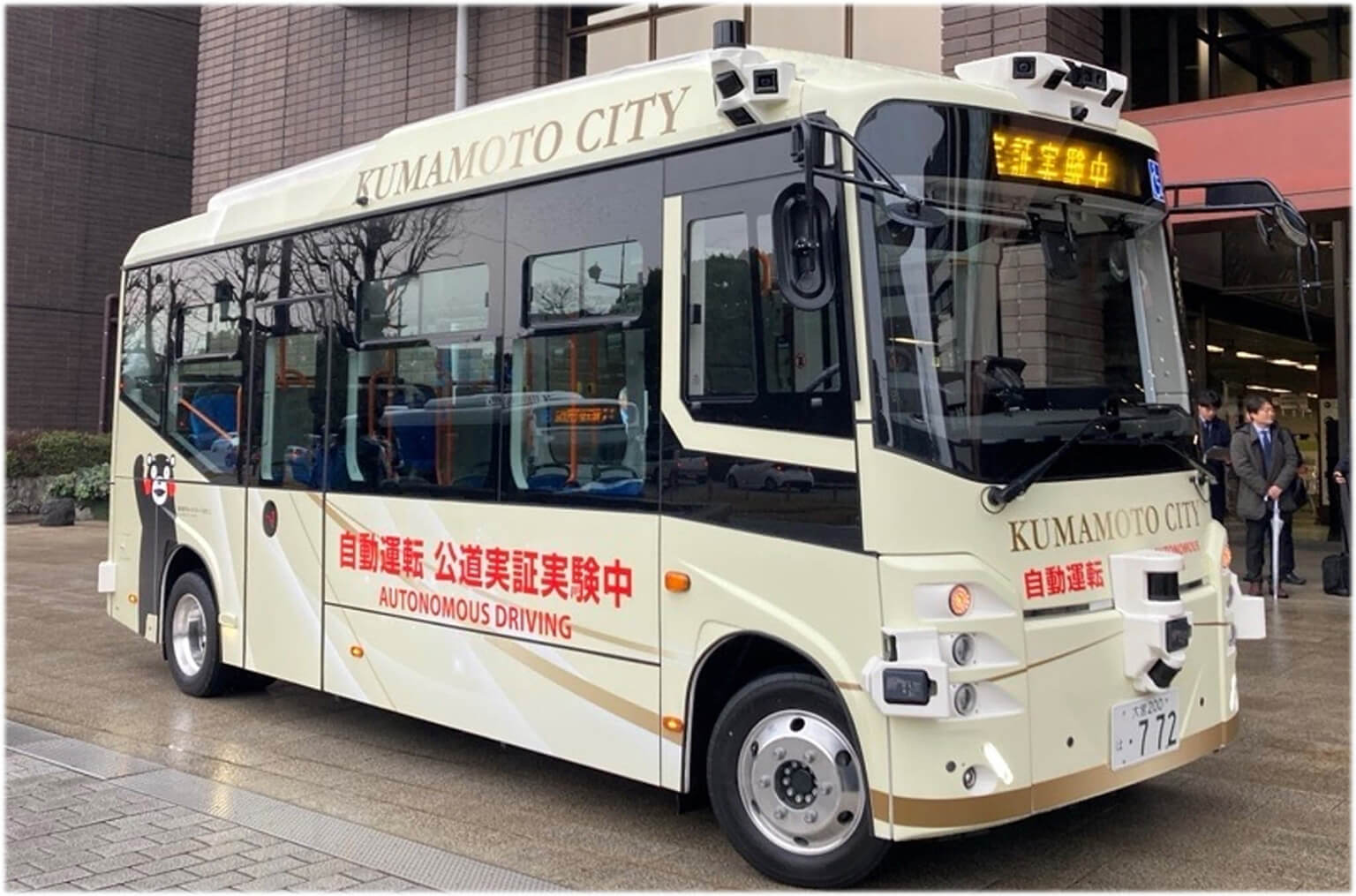
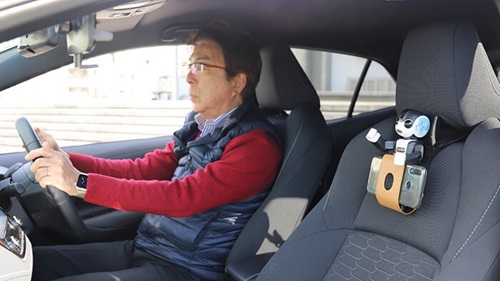
Further, in Kumamoto, five organizations including Sumitomo Corporation are working with the city government on a Level 2 autonomous bus proof-of-concept project as a public-private initiative. In Osaka, meanwhile, we are working with Nagoya University and local driving schools on a proof-of-concept project for elderly driver support solutions using mobile robotic systems.
In conclusion, what are your aspirations moving forward?
Mobility is the foundation of all regional logistics and a lifeline that supports daily life in Japan's regional communities. Maintaining local transportation infrastructure also strengthens preparedness for emergencies, including transport during disasters. To create future forms of mobility that support these areas, we will continue planting the seeds of new businesses and boldly pursuing commercialization. Please look forward to what comes next.
Recommend
Business
Bringing "From Ownership to Use" Even Closer. The World Envisioned by Car Subscription Service KINTO
Business
SMAS(Sumitomo Mitsui Auto Service ) Makes it Happen! Introducing EVs and Working Toward Decarbonization
Business
Can Truck Loading Be Automated? Sumitomo Corporation Meets Next-Generation Robot AI for Logistics Revolution
Business
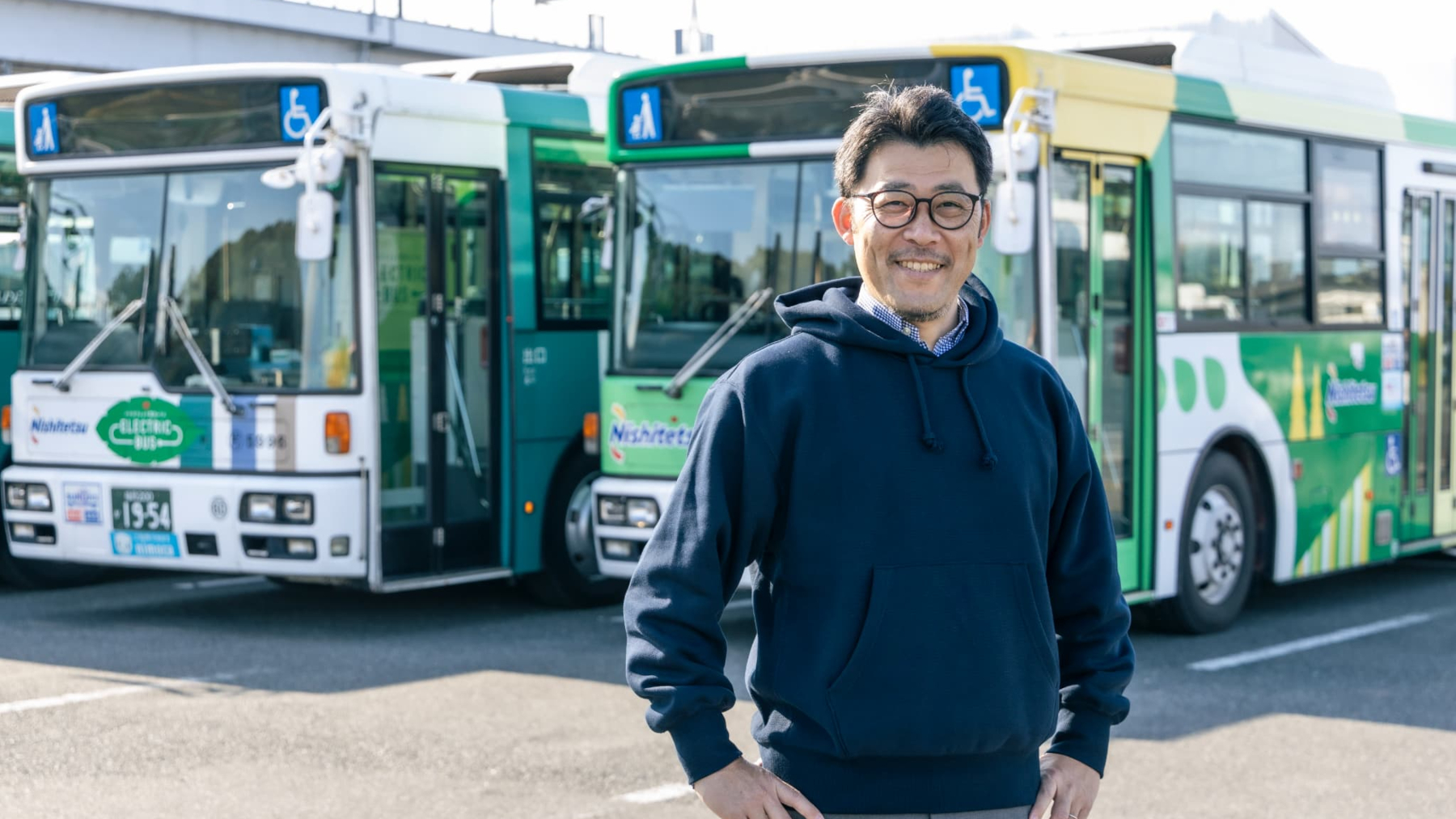
Sumitomo Corporation × Nishitetsu's Challenge to Retrofit EV Buses: A Developer Shares Their Passion for the Project
Business
Indian Company and Sumitomo Corporation Team Up to Solve Engineer Shortage in Automotive Industry
Business
Automotive Parts Manufacturer Kiriu Takes on the Challenge of Achieving Carbon Neutrality
Business
Mobility business of Aimo Park, which provides convenient services combining car sharing and car parking
Business
Our reliable technology and development capabilities sustain the rapidly changing automotive industry ── Automotive brake components business
Business
Continuing to provide the best quality with masterful techniques in the rapidly changing automotive industry
Business
Mobility service businesses pursuing the future possibilities of cars
Ranking

2026.8.13
Business
Collaboration With SCSK Is Key: Inside Sumitomo Corporation Group's DAIS (Digital & AI Strategy)
2025.4.7
Business
How Does Sumitomo Corporation Excel in Media and Digital Businesses? History and Transformation Explained
2026.2.9
Business
Using AI to Streamline Track Inspections: Sumitomo Corporation and 33 Railway Operators Take on Labor Shortages in the Rail Industry
2026.7.9
Business
Turning CO2 and Silicon-Based Waste into Silicon Carbide: Tohoku University and Sumitomo Corporation Reimagine Materials Supply

2024.12.3
Business
Sumitomo Corporation Supports Regional Healthcare in Malaysia: Becoming the Country’s Leading Clinic Network