- TOP
- Enriching+TOP
- Never Standing Still: Medalist and Former Japanese Speed Skater Miho Takagi and Shingo Ueno on What It Takes for Individuals and Organizations to Keep Growing
Culture
Never Standing Still: Medalist and Former Japanese Speed Skater Miho Takagi and Shingo Ueno on What It Takes for Individuals and Organizations to Keep Growing
2026.7.29
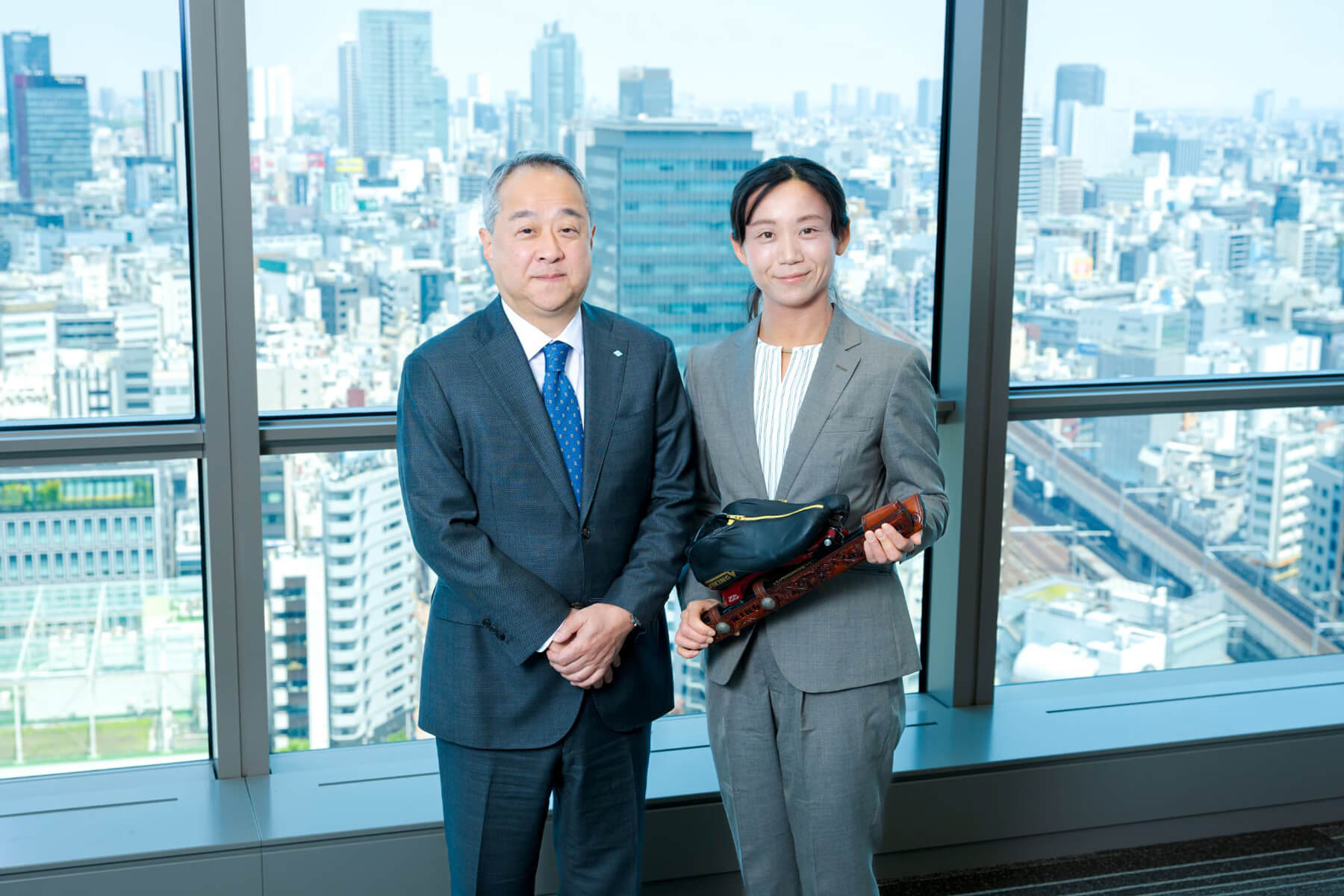
What parts of our lives should we refine to keep growing amid constant change? Drawing on her experience that "standing still means falling behind," medalist and former Japanese speed skater Miho Takagi reflects on the importance of continual renewal and having a clear vision of the person you want to become. Shingo Ueno, President and CEO of Sumitomo Corporation, discusses the reality that while strong teams matter, critical moments ultimately depend on individuals, as well as the importance of accountability and dialogue. Time away from work broadens our horizons, and while AI may be a powerful tool, human judgment remains indispensable. Through the shared perspectives of elite sports and corporate leadership, today we explore how individuals and organizations can continue to grow.
This article is an edited excerpt of a sponsored feature originally published in the Nikkei Business Digital Edition Special on June 18, 2026 and is reproduced here with permission from Nikkei BP.
-
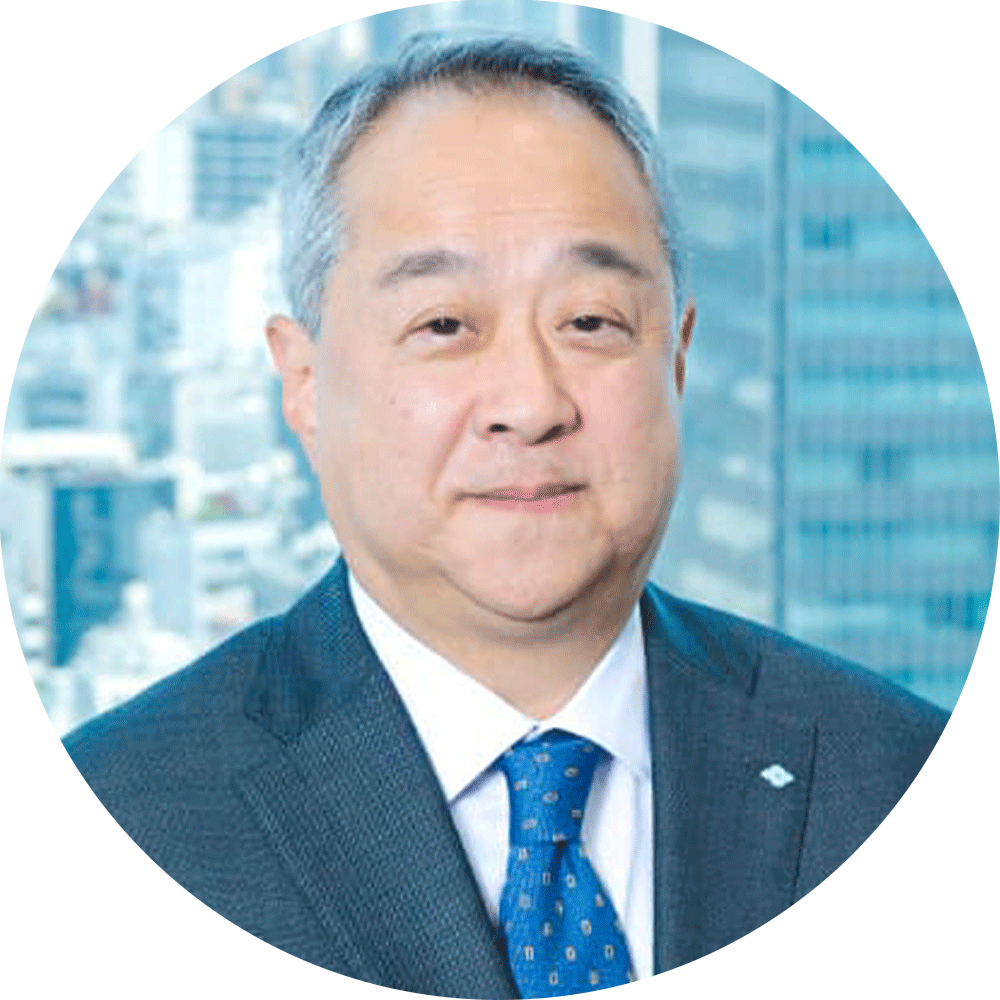
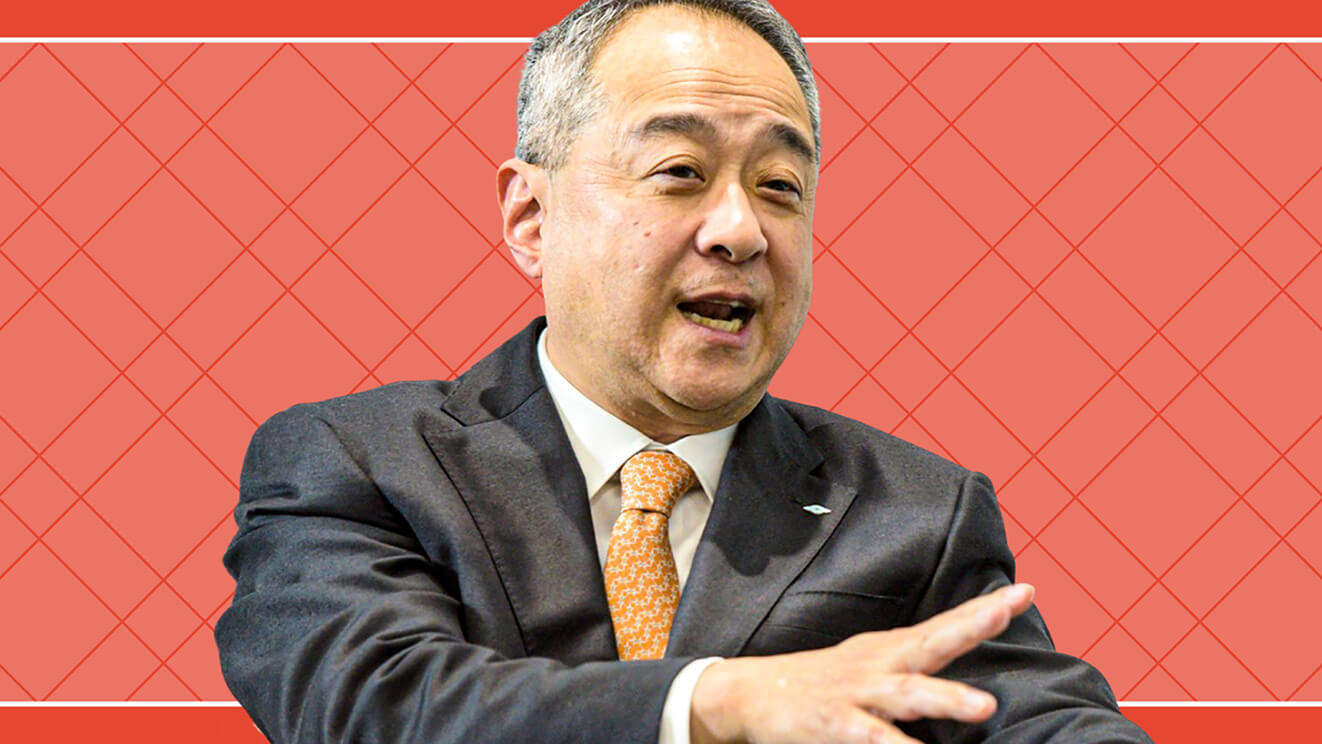
Representative Director, President and Chief Executive Officer, Sumitomo Corporation
Shingo Ueno
Ueno joined Sumitomo Corporation in 1982. After serving as Head of the Steel Tubular Products Division in Europe and Head of the Steel Tubular Products Group in North America, he was appointed Executive Officer and General Manager of the Energy Division in 2013. He later served as Managing Executive Officer and General Manager for the Americas in 2017, Senior Managing Executive Officer and Group CEO of the Mineral Resources, Energy, Chemical & Electronics Business Unit in 2019, and Executive Vice President in 2021. He assumed his current position in 2024.
-
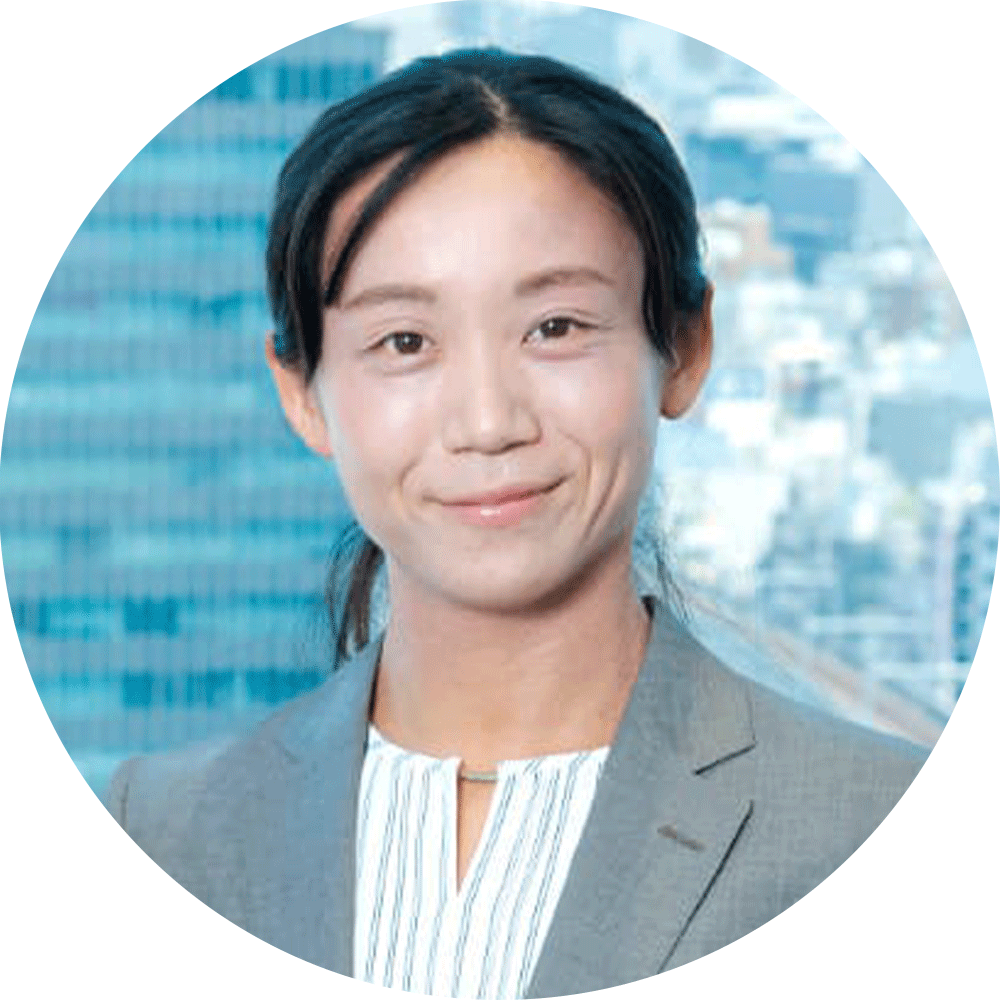
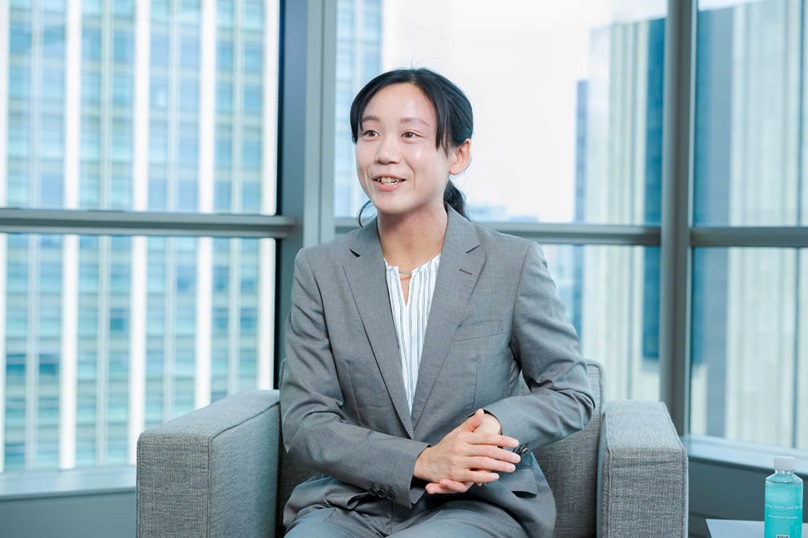
Medalist and Former Japanese Speed Skater
Miho Takagi
Born in Hokkaido in 1994, Takagi began speed skating at the age of five and made her Olympic debut at the Vancouver Olympics when she was just 15. At the PyeongChang Olympics, she won gold, silver and bronze medals and became the first Japanese skater to win the World Allround Speed Skating Championships. As captain of the Japanese team, she won four medals at the Beijing Olympics. At the Milan Olympics, she added three bronze medals, bringing her career Olympic total to 10: the most ever by a Japanese female athlete. She holds the world record in the 1,500 meters and has received numerous honors, including the Medal with Purple Ribbon. She retired from competition in April 2026.
Index
- "Improving the Quality of Time": What Takagi Told New Recruits at the Sumitomo Corporation Entrance Ceremony Shortly before Retirement
- With a Foundation of Team Unity, Individuals Are Ultimately Tested in Critical Moments
- The Power to Envision in the Age of AI – The Joy of Thinking
- Standing Still Means Falling Behind: Always Strive for Greater Heights
- From Blaming Others to Taking Responsibility: People Gather Around Those Who Take Ownership
- Creating Social Value Drives Sustainable Growth
"Improving the Quality of Time": What Takagi Told New Recruits at the Sumitomo Corporation Entrance Ceremony Shortly before Retirement
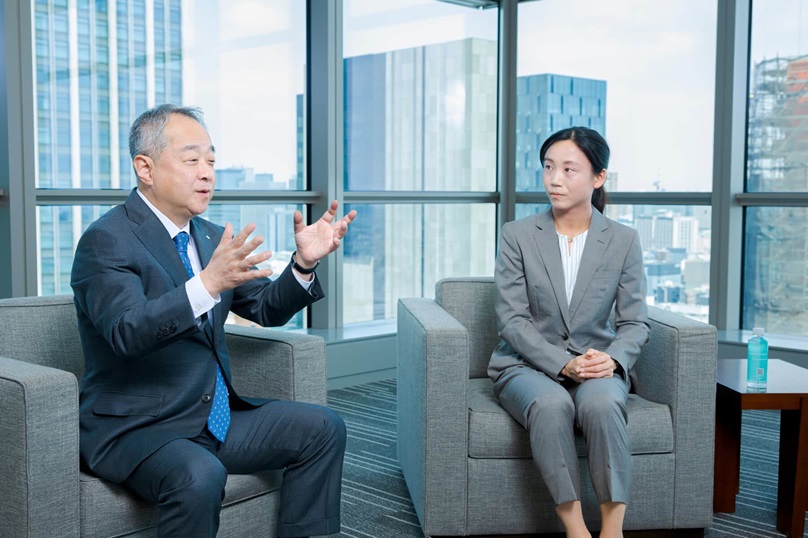
Ueno Thank you again for speaking at Sumitomo Corporation's entrance ceremony this April.
Takagi It was actually my first opportunity to engage with a company in that kind of setting. It also happened to coincide with a turning point in my skating career, so I found myself reflecting on my strengths and what I wanted to carry forward into the next stage of life. As I did, the word "time" kept coming to mind. Throughout my career, I focused on improving the quality of my training time and how I spent the hours outside training, whether through nutrition, sleep or recovery, as a way of differentiating myself from other athletes. That was the message I wanted to share.
Ueno It was a memorable speech. The message I'm currently sharing with our employees is about how we use our time. If someone who used to work late every evening can leave on time instead, they gain hours they can use more effectively. Those hours don't need to have anything to do with work. In fact, it's probably better if they don't. I believe that kind of time enriches people and makes them more interesting and well-rounded.
With a Foundation of Team Unity, Individuals Are Ultimately Tested in Critical Moments
Ueno Let me start with a question. You were part of Japan's national team and also helped establish a team made up of athletes from different countries. Speed skating is generally seen as an individual sport, but it clearly has a team dimension as well.
Takagi Absolutely. To compete at a high level, athletes need support not only from coaches, but from managers, trainers and others who help them maintain peak physical condition. With four or five staff members often supporting a single athlete, that's demanding both financially and in terms of securing talent. That's why I came to feel very strongly that even in an individual sport, people need to come together as a team. The interaction and mutual support that come from being part of a group are essential for each person to reach their full potential.
Ueno So individual strength within a team. Speaking of teams, Sumitomo Corporation places great importance on setting a clear direction and advancing together. At the same time, since becoming president, I've been telling employees that individual capability matters more than people sometimes realize. When you're negotiating with a customer, sometimes one person represents the company alone. How that individual responds in that moment depends entirely on their own ability. Because teamwork is already deeply embedded in our culture, I believe strengthening the team ultimately requires strengthening the individual.
Takagi That's true. On your own, it's difficult to judge your growth except by your own standards. In a team environment, when you see someone pulling ahead, you start asking yourself what's missing and what you need to improve. Alone, it's easier to become complacent.
Ueno In companies, the bonds formed among people who join in the same year often last throughout their careers. Those relationships can be a source of motivation and healthy competition. It sounds similar to the role teammates play in helping athletes improve.
Takagi Hearing you talk about that reminds me how important the people who can challenge you, inspire you and push you to become better are. At the same time, one challenge I had on the national team was figuring out what I should be passing on to younger athletes when everyone's level of motivation and commitment was different. In a large company, how do you communicate effectively across such a diverse organization?
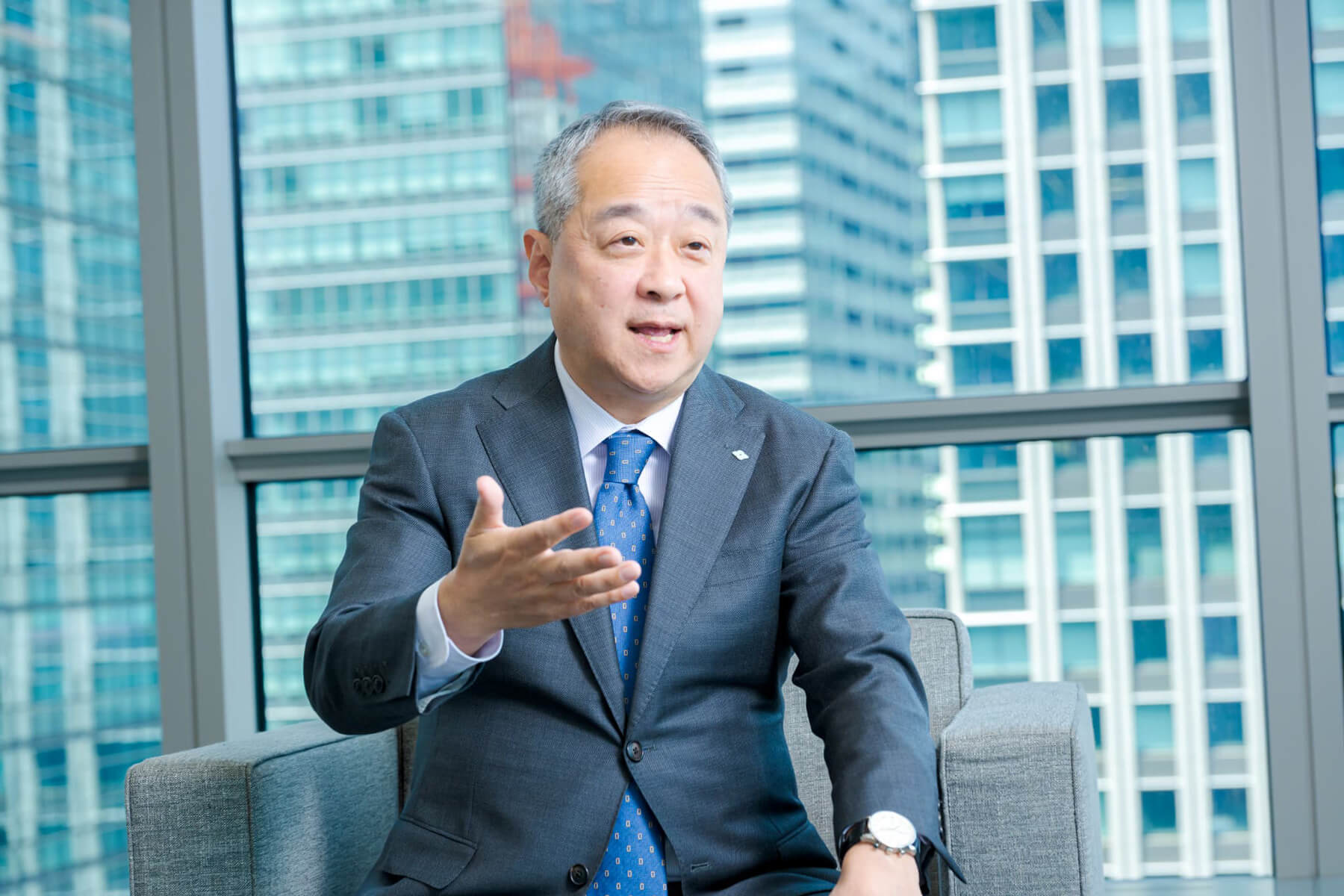
Ueno One of my personal goals is to speak with every employee. Rather than standing at a podium and talking down to people, I hold sessions called SHINGO CAFÉ, where I sit with around 30 employees on a level playing field to talk openly about how they're feeling. We've held roughly 70 sessions so far. In reality, messages can become distorted as they move through layers of an organization. When I go out and listen directly to people on the front lines, I often realize they're interpreting things very differently from what I intended. Those conversations make that gap immediately apparent. Once we understand each other, the next question becomes what strategies, systems and ways of thinking we should introduce to help the company continue growing. That's what keeps me constantly thinking.
Takagi Presidents are incredibly busy. The fact that you make time for those conversations is impressive in itself.
The Power to Envision in the Age of AI – The Joy of Thinking
Takagi One strength I believe I developed through my skating career was the ability to think deeply. Now that I've retired, I'd like to help children discover the joy of thinking. As AI becomes increasingly prominent, the need for people to think for themselves will become even greater.
Ueno I think you've put your finger on something essential. AI is advancing rapidly, and I use it all the time myself. It's an excellent tool for improving efficiency, but I don't think it has all the answers. Ultimately, human beings must make the decisions. I'd hate to see a world where people excuse failures by saying, "AI told me to do it." You spoke about thinking ability. The term I often use is "envisioning" – the ability to imagine possibilities. It starts with a dream that you shape into a business concept and eventually turn into reality. Whenever we create something new, that capacity to envision what does not yet exist is essential.
Takagi Learning begins with role models. By combining what we've learned from different sources, we generate new ideas. But in sports, athletes must decide whether those ideas are good or not and put the good ones into practice – they're ultimately executed through the body. That's why it's so important to acquire knowledge and experience and retain those lessons. If you stop thinking or making your own decisions, the difference becomes visible – and growth comes to a halt.
Standing Still Means Falling Behind: Always Strive for Greater Heights
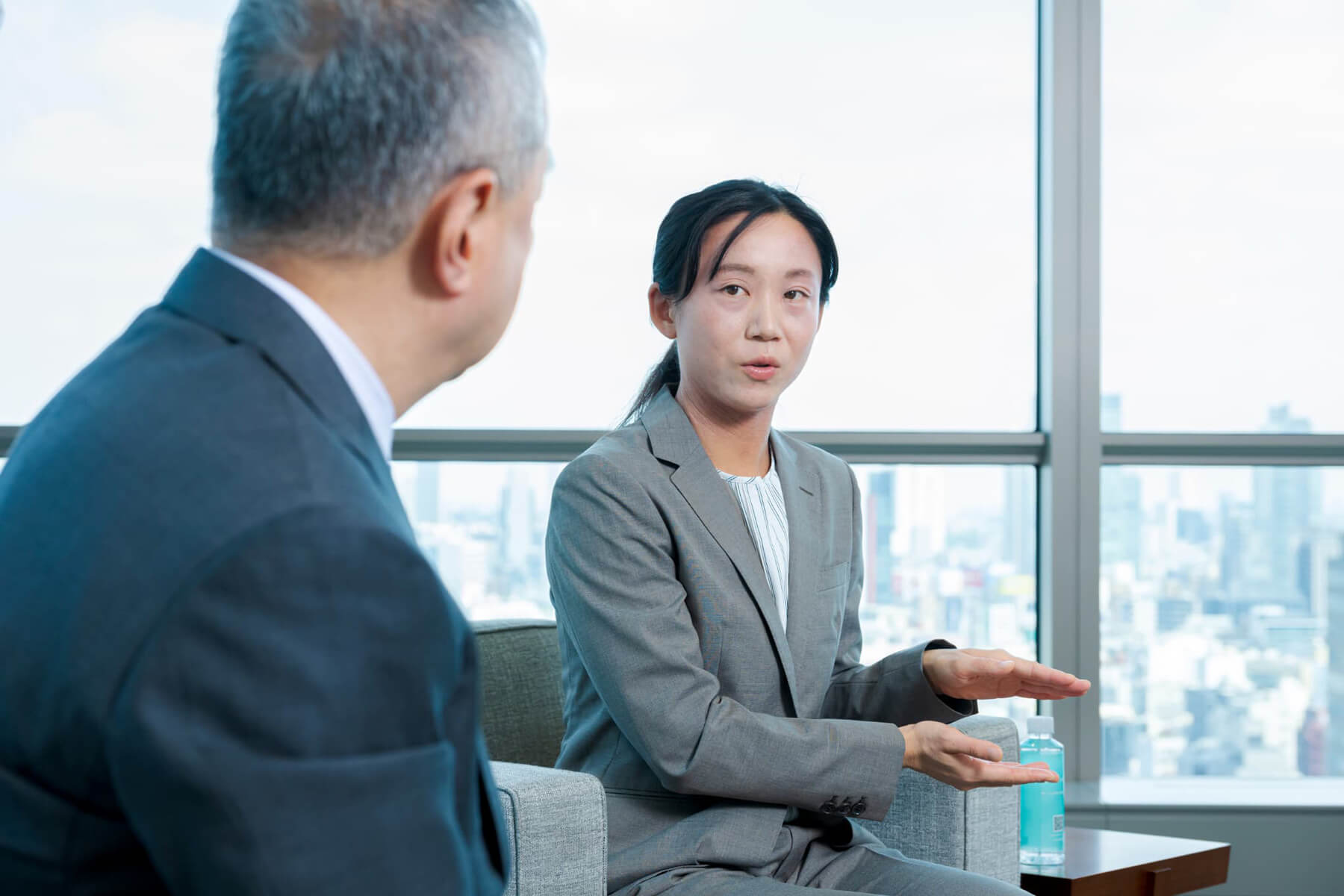
Takagi About 12 years ago, I was not selected for Japan's national team. At the time, I had just entered university and my life had changed dramatically. But I decided that the one thing I wouldn't change was my approach to skating. I stopped being receptive to what coaches were trying to teach me and became determined to stick to my own way of doing things. Looking back, that wasn't even maintaining the same level: it was regression. In sports, your body changes every day. Simply repeating the same routine doesn't allow you to maintain the status quo. In other words, if your goal is merely to stay where you are, you're already moving backwards.
Ueno It’s exactly the same in business. Competitors evolve. Society evolves. Companies must evolve alongside them. That's why I continually tell our employees to aim higher. The moment we become comfortable and say, "Things are fine," we risk falling behind the changes taking place around us. And once that happens, we're already declining.
From Blaming Others to Taking Responsibility: People Gather Around Those Who Take Ownership
Takagi During periods of struggle, there were times when I blamed others. I'd think, "Such and such is not doing their job properly and is preventing my success." But in reality, I was avoiding problems within myself and projecting them onto others. I was constantly asking coaches for answers instead of making my own decisions. Looking back, this was when my growth really stalled.
Ueno I often talk about personal responsibility. To me, accountability and individual capability are two sides of the same coin. In a team setting, if people simply say, "We all did it together, so it's not my responsibility," then nothing is learned. What's important is asking: "What could I have done differently? What was I lacking?" Through these discussions, individuals grow stronger, and only then does the team become stronger too.
Takagi Interestingly, I've found that when you take ownership, people are more willing to help you. When things weren't going well, support seemed to come naturally from those around me. But when I was blaming others, people gradually drifted away. That's why I think people shouldn't be afraid of taking ownership.
Ueno That's a wonderful insight. I may have to borrow that one myself.
Creating Social Value Drives Sustainable Growth
Takagi Another thing I've always valued is listening to my inner voice. I try to ask myself what I truly want to do. The answers that emerge are usually my genuine hopes and aspirations. By staying connected to them, I've been able to keep sight of the person I want to become.
Ueno From that perspective, the most important thing for Sumitomo Corporation, both today and throughout our history, is how we contribute to society. If a company focuses solely on economic value, it inevitably raises the question of whether it's acceptable to make money at the expense of social value. Businesses that fail to meet society's needs quickly lose momentum. I believe sustainable growth comes from increasing the value of a business in a broader sense – through social significance and contributions, as well as economic performance. Whenever we discuss business opportunities at management meetings, I always ask whether they create genuine social value.
Takagi Speaking with you today has changed my perception of Sumitomo Corporation. My previous image of it as a large corporation has been swept away. I can see how you and your employees are constantly adapting in response to changes in society and the world. I had assumed that the larger an organization is, the longer it takes to change and the more defensive it becomes, so this conversation has been both enlightening and inspiring!
Recommend
Culture
The Defining Experiences That Shaped His Leadership
Culture
The Inaugural Cohort of WILL Recruits Reflect on Their First Six Months
Culture
From Sumitomo Corporation to Accounting on the Global Stage: An Aoyama Gakuin Professor Shaping Global Standards
Culture
Building an Ideal Career Through the Sumitomo Corporation Internal Job Posting System: Employee Shares Their Experience
Business
Creating New Value in Kanda: How Terrace Square and KANDA SQUARE Are Shaping a Thriving Community
Business
Envisioning the Future of Agribusiness: Sumitomo Corporation Cultivating Expertise in Agriculture and New Business Planning Worldwide
Business
Crafting Specialist Paths at Sumitomo Corporation: A Career in Real Estate Focused on Building Communities
Business
Sumitomo Corporation's "Second Birthplace" in Kanda – Public-Private Partnership for Urban Planning that's Fun to Explore
Business
Emi Terrace Tokorozawa opens at the west exit of Tokorozawa Station: A 10-year Urban Development Initiative of Seibu Group and Sumitomo Corporation
Culture
What Is the WILL Recruitment Process for Assured Initial Placement? New Graduate Recruiting Officers Answer Your Questions (Includes Answers from Actual Application Forms!)
Culture
"That’s quality sugarcane!" A Sumitomo Corporation Employee’s 30-year Dedication to Sugar: Cultivating Sugarcane on Tanegashima Island

Business
Project Managers Take Us Behind the Scenes into the Development of "Herb Yongenton"
Ranking

2026.10.2
Culture
"About Enriching+": The Story So Far, and Where Sumitomo Corporation's Official Owned Media Is Heading Next
2026.8.13
Business
Collaboration With SCSK Is Key: Inside Sumitomo Corporation Group's DAIS (Digital & AI Strategy)
2026.2.9
Business
Using AI to Streamline Track Inspections: Sumitomo Corporation and 33 Railway Operators Take on Labor Shortages in the Rail Industry
2025.8.29
Business
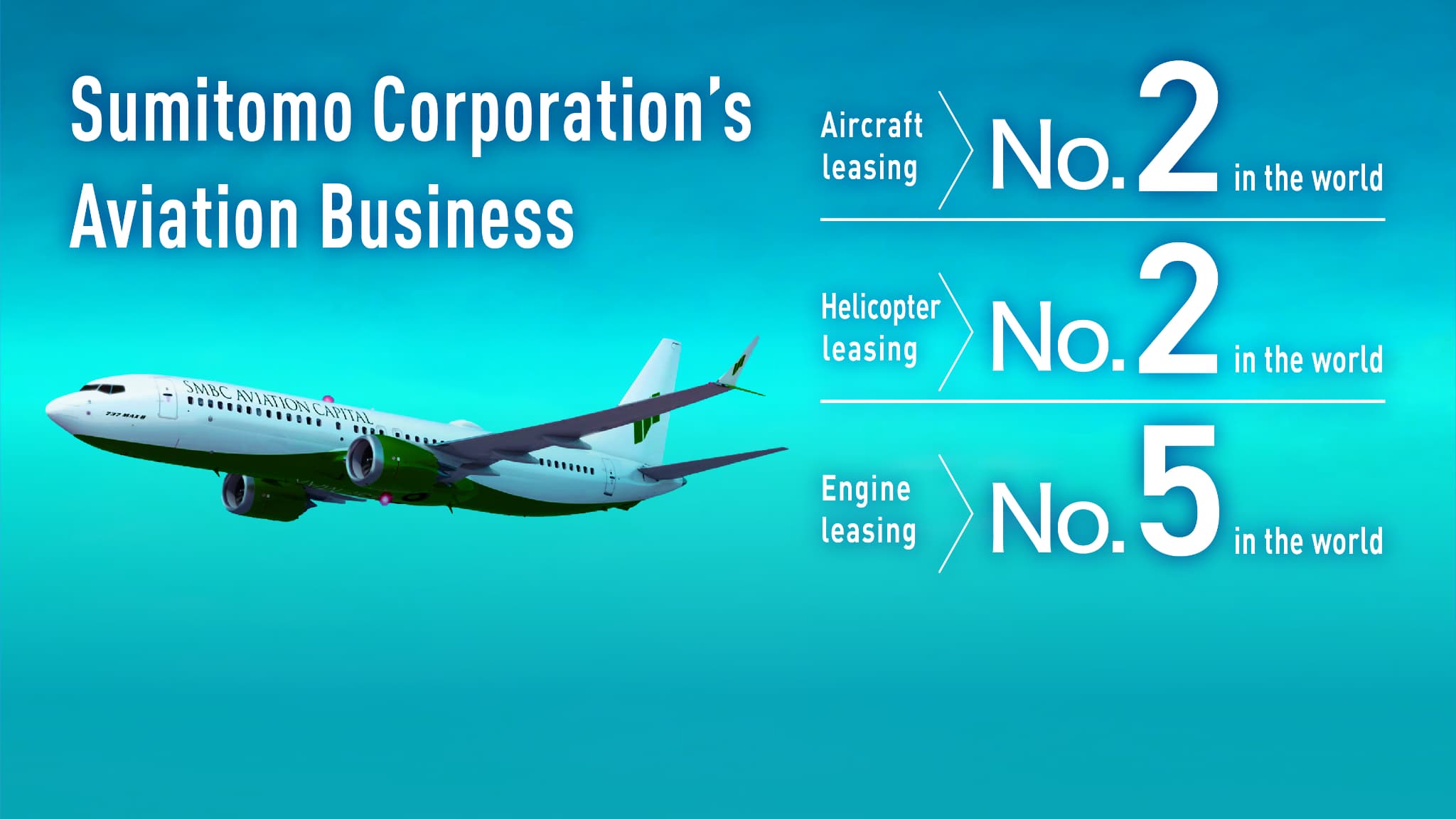
Sumitomo Corporation's Soaring Commercial Aviation Business: Powered by the World's Second Largest Aircraft Leasing Operation

2024.5.20
Business
SUMMIT: Making Supermarkets in Japan More Enjoyable