- TOP
- Enriching+TOP
- The Defining Experiences That Shaped His Leadership

Culture
The Defining Experiences That Shaped His Leadership
2026.9.2
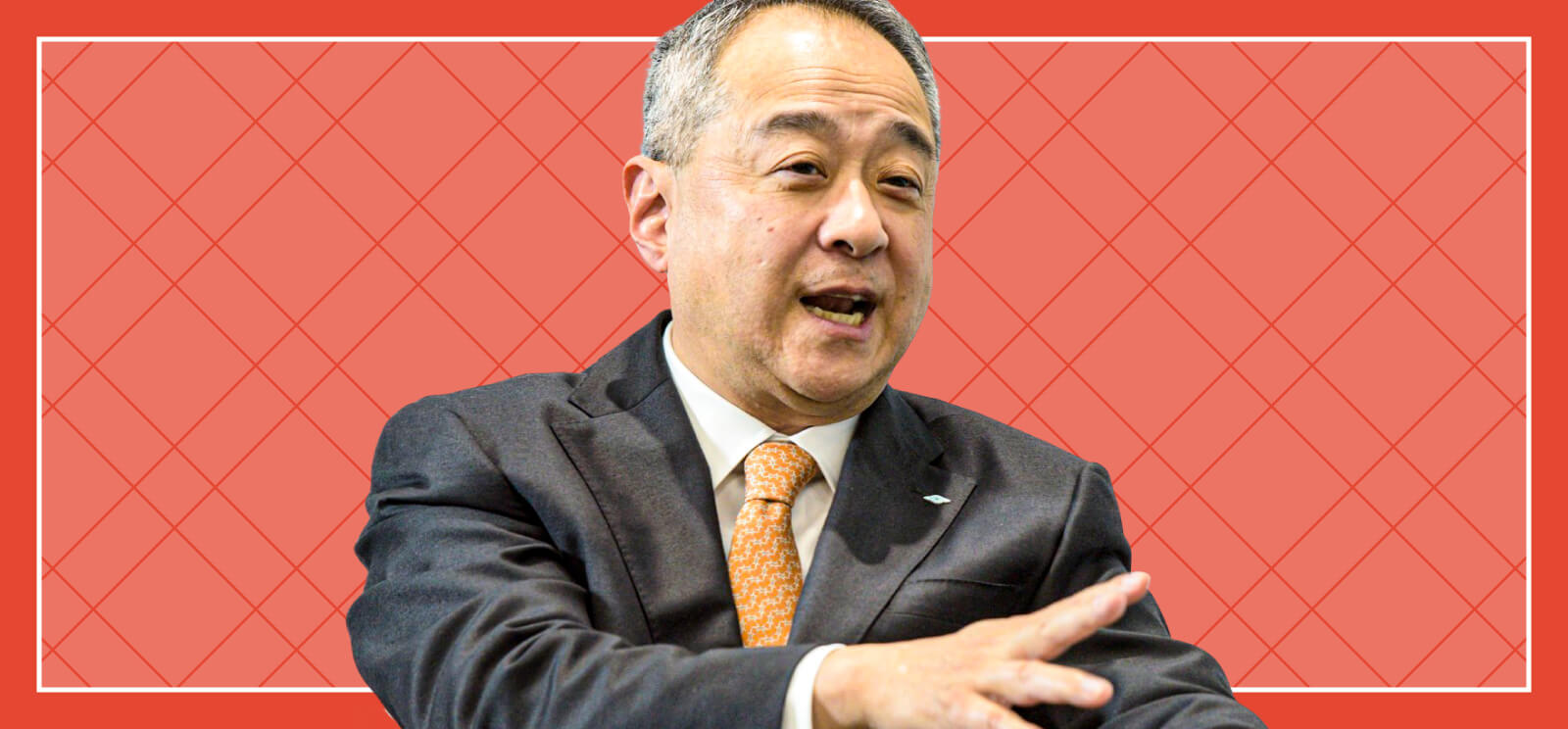
*This article is republished with permission from the interview series "Revitalizing Japan" originally published on NewsPicks.
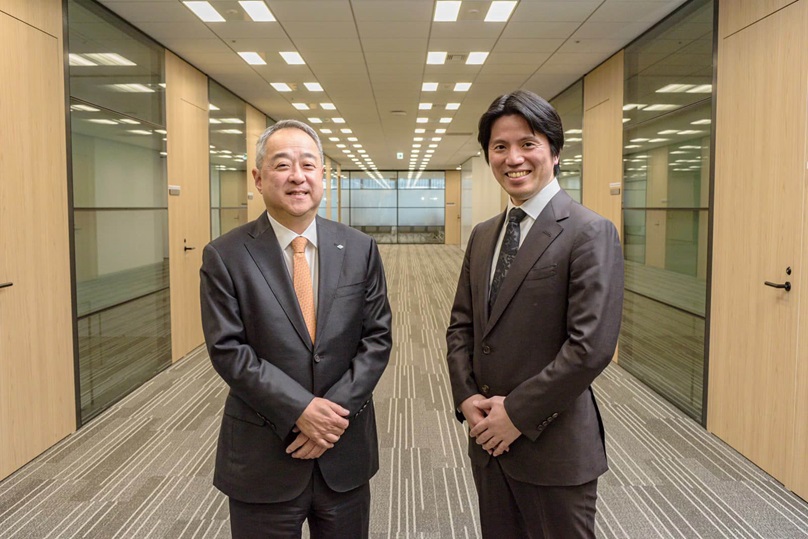
The series "Reimagining Japan" features Shigeru Sekinada, Chairman of the Japan office of global strategy consulting firm Kearney and former Asia Pacific Chairman, speaking with leading executives to discuss their vision for the future and the strategic perspectives required to shape it. Today we continue our conversation with Shingo Ueno, President and CEO of integrated trading and business investment company Sumitomo Corporation. In Part One, we explored the bold concept of becoming "No.1 in Each Field," the guiding principle of the Medium-Term Management Plan launched alongside Ueno's appointment as President in April 2024.
In the second part of our interview, we trace Ueno's own career, examining the defining challenges he faced on the path to becoming president, from navigating different cultures and negotiating major contracts to transforming business models, and the management philosophy those experiences shaped. How did the leader of Sumitomo Corporation earn trust and inspire organizations to move together? We also asked what message he has for today's business professionals as they navigate an era of constant change.
This interview was conducted in December 2025. (Part 2 of 2) Read Part One here:
-
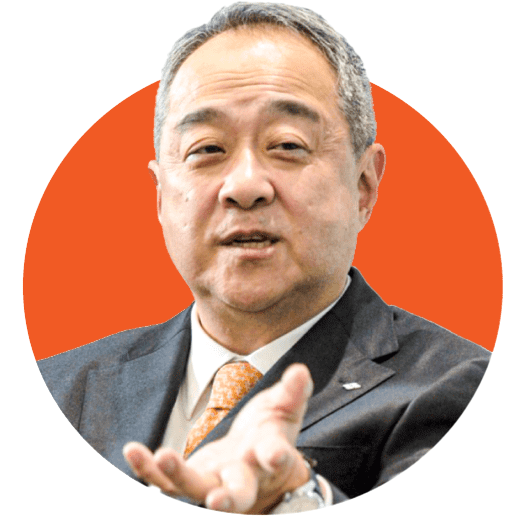
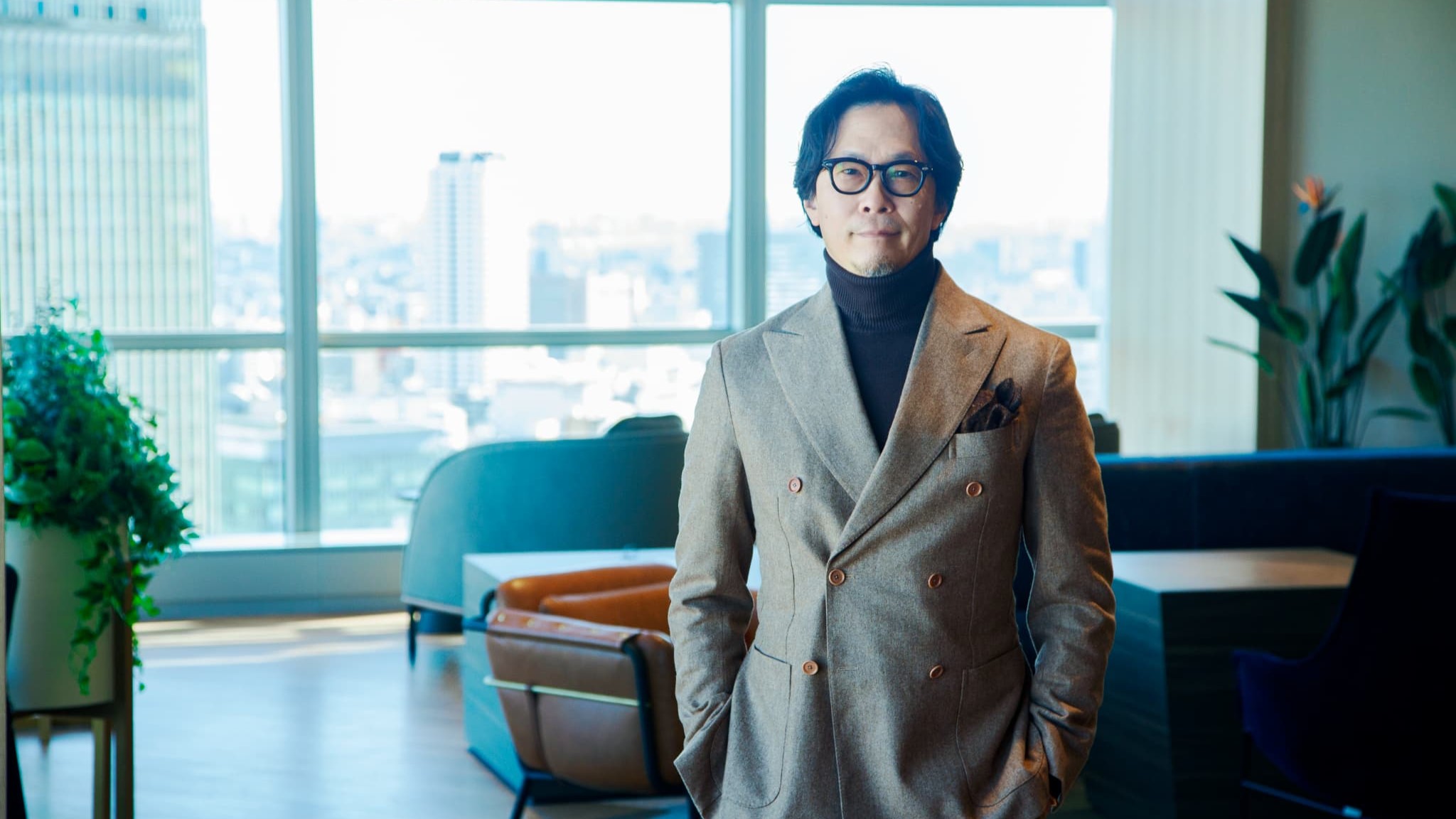
Representative Director, President and Chief Executive Officer,
Sumitomo CorporationShingo Ueno
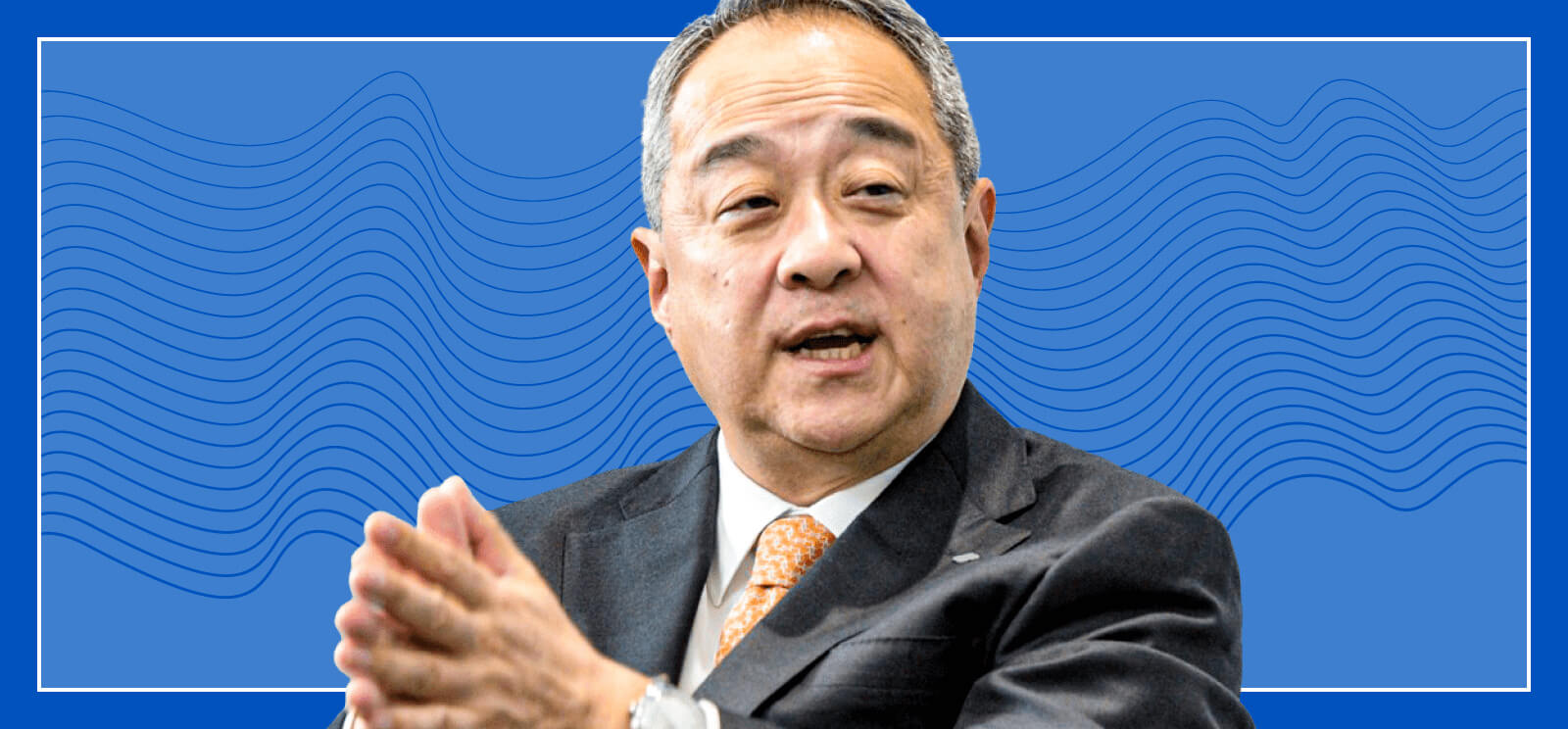
Ueno was born in Hyogo Prefecture, Japan, in 1959. After graduating from Rokko Senior High School and Keio University's Faculty of Business and Commerce, he joined Sumitomo Corporation in 1982. Since then, he has spent much of his career in the steel pipe business, including oil country tubular goods and line pipe, with overseas assignments in Iran, Europe and the Americas. He was appointed Executive Officer in 2013 and subsequently served in senior executive positions, including Managing Executive Officer, Senior Managing Executive Officer and Executive Vice President. In April 2024, he was appointed Representative Director, President and Chief Executive Officer, marking Sumitomo Corporation's first change of president in six years. He is 66 years old.
Index
- Earning Trust through the Courage of Conviction
- Lessons from My Thirties: Understanding How Others Think
- Learning What "Win-Win" Means through Price Negotiation
- My Forties: Reform through Resolve
- My Fifties: A Decision That Opened New Doors
- For Those Building Their Careers in an Age of Change
- Advice to People in Their Twenties and Thirties
- What I'd Say to People in Their Forties and Fifties
- After the Interview – Sekinada's Perspective
Earning Trust through the Courage of Conviction
Looking back on your twenties, what experience taught you the most valuable lesson?
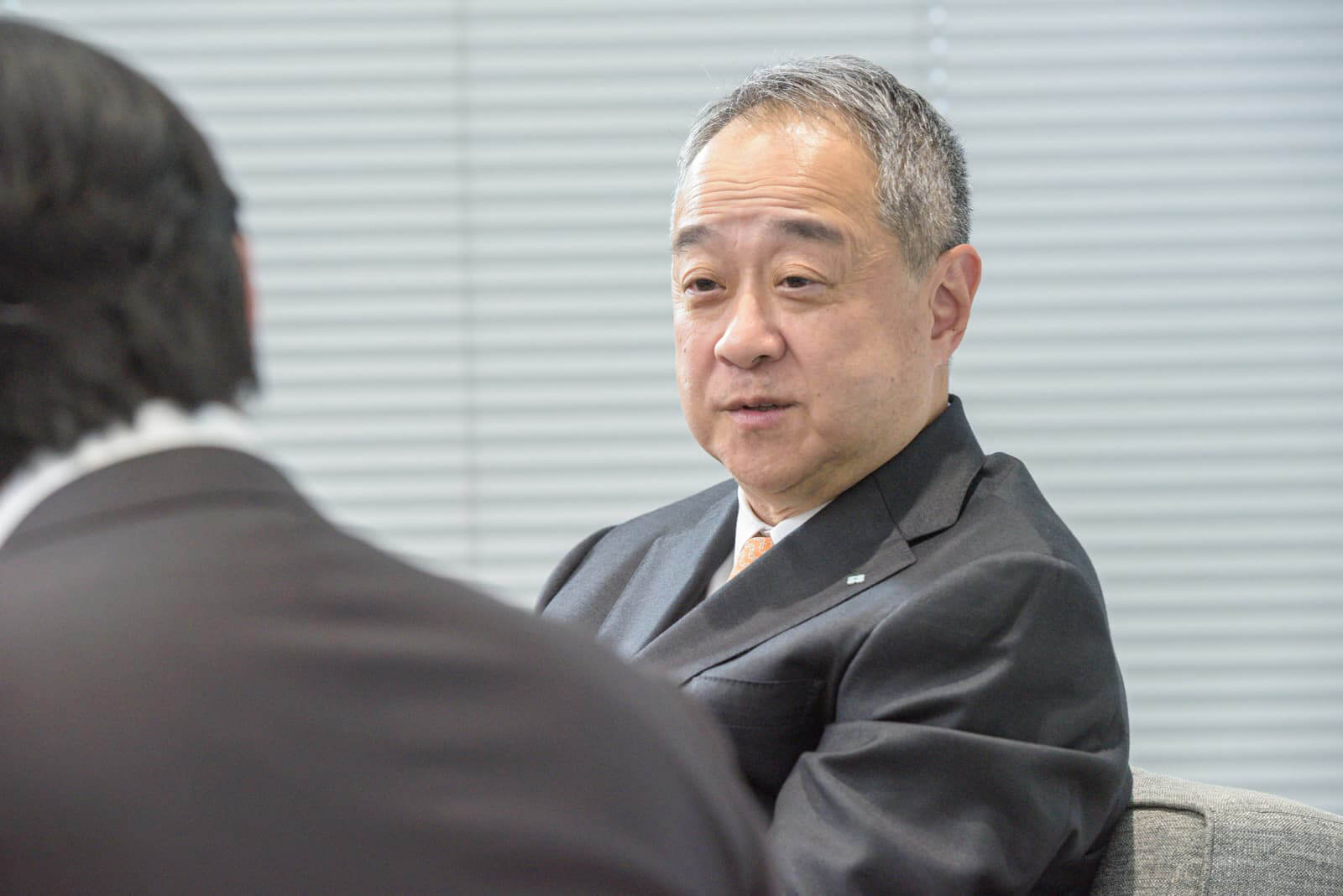
Shortly after joining the Company, I was assigned to the export of steel pipes for the oil and gas industry. As a young employee, I repeatedly threw myself into meetings with customers who barely took me seriously, only to leave feeling thoroughly defeated. The turning point came when a senior contact at a client company called to tell me that a product document I had prepared for a customer contained some errors. He was extremely forceful, and at first I was taken aback. But no matter how many times I checked the document, I remained convinced that my version was correct. After a great deal of hesitation, I called him back later that evening and said, "I believe my version is the correct one." He shouted at me again and hung up. Five minutes later, he called back. "I'm sorry," he said. "You were right."
Had I not made that second phone call, the incorrect information would have gone to the customer, and the consequences could have been serious. From that moment, our relationship changed. He recognized that I was someone who would speak up when something mattered, and from then he treated me with genuine respect. No matter how senior the other person may be, if you believe something is important, you cannot hesitate to speak up or suppress your own judgement. If something is wrong, you have to call it out. There are situations where simply avoiding conflict will not suffice. Having the courage to stand by what is right ultimately earns the trust of others. That was the greatest lesson I learned in my twenties.
Lessons from My Thirties: Understanding How Others Think
What about in your thirties?
There were two major lessons I learned during my thirties. The first was the importance of understanding how other people think. That lesson began when I was posted to Tehran in my early thirties. I was solely responsible for the steel pipe business there, leading a team of older, experienced Iranian professionals. Managing that team was anything but easy. Looking back, however, that environment was exactly what I needed. My colleagues had spent many more years in the business than I had and took great pride in their expertise.
At times they proposed approaches that, from my perspective, seemed simply wrong. There were occasions when projects stalled or opportunities were in danger of slipping away because of those differences. Even so, rather than dismissing their ideas outright, I made a point of asking, "What led you to think that?" We talked through every decision in detail because if you want people to move with you, you must first understand why they think the way they do. What is common sense in Japan may seem completely unreasonable elsewhere – and the reverse is equally true. If that's the case, then I also should be willing to change my own way of doing things. That was the lesson my thirties taught me.
One experience involving letters of credit (LC) stands out. Even after an order has been placed, production cannot begin until a letter of credit has been issued. Without it, there is no guarantee of payment, and manufacturers are understandably unwilling to proceed. In other words, issuing the LC is what effectively brings the transaction into motion.

At one point, we were receiving a steady stream of purchase orders, yet the letters of credit never arrived. I repeatedly explained to our counterpart that without the LC we could not begin production and that any delay in production would inevitably delay delivery. To me, it seemed like simple common sense. One of my team members observing these exchanges quietly remarked, "That approach isn't going to get them moving." He suggested bypassing the person we had been dealing with and checking directly with the bank to see whether the LC application had been submitted. To be honest, I resisted. Would a bank disclose that information to an outsider? Wouldn't it embarrass our counterpart? But given the lack of movement, I decided to follow his advice.
When we contacted the bank, we discovered that the application had never been filed in the first place. Yet our contact had insisted that it had. Tracing the process back step by step, we eventually found that the paperwork was stalled with the person responsible for submitting the application. In Japan, one individual would normally oversee the entire process. There, however, responsibility was divided among several people, each handling a different stage. Unless you understood who was responsible for the next step, nothing moved forward. That's when I realized I had been taking the long way around. Simply insisting that you are right rarely changes anything. The real key is understanding how the other side thinks, how decisions are made and then adapting your approach. Ironically, that often proves to be the shortest route to progress. If my twenties taught me that you must have the courage to say what needs to be said, then my early thirties taught me how to understand people well enough to move them. In the end, both were ways of earning trust.
Learning What "Win-Win" Means through Price Negotiation
And what was the second lesson you learned in your thirties?
The second was the true meaning of a win-win relationship, something that was drilled into me during a price negotiation after returning from Iran. We were negotiating pipe prices with a major Australian oil company when we reached a point where we had to secure a 35% price increase under a long-term contract. Ordinarily, price negotiations revolve around differences of perhaps five percent. When the manufacturer first informed us that such a large increase would be necessary, my honest reaction was that we would probably lose the contract.
I traveled to Australia and spent a week explaining, day after day, why such a substantial increase was unavoidable. The response was little short of outright rejection. They told me that if the increase could be reduced to ten or fifteen percent, they would listen. But if it remained at thirty-five, I could go home. Eventually I did return to Japan, where I was greeted with, "Well, I suppose it couldn't be done after all." But I knew we had to make it happen. The increase was unavoidable, so I insisted: "Please let me go back one more time." A week later I returned to Australia. The terms had not changed. What changed was the way I explained the situation to them. Over several days, I explained from every possible angle why the increase had to be thirty-five percent, what had changed in the market and why there wasn't any alternative.
In the end, they accepted the full increase. Then, the senior contact at the company said something I have never forgotten. "We simply can't do without your company's service and your steel pipes. A price increase of this size is obviously painful. But we still need what you provide." Then he added: "A business relationship only works if it is truly win-win."
He continued: "You may feel you've won this negotiation. We have no choice but to absorb a significant additional cost. But you're the only company that can provide what we need, including local support. That's why we chose Sumitomo Corporation instead of another supplier. That's what makes this relationship win-win." Hearing those words, I found myself unexpectedly moved to tears. It made me realize that the essence of a price negotiation is not who secures the better terms in the short run, but the long-term value of the relationship itself.
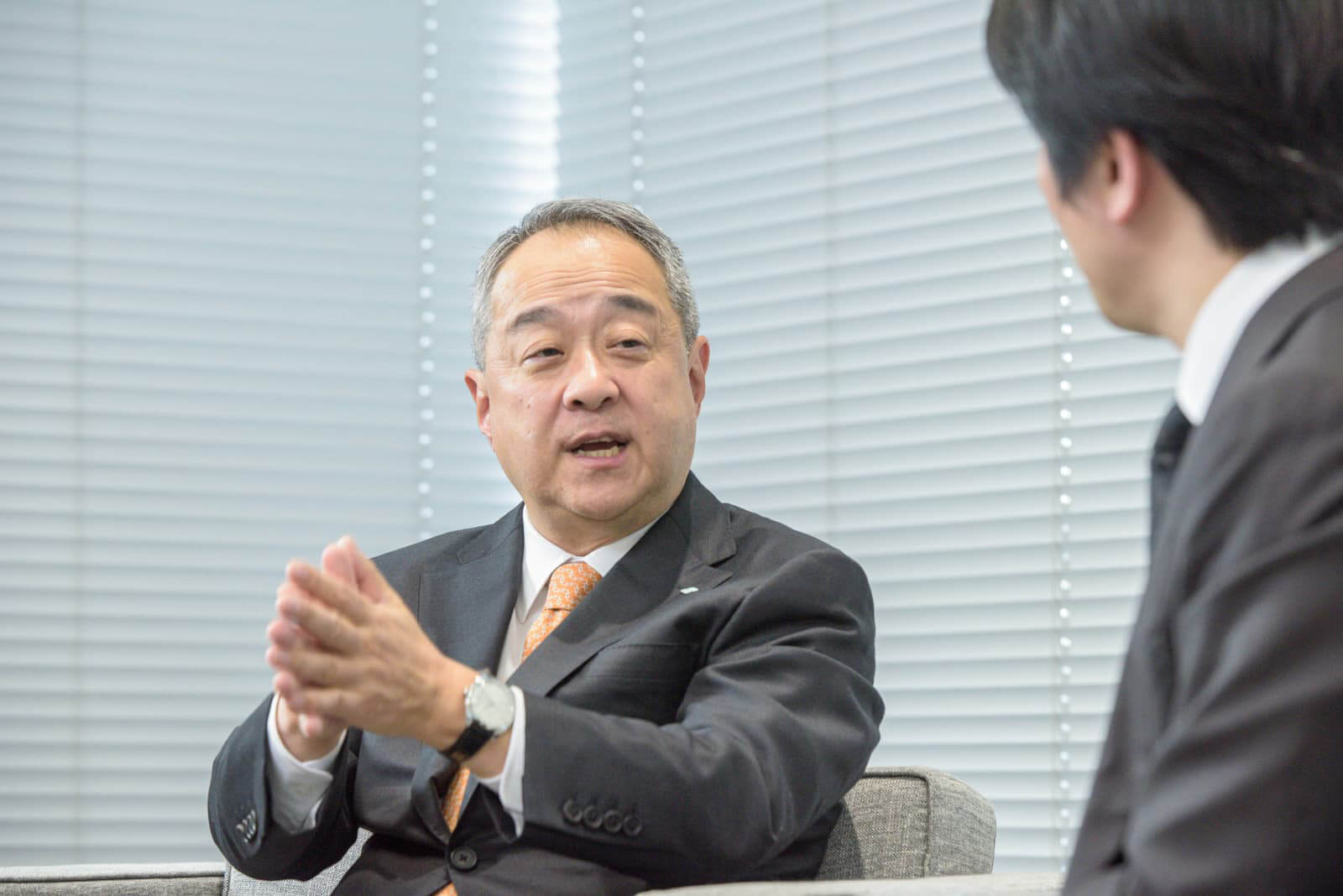
Before we parted, he offered one final piece of advice: "Don't ever forget this. You may still be young, but life is long. Building relationships is what really matters." This wasn't a story about one side defeating the other. Our customer accepted the increase because they truly believed they needed what we could provide, while reminding us that we had a responsibility to ensure the relationship remained mutually beneficial. No matter how strong your position may be, lasting agreements can only be built on the other party's genuine understanding and acceptance. That experience taught me that win-win is not an idealistic slogan. It's a form of discipline that needs to be upheld on the front lines of business.
My Forties: Reform through Resolve
How did the ability to earn the trust of others, which you cultivated in your twenties and thirties, impact your work in your forties and beyond?
In my forties, during the 2000s, I spent eight years in London. It was there that I came face to face with the limitations of a business model built simply on buying and selling steel pipes. One customer put it to me this way: "Our job as an oil company is to drill, produce oil and gas and transport it. We don't want to be in the business of managing steel pipe inventories." That was the turning point. Our customers no longer wanted to hold inventory, and neither did the manufacturers, so I began asking a different question. What if the trading company took responsibility for inventory management, processing and local support, then supplied products on a just-in-time basis? I realized this represented an opportunity to create a much stronger customer relationship. Rather than resisting change, I chose to see it as an opportunity, committed myself to transforming the business model and drove that transition forward.
My forties were also the period in which that resolve was truly tested. We established processing facilities alongside inventory yards, supplied customers with complete packages of equipment and materials and even collected surplus inventory. When I arrived in London in 1999, none of this existed. By the time I left in 2008, most of our long-term contracts had been converted to this new model. Naturally there was opposition within the Company. "Why should we take on inventory assets?" people asked. That made it more important to demonstrate that, if we were going to commit capital to holding inventory, we also had to generate returns that justified those assets. To this end I explained to customers, repeatedly and in detail, why service fees were essential if the model was to deliver an appropriate return on assets.
Of course, putting the idea into practice proved anything but straightforward. Demand forecasting, for example, became a major challenge. Holding too much inventory reduced asset efficiency. Holding too little increased the risk of stock shortages. We worked closely with customers to estimate when products would be needed and in what quantities. Even then, customers naturally tended to overstate their requirements, while actual orders often arrived later than expected. Determining the right inventory levels meant constantly refining our purchasing decisions through trial and error until our forecasts became increasingly accurate.
Transforming a business model of this kind cannot be achieved through vision alone. Only when you commit yourself to making it happen, hiring people to support processing and logistics and carrying the execution through until the operation runs smoothly, can you truly say the transformation has been realized.

My Fifties: A Decision That Opened New Doors
Looking back, was there a turning point in your fifties when everything you had built throughout your twenties, thirties and forties led you to your next major step?
In 2010, I was posted to Houston in the United States, where I continued overseeing the steel pipe business. As my assignment was drawing to a close, my superior in the Steel Business Unit at the time traveled from Tokyo to meet me and asked, "Would you consider leading a completely different business?" He was referring to the position of General Manager of the Energy Division. Looking back, that was a major turning point in my career. I answered immediately: "I'll do it."
Why were you able to accept, without hesitation, a leadership role in a field so different from your own?
After spending thirty years in the steel pipe business, perhaps I had begun to lose sight of how I could continue growing. I saw this opportunity as a chance to broaden my experience as someone responsible for leading an organization. The Houston office brought together businesses spanning chemicals, real estate, power, energy and many other fields. Every conversation reminded me just how different each business model was. I found myself wondering whether I really wanted to spend my entire career in the same field. It was precisely at that moment that this opportunity presented itself. Returning to Japan and taking on the role marked the beginning of a difficult period. But it also gave me experiences that proved indispensable in preparing me to lead the Company. In fact, I am convinced that if I had declined the opportunity, I would never have become President.
Leading a business unit outside your own area of expertise must have presented considerable challenges. Looking back, what experience stands out most clearly?
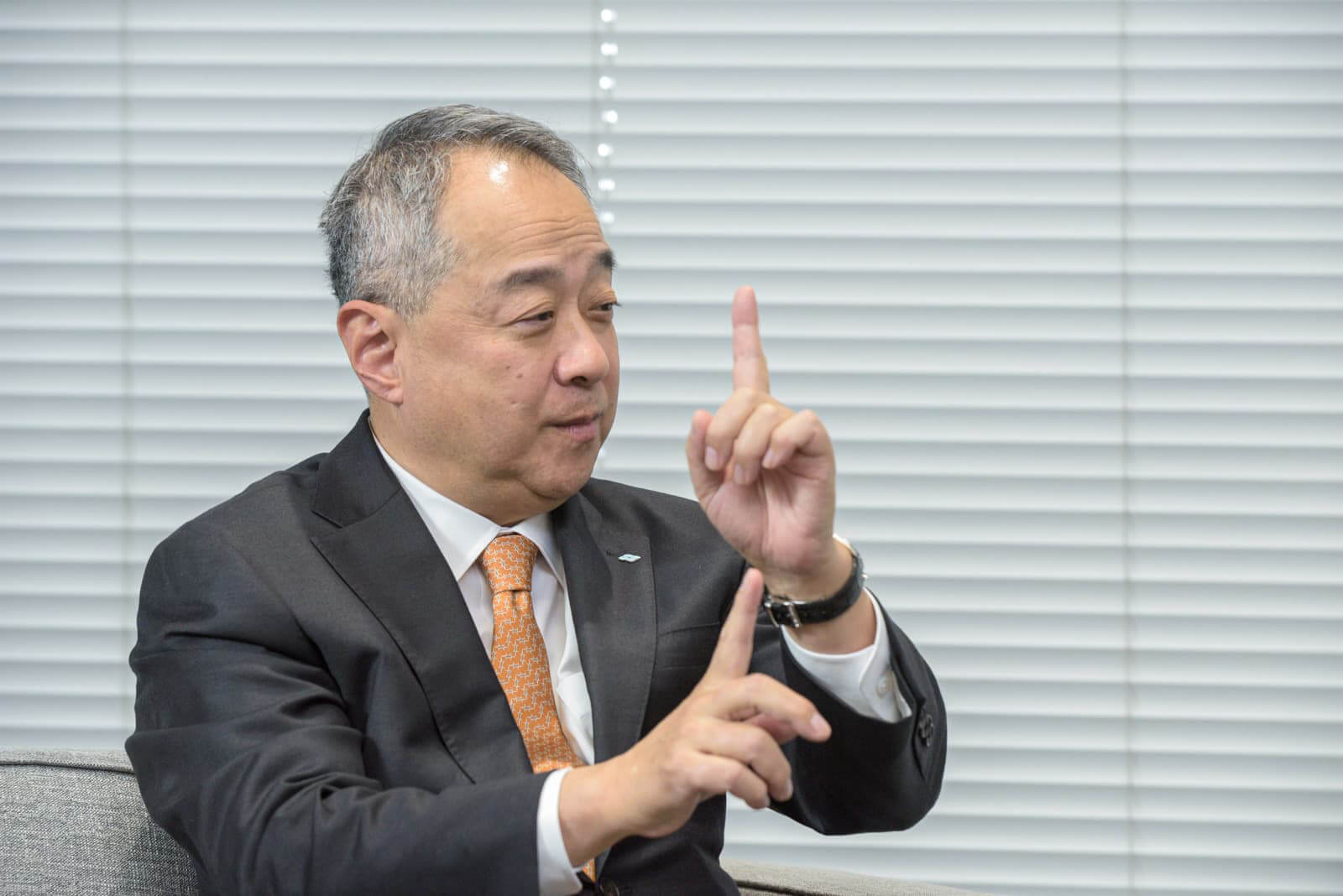
In 2014, our energy business suffered a significant loss. Just one thought occupied my mind: we must rebuild this organization. What impressed me most was that many of our younger employees came together voluntarily and began proposing new ideas for how we should move forward. Together, we spent countless hours discussing why the situation had arisen and how we could prevent it from happening again. Rather than focusing on criticism or assigning blame, we asked ourselves a different question: What mindset should guide the actions we take from today onwards? The suggestions were often very simple. "Share information." "Listen carefully to what others have to say." "Don't try to win every argument." We gathered these ideas together into what became known as our "Thirty Mindsets," committing ourselves to putting one into practice every day. That alone was not responsible for the turnaround, of course. But little by little, I could see people's expressions begin to brighten. It was through that experience that I realized an organization can't truly change unless individual minds change first.
For Those Building Their Careers in an Age of Change
What message would you like to share with today's business professionals who are building careers in a rapidly changing world?
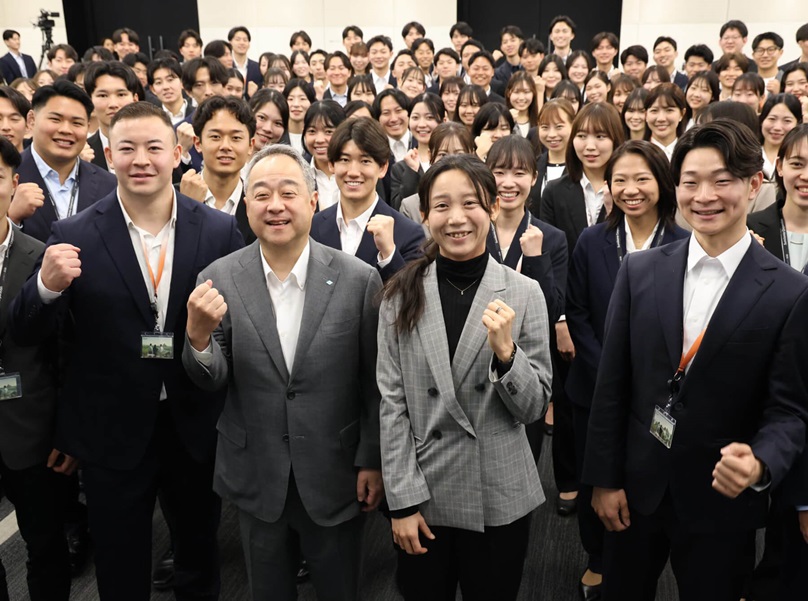
Not long ago, I had the opportunity to speak to junior high and high school students at my old school. As part of its CSR initiatives, Sumitomo Corporation places great emphasis on education, and we regularly visit schools to speak and interact with students. What surprised me most was how many students already had a clear idea of their future, far more than when I was their age.
People sometimes ask me, "How can I become a company president?" My answer is always the opposite of what they expect. Rather than asking what position you should aim for, what's far more important is to cultivate curiosity about everything around you. Why? Because if you ask today's presidents and senior executives whether they always imagined themselves in their current positions, I suspect around 80 percent would say, "No. I was aiming for something completely different."
If you decide too early that there is only one path for you, setbacks can become unnecessarily discouraging. Allow yourself to change. The opportunities that appear in front of you may become turning points in your life. Curiosity makes you want to investigate. It makes you want to learn. And learning ultimately enables you to seize opportunities. Even if life doesn't unfold exactly as you imagined, I hope you'll see that as evolution, not failure.
Advice to People in Their Twenties and Thirties
What advice would you give to people who are already in the workforce in their twenties?
It's perfectly natural to feel uncertain in your twenties. Once you enter the workforce, everyone reaches a point where they wonder, "How far can I really go?" Surrounded by accomplished senior colleagues, it's only natural to feel that way. But everyone has strengths that nobody else possesses. Take today's young professionals. Many are AI natives with a natural fluency in using AI. If that is where your strengths lie, make the most of them. Those strengths will ultimately become benefits for your company as well. So don't let uncertainty hold you back. Even if you're not sure whether you'll succeed, take that first step. It's perfectly all right if things don't work out the first time. You already possess unique capabilities. Have confidence in them and keep challenging yourself.
What capabilities do you believe business professionals should cultivate during their thirties?
Because we are currently living through a period of profound change, I believe people in their thirties should develop what I would call the ability to envision new businesses. Every vision begins as little more than an idea – perhaps even a fantasy. And that's perfectly acceptable. The important thing is to refine that initial idea into a business model that has the potential to transform an industry. But envisioning a business is only the beginning. You must also develop the ability to turn that vision into reality. By your thirties, you understand business well enough to recognize how it could be transformed. From that point onwards, execution becomes key. The ability to envision and the ability to execute – these are two capabilities I hope people will cultivate during their thirties.
What I'd Say to People in Their Forties and Fifties
What advice would you give to people in their forties and fifties?
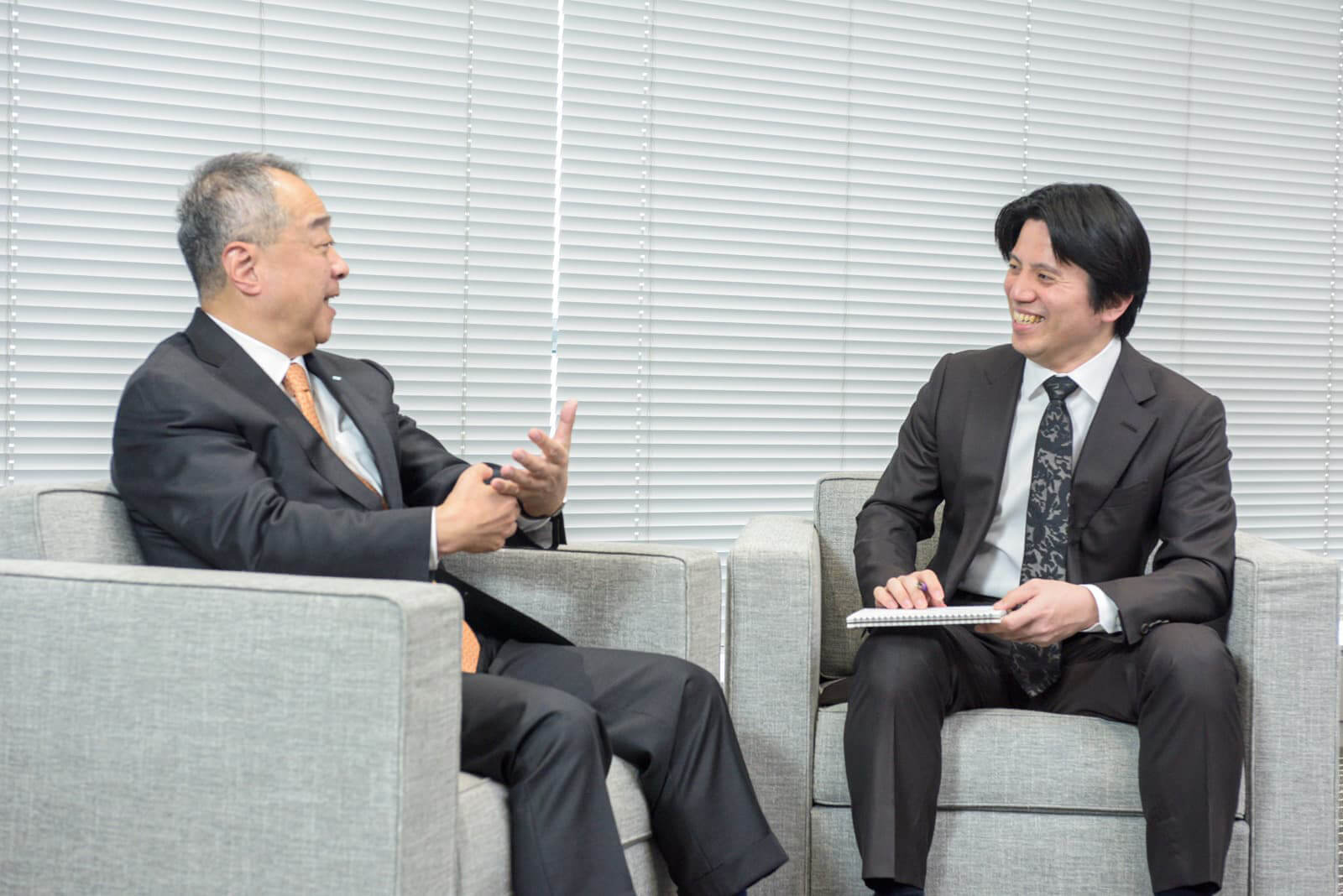
For people in their forties, I hope they will begin thinking of themselves as future business leaders while continuing to develop what I would call human qualities. That's a broad concept, of course, but to me it ultimately means the ability to attract and inspire people. Can you become someone others genuinely want to work with? Someone who makes people think, "I'd like to work with this person." "I'm willing to trust their judgement." Integrity is naturally the foundation of that. But beyond integrity, I believe two abilities become especially important: the ability to communicate your ideas persuasively, and the ability to listen deeply. You have to speak passionately enough to reach the other person. At the same time, you must listen carefully enough to understand what they are really thinking. Only then can you have meaningful dialogue. When you can do both, your ability to move people and bring about change – both inside and outside the organization – rises to another level.
As for people in their fifties, I hope they will develop the ability to step back and see the bigger picture. Don't focus on the issue immediately in front of you. Ask yourself: "What does this development really mean?" "Where is the company heading?" "How is the industry changing?" These are the questions that should inform your strategy. At the same time, leaders must develop the ability to make sound judgements and allocate resources accordingly. I often say that work, too, has its season. If you miss the right moment, you've missed the opportunity. Don't simply tackle work in the order it arrives. Instead, compare the work already on your desk with the new opportunities that appear. Do the work whose moment has come. That's the kind of leader I hope people will become.
After the Interview – Sekinada's Perspective
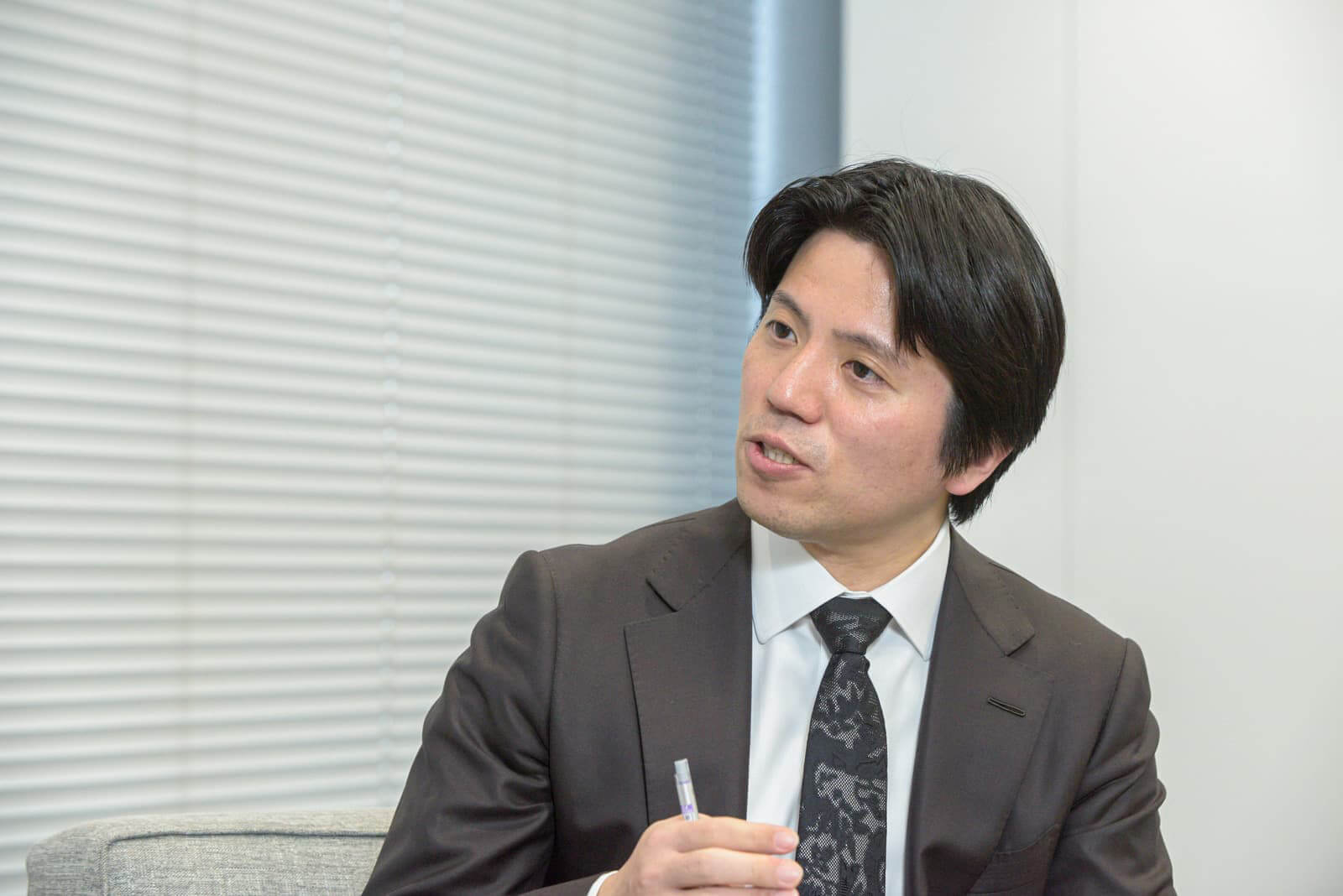
President Ueno generously gave us far more time than originally scheduled, sharing a wide range of experiences and insights that offered both practical lessons and much food for thought. As I looked back over my notes after the interview, three themes continued to stand out:
1. "No.1 in Each Field" as a catalyst for transformation
2. Moments of crisis as opportunities to renew organizational culture and behavior
3. Curiosity and the determination never to look away
Listening to President Ueno, I came to understand that "No.1 in Each Field" is not simply about ranking first or achieving the greatest scale. Rather, it is a way of encouraging people to redefine their own strengths and translate them into concrete actions, measurable KPIs and realistic time horizons. Which business do we want to become No.1 in? Which customer segment matters most? What unique value do we provide? How will success be measured? Over what time frame? By continually asking these questions and engaging in the thinking and dialogue they demand, people across the organization begin looking forward together. That is why "No.1 in Each Field" becomes much more than a slogan. It becomes a force that accelerates transformation.
President Ueno spoke candidly about the substantial impairment losses incurred in the energy business and his determination that "we must not let this Energy Division fail." What struck me most was the leadership that followed. Rather than searching for individuals to blame, he translated the lessons of the crisis into practical behavioral principles for the whole organization. Those principles became the "Thirty Mindsets," encouraging people to practice small but meaningful changes in their everyday work. It reinforced my sense that periods of crisis can also become opportunities to renew organizational culture, reshape behavior and build stronger foundations for future growth.
Looking back across President Ueno's career, a recurring theme appears. The courage to speak up as a young employee. His willingness to understand how others think while working in another culture. His immediate acceptance of a leadership role in an unfamiliar field. All of these, it seems to me, are rooted in two qualities: curiosity and the refusal to shy away from difficulties. Careers rarely unfold as planned. They are shaped by how we respond to the difficulties and opportunities we encounter along the way. That accumulation of experiences builds both trust and personal growth. It eventually led to President Ueno's appointment as President and CEO. In turn, those same qualities – curiosity and the willingness to face challenges head on – continue to deepen and spread throughout the organization he now leads. Having completed its structural reforms and entered a new phase of growth, Sumitomo Corporation is encouraging each of its businesses to embody the spirit of "No.1", approaching every opportunity with curiosity and the determination not to shy away from change, while continuing to renew its organizational culture and transform the way it works. It is a journey that will be fascinating to follow.
Interview by: Shigeru Sekinada (Kearney)
Text and Editing by: Ken Taniguchi and Kotaro Yamazaki
Design by: Yurie Iwaki
Photos by: Ryu Sasaki
Recommend
Culture
How Does an Overseas MBA Translate into Work? Three Sumitomo Corporation Employees Reflect on the Value of Learning and Practice in Business
Business
How Secondments Build Frontline Skills and Business Creativity: The Healthcare SBU's Talent Development Cycle

Culture
Embracing Challenges in BtoC Business for 20 Years Across Four Secondments: Value Discovered with Customers on the Front Lines
Culture
The Inaugural Cohort of WILL Recruits Reflect on Their First Six Months
Culture
Enhancing Japan's Value on the Global Stage: The Goal-Driven Career Journey of a Sumitomo Corporation Alumni Who Founded a Global Startup in His 20s
Culture
Building an Ideal Career Through the Sumitomo Corporation Internal Job Posting System: Employee Shares Their Experience
Culture
From Sumitomo Corporation to President of Tiffany Japan, the Sumitomo Spirit Lives On: "Passionate Beginners Can Outperform Experts"
Business
Envisioning the Future of Agribusiness: Sumitomo Corporation Cultivating Expertise in Agriculture and New Business Planning Worldwide
Business
Crafting Specialist Paths at Sumitomo Corporation: A Career in Real Estate Focused on Building Communities
+ (Plus)
How Overseas Assignments Changed Perspectives on Household Chores and Parenting: Two Male Employees From Sumitomo Corporation Take on New Challenges
Culture
What Is the WILL Recruitment Process for Assured Initial Placement? New Graduate Recruiting Officers Answer Your Questions (Includes Answers from Actual Application Forms!)
Culture
“How Does Your Knowledge of Science Contribute to Trading Company Business?” A Conversation With Sumitomo Corporation Employees From Science Backgrounds
Culture
"That’s quality sugarcane!" A Sumitomo Corporation Employee’s 30-year Dedication to Sugar: Cultivating Sugarcane on Tanegashima Island
Culture
Reskilling in Her 28th Year With the Company. Asking an MBA Holder About Career Development in “an Era of Century-Long Lifespans”
Ranking

2026.8.13
Business
Collaboration With SCSK Is Key: Inside Sumitomo Corporation Group's DAIS (Digital & AI Strategy)
2025.4.7
Business
How Does Sumitomo Corporation Excel in Media and Digital Businesses? History and Transformation Explained
2026.2.9
Business
Using AI to Streamline Track Inspections: Sumitomo Corporation and 33 Railway Operators Take on Labor Shortages in the Rail Industry

2025.8.29
Business
Sumitomo Corporation's Soaring Commercial Aviation Business: Powered by the World's Second Largest Aircraft Leasing Operation

2024.5.20
Business
SUMMIT: Making Supermarkets in Japan More Enjoyable