- TOP
- Enriching+TOP
- How Does an Overseas MBA Translate into Work? Three Sumitomo Corporation Employees Reflect on the Value of Learning and Practice in Business

Culture
How Does an Overseas MBA Translate into Work? Three Sumitomo Corporation Employees Reflect on the Value of Learning and Practice in Business
2026.3.31
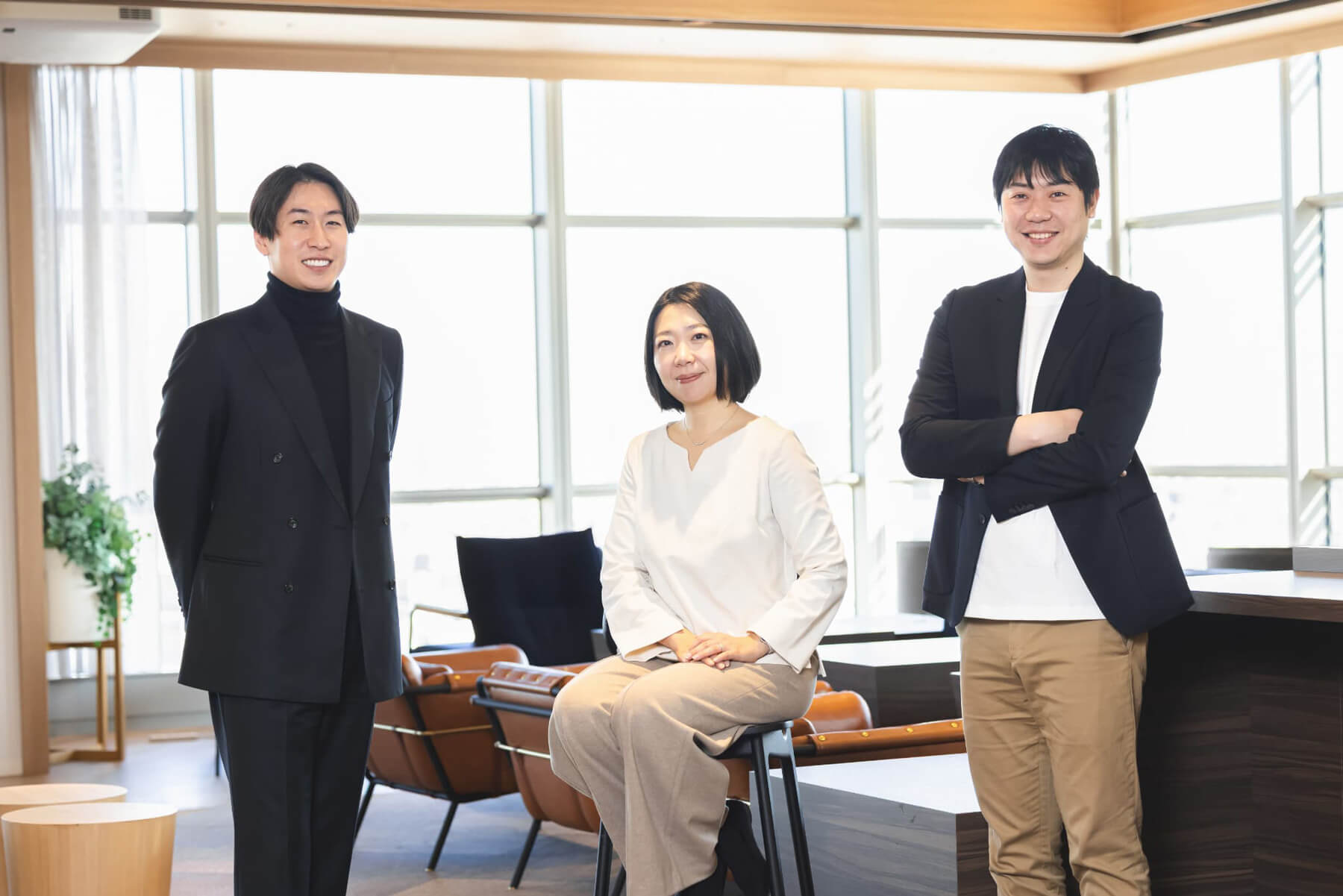
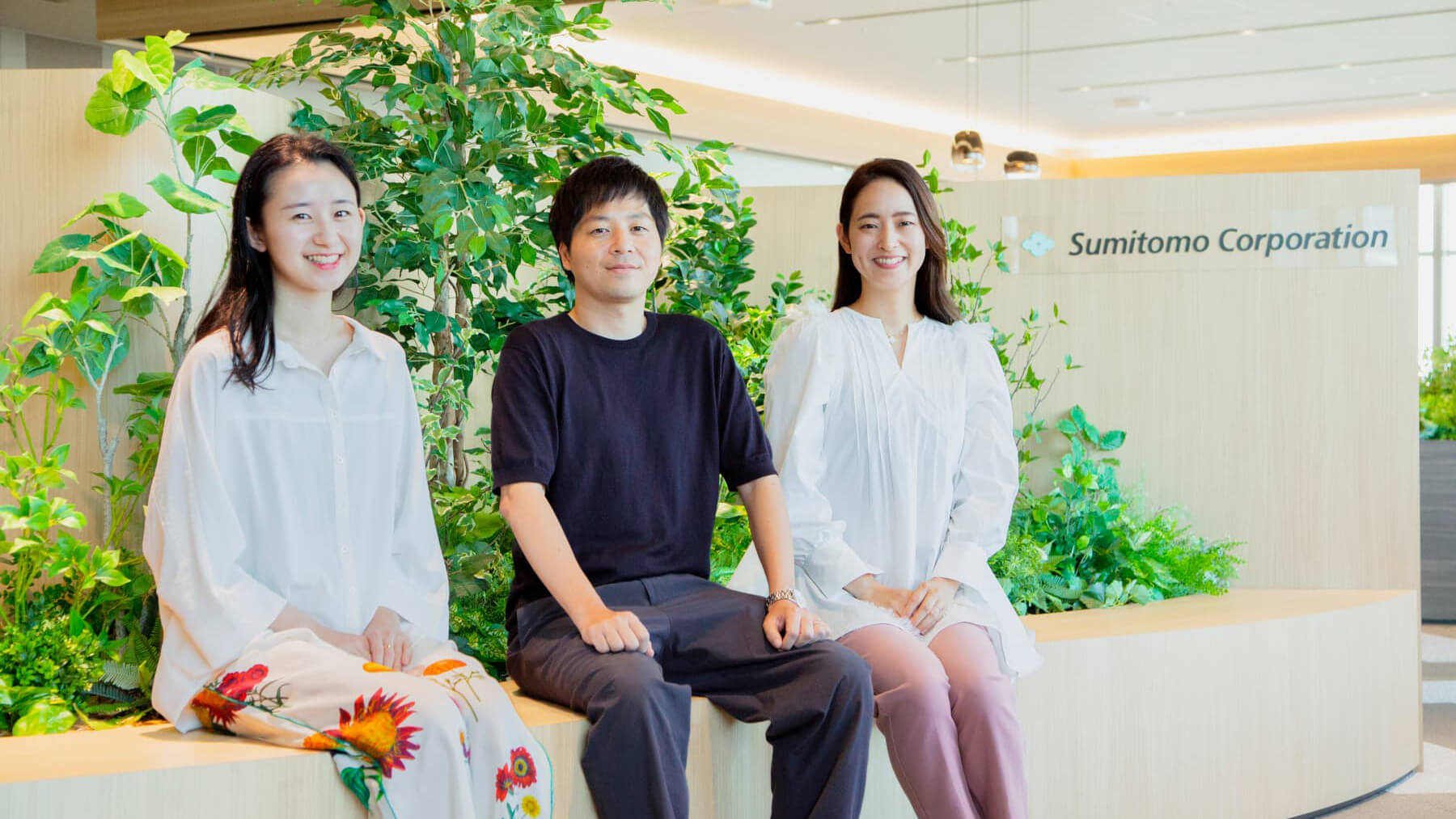
At Sumitomo Corporation, some employees remain with the company while attending overseas business schools to acquire an MBA and develop leadership and management skills in line with global standards. What does it mean to take on the considerable challenge of pursuing an overseas MBA, and what kind of learning is possible through this experience? To explore these questions, we spoke with three employees who earned MBAs at different business schools about what prompted them to take on the challenge, which classes influenced them the most, and their opinion on the correlation between MBA study and working at Sumitomo Corporation.
-
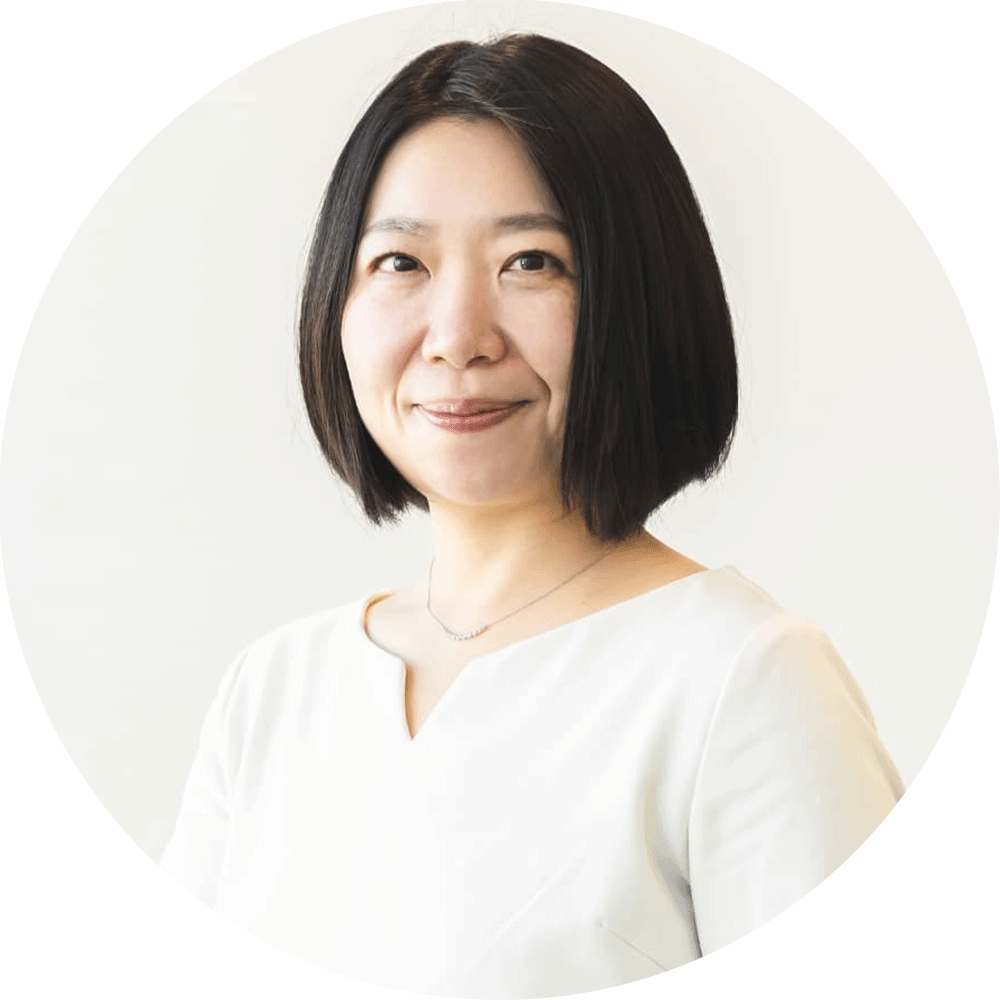
Investment Advisory Department
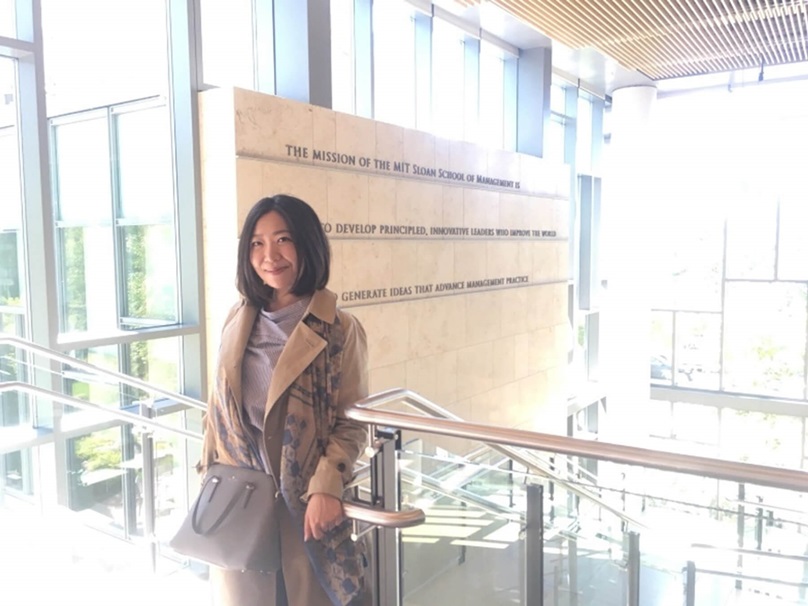
MIT Sloan School of Management
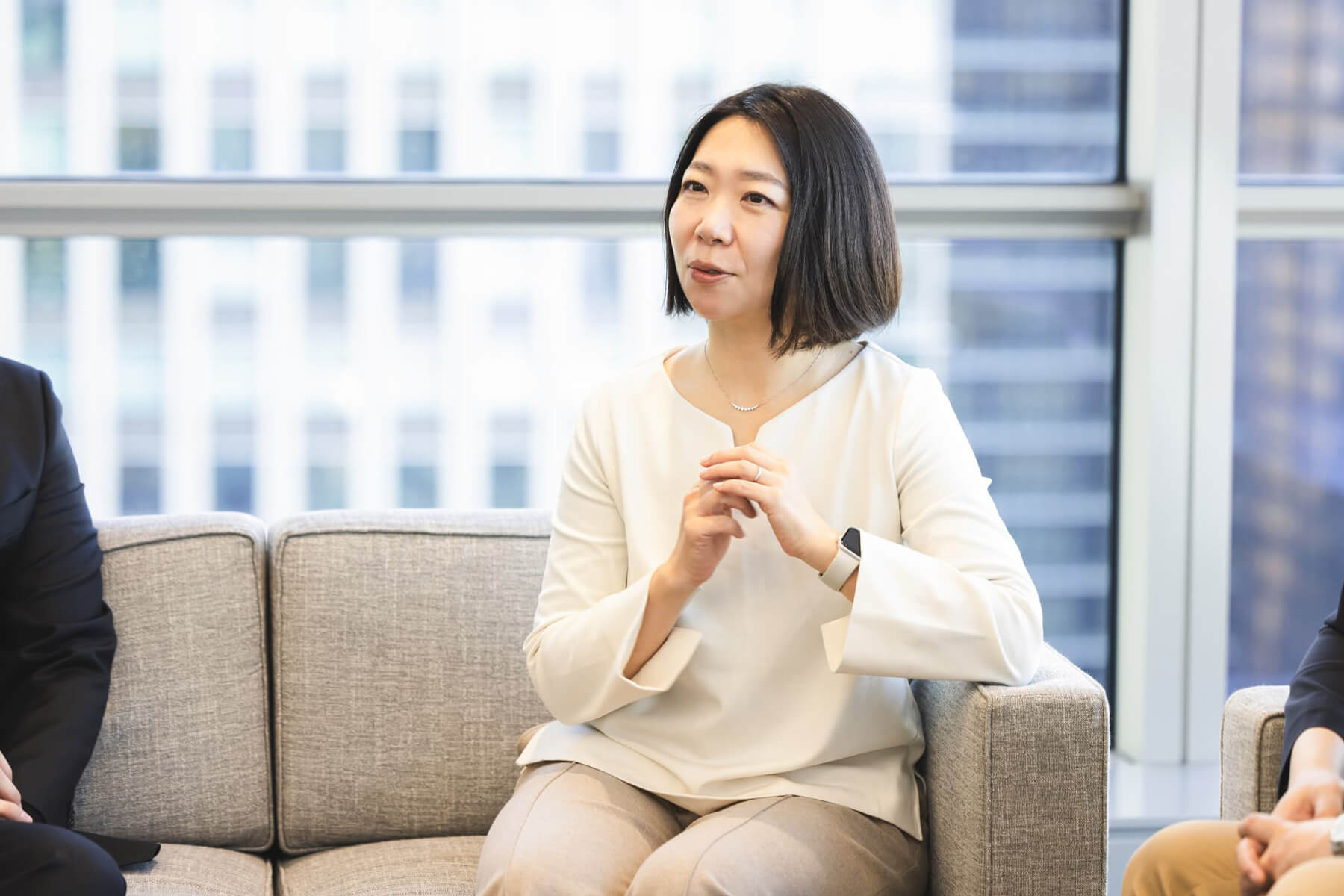
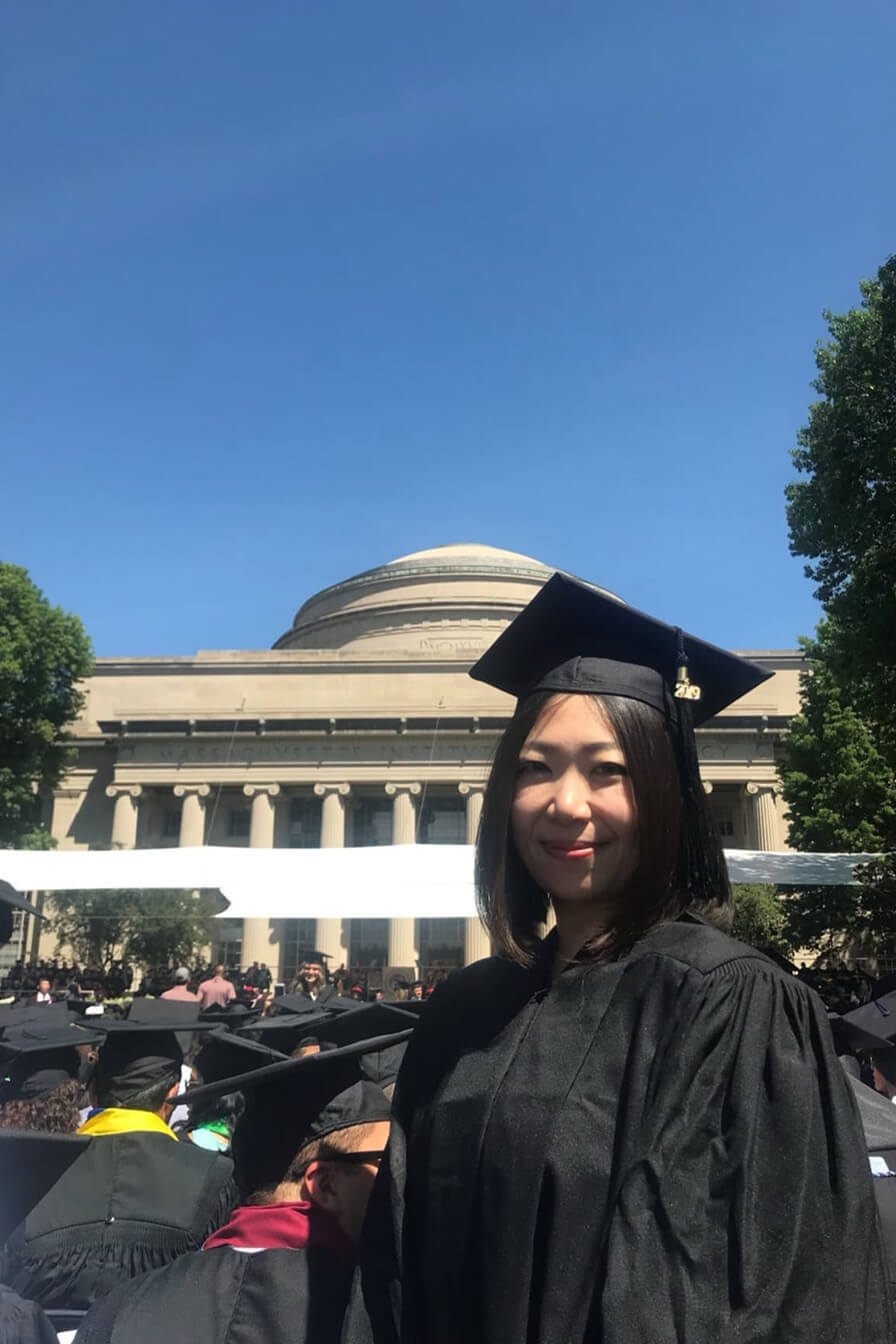
(MIT Sloan): Class of 2019Sayuri Ozaki
Ozaki joined the company in 2007. After being assigned to the Light Metals Department of the former Metal Products Business Unit (now the Aluminum SBU in the Mineral Resources Group), she worked in export trading covering China, Southeast Asia, the Middle East and Oceania. She later transferred to a team responsible for business investment within the department, where she worked on establishing a joint venture with a European company and on a plant construction project in the United States, before being seconded as a trainee to Tri-Arrows Aluminum (TAA) in Kentucky, a U.S. company in which Sumitomo Corporation holds a 20% stake. From 2017 to 2019, she studied at MIT Sloan in the United States and obtained her MBA. After returning to the company, she joined the Risk Management Department No. 2 but later left for maternity and childcare leave and to accompany her spouse on an overseas assignment. In August 2024, she rejoined the company in the Investment Advisory Department.
-
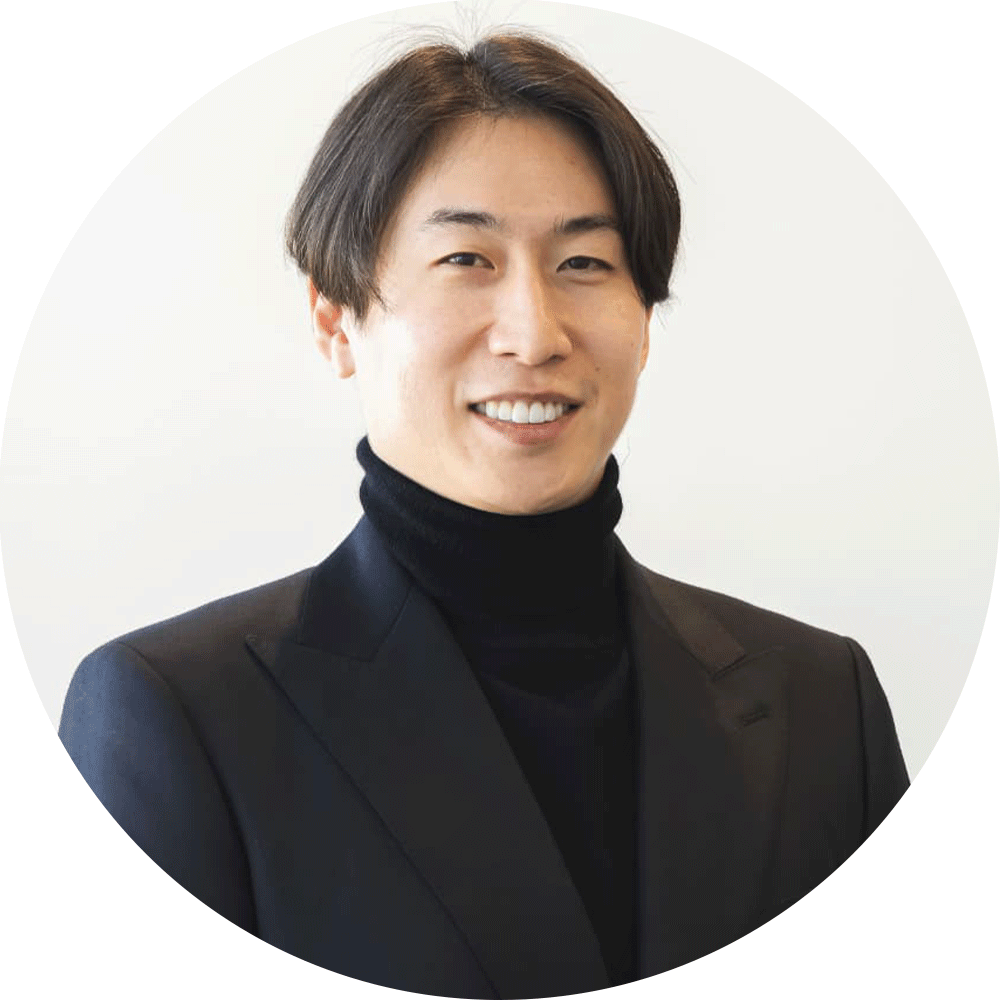
Automotive Manufacturing Business
Unit No. 2
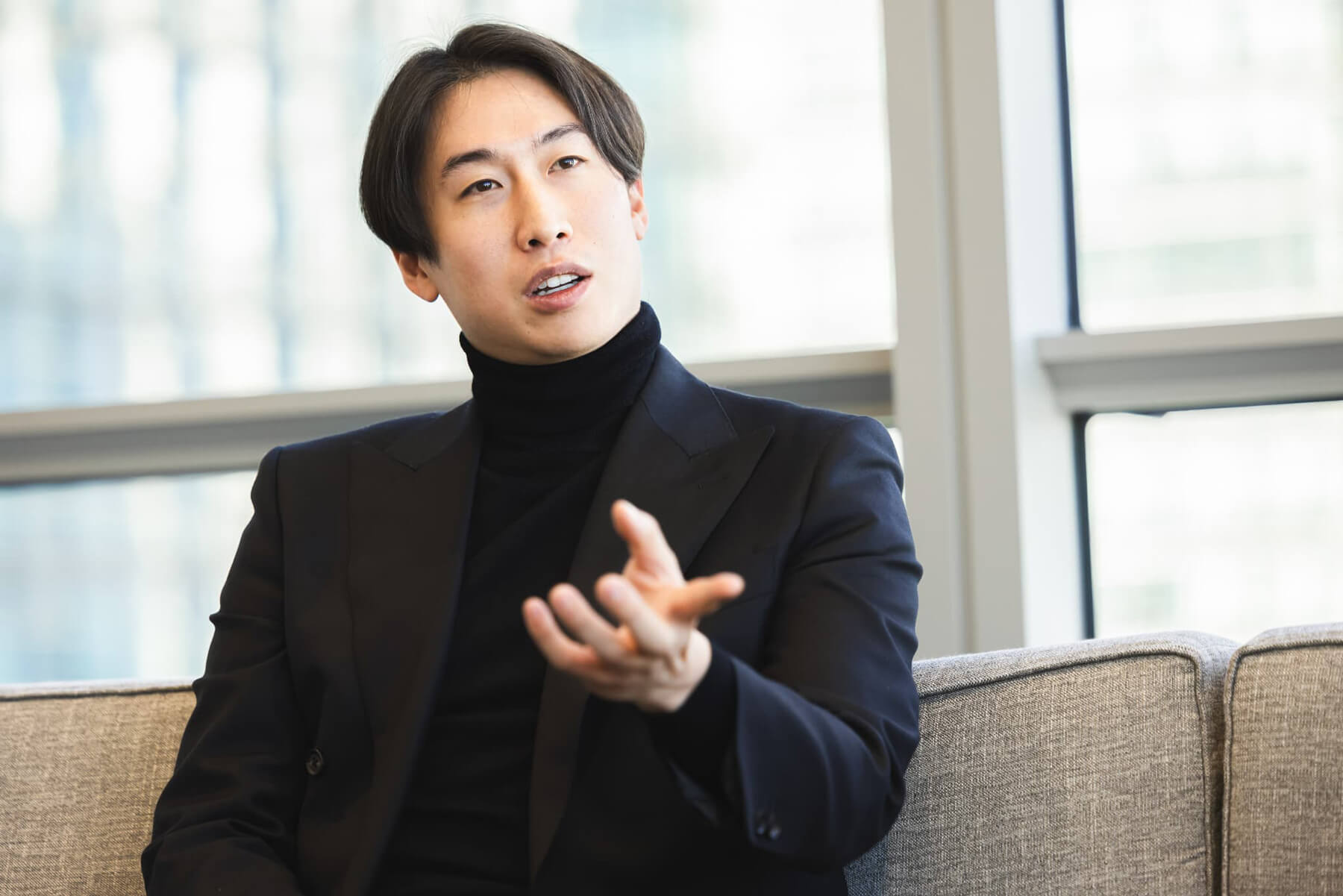
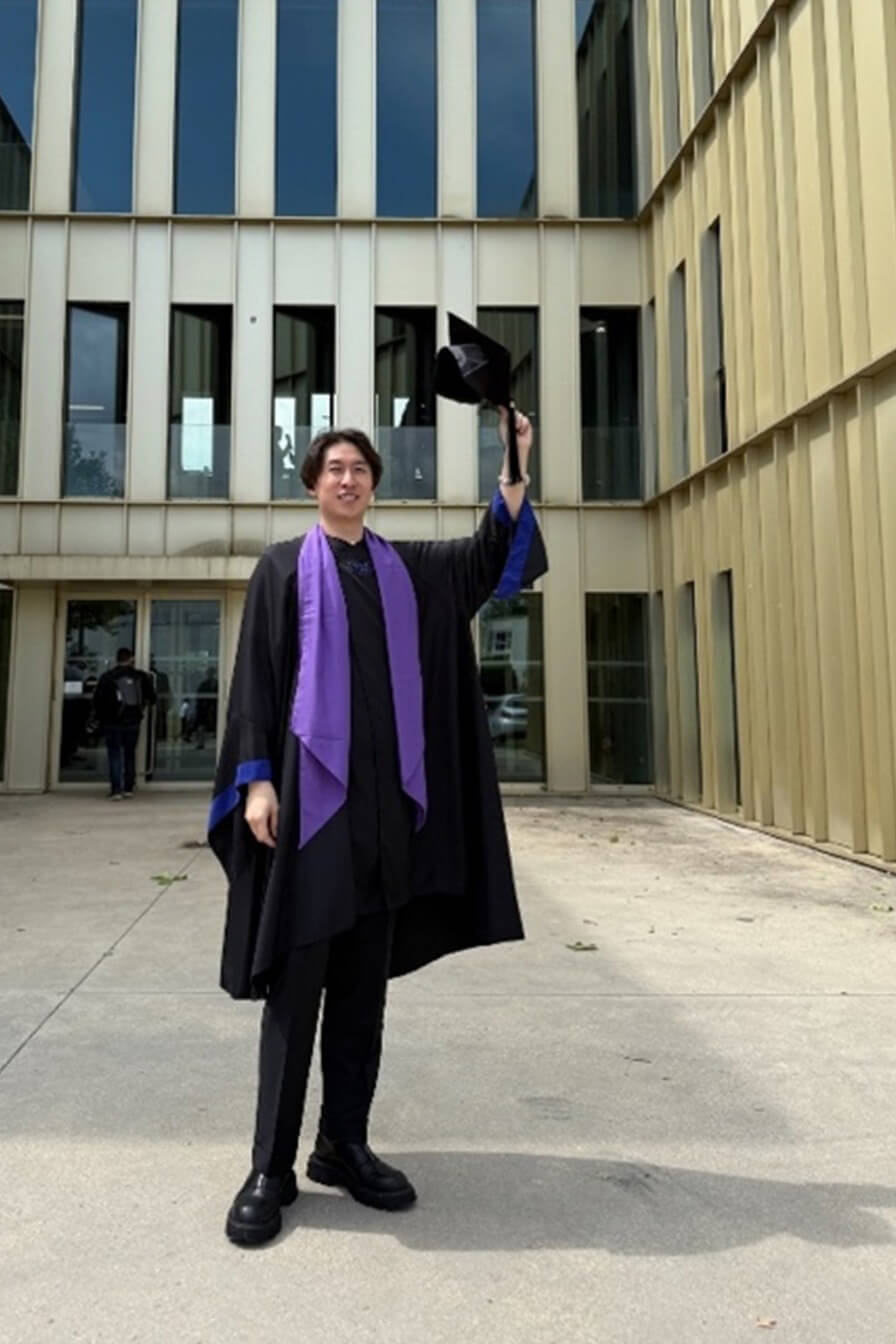
HEC Paris Business School: Class of 2025Koichi Nakayama
Nakayama joined the company in 2016. He was initially assigned to the former Risk Management Department No. 3, where he worked in construction machinery. Transferred to the former automotive manufacturing Division I in 2017. Responsible for management oversight and M&A-related activities for Kiriu, an automotive parts manufacturer wholly owned subsidiary of Sumitomo Corporation. In 2020, he gained experience launching an engineering business involved in automotive design and development. From 2023 to 2025, he studied at HEC Paris in France and earned an MBA. He is currently responsible for new business development and investment in the automotive engineering business.
-
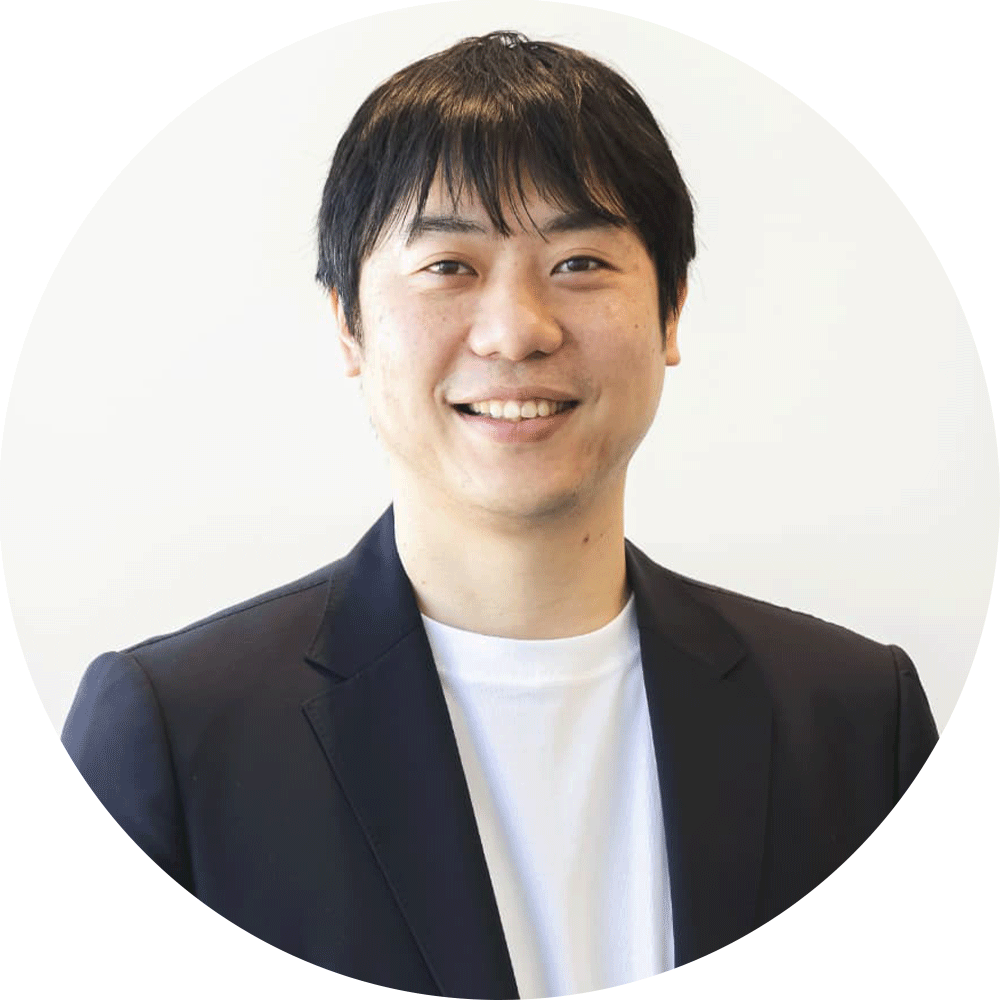
Commercial Aviation SBU
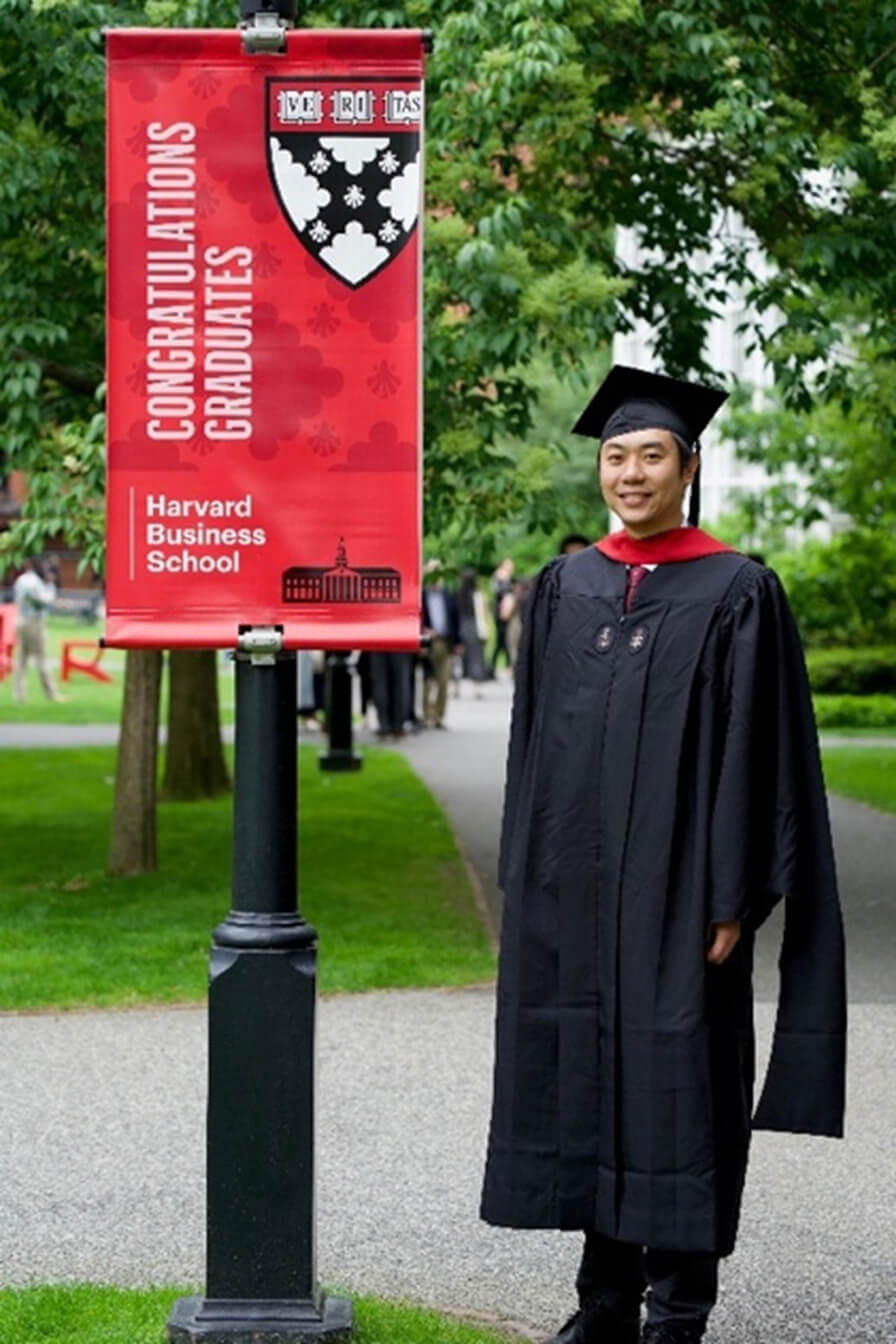
Harvard Business School: Class of 2025
Kou KeisenKou joined the company in 2012. After being assigned to the Construction Machinery Department No. 1, he worked on trade with Iraqi government agencies. In 2014, he studied Arabic at the University of Jordan as a language trainee. He was later posted to Abdul Latif Jameel Summit in Saudi Arabia (2015–2017), a sales and service company for construction machinery manufactured by Komatsu, and to the Sumitomo Corporation Group in China (2017–2020). From 2020, he worked in Construction Machinery Sales Business Department (No. 1), overseeing company management and startup investment. From 2023 to 2025, he studied at Harvard in the United States and obtained his MBA. He currently works in the Sustainability Solutions Team of the Commercial Aviation SBU, where he is engaged in new business development in the aircraft aftermarket field (parts and maintenance).
Learning Leadership and Management Skills in Line with Global Standards
What first prompted you to pursue an MBA?
Ozaki I had a growing sense that I wanted to make up for deficiencies in my skillset. I had worked at a company in the United States as the only Japanese member of the sales team and the only secondee representing a shareholder, and I found it difficult to build consensus and coordinate effectively among local management, employees and shareholders located in Japan. That experience made me want to learn leadership that would truly work on a global level. This is what led me to pursue an MBA.
Nakayama Through my experience in M&A projects and launching new businesses, I became increasingly aware of gaps in my skills and capacity to solve problems compared with my supervisors. To gain a clearer, more holistic view of business leadership, I decided to pursue an MBA.
Kou I had always been interested in management. One reason I joined Sumitomo Corporation was that I believed it would offer opportunities to engage in both business investment and management. After joining, I visited several countries in a sales role, and while stationed at a company in China I also served as executive assistant to the president, which allowed me to engage with both frontline operations and management. That made me want to study management in a more systematic way and apply it to my future career.
You each studied at different business schools. Which classes left the strongest impression on you?
Ozaki At MIT Sloan, from the second semester of the first year onward, almost all classes were taken in teams that students formed among themselves. One experience that particularly stands out was a course in which four of us lived together in Lima for about three weeks while working with a local company to help solve one of its business challenges. There were moments when opinions clashed, but by understanding what each member was trying to convey while also explaining my own thinking logically, I was able to build trust. In the end, moving the project forward together as one team became a major learning experience.
It also changed the way I thought about leadership. I previously believed that a leader was someone who had the answers and guided members in a single direction. But through studying abroad, I realized that a true leader brings out the strengths of every team member.
Kou At Harvard, the defining feature is that classes are entirely discussion-based in a case study format. Using actual business situations as teaching material, around ninety students per class debate exhaustively how they would approach the situation as leaders.
One case that left a strong impression on me involved a mining company. After an accident in which several employees lost their lives, management had to decide whether to suspend operations at the mine or keep it running. If operations stopped, losses of one billion yen per day would result. But if operations continued, lives could be put at risk again. In a situation where the limits of business judgment were laid bare, management had to make the ultimate decision of weighing profit against human life. The businesses we engage in are also a continuous series of questions without any single correct answer. That case made me acutely aware of the difficulty of taking responsibility and making decisions at the top.

Applying Experience, Learning More, and Applying It Again: Synergy Between Trading Company Work and an MBA
How is what you learned at business school being applied in your current work?
Kou I am currently involved in M&A, exploring new investment opportunities, and many things I learned at business school apply directly to this work. Examples include demonstrating leadership in project management, conducting valuations of target companies and interviewing management teams to understand how they think and make decisions.
Ozaki In my current role in the Investment Advisory Department, when analyzing new sectors and companies that may become investment targets, one major benefit has been developing the habit of thinking systematically by using frameworks such as the Five Forces*. At business school, many students also gain practical experience through internships during the summer break, and I myself spent two and a half months interning at a strategy consulting firm. There, I learned practical methods for gathering information on potential investment targets through methods such as expert interviews, and how to incorporate that information into investment decisions, something that has proved extremely useful in my current work.
* A framework proposed by Harvard Professor Michael Porter for analyzing industry competitiveness and profitability.
Nakayama The biggest change for me has been gaining a broader, more holistic perspective of my work. From a management standpoint, I now focus on overseeing the team as a whole – including overseas operations – while fostering an environment where individuals think independently and continue to grow. From a strategy perspective, I have learned to start with a rigorous analysis of existing businesses and markets, identify core value drivers, and then formulate strategy by integrating perspectives from finance, marketing and beyond.
While studying at business school, in what ways did your previous experience and career at Sumitomo Corporation prove useful?
Ozaki At business schools like MIT Sloan, there are many people who graduated from elite universities and have worked at globally renowned companies, so at first, I worried whether I would really be able to hold my own among them. But what I realized through classes was that because I had already accumulated practical experience at Sumitomo Corporation, I also had strengths that stood out. If I had to express this in one phrase, perhaps it would be "frontline capability." At business school, discussions can easily become overly theoretical, but having faced a wide range of real issues alongside stakeholders in Japan and overseas since my twenties proved extremely valuable in keeping discussions grounded in reality.
Kou At Sumitomo Corporation, you experience a broad spectrum of work, from investment to frontline business operations, and that experience proves valuable in almost every MBA class. At business school, the basic assumption is that if you can't create value through discussion, there is little point in being there. In that sense, people from trading companies are able to contribute to grounded discussions based on real practical experience. For this reason, I think there's strong synergy between working at a trading company and studying for an MBA.
Nakayama Overseas, industries and functions are often relatively fixed, so many of my classmates tended to view issues primarily through the lens of their own specialization. By contrast, people from trading companies are able to step back, examine from a broader perspective and offer views from multiple angles. In team-based classes, there were many situations where students from trading company backgrounds naturally took the lead in problem-solving. More than anything, the experience gave me confidence in the skills and experience I had developed at Sumitomo Corporation and made me realize just how sophisticated our business is.
What kind of value do you think MBA holders can bring to the Sumitomo Corporation Group?
Ozaki Overseas business schools allow future global leaders to gather and spend one to two years learning cutting-edge leadership and management theory together. When people who have already worked at Sumitomo Corporation for several years further refine their thinking in that environment and come back to the company, I believe they can help evolve both the way we conduct business and our organizational culture.
Nakayama If MBA holders can transcend domestic and international boundaries as well as internal silos within the Group, while effectively leveraging external resources, they can help trigger open innovation across the organization. From a talent development perspective, leadership that genuinely understands what individuals think, what they need and how their perspectives can be broadened – regardless of seniority or position – can create significant value for the Sumitomo Corporation Group.
Preparing for an MBA Allows Time for Self-Examination
What aspects of preparing for business school applications were particularly challenging?
Kou The first major hurdle is achieving the necessary score in English proficiency tests such as TOEFL or IELTS. My impression is that 70–80% of people aiming for an MBA struggle to reach the required score and end up giving up at that stage. But what matters is persevering through those difficult months. At Sumitomo Corporation, there are many MBA alumni in addition to your peers. Asking them about study methods, interview preparation and general approaches to life overseas is very helpful.
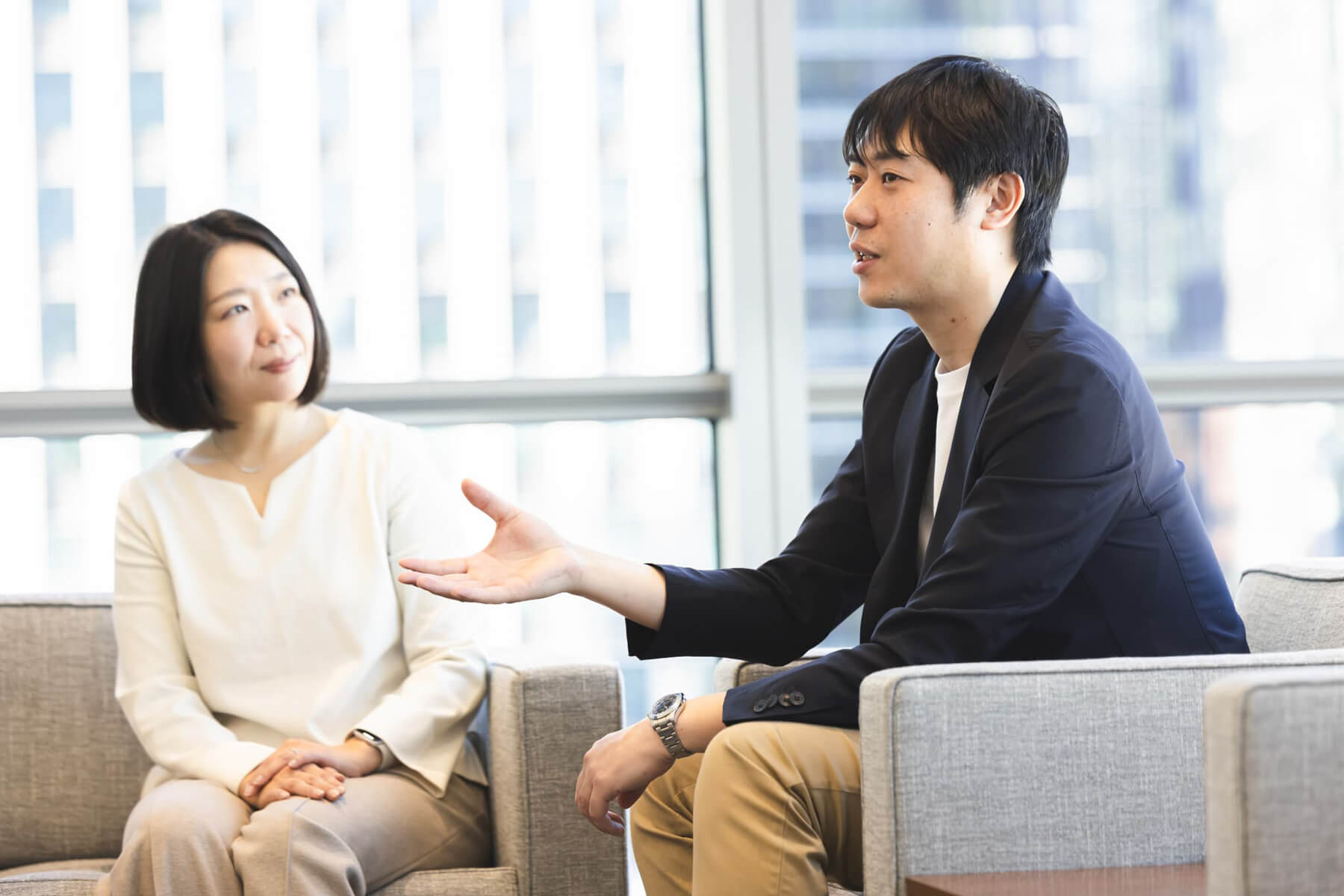
Ozaki Test scores matter, of course, but expressing yourself in interviews is most important. You have to think carefully about your career experience, what you've learned and what you hope to achieve by applying that knowledge after earning your MBA. It's a process of thorough self-examination and putting your thoughts and motivation into words.
Nakayama In my case, I was repeatedly asked questions such as: "What are your values?" and "What matters most to you in life?" Preparing for business school became an opportunity to think deeply about life itself.
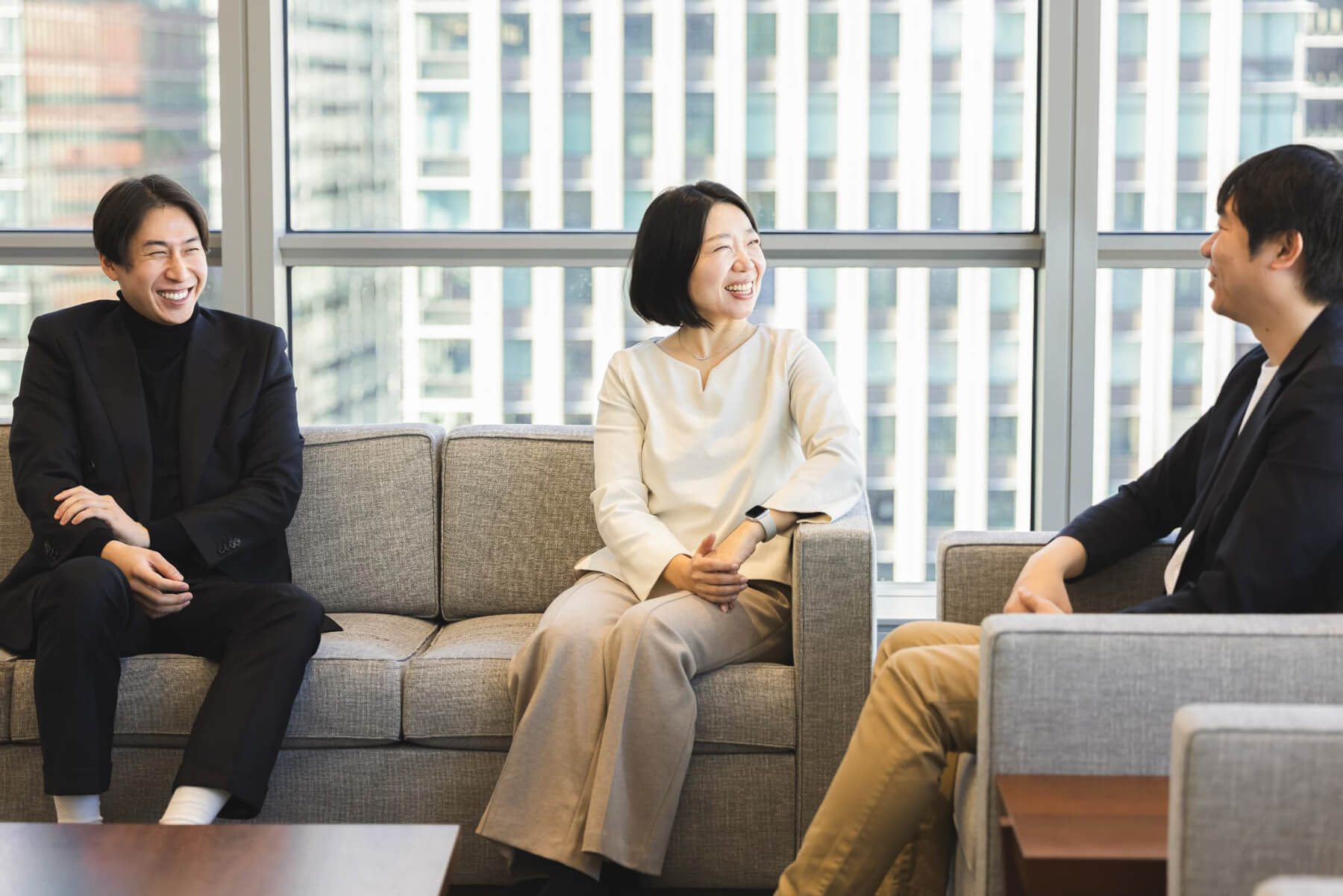
Finally, is there anything you would say to someone considering taking on an MBA?
Nakayama At business school, there are many highly driven people from around the world, including those who have invested all their personal savings to be there. Of course, the practical learning is valuable, but the stimulation you receive from such peers will also become a lasting asset. I have never heard anyone say they regretted pursuing an MBA. If you truly want to go, don’t give up – take on the challenge.
Ozaki I agree, I’m only glad I went. At the same time, 1.5–2 years is a significant amount of time, and depending on the person, some sacrifices may be unavoidable. Carefully laying out the reasons you want an MBA and why studying abroad is necessary for your own career is a crucial step. After thinking it through, if you’re still inspired to go, then trust that path and move forward.
Kou I've heard that some people who acquire an MBA while working for Japanese companies return home feeling their experience doesn't necessarily connect with their day-to-day work. But at Sumitomo Corporation, with its wide-ranging business portfolio, there are countless fields where diverse learning can be applied. Combining the latest frameworks for management and investment learned at business school with Sumitomo Corporation's strengths, corporate culture and networks, alongside one's own individuality, I believe we can all become trading company professionals with truly strong leadership and management skills.
Recommend
Culture
Put Your Experience To Work and Take On New Challenges: Four Articles To Help You Learn About Mid-Career Opportunities at Sumitomo Corporation
Culture
Turning Disabilities Into Strengths – Sumisho Well Support Creates New Possibilities in Disability Employment
+ (Plus)
Efficiency in the Name of Increased Quality of Life: Evolved Ways of Working Understood Through Assignment in Denmark

Culture
Sumisho Hands-on Internship Behind the Scenes: Experiencing "Real Work" Through Retail Data Marketing in the Field

Culture
Building an Ideal Career Through the Sumitomo Corporation Internal Job Posting System: Employee Shares Their Experience
Culture
Cost Reduction Effect Estimated at Around 1.2 Billion Yen Annually: Sumitomo Corporation's Frontline Use of Generative AI

Culture
HR Answers 10 Frequently Asked Questions About Work Styles (Part Two): "Is It Easy For Men To Take Childcare Leave?" "How Do You Balance Childcare and Work?" and More

Culture
HR Answers 10 Frequently Asked Questions About Work Styles (Part One): "How is Teleworking System Used?" "How About Overseas Assignments?" and More
Culture
Recreating an Employee Visit! What Job Seekers Want to Know: Building Global Careers at Sumitomo Corporation
+ (Plus)
How to Boost Organizational Performance in the Future: Rethinking Work Through AI and Power Naps
Culture
Recreating an Employee Visit! What Job Seekers Want to Know: The Joys and Rewards of Working at Sumitomo Corporation
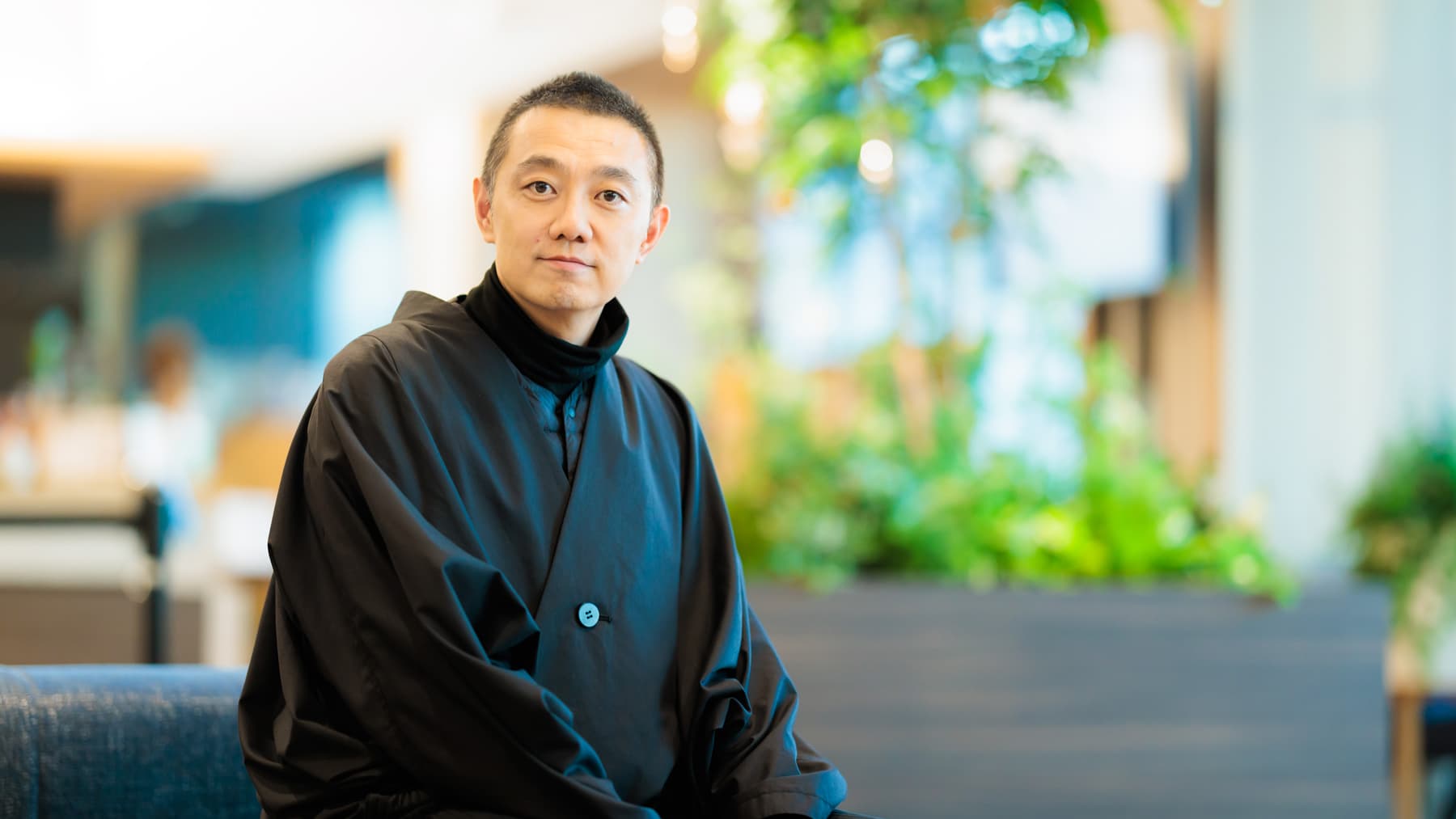
+ (Plus)
ChatGPT Isn't About Searching For the "Right Answer" – Yohei Sadoshima of Cork Inc. Uses AI For "Positive Conversation, Like Being Coached" / Enriching+ Special "ISSUE" Edition
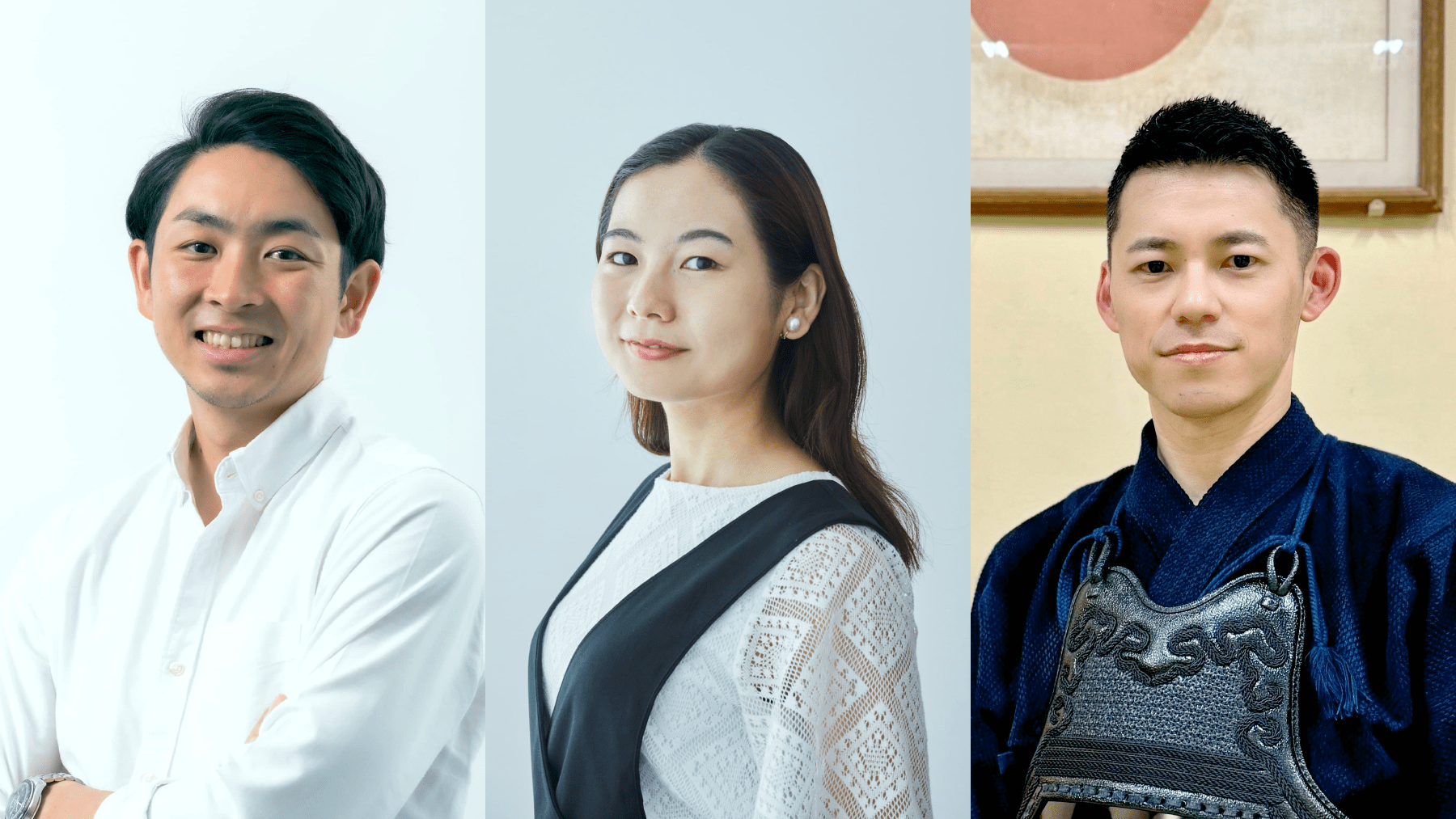
Culture
Introducing Sumitomo Corporation’s In-House Club Activities: Building Stronger Bonds Across Departments and Years!
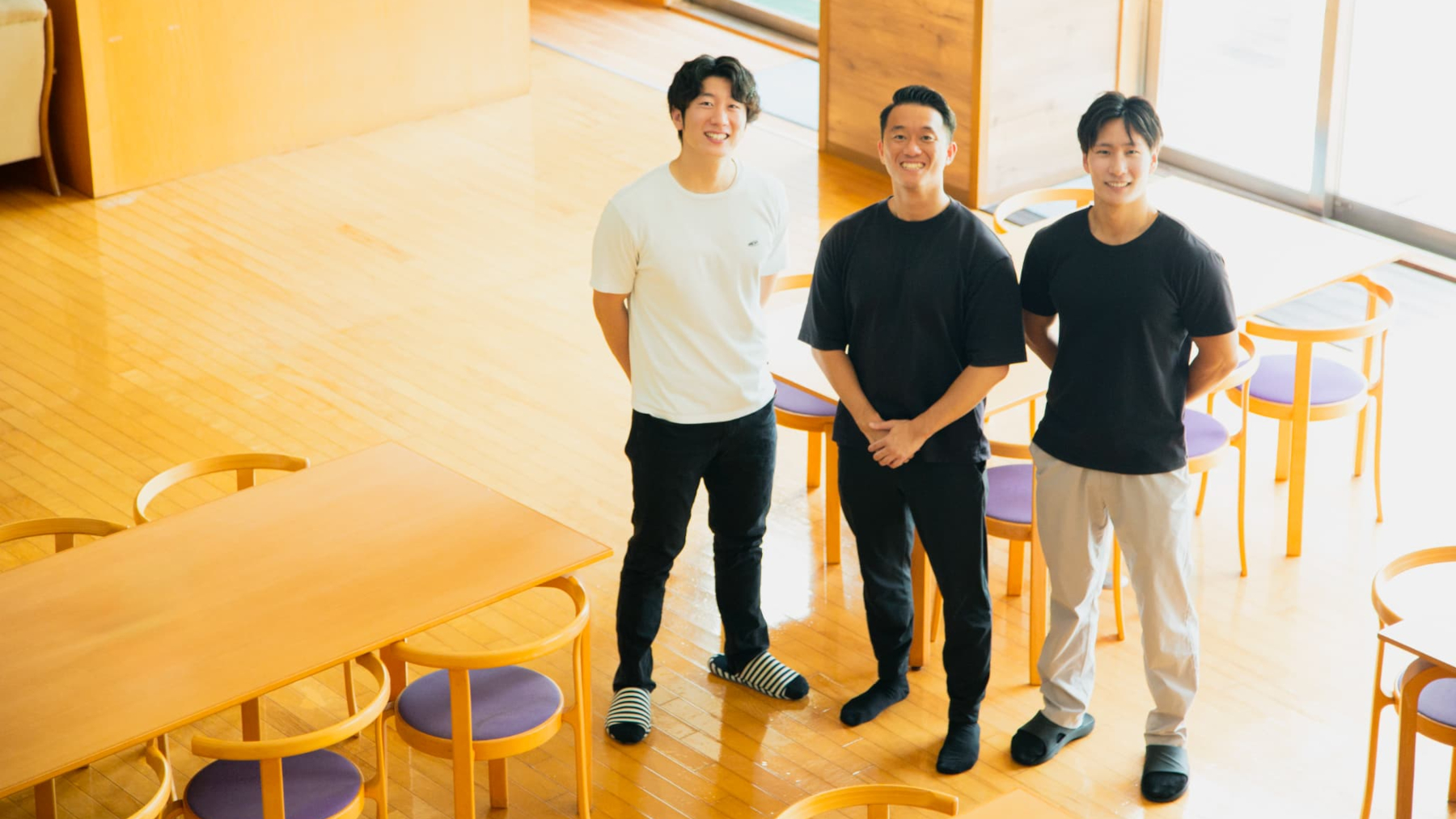
Culture
Sumitomo Corporation Dormitory Living: Young Employees Discuss How Dorm Life Promotes Growth
.png?h=720&iar=0&w=1280&sc_lang=en)
Culture
Take a Tour of the Sumitomo Corporation Head Office - Introducing Why It's Such a Great Place to Work!
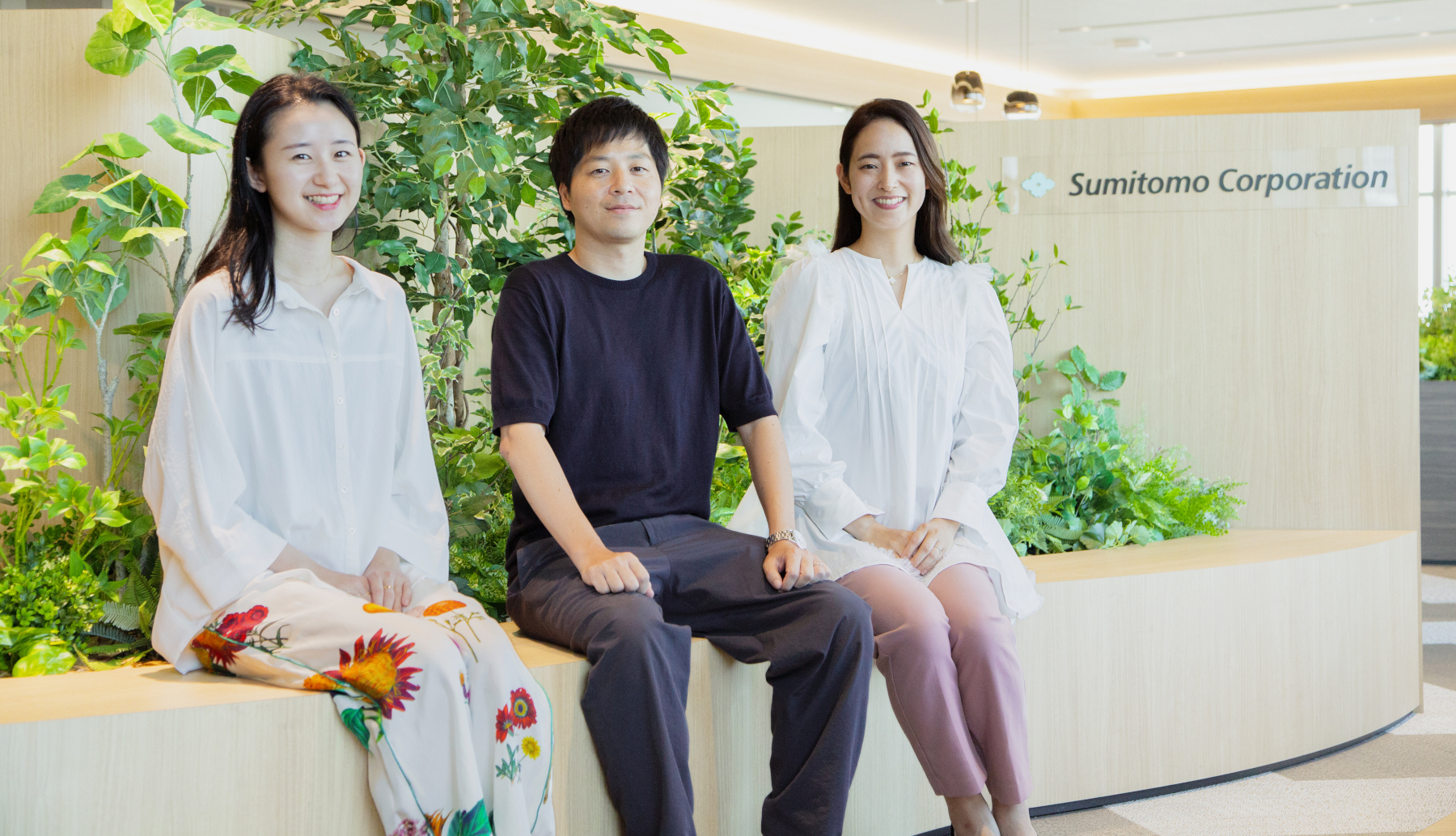
Culture
Is experience overseas necessary? What's the difference between new graduate recruitment and mid-career recuruitment? Recruiters answer 10 popular questions about mid-career hiring

Culture
Working To Improve Quality of Life for Pets and Their Owners – Finding Her Groove After 18 Months With the Company as a New Graduate

Business
World Biz+ India: Sumitomo Corporation Employees Overseas Work With Local Businesses Toward New Societal Development in India
Culture
Human Resources Managers on Strengthening Mid-career Hires, Which Now Account for 40% of Openings Filled
Culture
Mental and Physical Health at Work: Corporate Facilities Keeping Globally Competitive Traders in Peak Condition
Ranking


2026.10.2
Culture
"About Enriching+": The Story So Far, and Where Sumitomo Corporation's Official Owned Media Is Heading Next
2026.8.13
Business
Collaboration With SCSK Is Key: Inside Sumitomo Corporation Group's DAIS (Digital & AI Strategy)
2026.2.9
Business
Using AI to Streamline Track Inspections: Sumitomo Corporation and 33 Railway Operators Take on Labor Shortages in the Rail Industry
2025.8.29
Business
Sumitomo Corporation's Soaring Commercial Aviation Business: Powered by the World's Second Largest Aircraft Leasing Operation

2024.5.20
Business
SUMMIT: Making Supermarkets in Japan More Enjoyable