- TOP
- Enriching+TOP
- Efficiency in the Name of Increased Quality of Life: Evolved Ways of Working Understood Through Assignment in Denmark
+ (Plus)
Efficiency in the Name of Increased Quality of Life: Evolved Ways of Working Understood Through Assignment in Denmark
2026.3.16
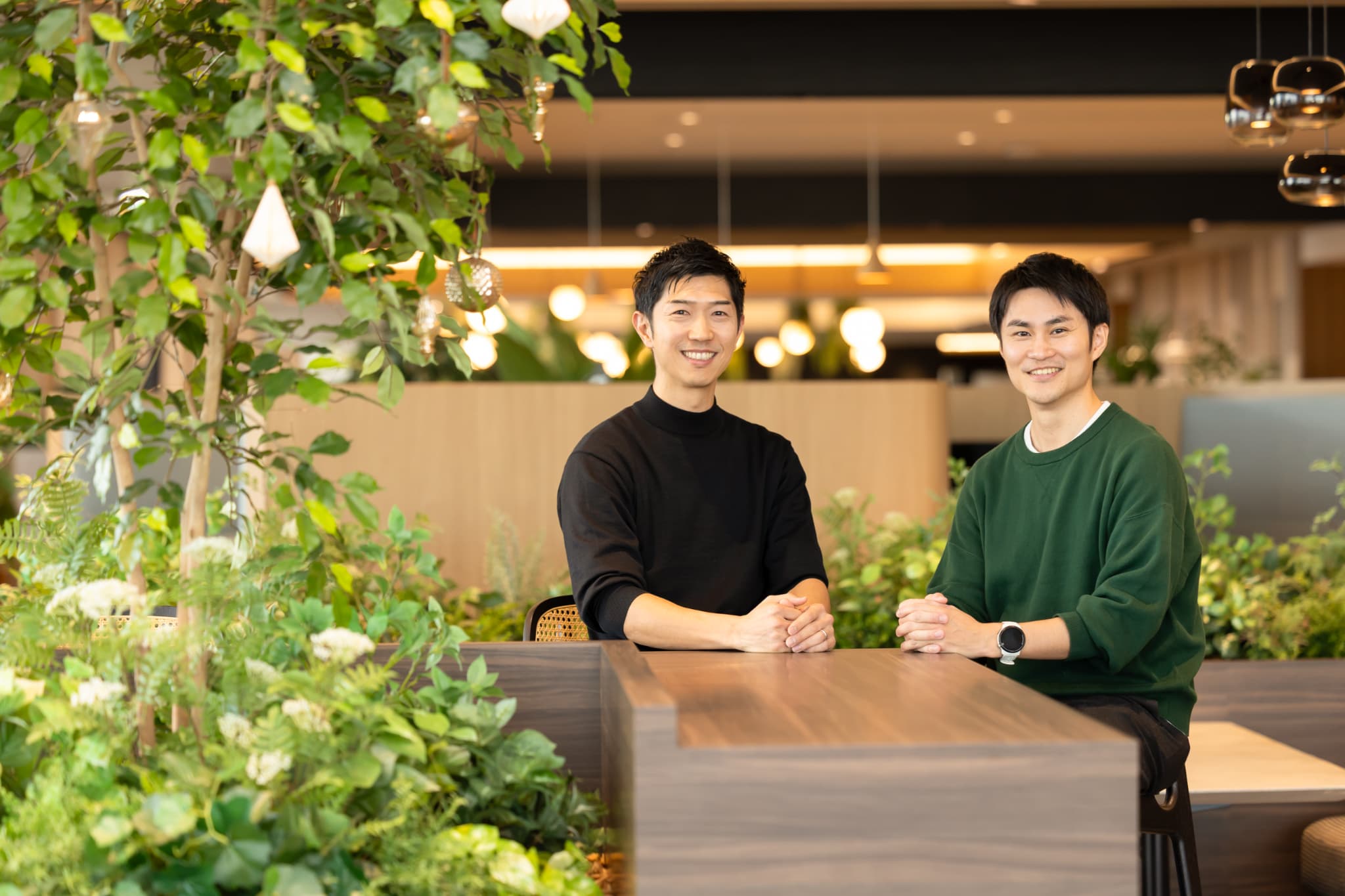
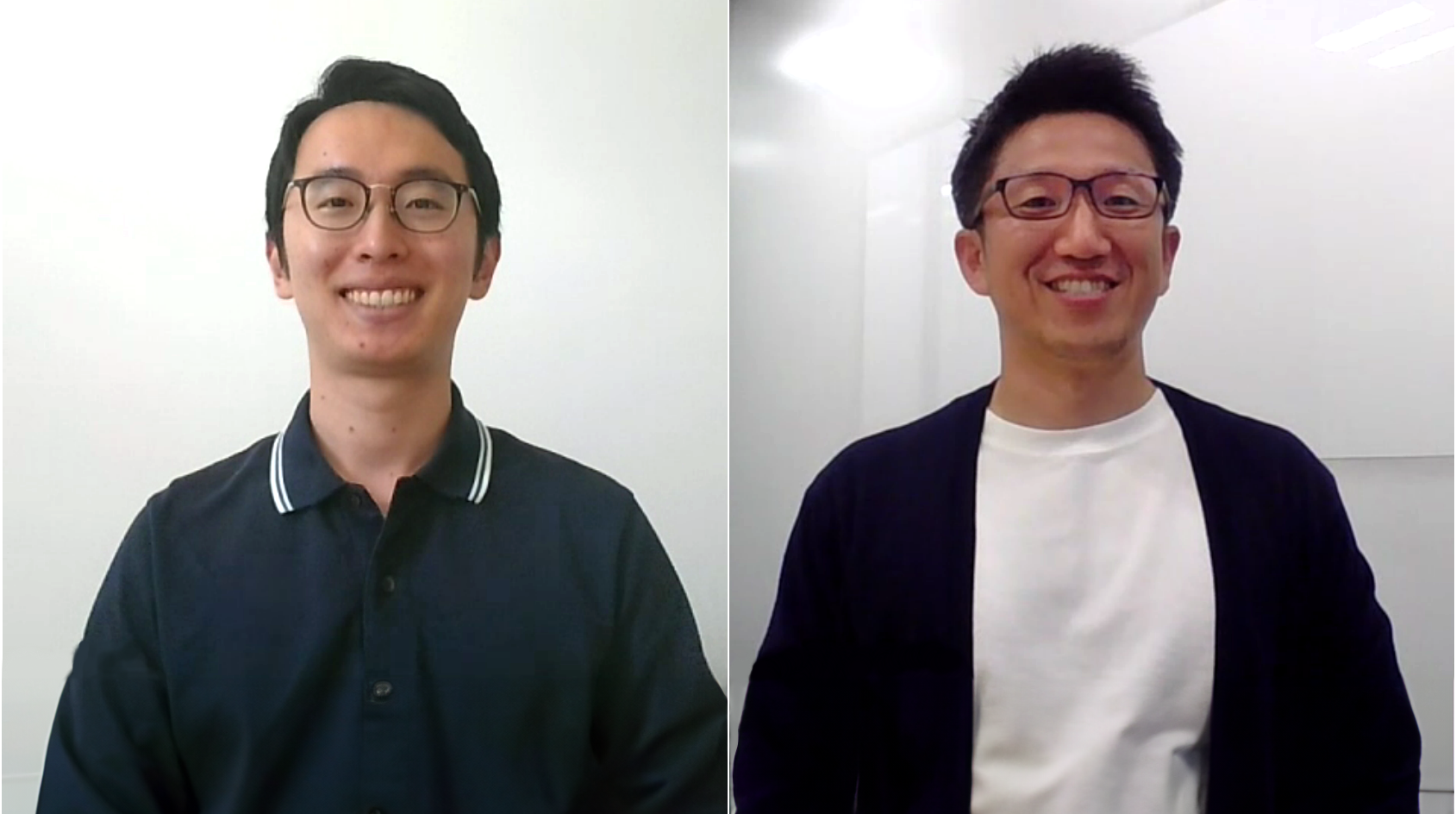
Denmark ranked second worldwide in the World Happiness Report 2025 published by the United Nations and other organizations. It also placed fourth in the IMD World Competitiveness Ranking for Business Efficiency and fifth in the World Digital Competitiveness Ranking, earning high marks as a country that successfully balances happiness with international competitiveness. Despite having a population of just around six million, how has Denmark been able to achieve these results? Today we spoke with two Sumitomo Corporation employees assigned to Denmark to explore ideas for more productive and fulfilling ways of working.
-
Sumitomo Corporation Europe
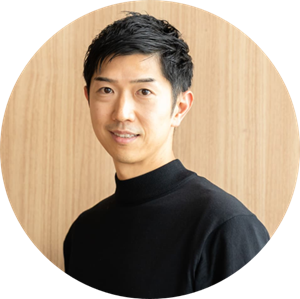
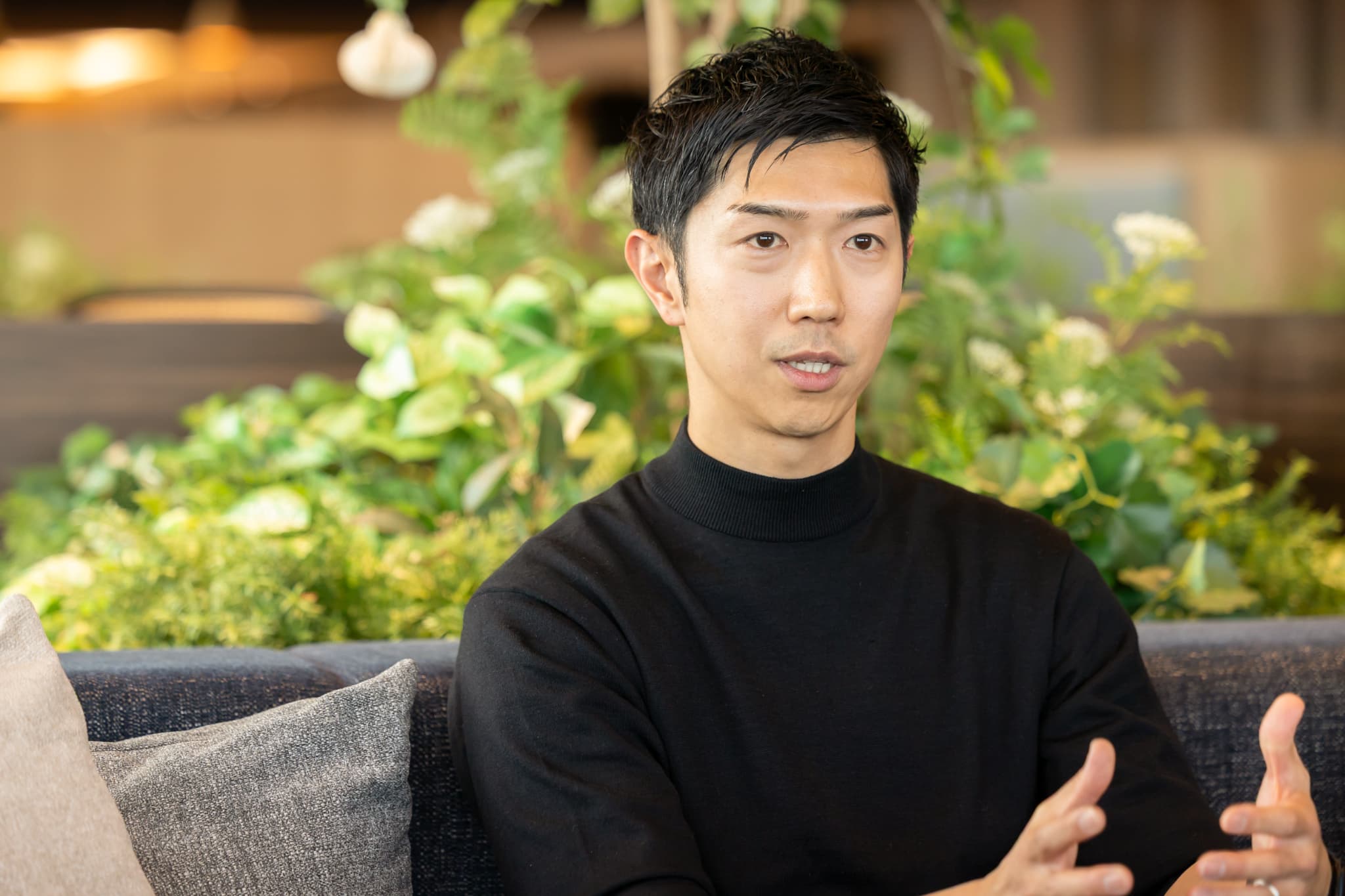
Ship & Marine Project Department / Hydrogen Business DepartmentKei Kato
Kato joined the company in 2009. After being assigned to the Ship & Marine Project Business Department II, he was responsible for vessel sales to domestic owners and shipping companies. In 2016, he transferred to Sumitomo Corporation Europe (London), and in 2017 was seconded to Triton Navigation, a ship-owning operating company based in the Netherlands. He returned to Japan in mid-2018. In 2021, he transferred to Sumitomo Corporation's Energy Innovation Initiative (EII) / Hydrogen Business Department, where he worked on hydrogen project development in Europe and next-generation marine fuels, primarily ammonia. In 2022, he was seconded to the Maersk Mc-Kinney Moller Center for Zero Carbon Shipping in Denmark, where he was involved in initiatives such as green corridors for next-generation marine fuels. In July 2025, he returned to Sumitomo Corporation Europe. His current responsibilities include new investments in next-generation vessels – such as offshore wind support vessels and heavy-lift carriers – within the ship business, as well as hydrogen-, ammonia- and bio-related project development under EII.
-
Hydrogen Business Unit
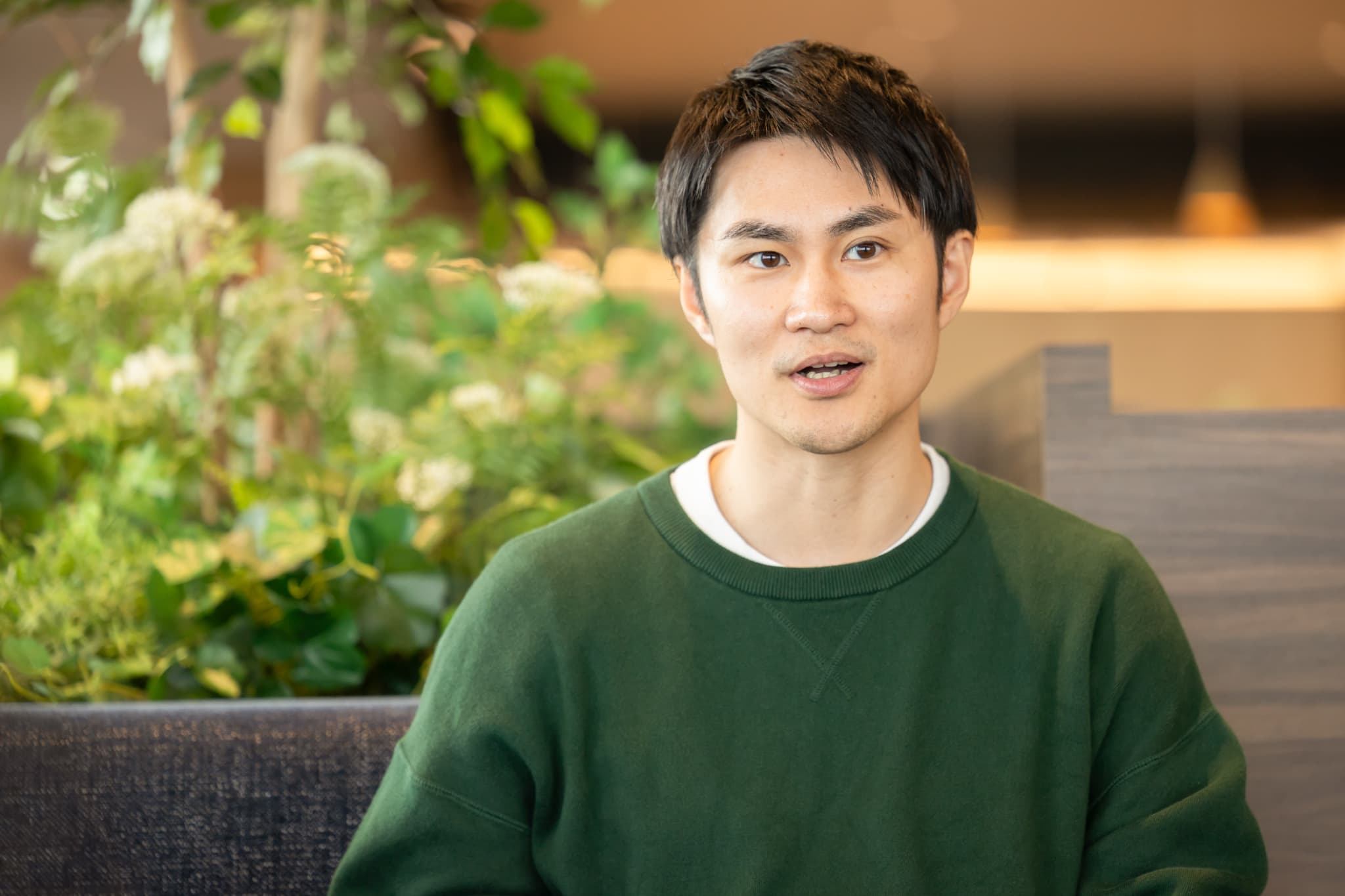
Yuji Kosaka
Kosaka joined Sumitomo Corporation in 2014. His initial assignment was with the Inorganic Chemicals Department, where he worked mainly on import and sales operations for inorganic chemicals. In 2020, following the launch of the Hydrogen Business Department, he transferred there and was involved in development projects in Australia. In 2021, he transferred to the Energy Department of Sumitomo Corporation Europe and was posted to London, where he worked on hydrogen-related projects across Europe. Since 2024, he has been seconded to the Maersk Mc-Kinney Moller Center for Zero Carbon Shipping, where he belongs to the Economics & Transition Finance team. He is engaged in research projects related to next-generation marine fuels, as well as projects aimed at shaping decarbonization-related regulations and policies in the shipping industry.
Happiness through Work: The Foundations of Danish Society
To begin, could you tell us about the Maersk Mc-Kinney Moller Center for Zero Carbon Shipping, where Mr. Kato was seconded until July 2025 and where Mr. Kosaka is currently working?
KatoThe Maersk Mc-Kinney Moller Center for Zero Carbon Shipping (hereinafter "Maersk Center") is an independent research and development center based in Copenhagen, Denmark, dedicated to advancing the decarbonization of the shipping industry. Its activities span a wide range, including support for the development of sustainable marine fuels and new technologies, policy recommendations, data analysis and collaborative projects involving industry, academia and governments.
KosakaThe Maersk Center currently has around 160 members. Roughly one-third are Danish nationals, with the remainder coming from over 30 other countries, primarily across Europe but also including the United States, Japan and South America. In addition to secondees from participating companies (referred to as "strategic partners") the organization brings together a diverse group of professionals with varied industry backgrounds, including shipping, as well as resources and energy.
What values do people in Denmark prioritize in their approach to work, and what kind of social background underpins those values?
KatoIn Denmark, the underlying value is "how to live a happy life," and work is positioned as a means to that end. While self-fulfillment through work and career development is important, there is a strong sense that time spent with family is directly linked to happiness and should be prioritized. To secure that time, organizations place the highest priority on efficiency, and there is a deeply rooted way of working that systematically eliminates inefficient practices.
KosakaThese values are also firmly supported by social systems. In Denmark, tuition fees for higher education, including universities and graduate schools, are generally free, and students can receive non-repayable grants while studying*. Since it is difficult to find employment with only a bachelor's degree, many people pursue graduate studies to acquire advanced expertise, and it is not uncommon to enter the workforce after earning a PhD.
*For example, individuals aged 20 or older living independently receive a monthly grant of 7,426 Danish kroner (as of 2026).
What are the key characteristics of the workplace environment?
KatoFirst, the way education and human resource development are viewed differs significantly from Japan. There isn't the assumption that organizations will invest long periods of time developing employees. Instead, companies hire professionals who can demonstrate expertise as immediate contributors. People with the required expertise are assigned to the projects that need them, and those who possess the skills to fulfill those roles are hired. Within this structure, professionals apply their expertise to move projects forward efficiently and produce maximum results in a short time. In contrast, behaviors valued in Japan – such as stepping in to cover areas outside one's formal role – are not necessarily appreciated, and may even be seen as deviating from assigned responsibilities.
KosakaAnother characteristic is the high degree of labor mobility, supported by a thoroughly job-based employment system and a robust unemployment insurance framework. Changing jobs is generally assumed, and people tend to focus on developing skills that are in demand in the labor market at any given time and that allow them to create value at any organization. At the same time, there is always the risk of dismissal if one fails to maintain their expertise, which makes attitudes toward learning and skill acquisition extremely rigorous. Many people devote their personal time outside of work to continuous learning to refine their professional capabilities.
KatoOn a day-to-day basis, output and results are prioritized over process, and individuals are expected to translate their ideas and actions into tangible outcomes. If results are delivered, decisions about how, when and where to work, or whether to use tools such as AI, are largely left to individual discretion. I personally had the opportunity to present a project I was responsible for at a major conference in Australia. From preparing the materials to delivering the presentation on the day, I was entrusted with nearly everything. While the responsibility was heavy and the pressure intense, the sense of accomplishment was equally great, and it became a significant source of confidence.
Leaving the Office at 4:00 PM As the Norm: Systems Designed to Enhance Performance
What aspects of working style or workplace culture stood out to you while working at the Maersk Center?
KatoThe sense of working hours was very different from Japan. People arrive around 8:00 AM, start heading home from around 3:00 PM, and by 4:00 PM almost everyone has left. Setting a clear time limit of "work ends at 4:00" has real significance. This forces people to focus on how much value they can create within a limited timeframe, and as a result, productivity tends to increase. Another characteristic is the flat organizational structure. Information, including negative news, is shared openly, and there is a strong culture of addressing issues quickly and collaboratively.
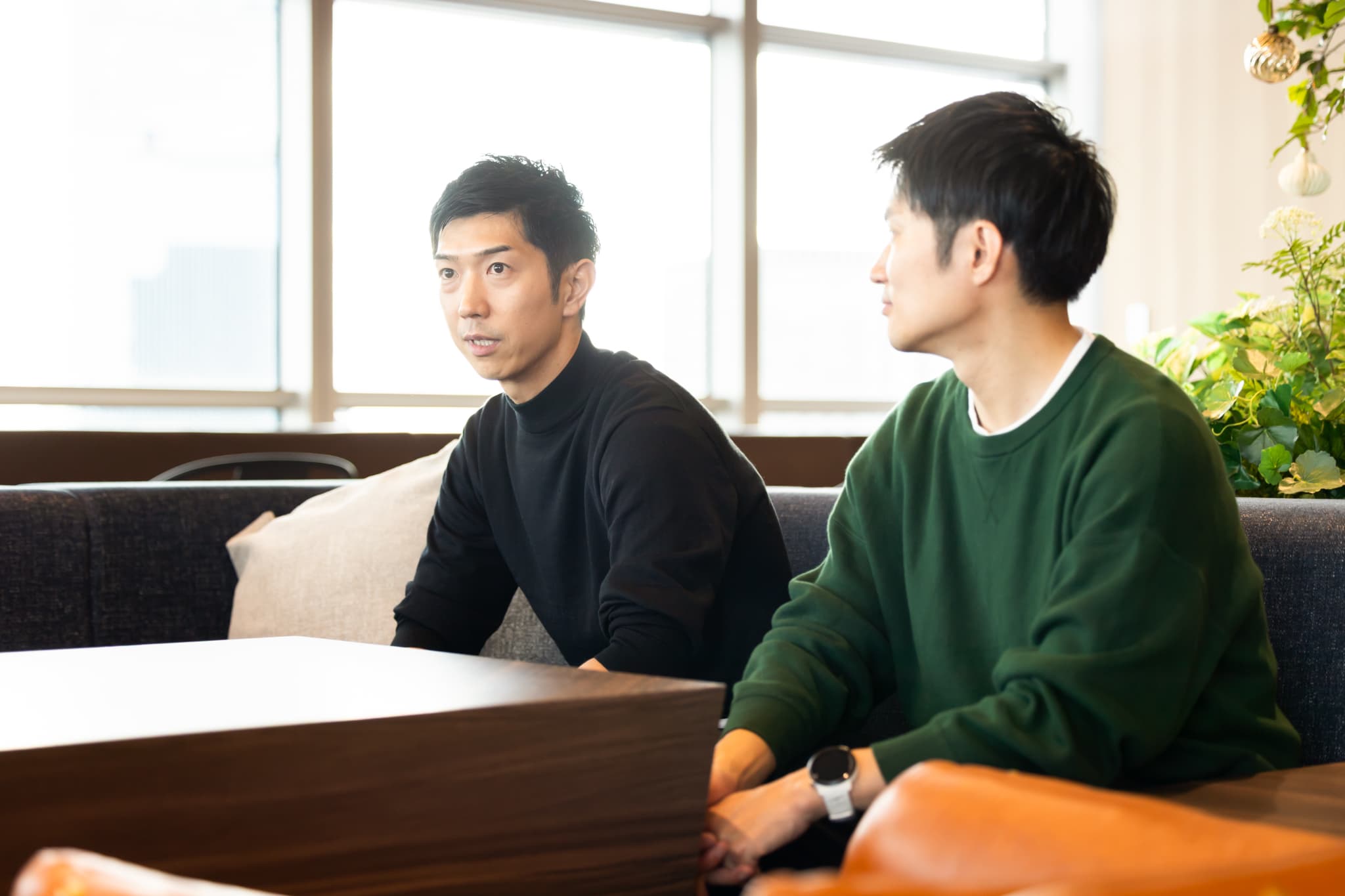
KosakaThere is a deeply ingrained awareness that time is an investment and a finite resource. Meetings are typically 30 minutes, at most 45 minutes. Agendas are shared in advance, and participants come prepared, having already organized their thoughts. Attending a meeting without sufficient preparation is itself considered inefficient and unprofessional. Attendance is limited to those who are truly necessary. If someone does not need to speak, they generally do not attend and instead receive the meeting minutes. Regular meetings held solely for information sharing or progress reporting are largely avoided. If each person fulfills their role and delivers results, formal reporting is seen as unnecessary. Because meeting purposes are so clearly defined, even a short 30-minute meeting functions effectively.
KatoAnother striking practice at the Maersk Center was the rule of "no internal meetings on Thursdays." When meetings are scheduled back-to-back, time for thinking inevitably gets squeezed. To avoid this, Thursdays are designated as a "zero-meeting day," and meeting rooms cannot be used for internal meetings. As a result, Thursdays are generally office days, naturally creating time to focus on thinking through tasks, preparing materials and engaging in dialogue with colleagues. I found this system extremely effective.
Were you able to adapt to the Danish way of working right away after your assignments began?
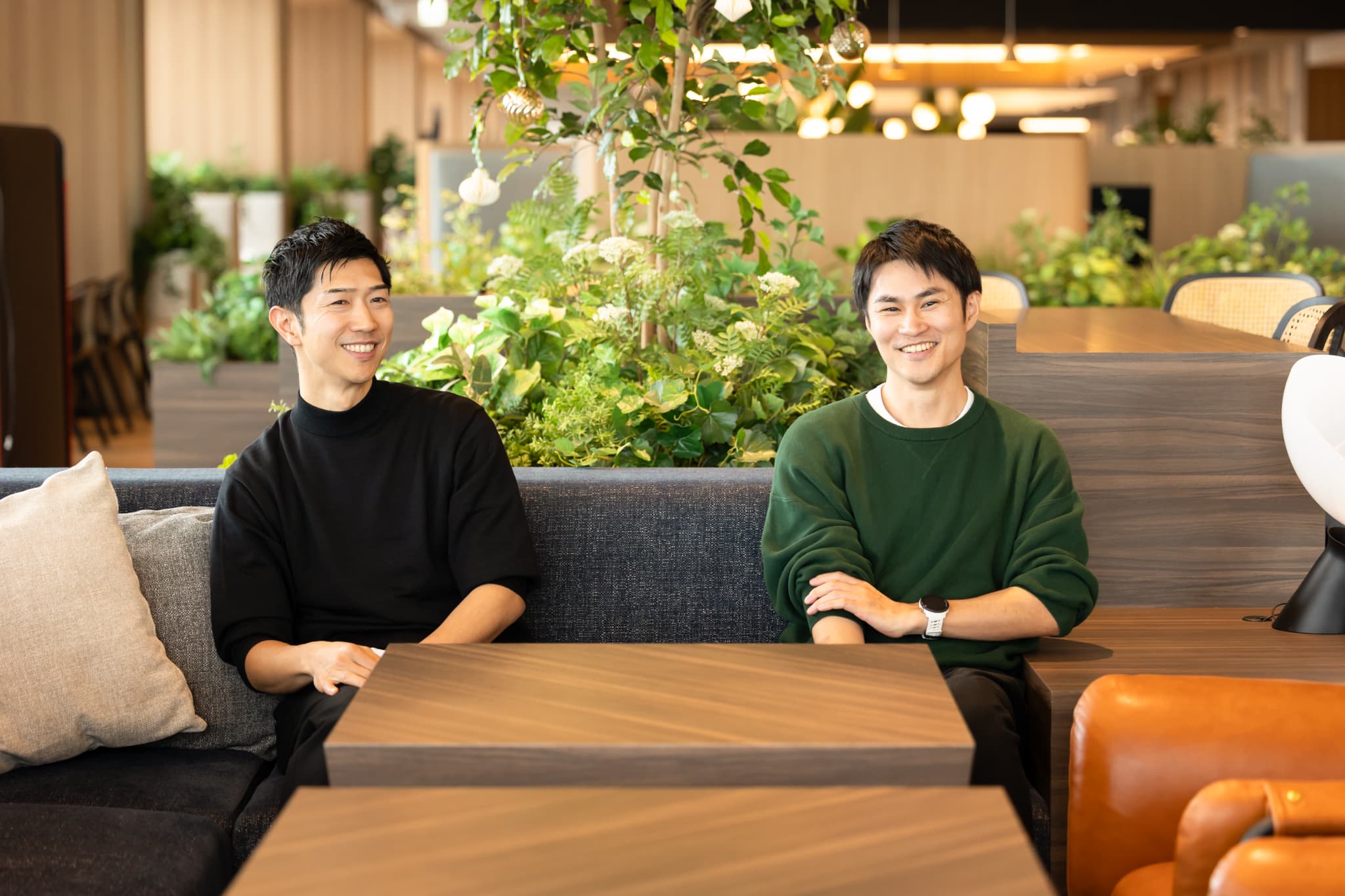
Kosaka For the first six months or so, I was honestly a bit unsettled. I wasn't used to leaving while it was still light outside, and I kept thinking, "Is it really okay to go home?" (laughs).
Kato I felt the same way. It wasn't just about time, but also about interpersonal distance. Because people prioritize time with family and friends after work, there are fewer after-hours drinking gatherings at the workplace. For someone accustomed to Japanese work culture, it can feel somewhat impersonal at first. That said, opportunities for interaction are firmly in place, such as days when teams have breakfast together, so communication doesn't disappear.
KosakaThe "Friday Bar" is another example of this. Every Friday from 3:00 PM, music starts playing in the office, and the space turns into a relaxed environment where people can enjoy food and drinks. The CEO participates, and employees are welcome to bring their families. People gradually start heading home around 4:00 PM, and by 5:00 PM the space is empty. Rather than organizing drinking parties outside the workplace, these casual opportunities for conversation naturally increase horizontal collaboration and help people share information about resource availability. Managers can also gauge their team members' capacity through these settings, which ultimately helps prevent work bottlenecks.
KatoAt Sumitomo Corporation Europe in London, I feel that similar initiatives inspired by the Maersk Center have been effective. When the office was renovated last year, a beer server was installed, and "bar time" in the canteen began on Thursday and Friday evenings. By incorporating elements of British pub culture, casual conversations with local colleagues have led to connections in many directions, and in some cases even to the creation of new business opportunities. From my perspective, the return on investment has been extremely high.
What Denmark Teaches Us About Enhancing Quality of Life
How did your approach to work change through your assignments in Denmark?
KatoWhat struck me most was how strongly people in Denmark prioritize quality of life. In Japan, the term "work-life balance" is commonly used, but in Denmark, work and life are not treated as equal counterparts. Instead, both are seen as a way of enhancing overall quality of life. By ensuring sufficient time with family and friends, people gain mental space, which in turn improves the quality of their work. I felt that this positive cycle is not only understood at the individual level but recognized and respected across organizations.
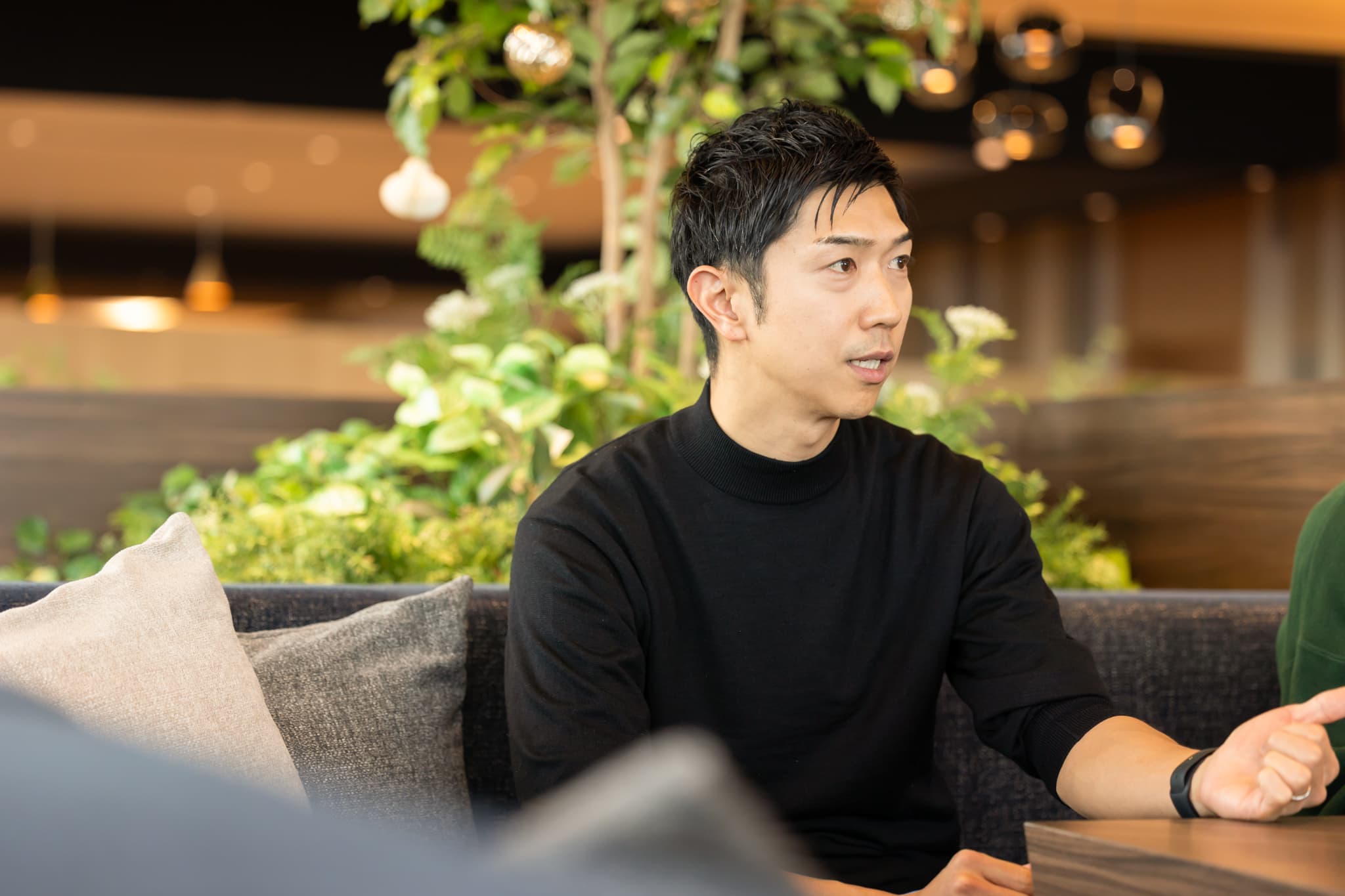
KosakaThe idea that "work is a means to happiness" has permeated society, not just at the individual level. Personally, the birth of my daughter also prompted me to think more about how to prioritize family time while still delivering results. I now feel that the choices you make after contemplating what really matters directly affects your own sense of happiness.
KatoI also found that my time with family increased significantly in Denmark. Having dinner together, taking baths with my children, reading to them before bedtime: those everyday moments became a normal part of life. It reinforced the idea that both life and work are grounded in family. Because there was time after 4:00 PM, I was able to exercise three or four times a week, such as running or playing futsal. Physical activity helped me refresh mentally, and I believe it ultimately improved my work efficiency as well.
KosakaThat's true: many people incorporate physical activity into their daily routines. Cycling and running are seamlessly woven into everyday life, and there's a natural rhythm of exercising with friends on weekdays and spending time with family on weekends.
KatoAnother impression was how much value people place on "time doing nothing." Sitting at home with a cup of coffee and simply relaxing. That sense of escape, I think, ultimately leads to creativity and new ideas.
When incorporating Danish approaches to work, what kind of mindset or awareness do you think is important?

KosakaJapan and Denmark differ greatly in terms of national scale, employment systems and underlying values. It's not a matter of which is right or wrong – and simply copying the Danish approach wholesale is not realistic. What matters is adopting a hybrid perspective, leveraging the strengths of Japan's way of working while selectively incorporating Danish ideas.
Similar ways of thinking are gradually being introduced at Sumitomo Corporation. Examples include personnel placement based on job profiles and the creation of expert career tracks. Rules aimed at streamlining meeting practices and document preparation are also being developed, which I see as positive steps toward greater efficiency.
KatoCompared with Denmark, I feel that in London the importance placed on family and health can still be somewhat less. Even so, small signs of change are emerging, such as people readily joining when someone suggests going for a run on a weekday morning, or colleagues scheduling gym visits during breaks in the workday.
Of course, changing organizational culture requires top-down support and structural reform. But by creating small triggers like these, people begin to think about how they use their own time. That awareness can gradually change daily work styles and output, ultimately leading to higher quality of life.
Recommend
Culture
The Defining Experiences That Shaped His Leadership
Culture
Put Your Experience To Work and Take On New Challenges: Four Articles To Help You Learn About Mid-Career Opportunities at Sumitomo Corporation
Culture
Recreating an Employee Visit! What Job Seekers Want to Know: Building Global Careers at Sumitomo Corporation
Culture
Making the Jump to an Integrated Trading Company: A Second-Year Manager Takes on the Challenge of Building a Base in Bengaluru, India with a 10-Year Vision
Business
WORLD BIZ+ ―Exploring the Reality of the Workplace Vol.1― A Day In the Life of a Young Employee Working in an Industrial Park in Bangladesh
+ (Plus)
How Overseas Assignments Changed Perspectives on Household Chores and Parenting: Two Male Employees From Sumitomo Corporation Take on New Challenges
Culture
Tomodachi Sumitomo Corporation Scholarship Program – 11 Years After Establishment Former Scholarship Recipient and Employee Mentor in Conversation: “My Year of Study Abroad Is Over, but I Have a Mentor for Life.”
Business
World Biz+ India: Sumitomo Corporation Employees Overseas Work With Local Businesses Toward New Societal Development in India
Culture
A True Kansai Native Enters the International Business Arena: Excitement and Education as an Expat in London

Culture
Embracing "This is Africa" – Young Japanese Expats Abroad Contributing Locally and Globally

Business
World Biz+ Africa: Sumitomo Corporation Employees Overseas Contribute to Nation Building With a Multinational Team
Ranking

2026.10.2
Culture
"About Enriching+": The Story So Far, and Where Sumitomo Corporation's Official Owned Media Is Heading Next
2026.8.13
Business
Collaboration With SCSK Is Key: Inside Sumitomo Corporation Group's DAIS (Digital & AI Strategy)
2026.2.9
Business
Using AI to Streamline Track Inspections: Sumitomo Corporation and 33 Railway Operators Take on Labor Shortages in the Rail Industry
2025.8.29
Business
Sumitomo Corporation's Soaring Commercial Aviation Business: Powered by the World's Second Largest Aircraft Leasing Operation

2024.5.20
Business
SUMMIT: Making Supermarkets in Japan More Enjoyable