- TOP
- Enriching+TOP
- Embracing Challenges in BtoC Business for 20 Years Across Four Secondments: Value Discovered with Customers on the Front Lines

Culture
Embracing Challenges in BtoC Business for 20 Years Across Four Secondments: Value Discovered with Customers on the Front Lines
2026.1.6
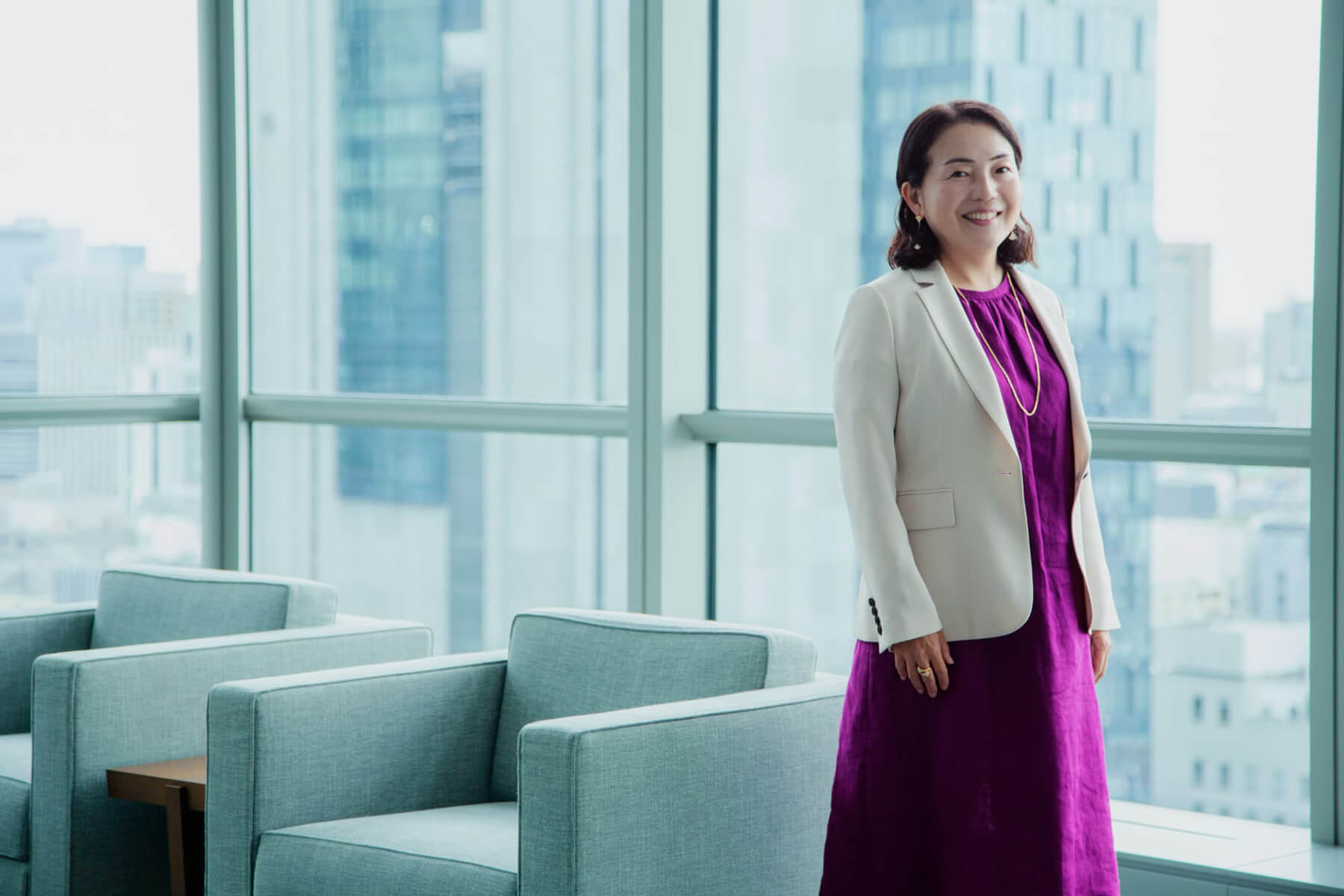
While trading companies are often associated with business-to-business (BtoB) operations, Sumitomo Corporation also operates a range of business-to-consumer (BtoC) businesses through its Lifestyle Business Group. These include Summit, a supermarket chain; Tomod's, a drugstore chain; and Shop Channel, Japan's largest dedicated TV shopping channel*, among others. Today we're introducing Yuko Okatsu, who has spent more than 20 years working in Sumitomo Corporation's BtoC business. Having entered the unfamiliar world of BtoC without prior experience, she reflects on her journey through four secondments to operating companies in the consumer sector and shares her perspectives on management, including how she led a team of 80 people.
-
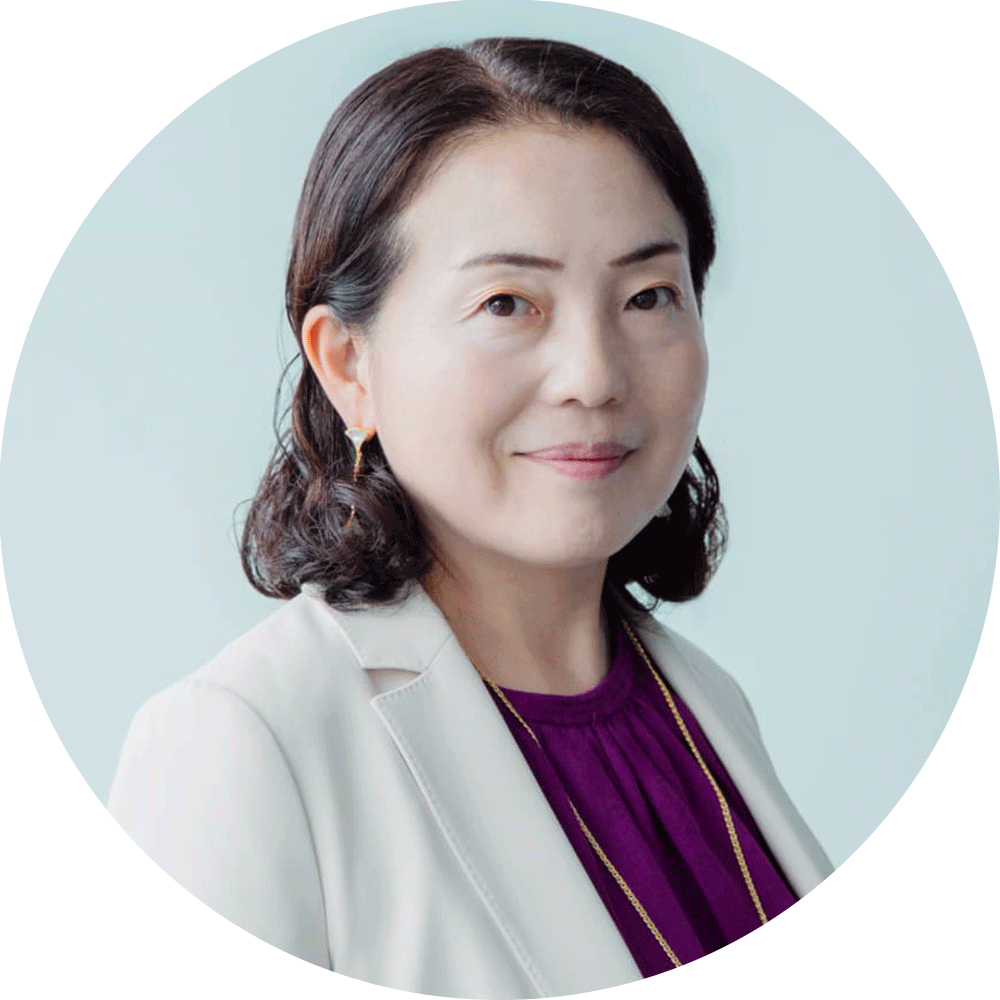
Deputy Group CFO, Lifestyle Business Group / Member of the Future Design Team, overseeing the Future Design Initiative “DEZART LAB”
Yuko Okatsu
Okatsu joined Sumitomo Corporation in 1996. After working on the development and sales of industrial parks in Vietnam, she transferred in 2002 to what is now the Lifestyle Business Group through the company's internal job posting system and was seconded to the catalog mail-order company Otto-Sumisho. She later went on to secondments at Coach Japan and Hearst Fujingaho, followed by Jupiter Shop Channel, a TV shopping business. After returning to headquarters to work in the DX Center, she rejoined the Lifestyle Business Group in 2023 after 14 years and has been in her current position since 2024. She took maternity and childcare leave in 2017 and 2020 respectively.
Seeking a Place to Thrive – Choosing the Path of Consumer Goods: Relentless Days Spent on Secondment
Please tell us how you came to join the Lifestyle Business Group.
Right after joining the company, I was assigned to a department engaged in development and sales of industrial parks in Southeast Asia. I found that work very rewarding, but at the time, there were safety restrictions that limited which countries female employees could be assigned to. When I thought about my career options, I began to wonder whether there might be opportunities elsewhere where I could make better use of my strengths.
It happened to coincide with the launch of Sumitomo Corporation's internal job posting system. When I asked myself "What am I really passionate about?", what came to mind first was consumer goods – products closely connected to everyday lives. I thought this field, with its nature and the products it handles, complemented my own interests well, and that it might be a place where I could truly thrive. For these reasons I applied to transfer to the Lifestyle Business Group.
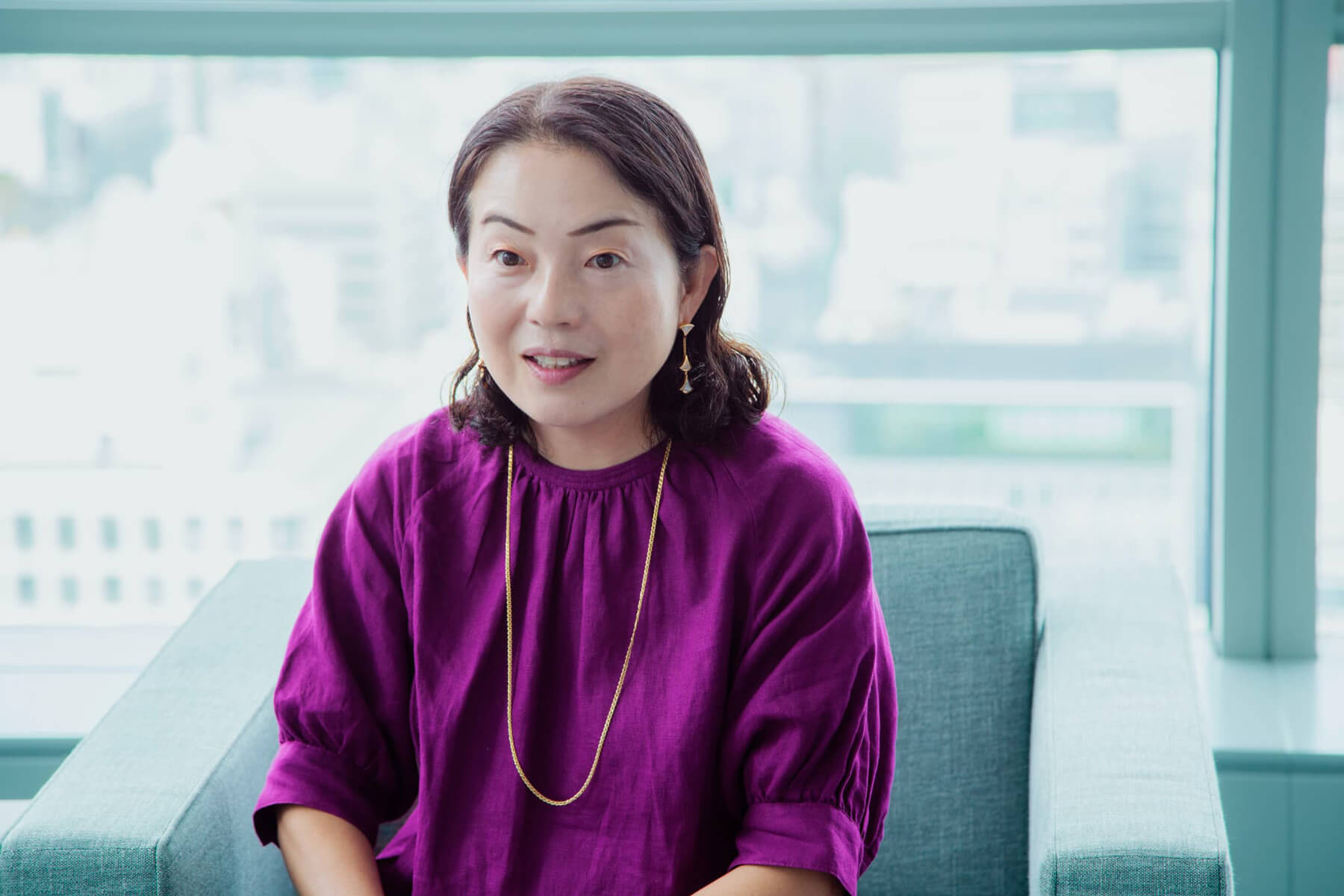
You've had several secondments. Could you share any particularly memorable experiences?
My first secondment was to the catalog mail-order company Otto-Sumisho. That was my introduction to the BtoC world. Compared with development and sales of industrial parks, both the scale and nature of the business was completely different. I went from handling investments worth billions of yen to working with products priced at 980 yen, sometimes even calculating down to the last 10 yen. I was also doing data analysis for sales for the first time, which was bewildering at first.
At my next secondment, Coach Japan, not only were the job responsibilities different, but so was the business culture typical of a foreign company. In that environment, a secondment was synonymous with sending in an expert, and you were expected to perform as one from day one. In this setting, answering "I don't know" simply wasn't an option. I was mainly responsible for store operations and inventory management, and I spent countless hours studying textbooks and manuals. In a short period, I was able to establish internal processes and systems.
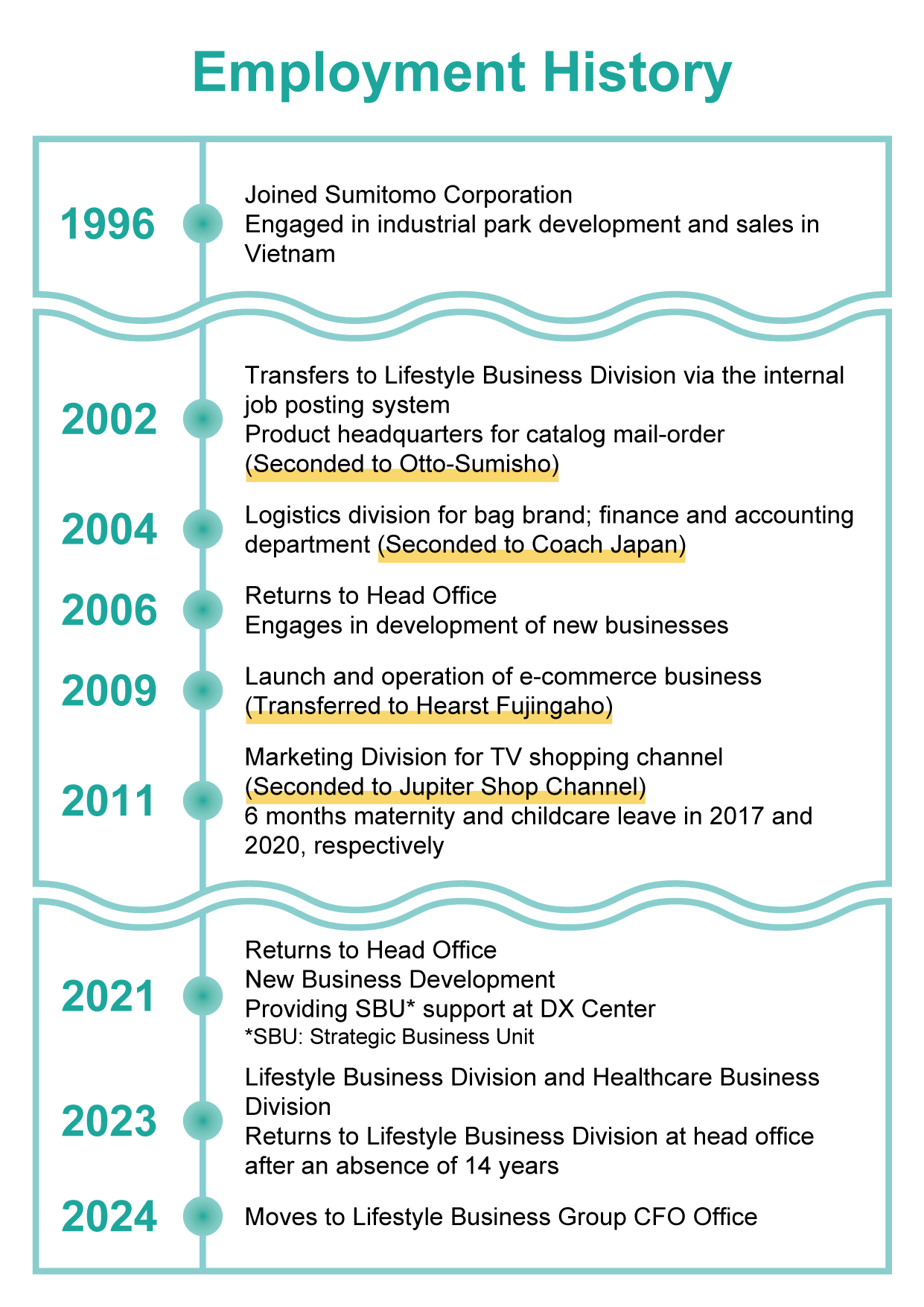
My secondment to Hearst Fujingaho, a publishing company, was a chance to pursue something I had long wanted: not to join an established organization, but to build a new business from scratch.
Together, we launched an e-commerce site to sell apparel. At that time, e-commerce was just emerging, and there were virtually no precedents in Japan for selling apparel online. We asked ourselves, "What can Sumitomo Corporation, with its retail experience, uniquely bring to this space?" Seeing successful cases overseas, I believed we could make it work in Japan too. We handled everything from merchandising (deciding which products to sell to which audience), to sales forecasting, procurement, system and logistics design, call center setup and recruitment. I had to first think through every practical aspect involved in launching the e-commerce site on my own, while also moving things forward by gaining cooperation from those around me.
Just before the site went live, I was probably working the hardest I ever have in my life. We'd already announced the launch date, so there was no room for delay. Looking back, it’s hard to imagine working that way now, but there were several months when I only slept two or three hours a day. It was exhausting, but the joy of seeing sales come in on the very first day made it all worthwhile. I remember thinking, "Tonight, I'm going to sleep!" (laughs). It was a grueling process, but being involved in every stage – from conception to operation – was an invaluable experience. That's when I made perseverance my personal credo: Never give up until the job is done.
It sounds like each experience has built on the last to shape your career.
Yes, exactly. When we successfully launched the e-commerce site, I realized how much I had drawn on what I'd learned at Otto-Sumisho and Coach Japan. That gave me real confidence in how my career was taking shape. I've always loved being close to the front lines. In the BtoC field, you're constantly challenging yourself, trying new things, sometimes getting swept up in the current, but seeing the business take off, customers choosing the products you've helped bring to live, and watching those products become part of their daily lives: that's the true reward of working in the consumer business.
"Trust Your Team" – Leadership Philosophy Formed Across Diverse Organizations
After becoming a manager and leading a team, what kind of management style did you focus on?
At Jupiter Shop Channel, I served as Executive Officer and Head of the Marketing Division, overseeing a team of 80 people. Of course, it wasn't possible for me to manage everyone directly, so I focused on creating an environment where the division and section managers reporting to me could fully exercise their leadership. What I paid most attention to was presenting a vision in clear, accessible language. To align the organization's direction, I made sure to communicate frequently about company policies and the goals we were collectively aiming for.

I believe that every job has something enjoyable about it. To help raise each team member's motivation, I make a point of explaining why their individual tasks matter. For example, if a new hire feels frustrated doing what seems like repetitive system work, I might say, "This content is something every customer sees when making a purchase, and it directly affects the buying decisions of millions." That perspective encourages people to approach their work with real understanding and conviction.
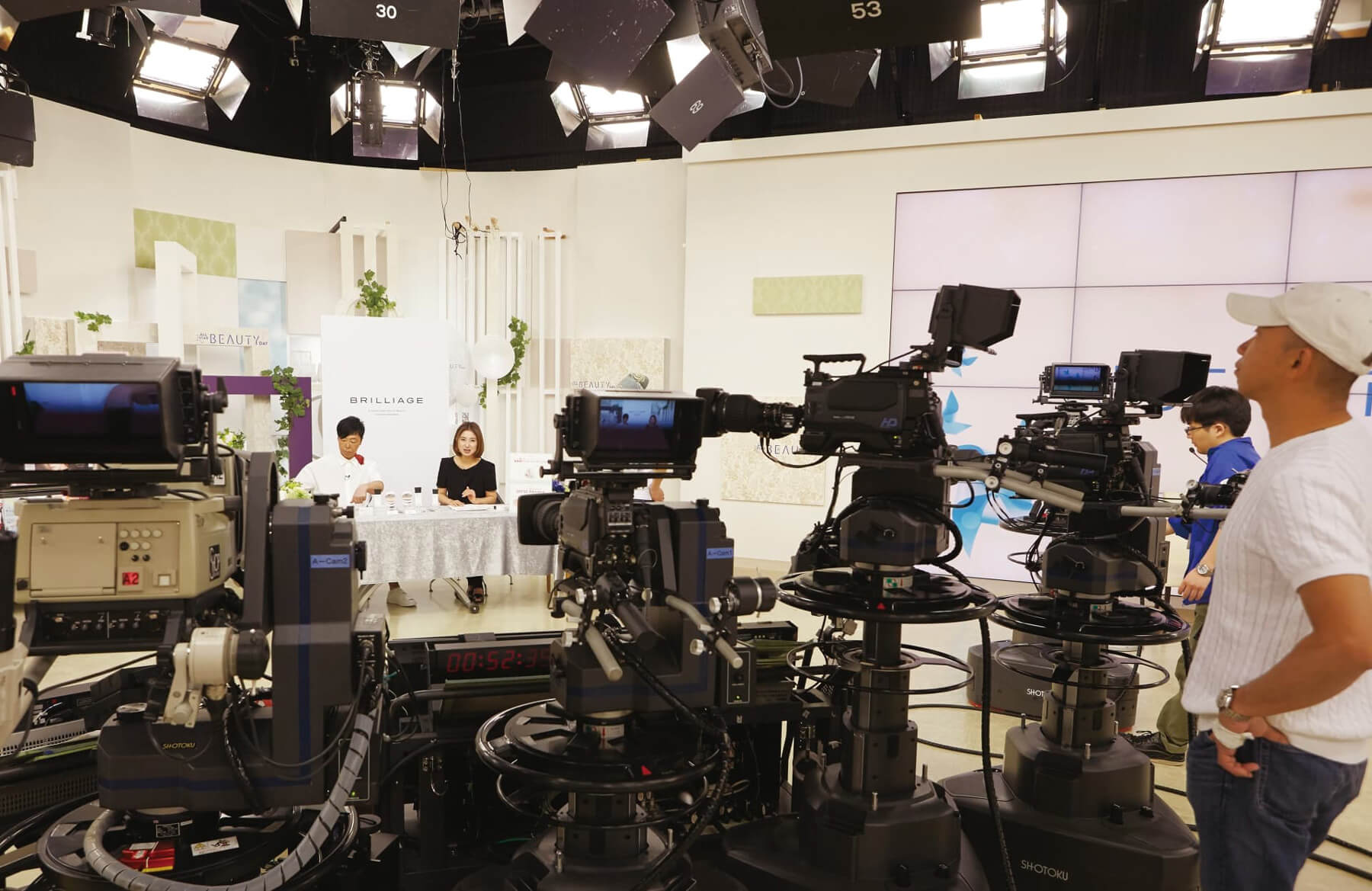
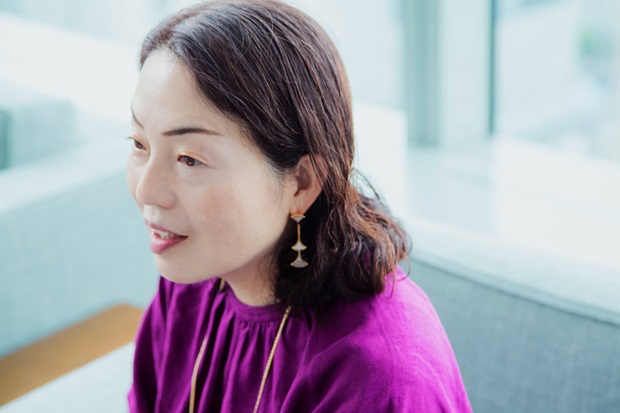
In terms of mindset, I constantly ask myself what it means to be a leader who inspires trust. One key is consistency between words and actions. Rather than trying to appear larger than life, I believe in staying authentic, in having the courage to move forward without losing your balance or pretending to be someone else. Another is trusting your team and giving them autonomy. I try to delegate as much as possible and observe, stepping in only when I sense things veering off course. Striking that balance is difficult, but failure is often the best teacher. Ultimately, I approach management with the resolve to take full responsibility.
You also took maternity and childcare leave twice while in demanding roles. How did you strike a balance?
In my case, after consulting with my supervisor, I decided to return to my position around three or four months after giving birth. I wouldn't necessarily recommend this to others, but I made the decision myself because I didn't want my career to be interrupted or to place a burden on those around me. I got through those hectic days by relying on easy meal kits and asking my mother and husband for help. Since it was difficult to attend evening gatherings when my children were young, I even hosted team get-togethers at home on occasion.
Many of my team members ask me for advice on balancing work and family. I'm still figuring it out myself, but I try to switch gears consciously so that neither side suffers. For example, on the walk home from the station, I tell myself, "Once I cross this crosswalk, I'll only think about home." It's a small ritual that helps me switch off from work mode.
Nowadays, remote work has enabled far more flexible ways of working. Regardless of gender or age, everyone has their own circumstances, and not everyone can work full-time. I hope we continue moving toward a society where people can choose work styles that fit their personal lives, not defined by being a man or a woman, but by being an individual.
However Far Technology Advances, Value Creation Still Begins at the Front Line
After your four secondments, what kinds of initiatives are you currently involved in?
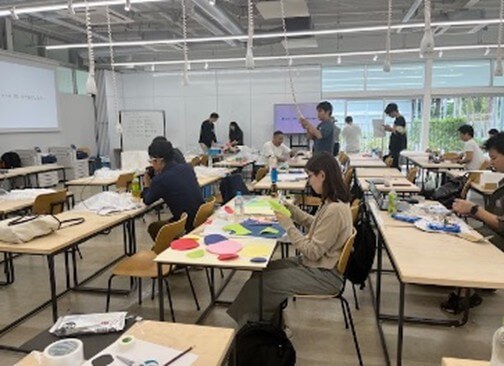
In this era of constant change, it's not easy to continuously generate new business ideas that stay ahead of the curve. Within the Lifestyle Business Group, we're working to strengthen our ability to envision the future – refining the kind of thinking that allows us to anticipate change. One such initiative is a series of workshops that develop creative thinking through art, conducted in collaboration with universities and experts. These programs are already proving valuable for launching new businesses that require imagination, as well as for enhancing the value of existing ones. We've also developed our own in-house AI training program to help employees improve their business conceptualization skills using digital tools.
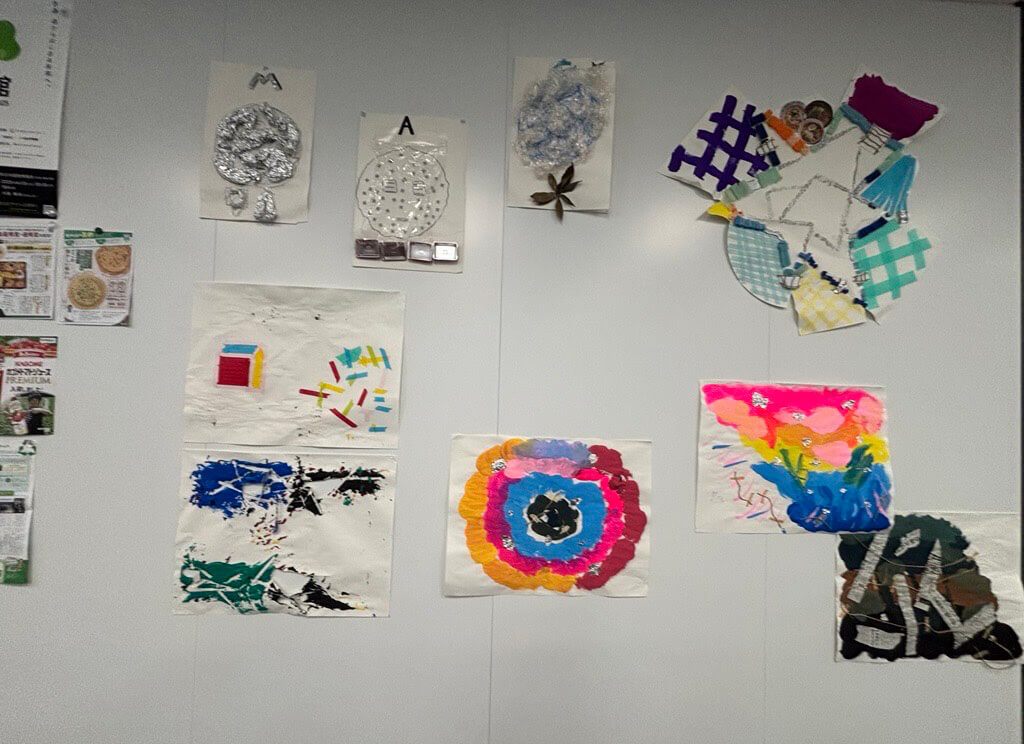
How do you envision Sumitomo Corporation's BtoC business 10 or 20 years from now?
It's hard to make any firm predictions even for the near future, let alone 10 or 20 years ahead. The role of AI, which everyone is talking about now, will also continue to evolve, so it's crucial that we stay informed on its latest developments.
That said, I believe one thing will remain a distinctive strength for Sumitomo Corporation in the practical aspects of BtoC: our direct connection to customers through stores such as Summit and Tomod's. Recently, I overheard a young woman say, "I love Summit so much that I always move to neighborhoods where there's a Summit store." Hearing that reaffirmed my belief that there's immense value in having employees who can directly observe and engage with customers in the field.
As digital technology advances at breakneck speed, we will continue to leverage data and AI, but we will also make the most of real-world customer relationships built over many years. As our world will never rely solely on digital technology, the ability to operate with both strengths in tandem is what gives Sumitomo Corporation an edge. I am confident that the creative thinking we're developing now will be the key to unlocking that potential.
Recommend

Business
WORLD BIZ+ ―Exploring the Reality of the Workplace Vol. 9― The World's Second-Largest Producer of Carrot Juice From the Fields of New Zealand to Tables in Japan
Business
How Secondments Build Frontline Skills and Business Creativity: The Healthcare SBU's Talent Development Cycle
Business
Leading Expertise in Custom Oil Orders: Inside Summit Oil Mill, Featuring Japan's No.1 Line-Up of Vegetable Oils

Business
WORLD BIZ+ ―Exploring the Reality of the Workplace Vol. 3― Vietnam’s Supermarket Business Opening the 19th Store – Challenging Japanese-Style Chain Expansion
Culture
From Sumitomo Corporation to President of Tiffany Japan, the Sumitomo Spirit Lives On: "Passionate Beginners Can Outperform Experts"

Business
Sumitomo Corporation Supports Regional Healthcare in Malaysia: Becoming the Country’s Leading Clinic Network
Culture
"That’s quality sugarcane!" A Sumitomo Corporation Employee’s 30-year Dedication to Sugar: Cultivating Sugarcane on Tanegashima Island

Business
SUMMIT: Making Supermarkets in Japan More Enjoyable

Business
Project Managers Take Us Behind the Scenes into the Development of "Herb Yongenton"

Business
Increase Motivation with Uniforms! How Sumisho Montblanc Cares About Workers
Business
50 years of FEILER Japan: Rebranding to continue another 50
Business
Aiming for the Creation of the Community-based Integrated Care System Platform
Business
Developing a rich future of “food”, together with the customers and local producers
Business
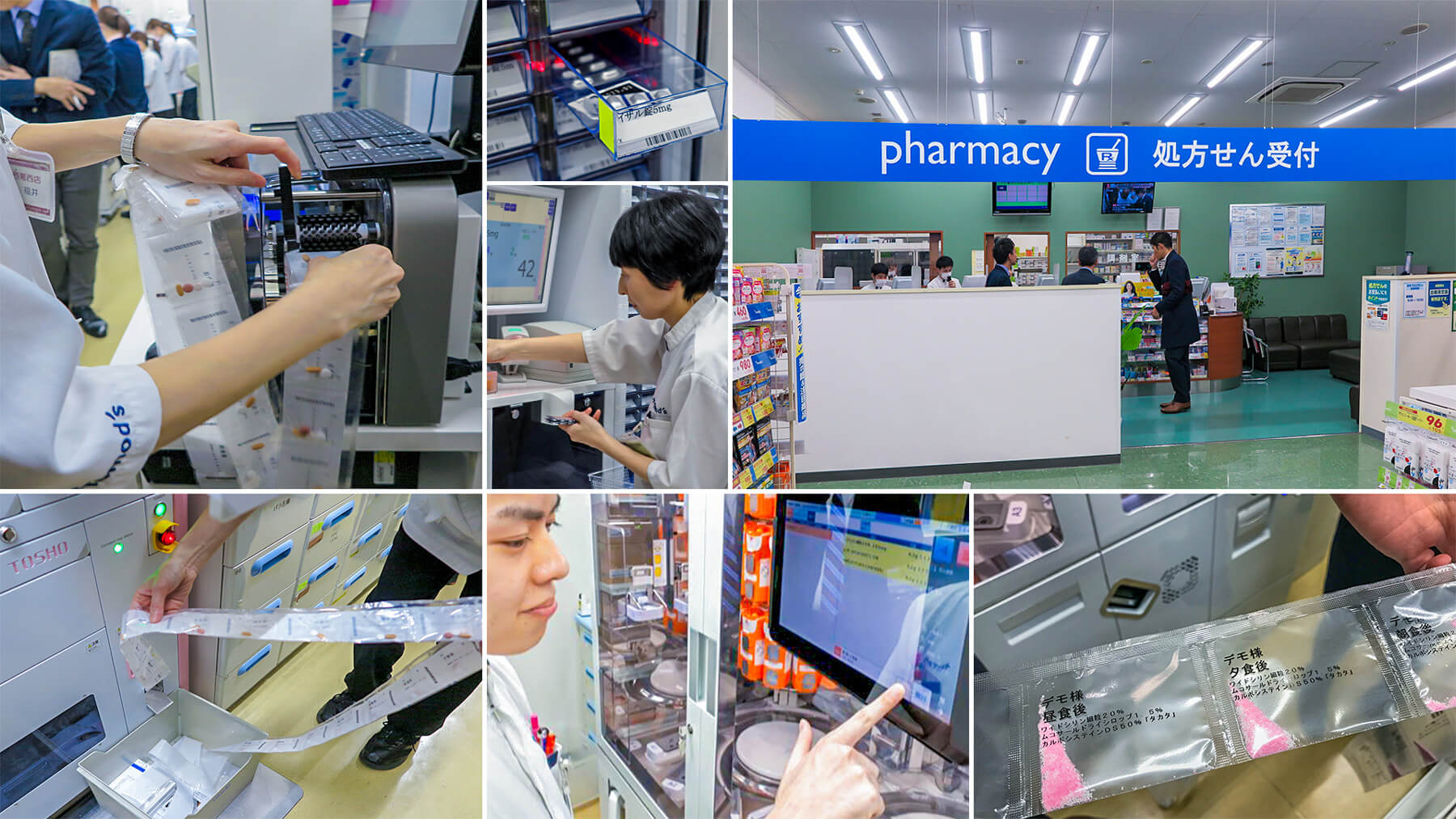
What the family drugstore Tomod’s sees beyond automated drug dispensing

Business
Creating a prosperous future around food, from production to consumption, together with our customers ―SC Foods―
Business
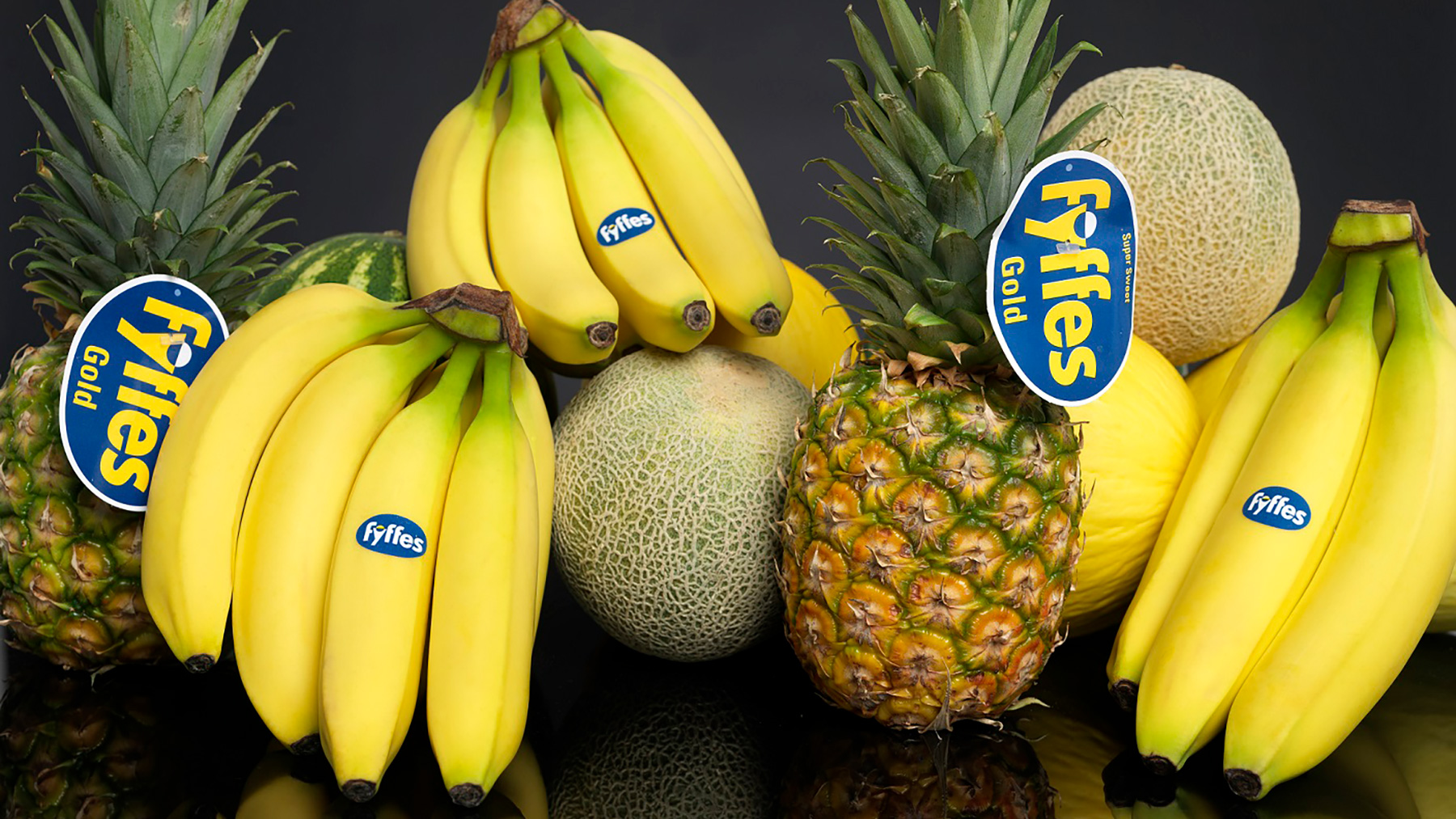
Global expansion of fresh produce business ―Fyffes―
Business
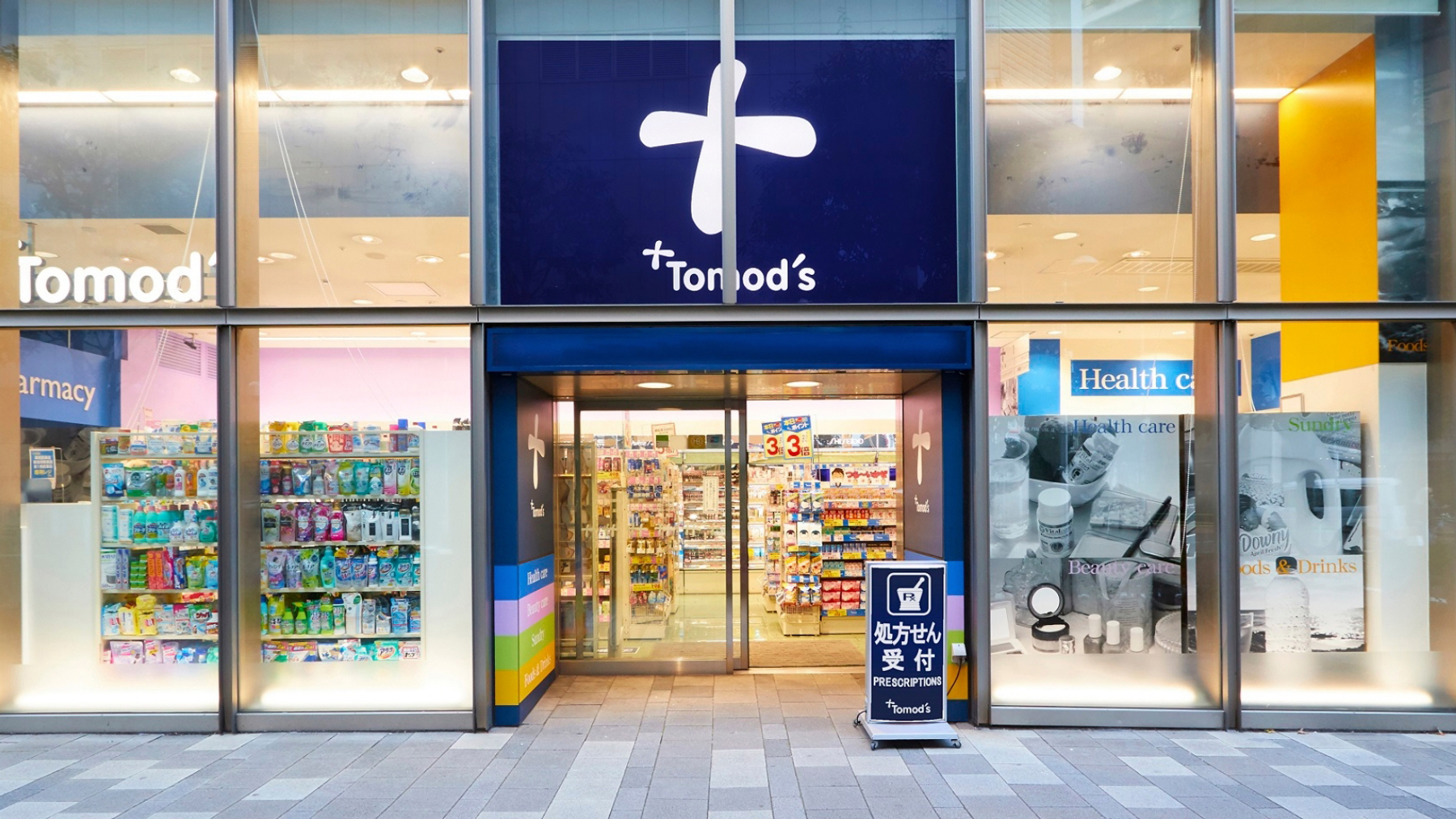
Tomod's is endeavoring to expand its services and promote DX in order to support the health of regional residents and enrich their lives
Business
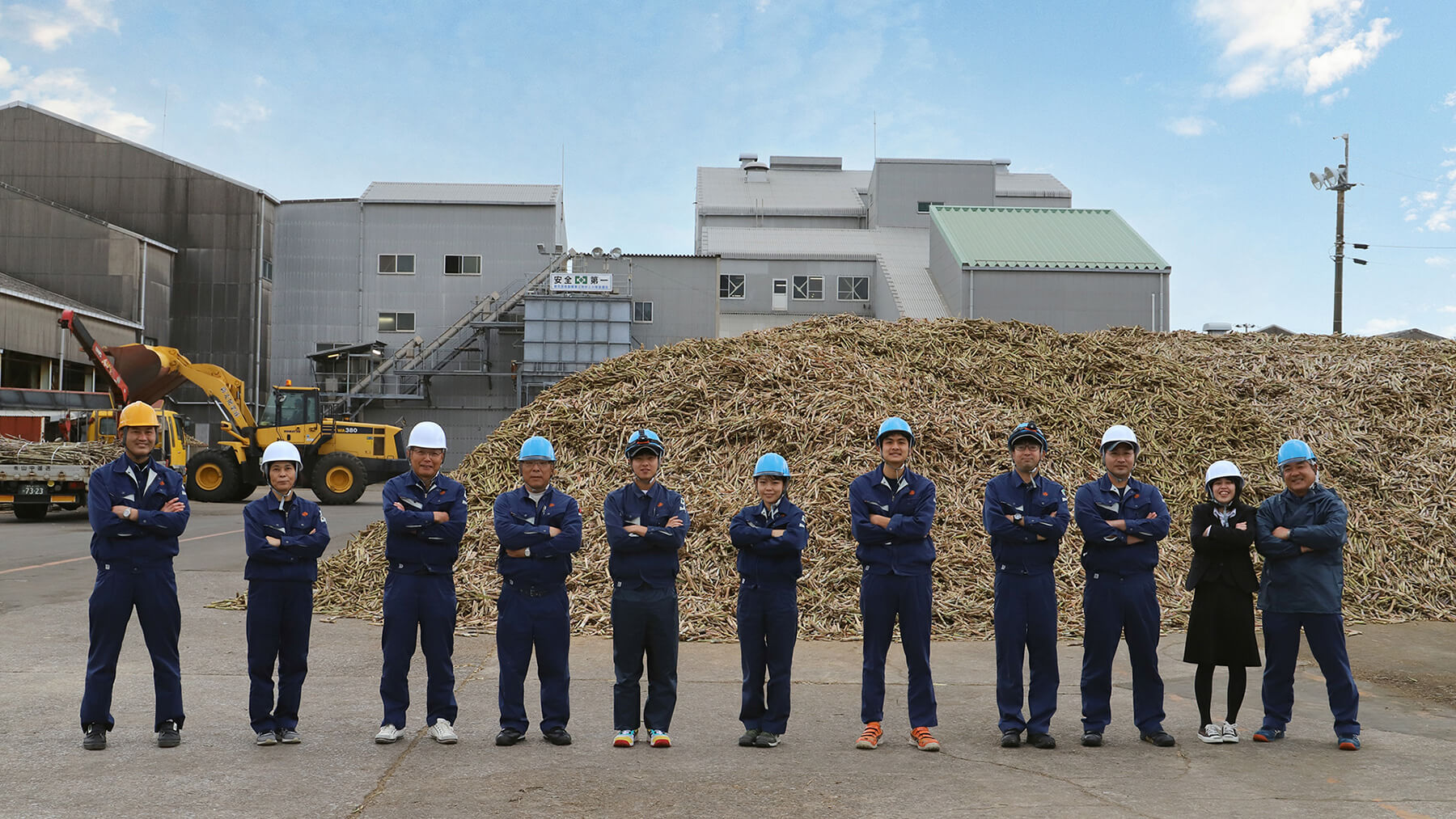
Delivering sugar from Tanegashima to across Japan Shinko Sugar Mill advances the local sugarcane industry
Ranking


2026.10.2
Culture
"About Enriching+": The Story So Far, and Where Sumitomo Corporation's Official Owned Media Is Heading Next
2026.8.13
Business
Collaboration With SCSK Is Key: Inside Sumitomo Corporation Group's DAIS (Digital & AI Strategy)
2026.2.9
Business
Using AI to Streamline Track Inspections: Sumitomo Corporation and 33 Railway Operators Take on Labor Shortages in the Rail Industry

2025.8.29
Business
Sumitomo Corporation's Soaring Commercial Aviation Business: Powered by the World's Second Largest Aircraft Leasing Operation
2024.5.20
Business
SUMMIT: Making Supermarkets in Japan More Enjoyable