- TOP
- Enriching+TOP
- Learning From the Besshi Copper Mines: Sumitomo’s Business Philosophy, Still Rooted in the Present

Culture
Learning From the Besshi Copper Mines: Sumitomo’s Business Philosophy, Still Rooted in the Present
2026.3.11
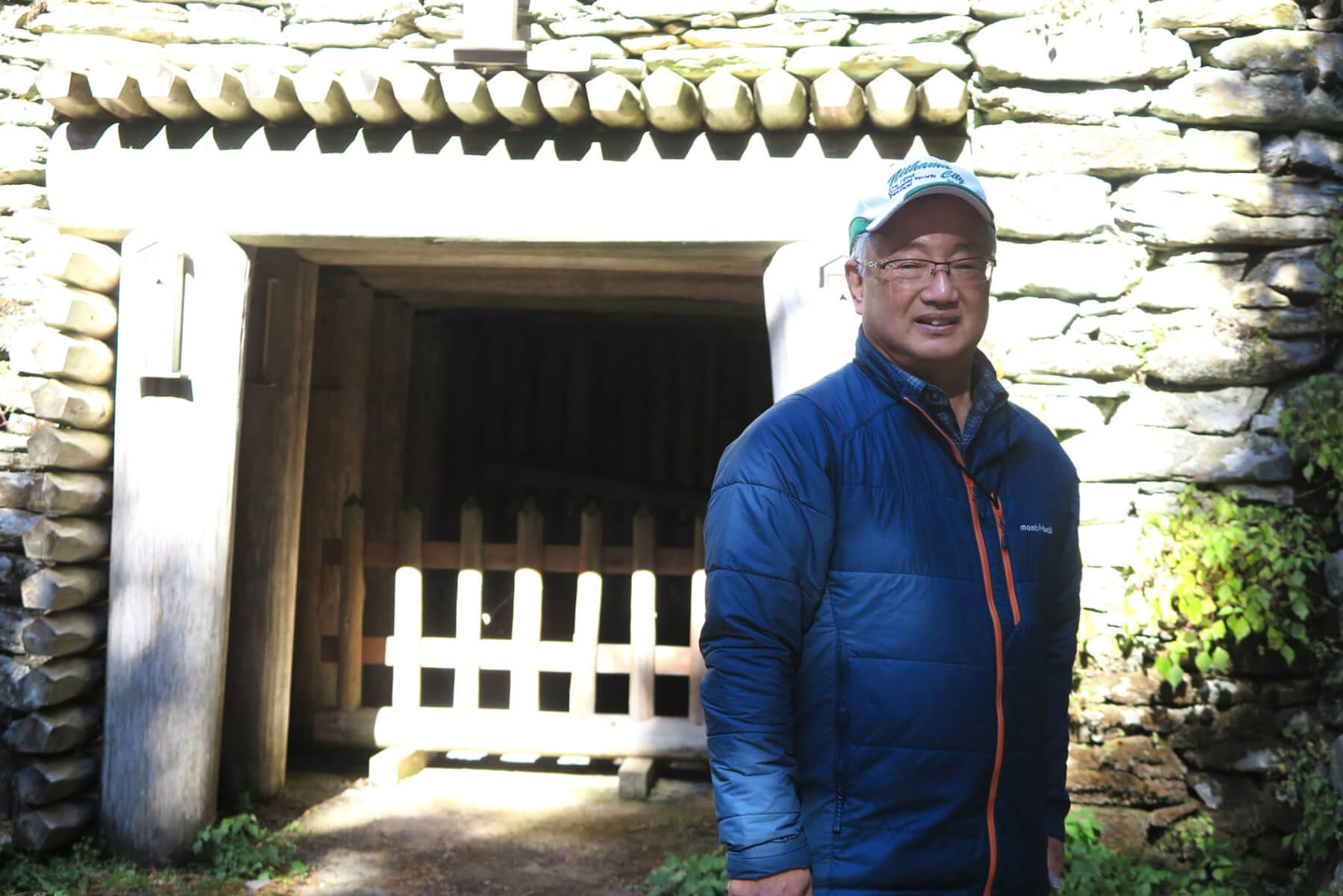
With a history spanning more than 400 years, the Sumitomo Group’s story is inseparable from the Besshi Copper Mines in Niihama City, Ehime Prefecture.
Since opening in 1691, the mines produced copper for over 280 years. Throughout this long history, generations of predecessors confronted challenges related to production methods, ways of working, and environmental and social issues with sincerity and resolve. In this way, they forged the Sumitomo’s Business Philosophy that continues to be passed down today through Sumitomo Group companies. The Besshi Copper Mines can truly be described as the foundation on which the Sumitomo Group's growth and success was built.
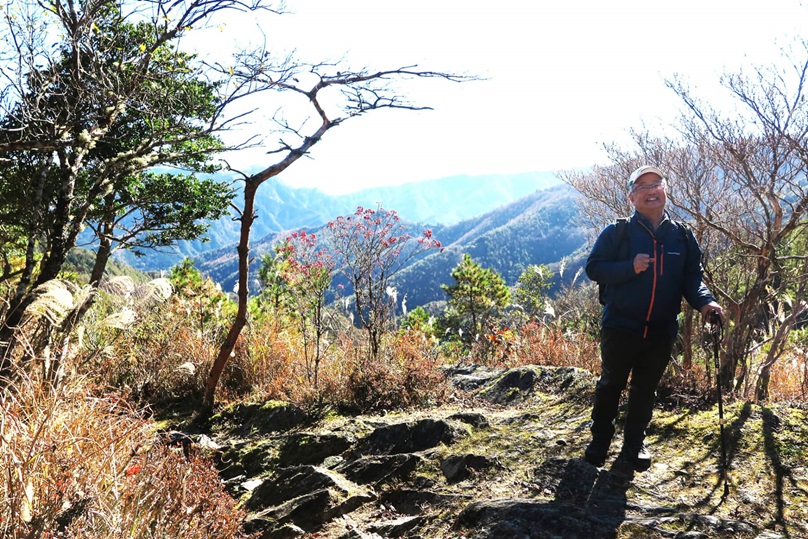
Today we spoke with Toshimitsu Takahashi, a Niihama resident who served as a guide for Sumitomo Corporation’s Besshi Copper Mines training program, to explore the history and business spirit nurtured here and how it continues to resonate today.
This is Part Two of a two-part series. Read Part One here:
-
Niihama City, General Affairs Department, City History Compilation Office
Toshimitsu Takahashi
Takahashi is a reappointed staff member from the Niihama City History Compilation Office. Former Director of the Transportation and Tourism Division, Deputy Director of the Niihama City Board of Education Secretariat, and Secretary General of the Niihama City Assembly. First climbed Mount Dozan in 1993 and has since visited the area more than 50 times. Since FY2023, he has served as a guide for Sumitomo Corporation’s Besshi Copper Mines training program. Major publications include " The great joy of finding a copper mine: The Besshi Copper Mines" and Niihama (1996) and " Looking up at the Besshi Copper Mine Peak" (2020).
The Sumitomo’s Business Philosophy Left Behind by Successive Director-Generals of the Sumitomo
Sumitomo Corporation conducts a training program at the Besshi Copper Mines to deepen understanding of Sumitomo’s history and business philosophy. Guiding participants through the mines is Mr. Takahashi, who has continued visiting Besshi for over 32 years. Through this interview, we explore how the business philosophy cultivated at the Besshi Copper Mines has been passed down to today’s Sumitomo Group companies and to the development of Niihama itself.
Could you tell us about your first visit to the Besshi Copper Mines?
Takahashi In 1993, 32 years ago, I was 31 years old and working in Niihama City Hall’s Tourism and Products Division. Before visiting the site, I repeatedly consulted experts such as the director of the Besshi Copper Mine Memorial Museum to learn the fundamentals of its history. When I finally set foot there, I was struck by the deep sense of quiet as past prosperity faded, a feeling I still remember vividly. Back then, many industrial and residential remains were still visible. But now, more than half a century after the mine ceased operations in 1973, nature has steadily reclaimed the area, and many remnants are becoming hidden beneath soil and vegetation.
One unforgettable moment from my time as a guide occurred in 1994, shortly after the Tonaru Historical Museum* opened. While guiding visitors, a former resident approached me and quietly said, "That child in the photo – it's me." Watching him silently reminisce as he looked at the exhibition remains deeply etched in my memory.
* Located in the mountains at an elevation of approximately 750 meters, this museum in Tonaru (now Niihama City's Tatsukawa-cho area) showcases the history of the Besshi Copper Mines and displays buildings that once stood in the Tonaru area. Tonaru temporarily served as the mining headquarters for the Besshi Copper Mines and was home to around 5,000 people at its peak.
How were the credos enshrined in Sumitomo’s business philosophy, such as an "enterprising spirit" and "benefit for self and others, private and public interests are one and the same," cultivated through the Besshi Copper Mines?
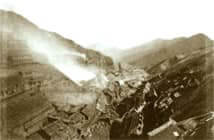
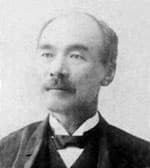
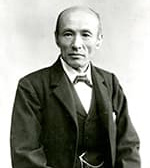
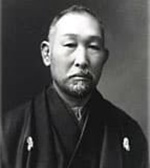
Takahashi In modern Sumitomo history, there were seven top leaders known as Director-Generals. Among them, the first three – each of whom also served as Besshi Copper Mines managers – played particularly significant roles in shaping the business philosophy that continues today.
The first Director-General, Saihei Hirose, led Sumitomo through the turbulent transition from the Edo to Meiji period. At a time when selling the Besshi Copper Mines was even considered, he safeguarded Sumitomo’s mining operations and placed them on a stable footing. By hiring foreign mining engineers, he vigorously promoted modernization. This forward-looking, "enterprising spirit" remains deeply embedded in today’s Sumitomo Group.
The second Director-General, Teigo Iba, devoted himself to restoring forests devastated by mining activities. In peak years, as many as two million trees were planted annually, amounting to tens of millions over time. Over the span of a century, barren mountains were transformed into green forests. This was a clear embodiment of "benefit for self and others, private and public interests are one and the same" – benefiting society, not just oneself.
The third Director-General, Masaya Suzuki, exemplified "farsighted planning." Upon assuming office, he declared his intention to "walk the path of justice and undertake work for the nation’s next hundred years." After a devastating landslide disaster in 1899 that claimed 513 lives, he personally led reconstruction efforts.
The leaders’ 47-year struggle against sulfur dioxide emissions from smelting, known as the smoke pollution problem, also deserves mention. Teigo Iba’s decision to relocate the smelter to Shisaka Island, followed by continued research and countermeasures, ultimately led to zero emissions by 1939. This commitment to fundamental solutions, rather than temporary fixes, truly symbolizes Sumitomo’s business philosophy.
Are there any words left by Sumitomo’s predecessors that particularly resonate with you?
Takahashi A saying by Teigo Iba (the second Director-General of Sumitomo) has always stayed with me: "What most hinders the progress of enterprise is not the mistakes of youth, but the dominance of the elderly." Iba stepped down just four years after becoming Director-General, at the age of 58. He never returned to leadership and instead spent his remaining years quietly at his villa in Otsu, Shiga Prefecture (now the former Iba Family Residence (Sumitomo Kakkien), without ever returning to public life. His willingness to pass the baton so decisively is profoundly refreshing.
Legacy Continues to Be Passed Down in Niihama and at Sumitomo Corporation
What does the Sumitomo Group mean to the people of Niihama?
Takahashi When I was a child, it was said that about 60% of Niihama’s residents worked for Sumitomo Group companies or related firms. At school, we learned about Sumitomo, and when you asked friends where their parents worked, the overwhelming majority would name companies born in Niihama within the Sumitomo Group: Sumitomo Metal Mining, Sumitomo Chemical, Sumitomo Forestry or Sumitomo Heavy Industries. Niihama is often described as a "company town," to the extent that people used to say, "When Sumitomo sneezes, the city catches a cold."
Yet the Sumitomo Group has always emphasized coexistence and shared prosperity with the community. For example, in 1927, Kageji Washio, then head of the Besshi Copper Mines, promoted the development of infrastructure such as Niihama Port and what later became a major commercial district, funded by Sumitomo Group capital. He also established the private school "Jikyo-sha" to instill the Sumitomo Group employee spirit in young miners, the "Shinyukai" fellowship for Besshi Copper Mines employees and the "Kaizen-kai" organization focused on mutual aid. Washio himself served alongside the employees, sweating over the construction of roads and parks, deepening the bonds between the Sumitomo Group and the community, and between employees and local residents.
Due to these efforts, Niihama avoided the fate of decline thought to be almost inevitable for mining towns after closure. Industries beyond mining flourished, and social infrastructure advanced. I believe this is testament to the Sumitomo Group’s decisive and forward-thinking approach to regional sustainability.
What can today’s businesspeople learn from the history of the Besshi Copper Mines?
Takahashi The 300-year history of the Besshi Copper Mines includes early efforts toward what we now call the Sustainable Development Goals: overcoming pollution, restoring forests, coexisting with local communities and continuing town development even after mine closure. There is much to learn from the predecessors’ wisdom and execution. Equally important is their far-sighted planning: planning across generations to allow businesses to truly take root. To everyone working for Sumitomo Group companies, as someone hailing from Niihama, I would be delighted if you carried forward the spirit of coexistence and shared prosperity passed down unbroken between Sumitomo Group companies and Niihama for over 300 years since the opening of the Besshi Copper Mines.
Recommend
Culture
"About Enriching+": The Story So Far, and Where Sumitomo Corporation's Official Owned Media Is Heading Next
Culture
Never Standing Still: Medalist and Former Japanese Speed Skater Miho Takagi and Shingo Ueno on What It Takes for Individuals and Organizations to Keep Growing
Culture
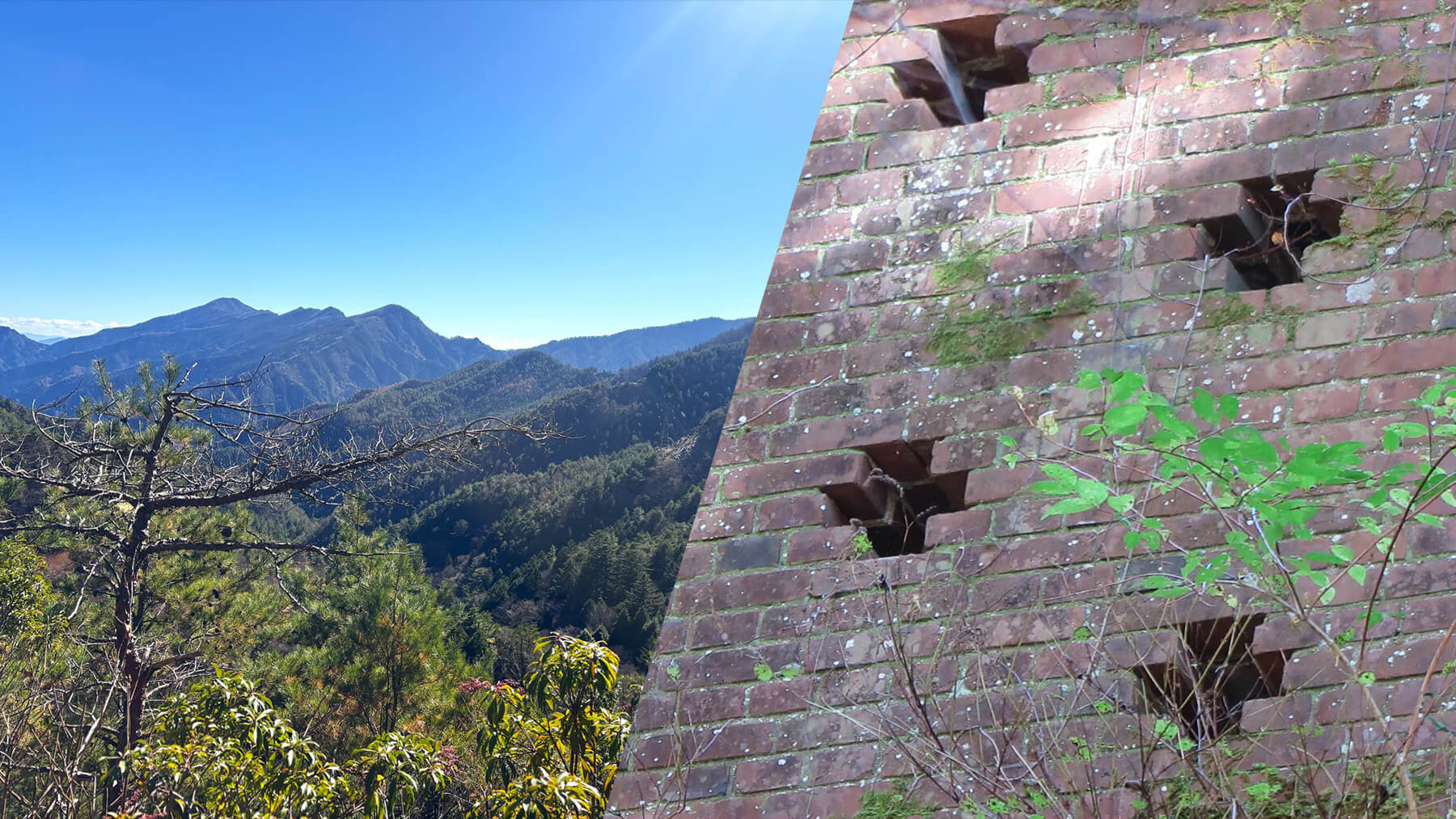
History Woven at the Besshi Copper Mines Over 300 Years: The Sumitomo Group's Origins
Culture
The Instructor System: Passing Down Sumitomo Corporation Ways of Working and Core Values
Culture
Sumitomo Corporation's Inter Office Training (IOT) as a Global Gathering of Peers
Culture
Enhancing Japan's Value on the Global Stage: The Goal-Driven Career Journey of a Sumitomo Corporation Alumni Who Founded a Global Startup in His 20s
Culture
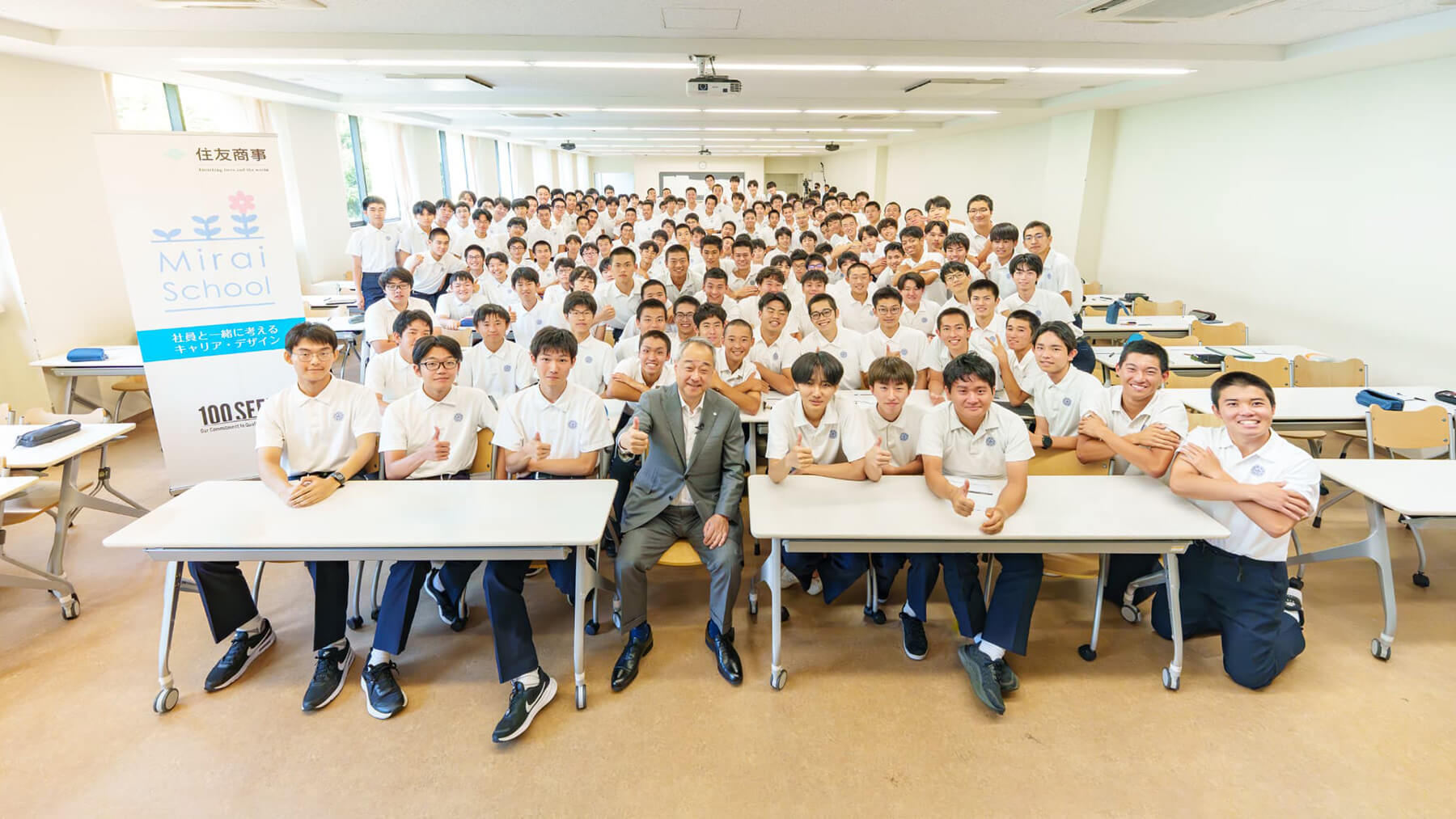
The Importance of Seizing Opportunities: What Sumitomo Corporation President and CEO Shingo Ueno Told Junior and Senior High School Students at His Alma Mater
Culture
From Sumitomo Corporation to President of Tiffany Japan, the Sumitomo Spirit Lives On: "Passionate Beginners Can Outperform Experts"
Culture
Sumitomo Corporation corporate intro video now updated!

Culture
Diversity Meets Boundless Energy! "MIRAI LAB PALETTE" Co-Creation Hub Connected by an "Overzealous" Community Manager
Culture
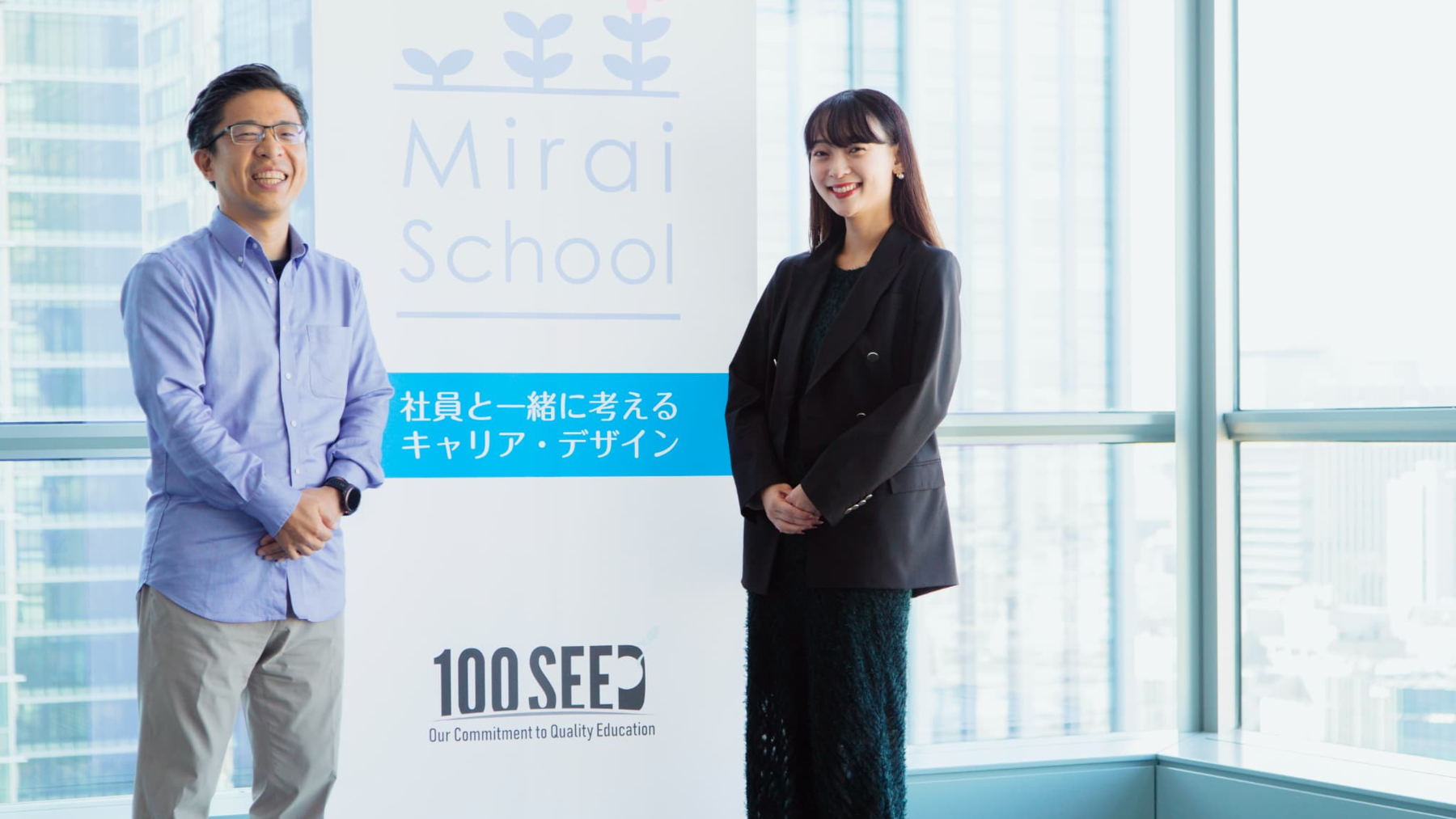
Why Focus on Education Now? Sumitomo Corporation’s Social Contribution Activity Program "100SEED" and Its Ongoing Activities
Culture
Learning From Sumitomo Corporation's President, Five Rules That Reflect His Work Philosophy
Ranking

2026.10.2
Culture
"About Enriching+": The Story So Far, and Where Sumitomo Corporation's Official Owned Media Is Heading Next
2026.8.13
Business
Collaboration With SCSK Is Key: Inside Sumitomo Corporation Group's DAIS (Digital & AI Strategy)
2026.2.9
Business
Using AI to Streamline Track Inspections: Sumitomo Corporation and 33 Railway Operators Take on Labor Shortages in the Rail Industry

2025.8.29
Business
Sumitomo Corporation's Soaring Commercial Aviation Business: Powered by the World's Second Largest Aircraft Leasing Operation

2024.5.20
Business
SUMMIT: Making Supermarkets in Japan More Enjoyable