- TOP
- Enriching+TOP
- Sumitomo Corporation's Railway Products Business That Underpins North American Railroad

Business
Sumitomo Corporation's Railway Products Business That Underpins North American Railroad
2026.7.7
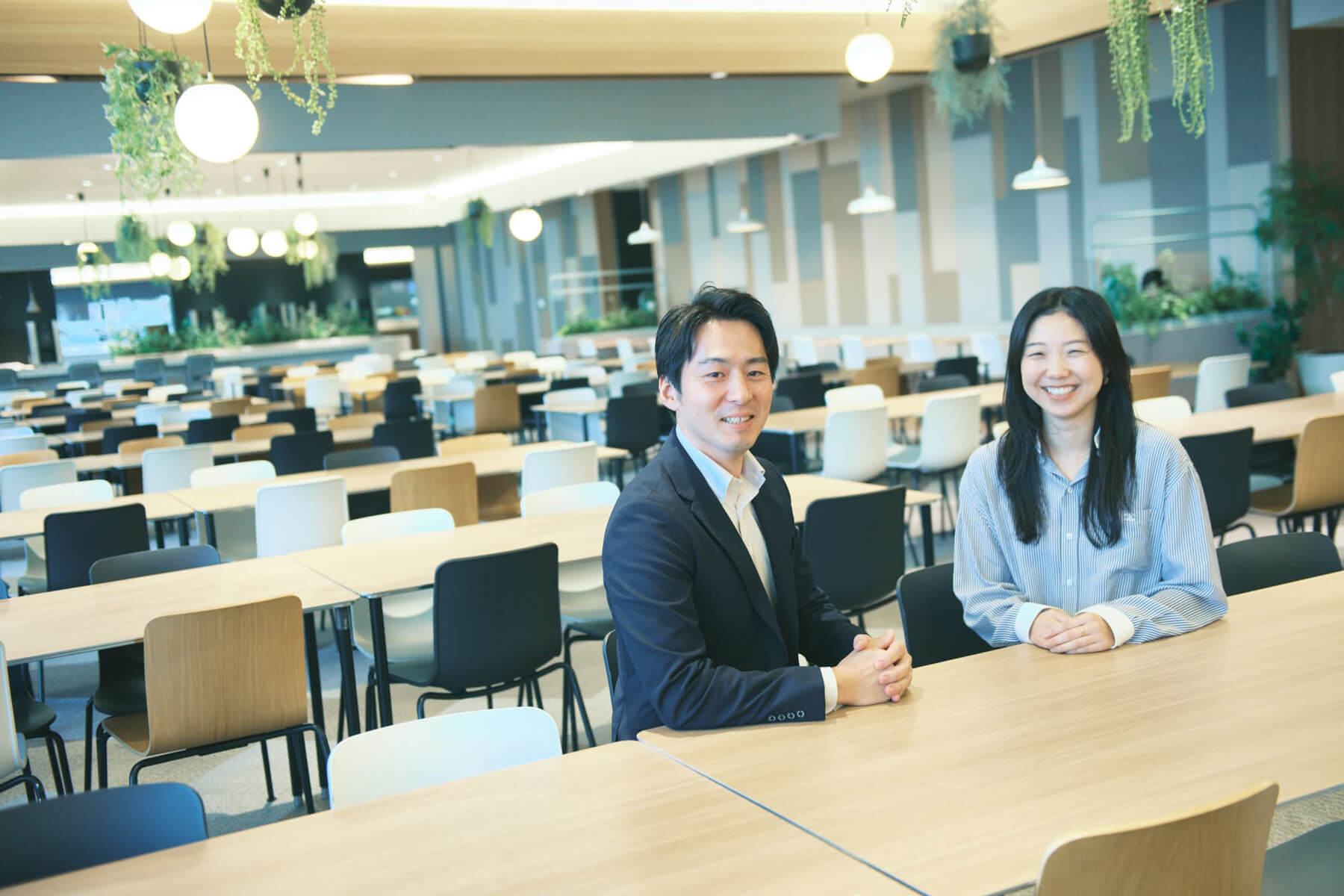
With a history of nearly 80 years, Sumitomo Corporation's railway business has grown from exporting parts and materials to manufacturing and sales in North America (the United States, Canada and Mexico). Starting in 2026, the business will be transferred to the group company Sumitomo Corporation Global Metals (hereinafter SCGM) to strengthen the organizational structure. Today it has become a business that underpins the entire region's infrastructure. In recent years, railways have gained renewed attention as a mode of transport that contributes to a decarbonized society. Today we spoke with Kyohei Takano and Yukiko Kurokawa, two individuals who have long supported this business.
-

Team Leader, Business Planning Team, Railway Products, Forging & Casting Business Dept.
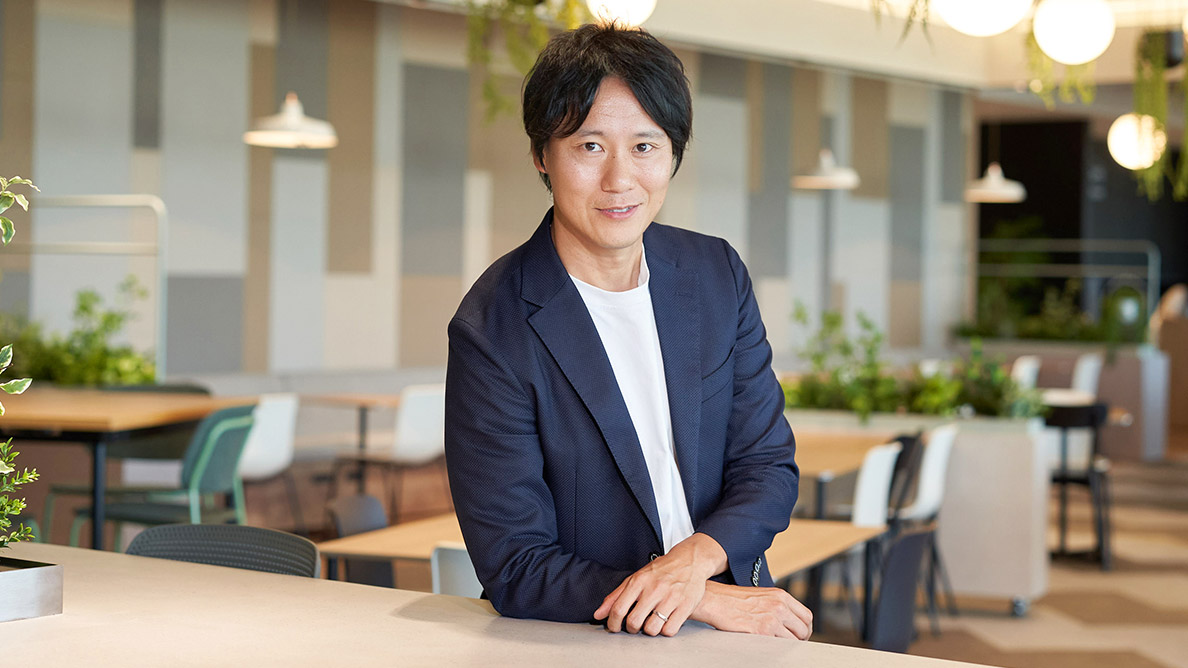
Sumitomo Corporation Global MetalsKyohei Takano
Takano joined Sumitomo Corporation in 2007. After handling export of railway products, he served two secondments at Standard Steel in the U.S. He worked at Sumitomo Corporation of the Americas in Chicago, he was seconded to SCGM in 2021, before overseeing U.S. subsidiaries handling rolling stock products and track materials, while also engaging in new business investment and development.
-

Business Planning Team, Railway Products,
Forging & Casting Business Dept. Sumitomo Corporation Global Metals (at time of interview)Yukiko Kurokawa
Kurokawa joined Sumitomo Corporation in 2009. She spent seven years engaged in exports of automotive sheet steel before being assigned to Sumitomo Corporation of the Americas in Chicago in 2015. Since 2016, she has overseen U.S. subsidiaries and new business development.
The Enormous Scale of North American Freight Rail
How does the railway business in North America differ from Japan?
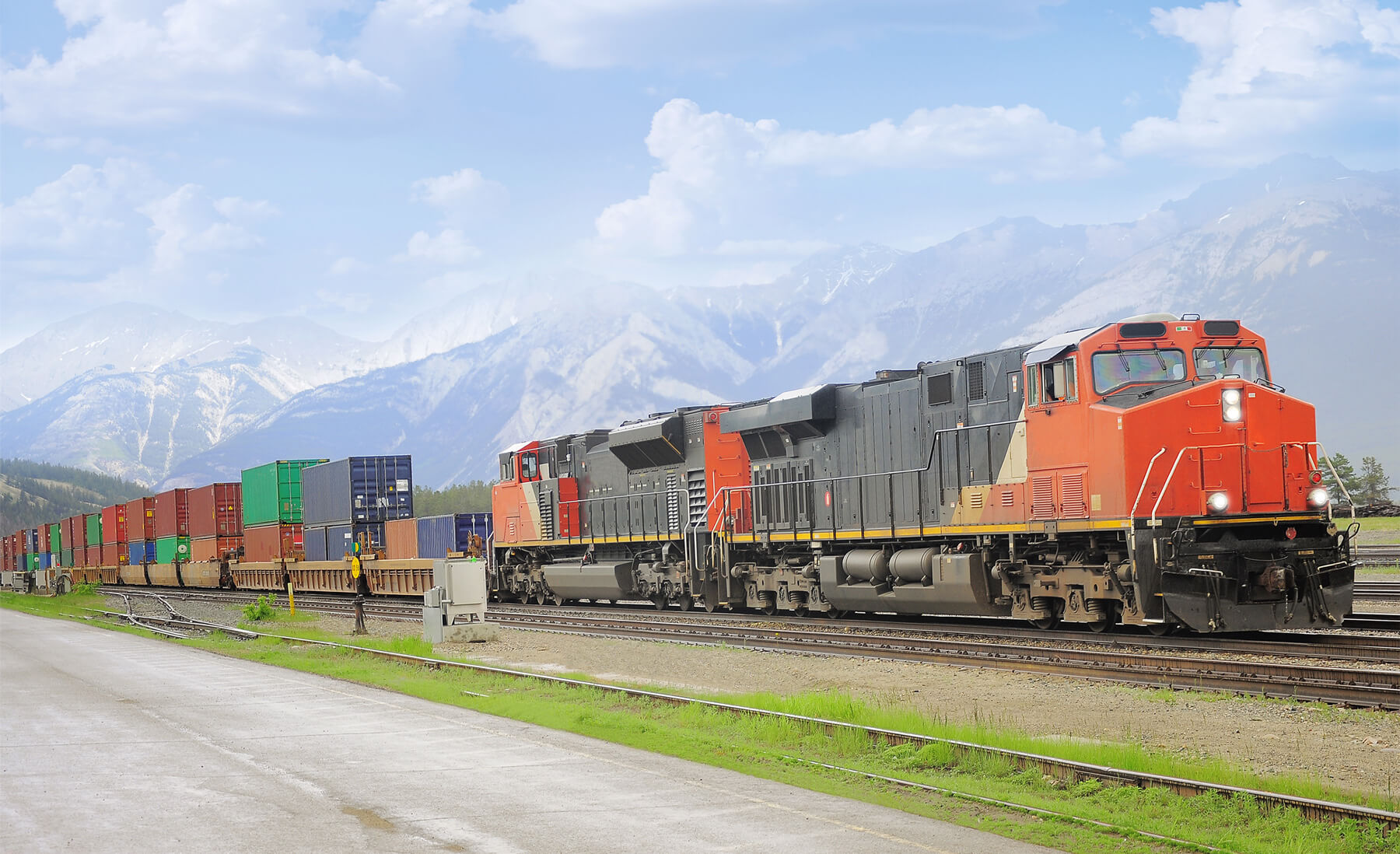
Takano In Japan, people tend to associate railways with passenger services. In the U.S., however, rail is overwhelmingly freight focused. Because of the vast land area, people usually travel long distances by air. While rail accounts for only 0.9% of freight transport in Japan, in the U.S. it represents 28%. The freight rail network also connects with Canada and Mexico, and there are six major freight railway companies operating across North America.
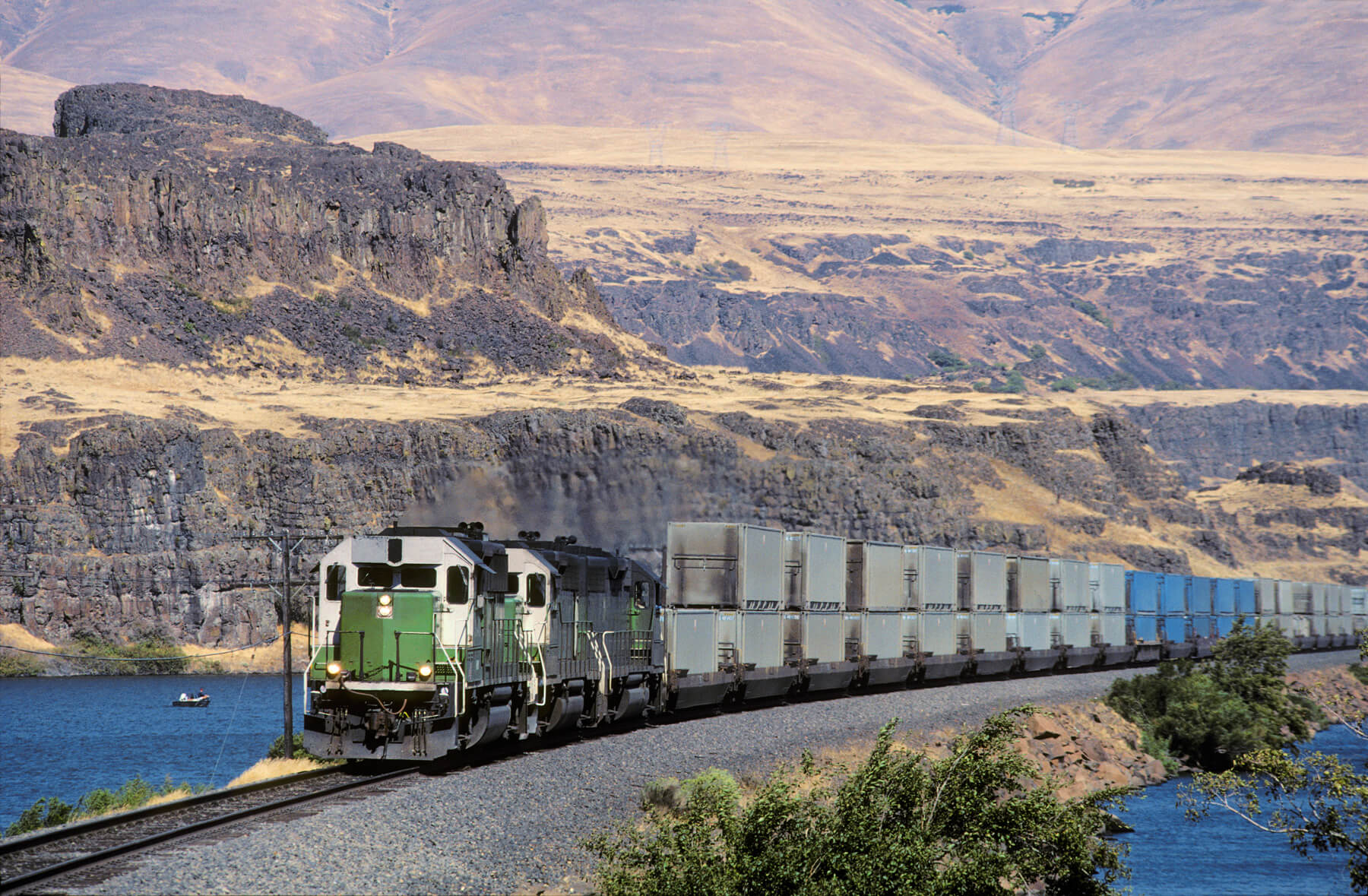
Kurokawa When I first saw a freight train in the U.S., I was struck by the sheer scale. On tracks laid across uninhabited deserts and plains, the trains stretched endlessly across the landscape, often over 100 cars long. In many cases, containers unloaded from ships at ports are transferred directly to trains for inland transportation. It simply exceeds the concept of railways that Japanese people typically imagine.
Takano Cargo includes petroleum, coal, lumber, grain, automobiles and more. Each car can carry up to 100 tons, placing tremendous stress on the rails. This is why railway equipment must be highly durable. Since petroleum is often transported, a derailment could trigger a massive fire, potentially engulfing an entire town. To prevent such disasters, safe, high-quality products are essential. At the same time, the workforce is aging, making the efficiency of track maintenance an increasingly urgent issue.
Solid Foundations Built on Trust in North America

What kind of railway business has Sumitomo Corporation developed in North America?
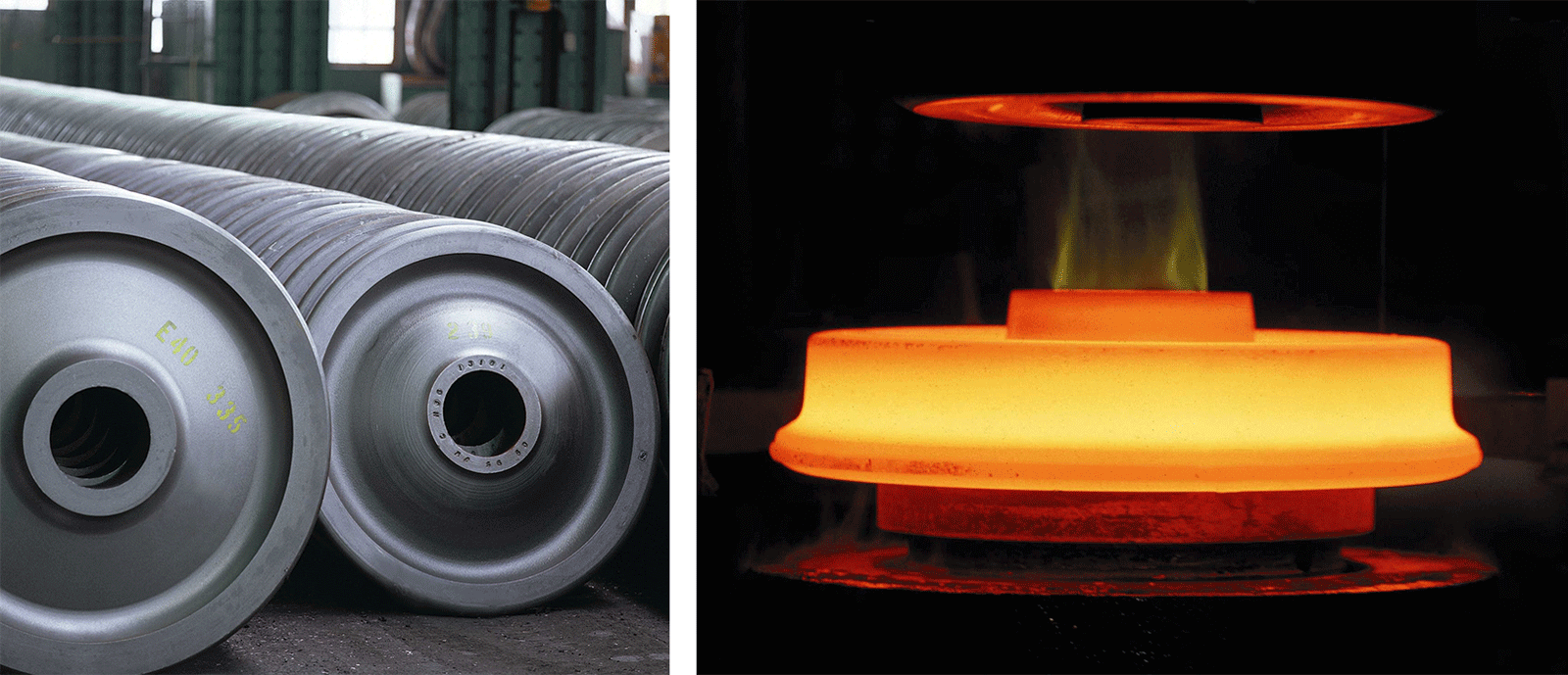
Takano Sumitomo Corporation began exporting wheels and axles manufactured in Japan to overseas markets in the 1940s. Later, we added exports of rails and tie plates* to fasten them, and in 1989 we established Arkansas Steel Associates (ASA) in the U.S. to begin local tie plate manufacturing. In 2011, together with Sumitomo Metal Industries (as it was known then), we acquired Standard Steel, a U.S. wheel and axle manufacturer with a history dating back 200 years, thus launching local production.
*Tie plates are steel plates installed between rails and sleepers (ties) to distribute load and reduce wear on sleepers.
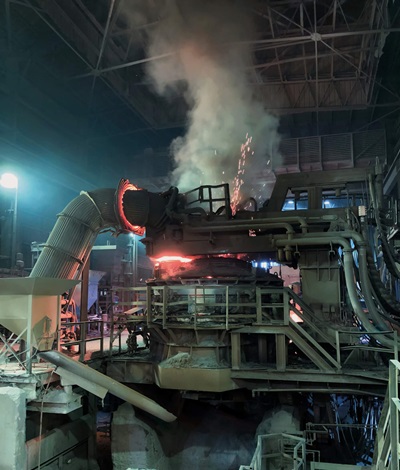
Kurokawa The U.S. is the only developed country where the population continues to grow, and freight rail volume is expected to increase 2–3% annually. In 2019, we made an additional investment in Standard Steel, increasing our ownership stake to 35%. With greater involvement in management policy, we have been able to pursue long-term growth investments and enhance product quality.
Even amid the pandemic and global supply chain disruptions, we maintained a stable supply of equipment and materials. In conversations with local customers and partners, we feel the deep trust that Sumitomo Corporation Group has earned over decades in North America's rail industry.
What would you say are the strengths of Sumitomo Corporation Group’s railway equipment business in North America?
Takano Our main competitors are U.S. domestic manufacturers. Since railways are national infrastructure, operators tend to favor domestic suppliers. Even in such a fiercely competitive environment, Sumitomo Corporation Group continues to be chosen due to the reliability of our products.
As a trading company, another advantage is that a single point of contact can handle a wide range of products and propose flexible solutions in response to changing circumstances. Supply and demand for wheels and axles fluctuate significantly depending on transport demand and new rolling stock supply, but we leverage our global network of manufacturers to respond quickly to these shifts.
Kurokawa Our unwavering commitment to standing by our customers and always resolving their issues is another major strength. I believe this determination to see things through is a key reason for the trust placed in us. For example, rail breakage was once a major concern for North American operators, as downtime during replacement meant substantial losses. By supplying rails from Japanese steelmakers with superior load-bearing capacity, durability and wear resistance, Sumitomo Corporation helped resolve this issue. Similarly, when acquiring Standard Steel, we transferred advanced technologies from Sumitomo Metal to enhance the company's quality and technical capabilities. This significantly reduced the frequency of accidents and repairs, alleviating the burden on railway companies.

Takano Rail and ASA support the track , while Standard Steel supports the rolling stock with wheels and axles. Together, they underpin the safety and sustainability of North American railways in their respective fields of expertise. Trust isn’t built overnight, but through steady efforts in enhancing local support and boosting quality, we have earned the enduring confidence of our customers.
Creating Greater Value Through Group Collaboration
In closing, could you share your aspirations for the future?
Kurokawa Starting in 2026, we plan to transfer our operations to SCGM in order to further enhance our expertise and agility. We anticipate that the North American rail business will continue to grow, and we aim to contribute to the growth of the rail industry by leveraging the trust and expertise we have built with our customers and business partners over the years as part of the Sumitomo Corporation Group.


Takano Moving forward, we want to continue developing new businesses together with our partners and other Sumitomo Corporation to address pain points in railway operations. Sumitomo Corporation Group has other divisions involved in rail and logistics, with different perspectives such as rail fleets and operations. By working across organizational boundaries, we hope to further enhance the value our railway business delivers.
Recommend
Culture
Bringing Japanese Technology to the World: The Future of the Steel Pipe Business, According to Industry Professionals
Business
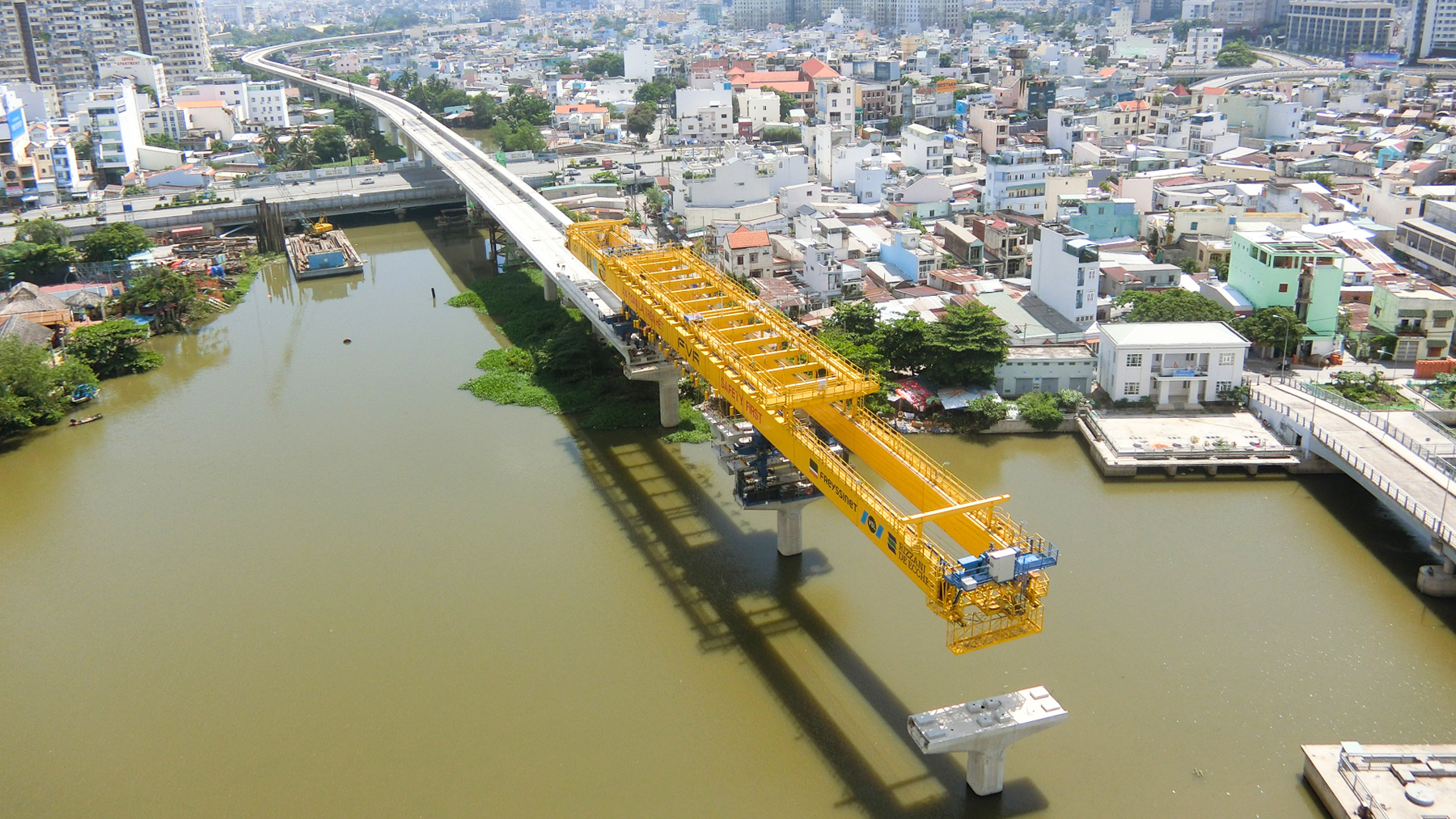
Solving Social Issues through the Tubular Products Business
Business
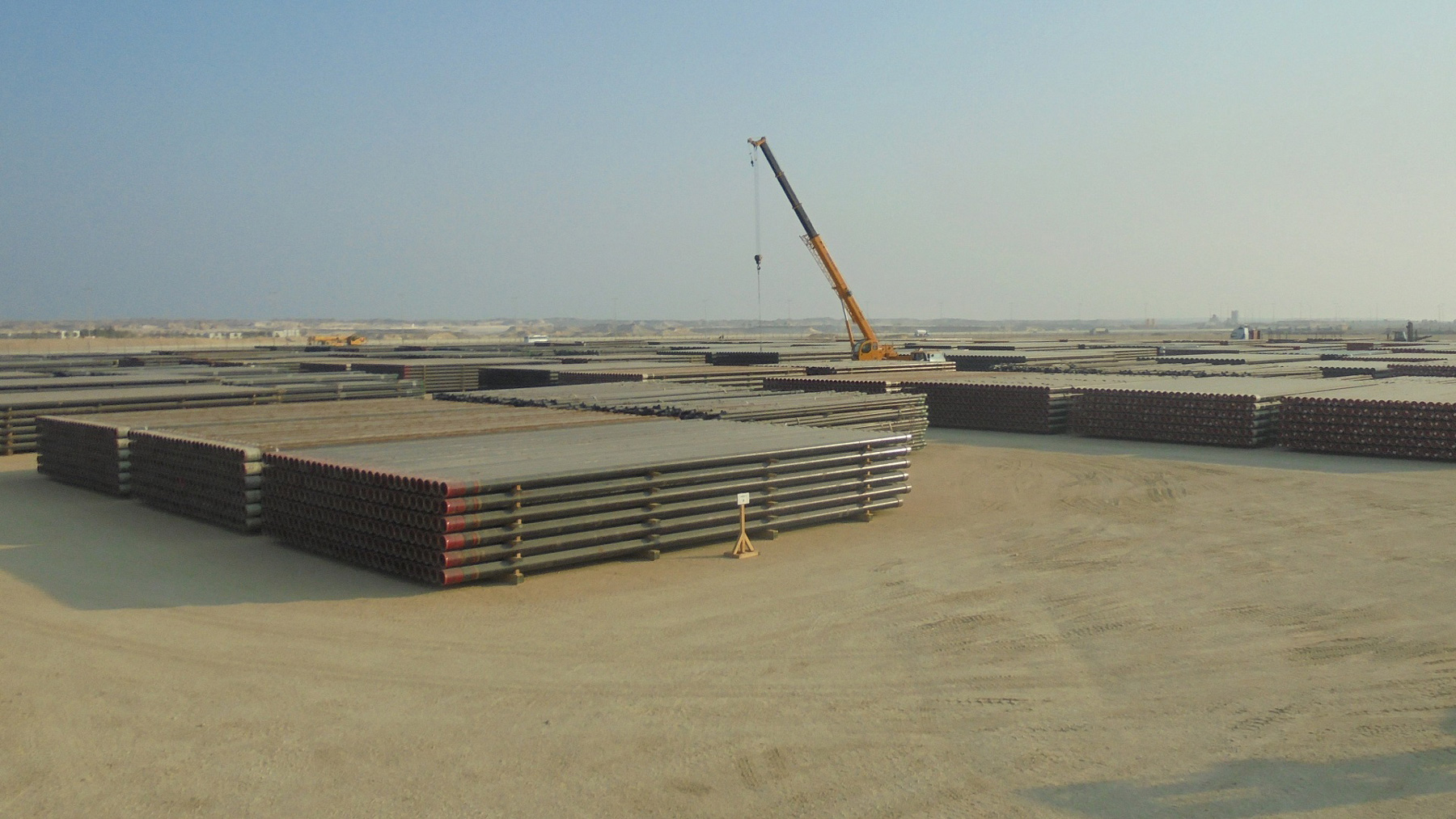
From Wheels and Axles to Operation Systems: The Railway Business Supporting the Lives and Industries of People Worldwide
Business
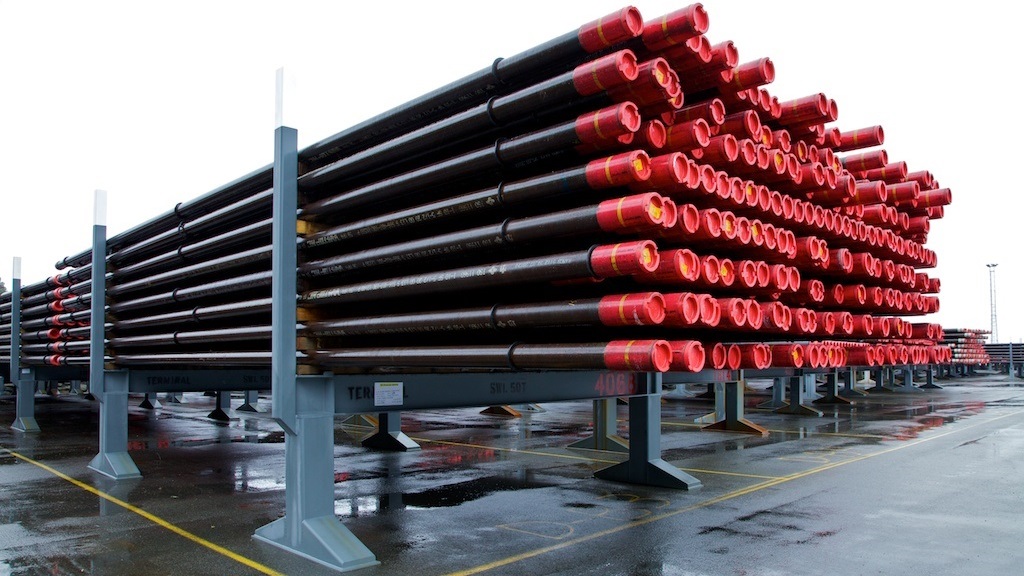
Providing solutions for oil and natural gas drilling
Business
Expanding the Metal Products and Equipment Business Value Chain in the Energy Industry
Business
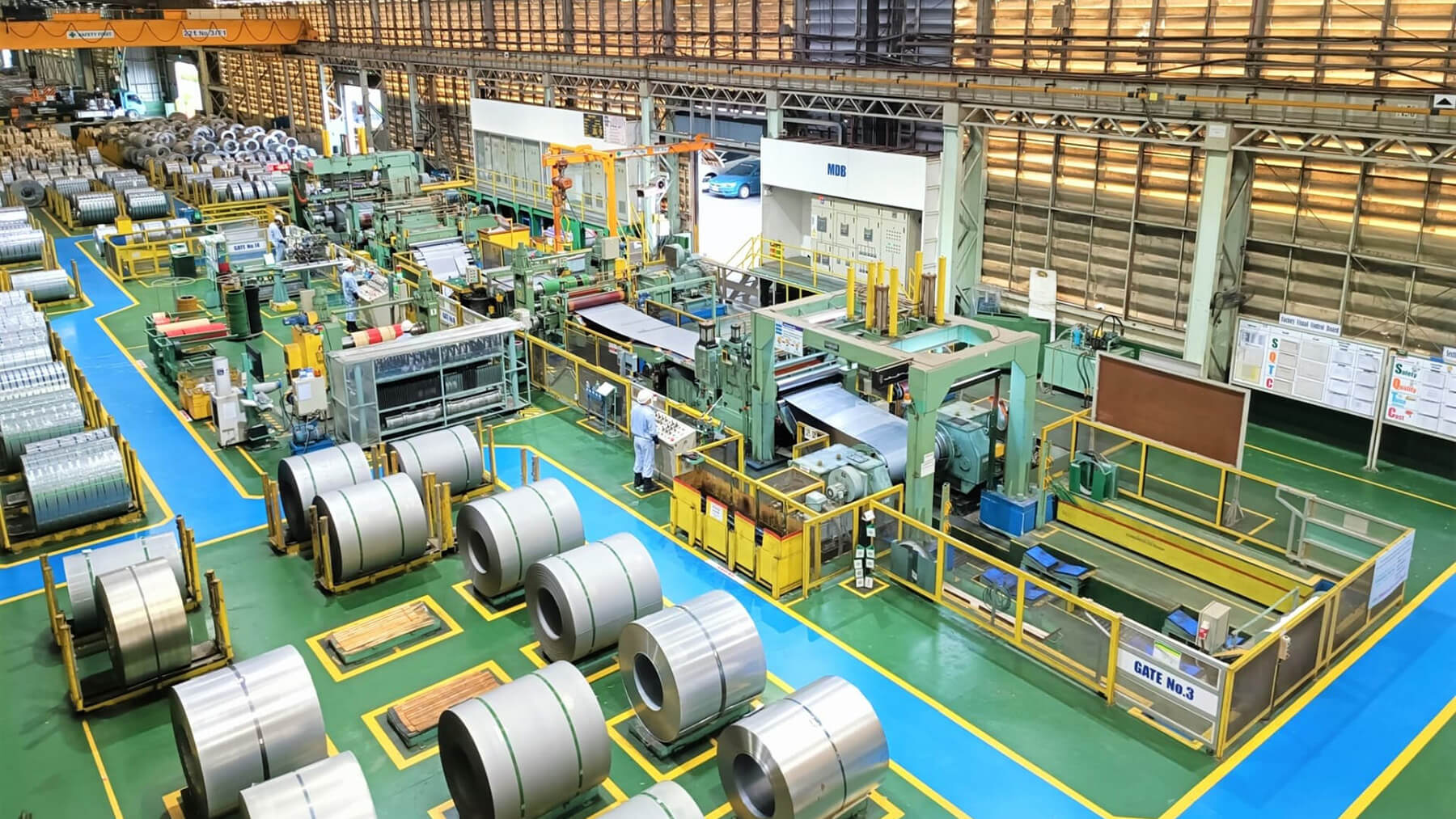
Steel Service Centers Supporting Manufacturing Worldwide
Ranking

2026.10.2
Culture
"About Enriching+": The Story So Far, and Where Sumitomo Corporation's Official Owned Media Is Heading Next
2026.8.13
Business
Collaboration With SCSK Is Key: Inside Sumitomo Corporation Group's DAIS (Digital & AI Strategy)
2026.2.9
Business
Using AI to Streamline Track Inspections: Sumitomo Corporation and 33 Railway Operators Take on Labor Shortages in the Rail Industry
2025.8.29
Business
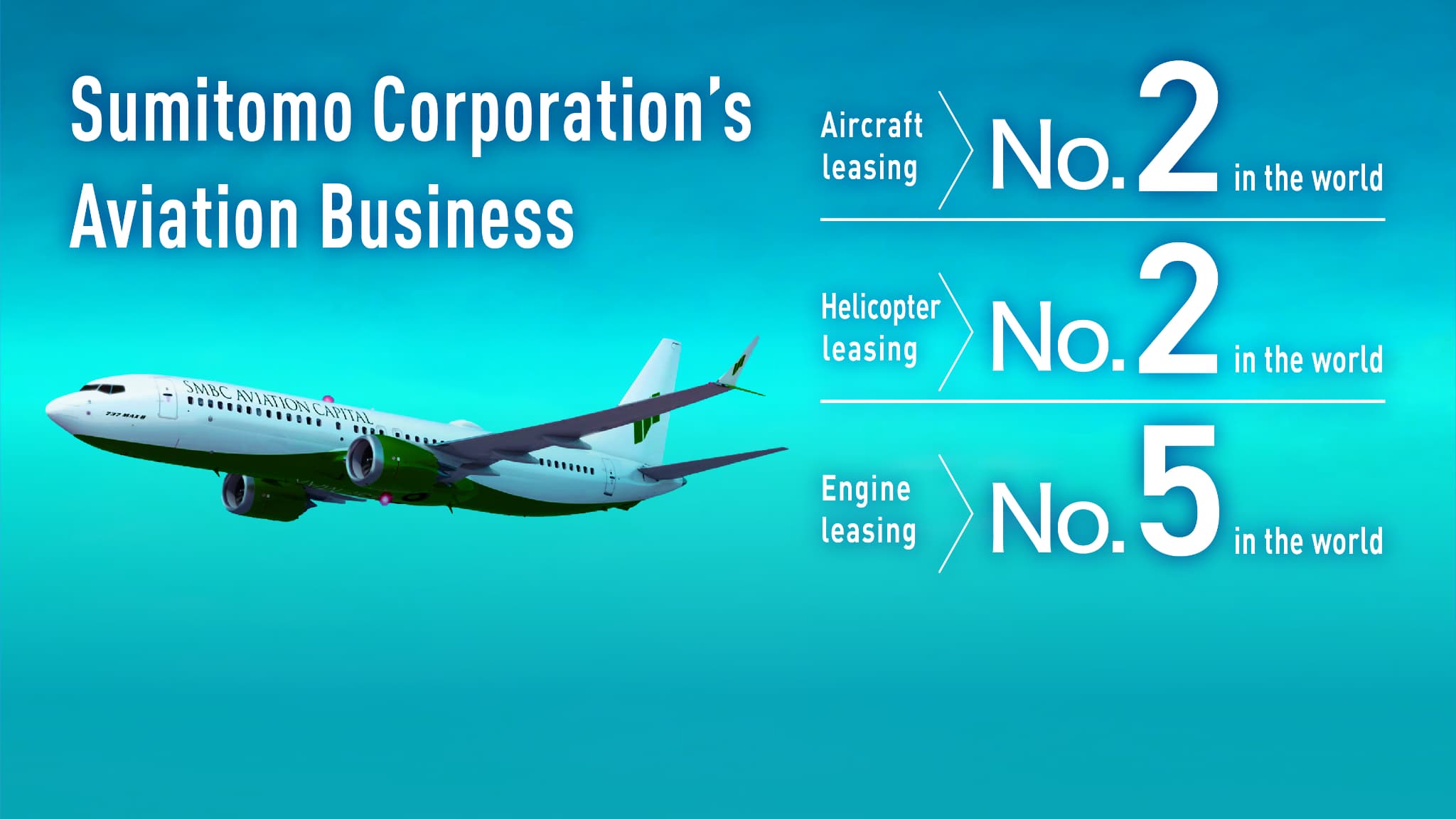
Sumitomo Corporation's Soaring Commercial Aviation Business: Powered by the World's Second Largest Aircraft Leasing Operation

2024.5.20
Business
SUMMIT: Making Supermarkets in Japan More Enjoyable