- TOP
- Enriching+TOP
- Turning CO2 and Silicon-Based Waste into Silicon Carbide: Tohoku University and Sumitomo Corporation Reimagine Materials Supply
Business
Turning CO2 and Silicon-Based Waste into Silicon Carbide: Tohoku University and Sumitomo Corporation Reimagine Materials Supply
2026.7.9
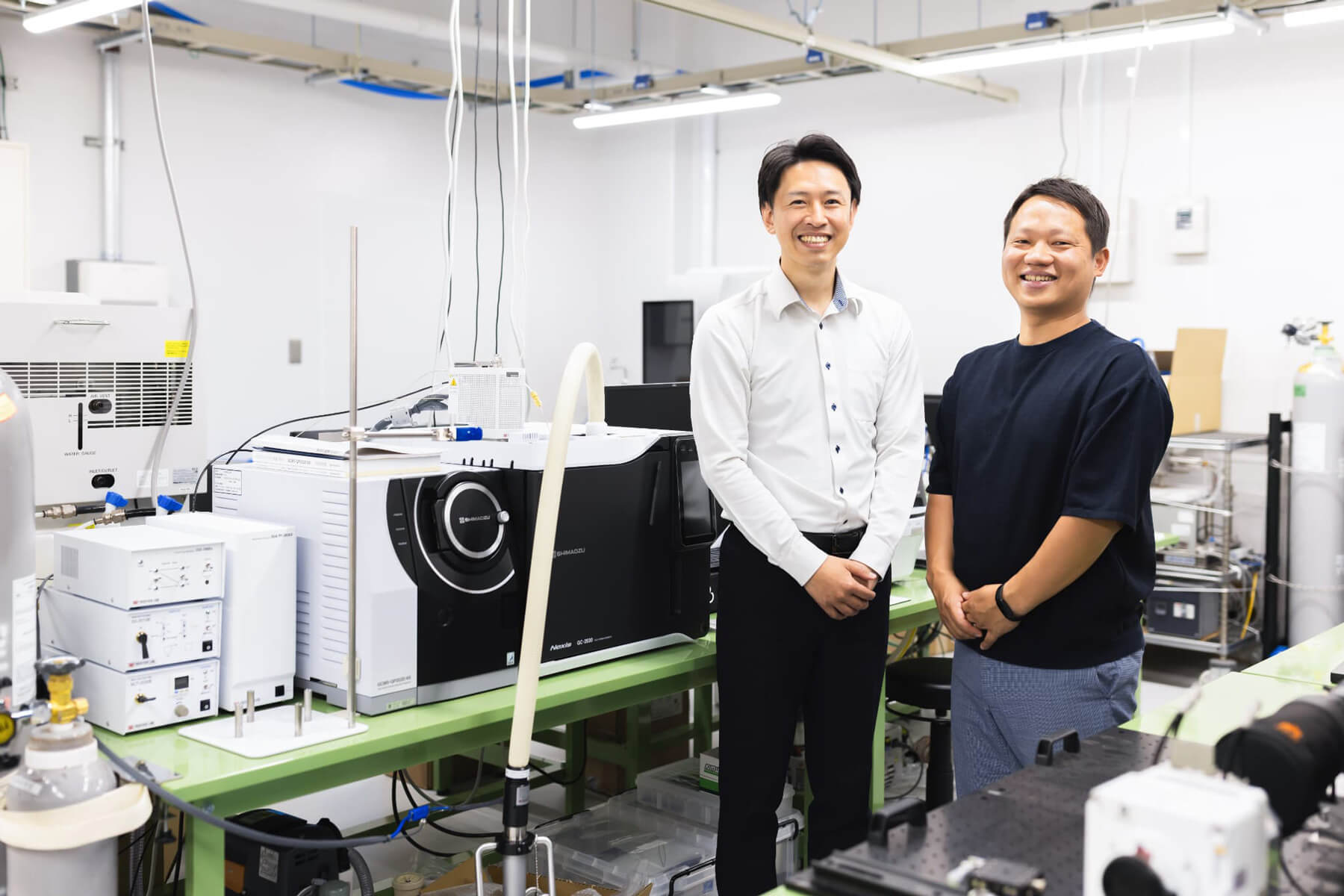
Silicon-based waste generated during the disposal of solar panels and other products, and CO2, a major contributor to global warming, are both materials society is working to reduce. What if these two materials could be reacted to synthesize silicon carbide, a material expected to play a vital role in next-generation power semiconductors and other industries of the future? How did this industry-academia collaboration project between Tohoku University and Sumitomo Corporation begin, and how has the partnership evolved? We spoke with Dr. Jun Fukushima of Tohoku University and Kohei Ueda of Sumitomo Corporation's Electronics and Functional Materials Unit within the Electronics SBU.
-
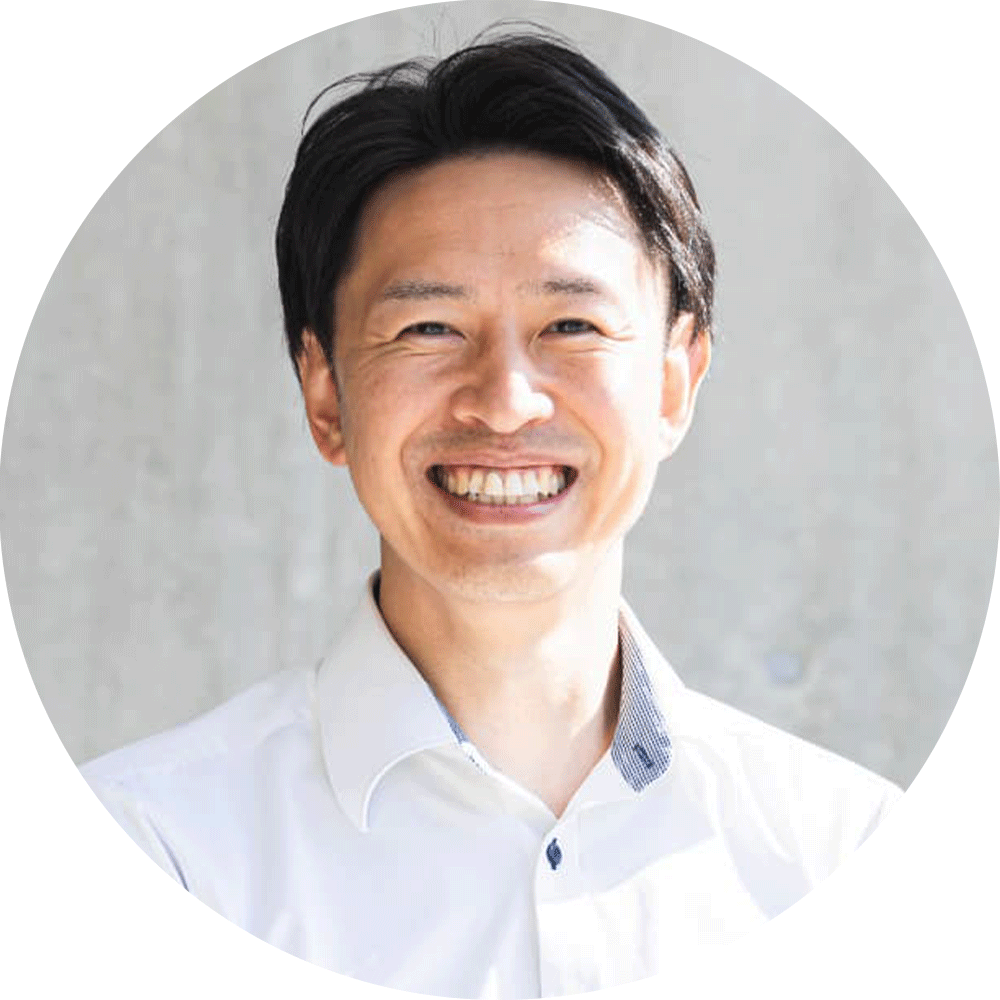
Assistant Professor, Department of Applied Chemistry, Graduate School of Engineering, Tohoku University
Jun Fukushima
Fukushima joined Tohoku University in 2012. Since then, he has consistently pursued research in non-equilibrium materials processing, focusing on the development of novel synthesis methods for ceramic materials, metastable phase synthesis and technologies for utilizing CO2 as a resource through ceramics. He also serves as Vice President of the Japan Society of Electromagnetic Wave Energy Applications and Chair of the Novel Processing Forum within the High Temperature Process Division of The Iron and Steel Institute of Japan.
-
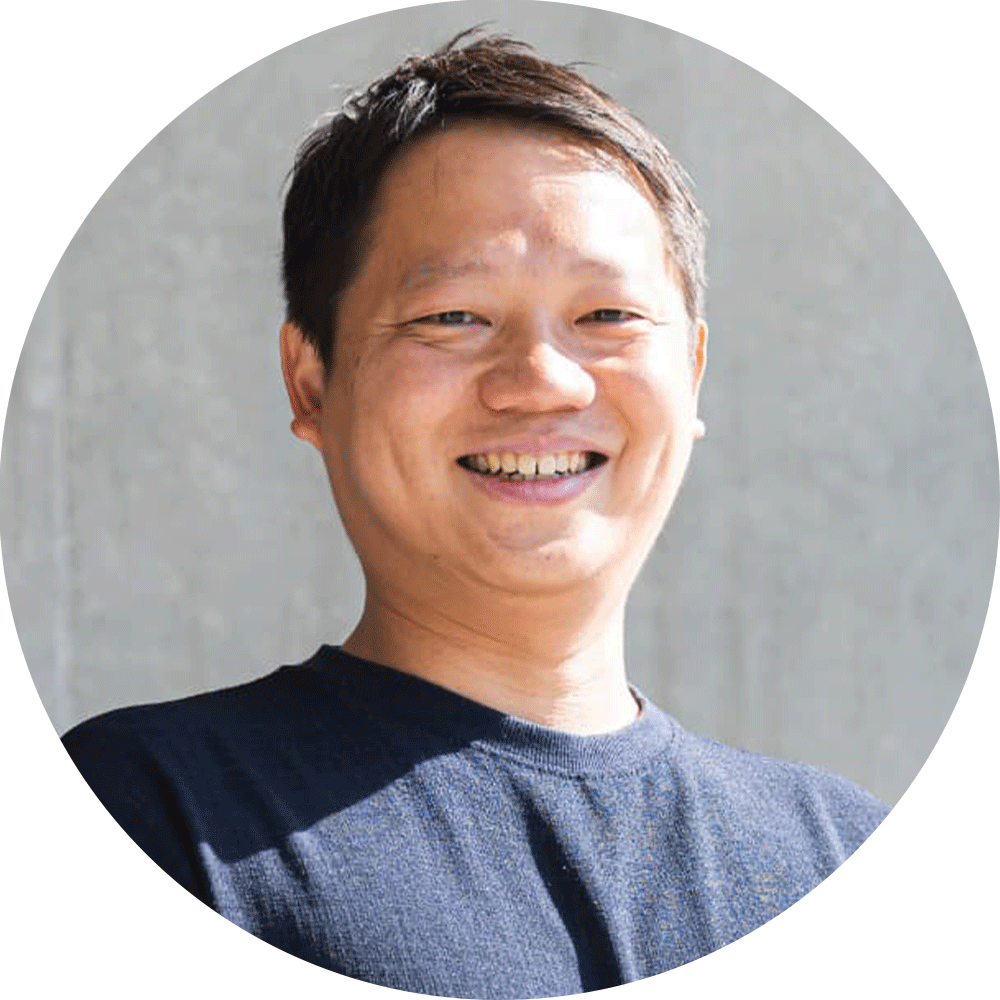
Electronics & Functional Materials Unit, Electronics SBU,
Sumitomo CorporationKohei Ueda
Electronics & Functional Materials Unit, Electronics SBU, Sumitomo Corporation
Ueda joined Sumitomo Corporation in 2012. He was initially responsible for businesses related to semiconductor and glass manufacturing materials within the Inorganic Chemicals Unit and also completed an overseas assignment in South Korea. Ueda is currently engaged in semiconductor-related businesses, including materials for EVs and AI data servers, such as silicon carbide wafers, as well as sensors and other electronic components. He assumed responsibility for the present project from his predecessor in 2023.
Creating a Promising Material from What Would Otherwise be Discarded
To begin, what is this industry-academia collaboration project aiming to achieve?
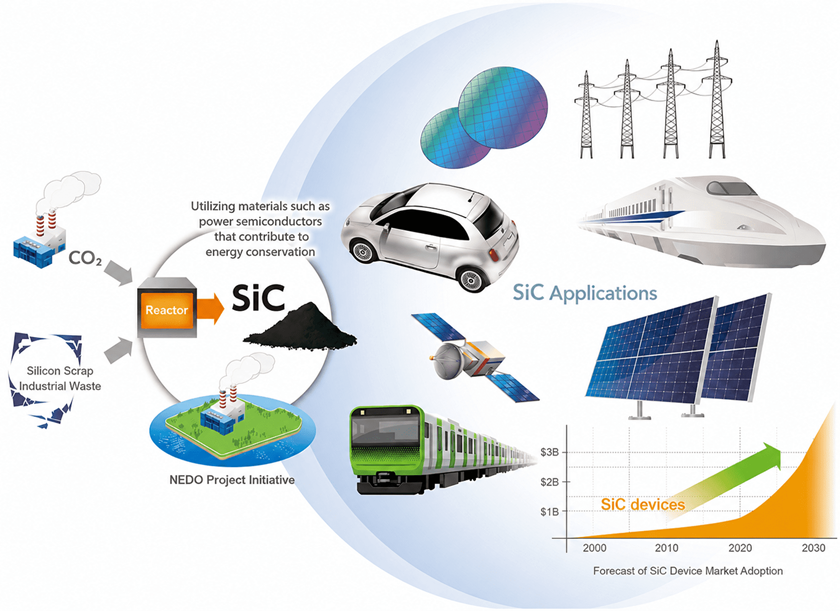
Ueda The project aims to commercialize a technology pioneered by Dr. Fukushima’s research team that synthesizes silicon carbide (SiC) by reacting silicon-based waste with CO2. The project has now entered the demonstration phase as a commissioned project funded by NEDO*1, and Sumitomo Corporation is responsible for areas such as investigating stable procurement routes for the silicon-based waste and CO2 used as raw materials, identifying applications for the resulting SiC and building the necessary supply chain.
Fukushima SiC is very hard and heat resistant, and is used in a wide range of industries, including next-generation power semiconductors, refractories, abrasives and ceramics. However, conventional manufacturing methods require large amounts of electricity and generate significant CO2 emissions. At the same time, silicon-based waste generated during solar panel disposal and semiconductor manufacturing processes presents major recycling challenges. If we can convert this silicon-based waste into useful SiC using CO2, we can shift the conversation from "How should we dispose of waste?" to the more constructive question of "How can we create the materials needed to support future industries?"
Ueda If this technology can be successfully implemented, it could contribute to domestic production of SiC, a material that Japan currently relies on imports for approximately 80% of its supply. It would also enable us to achieve both industrial waste recycling and carbon recycling, or the utilization of CO2 as a carbon resource simultaneously. As a company committed to advancing the circular economy, Sumitomo Corporation sees tremendous potential in this project.
From Sumitomo Corporation's perspective, what aspects of this technology suggested strong commercial potential?
Ueda The first factor is demand. Reducing CO2 emissions and addressing the treatment of silicon-based waste are both significant societal challenges, and they are also issues faced by many of Sumitomo Corporation's business partners. We believe this technology could become one solution to those challenges. The second factor is cost. The ability to manufacture SiC from waste-derived feedstock while using less energy than existing production methods suggests the potential for strong cost competitiveness. As we have advanced the project, we have met with companies that generate silicon-based waste as well as potential SiC users, and many have expressed strong expectations for the early commercialization of this technology. Our desire to meet those expectations has become an important source of motivation for continuing our efforts.
I also believe another essential factor in moving the business forward has been our ability to build a relationship with Dr. Fukushima and engage in open and candid discussions. That kind of partnership is indispensable for bringing this technology into practical use.
Dr. Fukushima, how did you discover this technology?
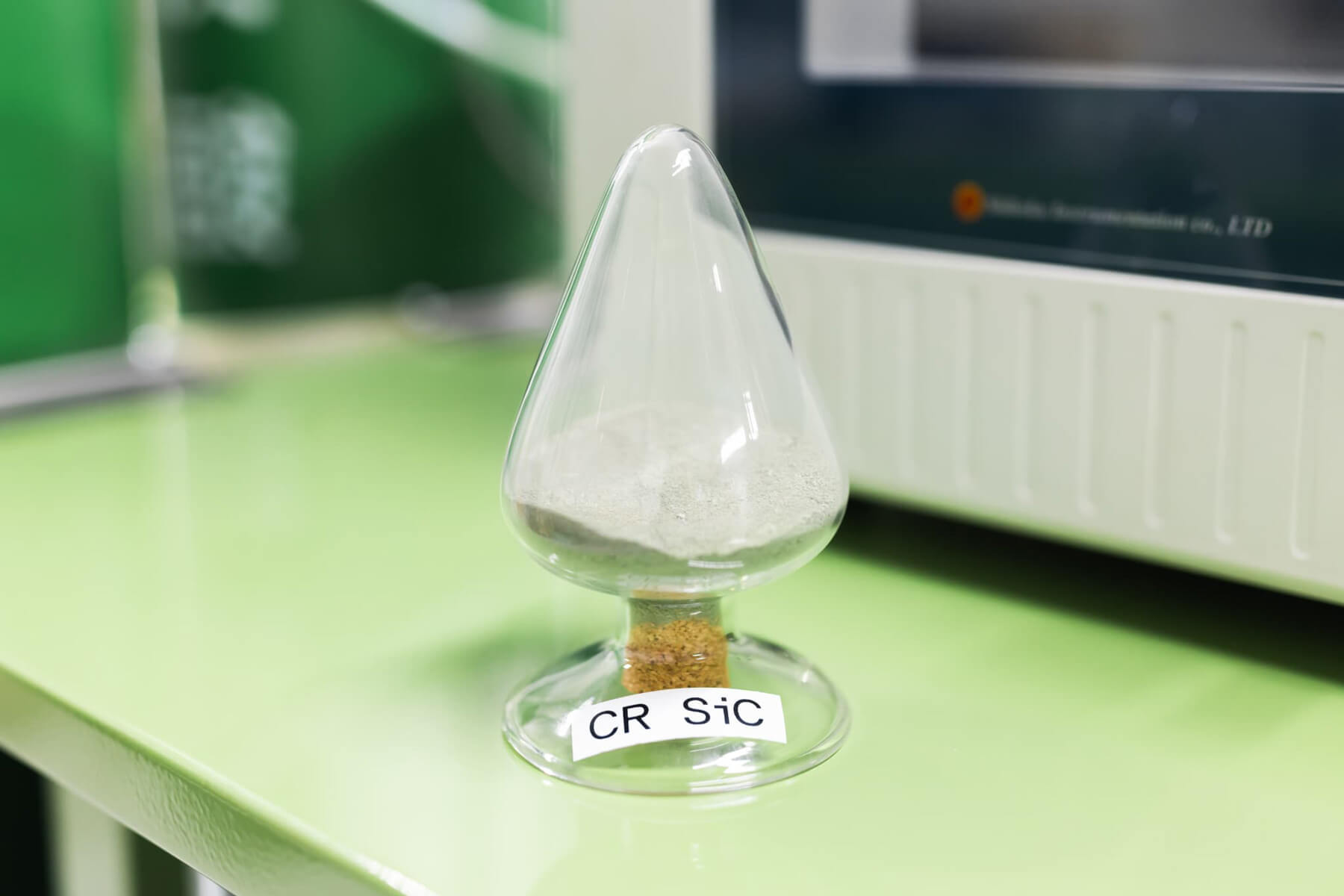
Fukushima To be honest, it wasn't something we set out to create from the beginning; it was a fortunate accident. One day, we tried reacting silicon and CO2 using a microwave processing device. To our surprise, the reaction generated an intense amount of heat and burst into flames. At first, all I thought was, "That's a remarkably vigorous reaction." I didn't fully understand what was happening. Subsequent experiments revealed that we could synthesize SiC using equipment similar to a household microwave oven and, furthermore, separate and recover the resulting material. Once we confirmed that, we issued a press release in 2022.
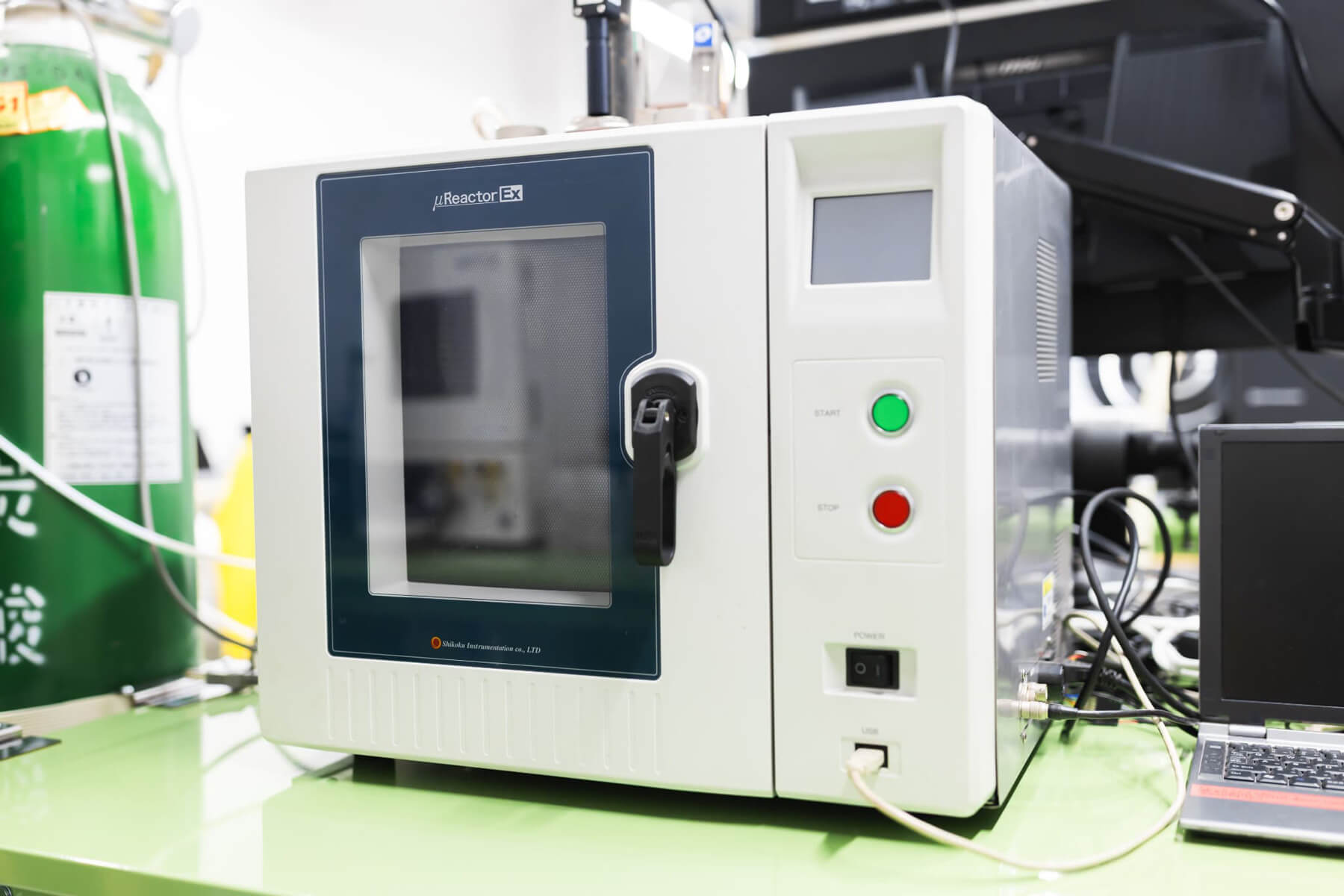
Ueda Back in 2022, the Electronics & Functional Materials Unit had established a Decarbonization Working Group to explore new business opportunities. I understand that my predecessor, Murakami, came across Tohoku University's press release, recognized the potential of the research and reached out to Dr. Fukushima.
Fukushima Even though the press release contained few technical details, we received around 30 inquiries. I was surprised by how many people seemed to recognize the social value of the technology. What surprised me even more was receiving an inquiry from someone at an integrated trading company – an industry I had never dealt with before. It was genuinely gratifying that people were interested in my research.
Ueda In fact, both Murakami and I are graduates of Tohoku University. It felt like a rather unexpected connection with our alma mater.
*1 NEDO (New Energy and Industrial Technology Development Organization) is a Japanese national research and development agency that supports projects through commissioned research programs, subsidies and other initiatives aimed at addressing energy and environmental challenges, and strengthening Japan's industrial technological capabilities.
How Can Sumitomo Corporation Bring This Technology into Practical Use?
How did Dr. Fukushima and Sumitomo Corporation work together to refine the business model?
Ueda After taking responsibility for the project in 2023, the first thing I focused on was demonstrating what Sumitomo Corporation could bring to the table. Unlike manufacturers, integrated trading companies do not own production facilities. But we can contribute expertise in sourcing and collecting silicon-based waste, networks of potential customers who may utilize SiC and research into potential sources of CO2.
In fact, the Electronics & Functional Materials Unit, where I work, is already involved in business related to silicon wafers and SiC wafers. Elsewhere within the Group, the Inorganic Chemicals Unit previously handled silicon metal, while Sumisho Metalex has been involved with polysilicon. Other teams are also engaged in SiC powder-related businesses. In addition, the Sumitomo Corporation Group has extensive product expertise and diverse business networks essential to bringing this technology into practical use, including businesses related to solar power generation and refractory materials. We explained to Dr. Fukushima that by combining these strengths with his research, we could take the first step toward commercialization.
Fukushima At the outset, our greatest challenge was whether we could scale up the SiC production equipment. Without overcoming that hurdle, commercialization would simply not be possible. At that stage, we didn't understand what level of performance the SiC produced through this method would ultimately achieve. To be honest, there were major barriers before we could reach the point of manufacturing a commercially viable product.
Even so, the Sumitomo Corporation team made repeated trips to Sendai. More than gratitude, I remember feeling a sense of guilt. I worried that I was involving them in a technology whose prospects were still highly uncertain and causing them unnecessary effort. I shared those concerns, but at the same time, if we succeeded in scaling up the technology, the next challenges would inevitably involve raw material procurement, sales and identifying applications. Those are precisely the areas where Sumitomo Corporation excels, which gave me considerable reassurance.
Ueda That said, I imagine Dr. Fukushima also had his own concerns about conducting joint research with an integrated trading company that does not operate manufacturing facilities. But through repeated candid discussions and honest exchanges of views, we were able to share our respective aspirations and gradually build a relationship of trust.
Fukushima In spring 2024, a large-scale system was completed at Osakikamijima in Hiroshima Prefecture, and visiting it together was a memorable experience. Thanks to Sumitomo Corporation, I was also able to visit companies and operational sites that could serve as sources of silicon-based waste, or as potential users of SiC. Those visits were extremely educational.
Has your impression of Sumitomo Corporation changed since you first became involved with the company?
Fukushima At first, I imagined Sumitomo Corporation as a company of polished business elites. But as our relationship deepened, I came to realize that it's much more. Whenever a challenge arises, people are willing to visit sites repeatedly, negotiate persistently and bring together the necessary stakeholders until a solution is found. There is a remarkably energetic and hands-on side to the organization. Above all, I appreciate the fact that discussions are always open, honest and constructive.
New Value Emerges When Researchers and an Integrated Trading Company Work Together
In 2025, a new NEDO-commissioned project was launched as a joint demonstration initiative with Sumitomo Corporation.
Ueda Through the demonstration project, we are collecting samples of silicon-based waste, evaluating collection schemes, investigating potential CO2 suppliers, identifying applications for SiC and assessing the commercial viability of the business. In fact, Sumitomo Corporation didn't have any previous experience participating in a NEDO-commissioned project through an industry-academia partnership. However, opportunities to apply our accumulated expertise to a project with such significant social value – one that addresses CO2 emissions reduction, effective waste utilization and creating new domestic supply options for a material currently dependent on imports – are extremely rare. As a result, the project was viewed positively within the company, with many people feeling that we must take it on.
Fukushima Discussions with Sumitomo Corporation sometimes last two or even three hours. Each time, I am reminded that new value emerges precisely because people from different fields – researchers and those working at an integrated trading company – can challenge assumptions and exchange new ideas.
Ueda We're now in the second year of the demonstration phase, and tangible results are beginning to emerge. Regarding silicon-based waste, we have collected around 20 different types of samples, including materials from solar panels, through collaboration with more than 10 companies. For CO2 procurement, we are continuing discussions with multiple businesses as we work toward establishing a stable supply. We are also making progress in identifying applications for SiC. New initiatives have begun, including evaluations of its potential use as a raw material for SiC wafers, and we are making steady progress.
Finally, could you share your outlook for the future and your aspirations for the project?
Ueda This project still faces many challenges before commercialization can be achieved. Even now, we are continuing to gather the information necessary for practical implementation, and whenever new issues arise, Dr. Fukushima and I discuss how they might be resolved. Moving forward, we intend to continue evaluating a wide range of factors, including technological progress and changes in the broader business environment.
Fukushima Our immediate objective is to bring the technology to a level where the material can be used as a semiconductor feedstock within the timeframe of the NEDO project, which runs until March 2028. At the same time, we are exploring the synthesis of SiC from lower-purity silicon-based waste, as well as the future possibility of utilizing CO2 derived from DAC (Direct Air Capture) technologies. At present, we are exploring every possibility and expanding our options. The next step will be to narrow those options and determine the most appropriate business model. As the project moves further into the commercial realm, we will be relying on Sumitomo Corporation's expertise more than ever.
Ueda The Sumitomo Corporation Group has a long history of creating social value from industrial by-products. One example is its use of sulfur dioxide generated during copper smelting to produce sulfuric acid and superphosphate fertilizer, which made a significant contribution to agriculture. This project follows in that tradition. By maintaining a long-term perspective and creating value for society, we hope to overcome future challenges together with Dr. Fukushima, establish a strong business model, contribute to the realization of a circular economy and ultimately help build a decarbonized society.
Fukushima SiC is becoming increasingly important to the future of EVs, renewable energy, data centers, energy-efficient equipment and the broader infrastructure that supports modern life. If this technology becomes widely adopted, it will provide society with a new source of essential materials while reducing environmental impact. It will also lessen the waste-disposal burden for companies that generate silicon-based waste, while providing new procurement options for industries that rely on these materials. Ultimately, these benefits will find their way back to us and support our lives. I hope that alongside Sumitomo Corporation we can help create a society that views decarbonization not as a cost, but as an opportunity to generate new industrial value.
Recommend
Business
WORLD BIZ+ ―Exploring the Reality of the Workplace Vol. 5― Sulfuric Acid Supporting Global Industry: Establishing No. 1 Global Maritime Transport Volume With Interacid
Business
What We Pursued Was Happiness for Both Dogs and Their Owners – An All-in-One Canine Dental Care Chew Born from a Dog-Loving Employee’s Passion
Business
Envisioning the Future of Agribusiness: Sumitomo Corporation Cultivating Expertise in Agriculture and New Business Planning Worldwide

Culture
Working To Improve Quality of Life for Pets and Their Owners – Finding Her Groove After 18 Months With the Company as a New Graduate
Business
Harnessing the Potential of Rice Husks to Co-create New Business: The “Rice Phone” Challenge
Business
Integrated trading and business investment company strength to support agriculture in Western Australia
Business
Expanding the electronics manufacturing service business in Cambodia

Business
Pet care business for beloved pets
Business
To be "Food basket of the world" instead of "Breadbasket" of Europe: Agricultural inputs and service business contributes to Ukrainian agriculture.
Business
Supporting Industries and Enriching People’s Lives Globally through the Sulfuric Acid Business
Business
Providing the world with high-quality crop protection products and contributing to stable food production
Business
Working with a European company to build a foundation for petrochemical production and marketing in China
Business
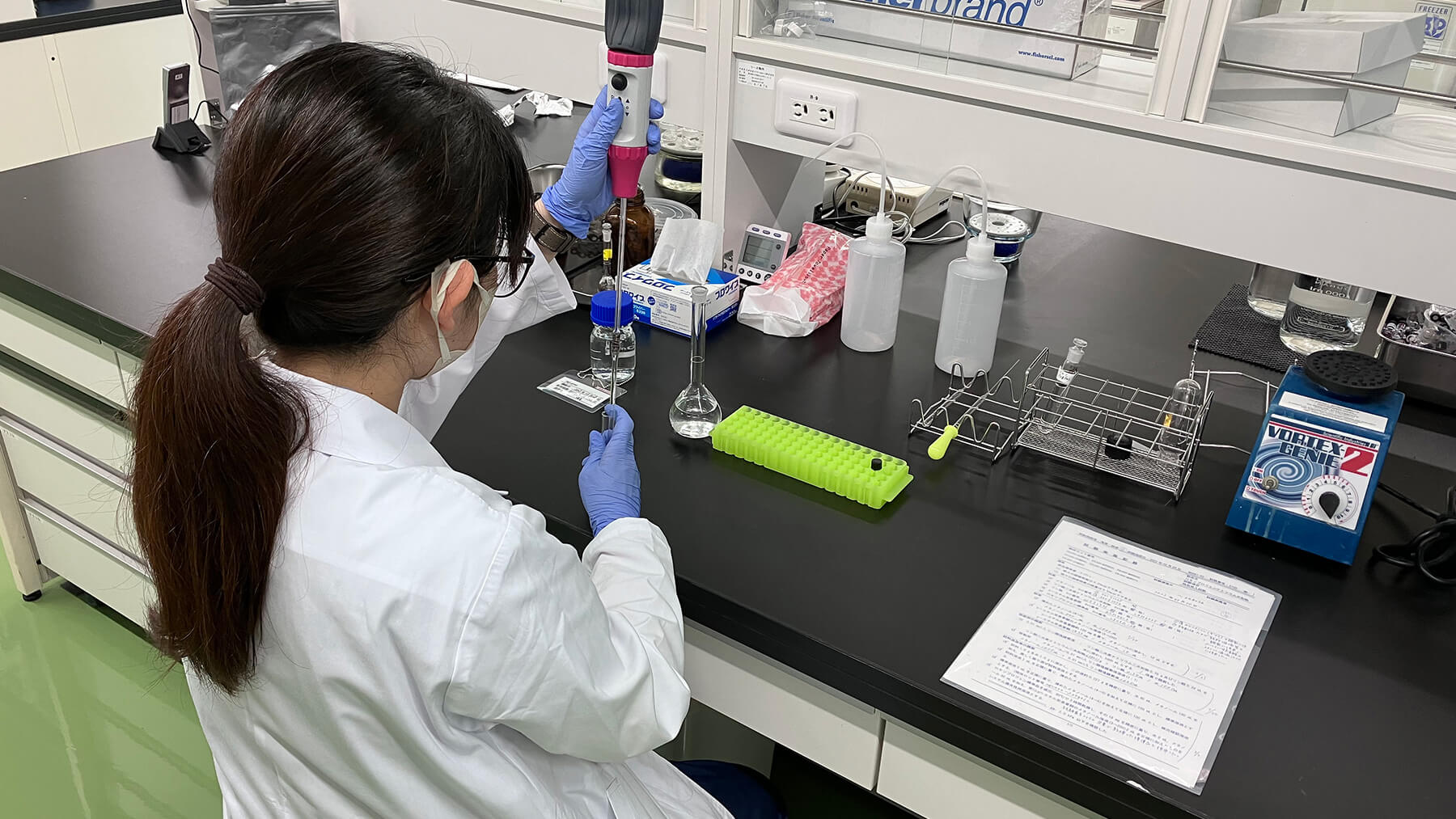
Supporting electronic device manufacturing industry: High value added EMS business
Business
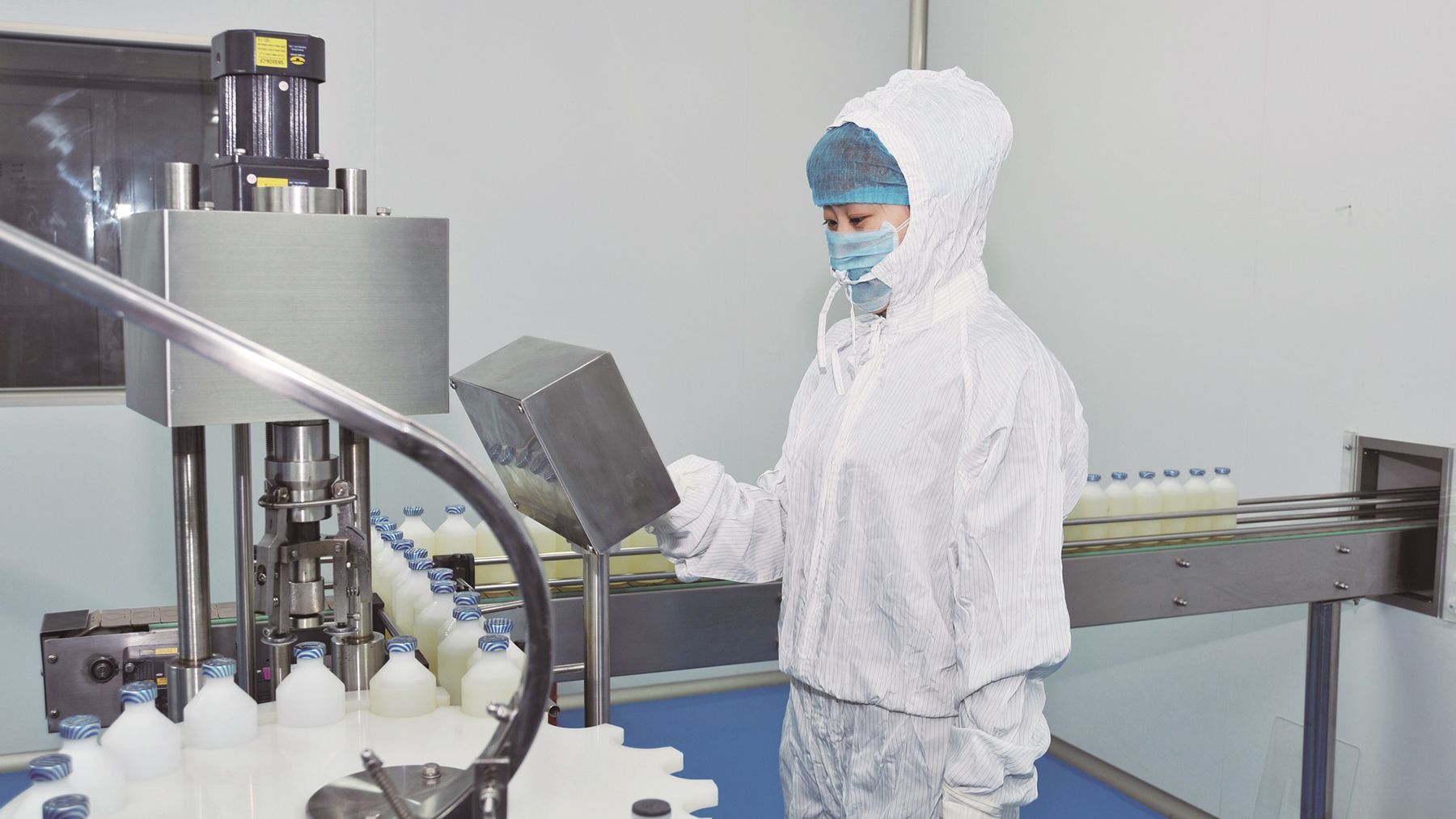
Integrated solution provider for pharmaceutical industry “From upstream to downstream”
Business
Addressing to food safety and security through veterinary medicine for livestock

Business
Believing in the power of cosmetics to create a more beautiful world
Business
SPI accelerates the development of biotech and pharmaceuticals industry
Ranking

2026.10.2
Culture
"About Enriching+": The Story So Far, and Where Sumitomo Corporation's Official Owned Media Is Heading Next
2026.8.13
Business
Collaboration With SCSK Is Key: Inside Sumitomo Corporation Group's DAIS (Digital & AI Strategy)
2026.2.9
Business
Using AI to Streamline Track Inspections: Sumitomo Corporation and 33 Railway Operators Take on Labor Shortages in the Rail Industry
2025.8.29
Business
Sumitomo Corporation's Soaring Commercial Aviation Business: Powered by the World's Second Largest Aircraft Leasing Operation

2024.5.20
Business
SUMMIT: Making Supermarkets in Japan More Enjoyable