- TOP
- Enriching+TOP
- Contributing to big LNG project

Business
Contributing to big LNG project
2023.10.1
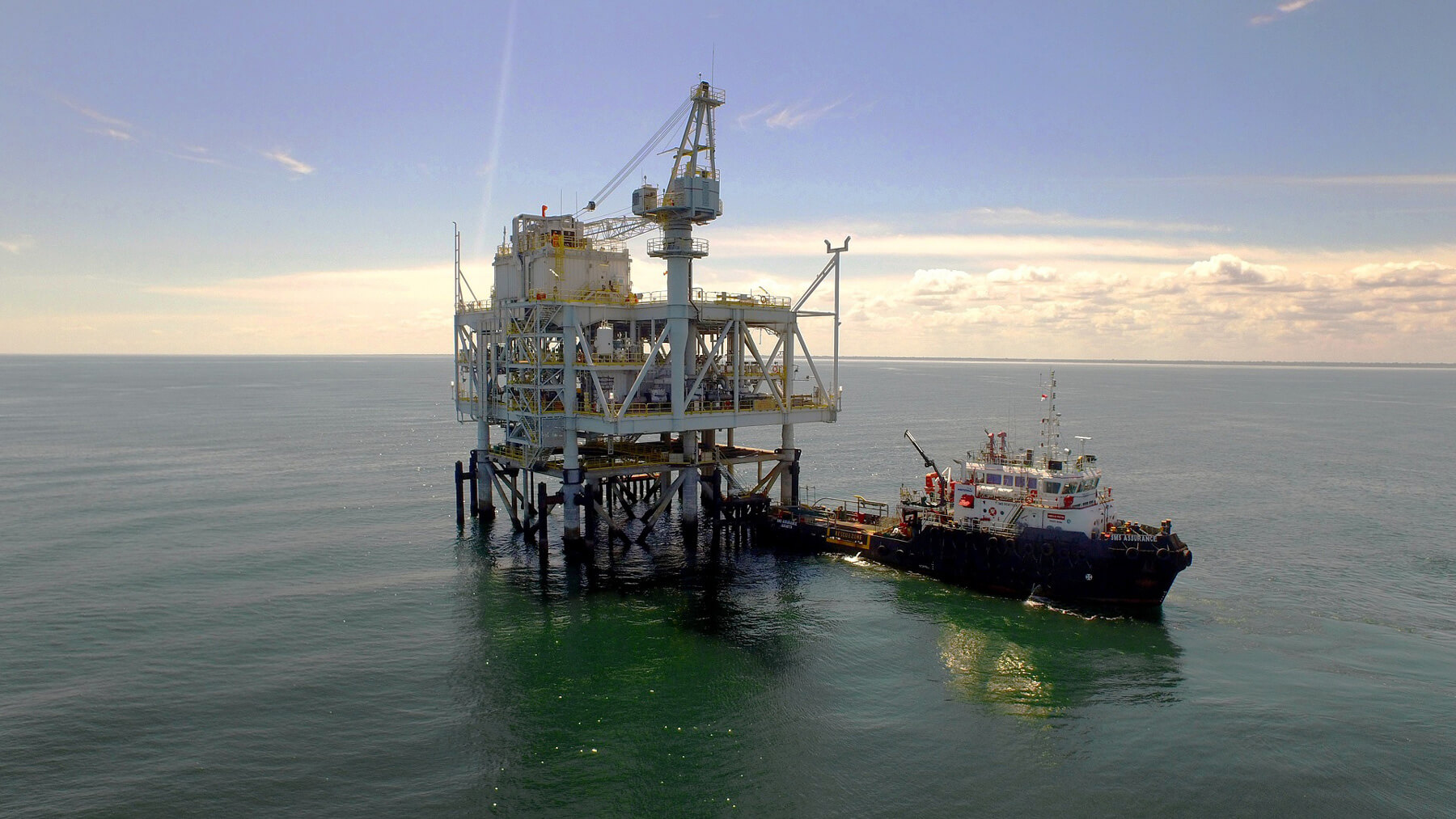
Natural gas generates lower levels of CO2 emissions from burning compared with other fossil fuels. The Sumitomo Corporation Group has participated in the liquified natural gas (LNG) development project launched in Indonesia in the 1990s through its member company, LNG Japan Corporation. The project has started operations to produce gas to support many industries and people’s lives in a number of countries in Asia. The following story describes our endeavors to pursue the “mitigation of climate challenge” and “Development of local society and economy” at the same time.
This content was originally published in October 2020.
Project name: “Strong”
Natural gas, which emits relatively low levels of CO2 during combustion compared with other fossil fuels and is therefore low in environmental impact, is widely used as a fuel, for example, for thermal power plants. There are two main methods for transporting large quantities of natural gas, through pipelines connecting gas production and consumption sites, and by tankers. For countries like Japan, which is surrounded by the sea and cannot be supplied through pipelines, or in cases where long-distance transport makes pipelines uneconomical, shipment by tanker is essential. For the sake of convenient transportation by tankers, natural gas, which is in a gaseous state at room temperature, is reduced to a liquid state, namely liquefied natural gas (LNG), and 1/600th its original volume by cooling it to minus 162C°.
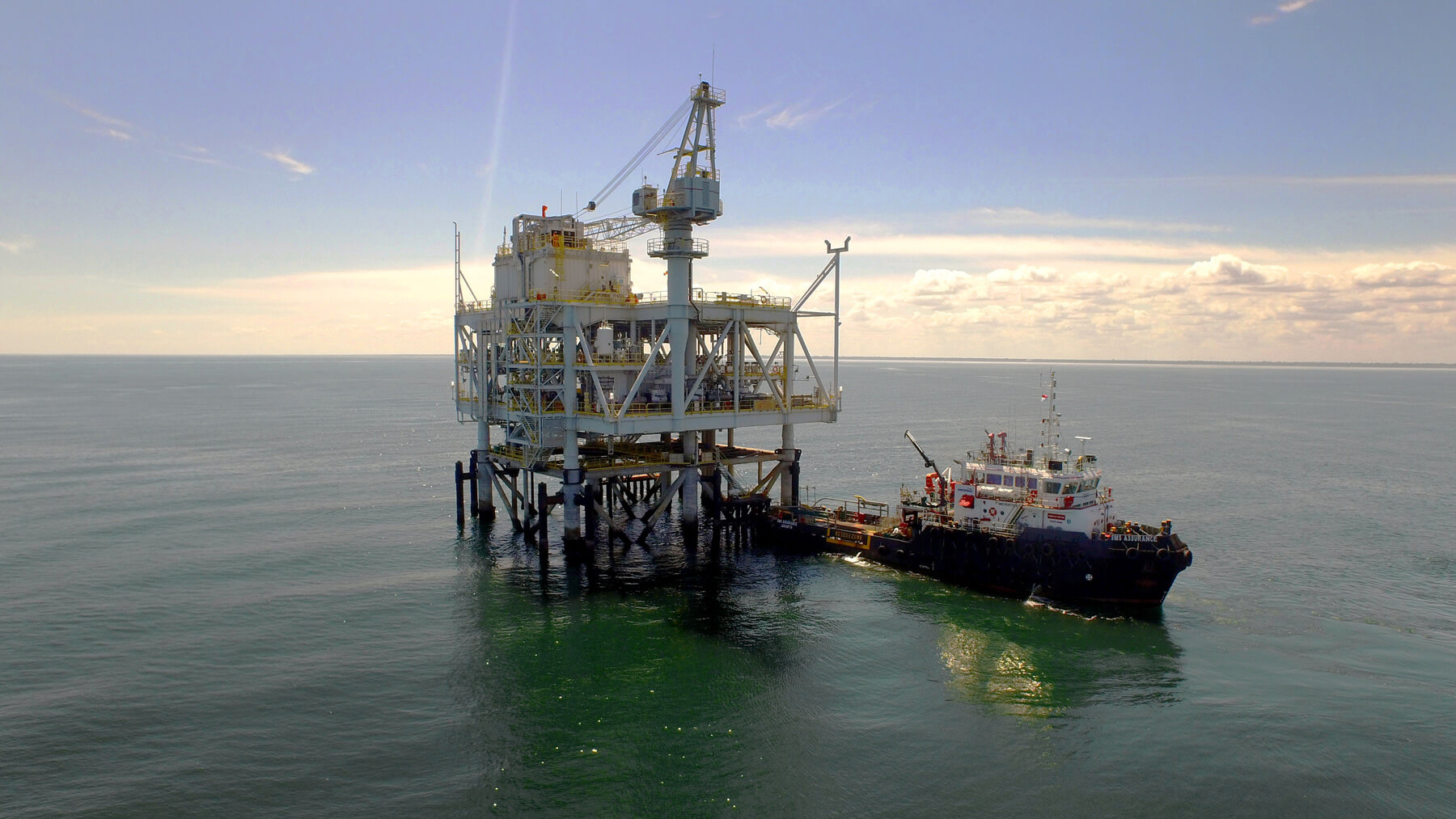
Momentum to develop the LNG businesses picked up in the 1990s on the back of Indonesia’s major large-scale natural gas field in Papua Barat Province. A project named by President Suharto "Tangguh (meaning "strong" in Indonesian)", was discovered in 1994 to extract natural gas from this field and to ship it as LNG. A number of Japanese companies participated in the Tangguh Project, providing financial and other support. LNG JAPAN CORPORATION, an affiliate of Sumitomo Corporation, was one of the project partners.
LNG sustains electricity supply after the Great East Japan Earthquake
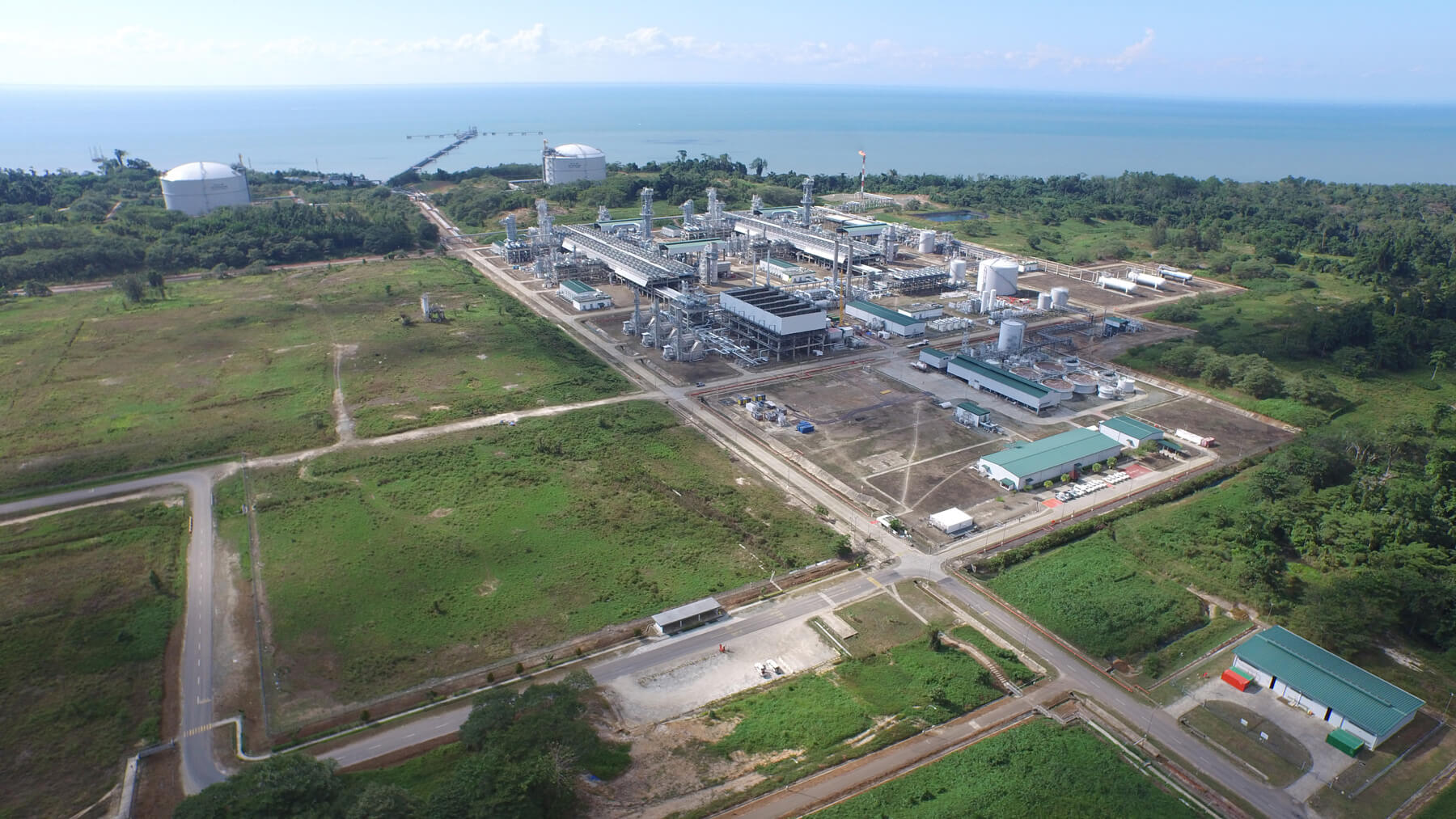
After the Great East Japan Earthquake on March 11, 2011, the presence of thermal power generation increased, owing to the decrease in power supply sourced by nuclear power plants in Japan. In response, shipment destinations of LNG produced under the Tangguh Project were partially rerouted to Japan to support stable power supply in the country. This LNG Supply helped to carry the modern life of Japanese people even after the earthquake.
In 2016, a final investment decision was made to expand the Tangguh LNG Project, and by 2023 the LNG third trainwas added, increasing LNG production capacity from 7.6 million tons per annum (mtpa) to 11.4 mtpa. With 75% of the additional LNG volume being supplied to Indonesia's state electricity company, the expansion project satisfies the country's growing energy demand. The remaining 25% is sold to The Kansai Electric Power Company, thus contributing to Japan's national energy security. Furthermore, in 2024, a new investment decision was made to pursue another expansion project, which includes Indonesia’s first large-scale CCUS(Carbon Capture, Utilization and Storage) initiative. This is expected to play an important role in advancing CCUS technologies in the country.
Long-term commitment
LNG projects require a long time to develop. Only few companies are capable of making continuous contributions for over decades of business operations and in finance. Companies are put perseverance to the test during the course of promoting LNG projects.
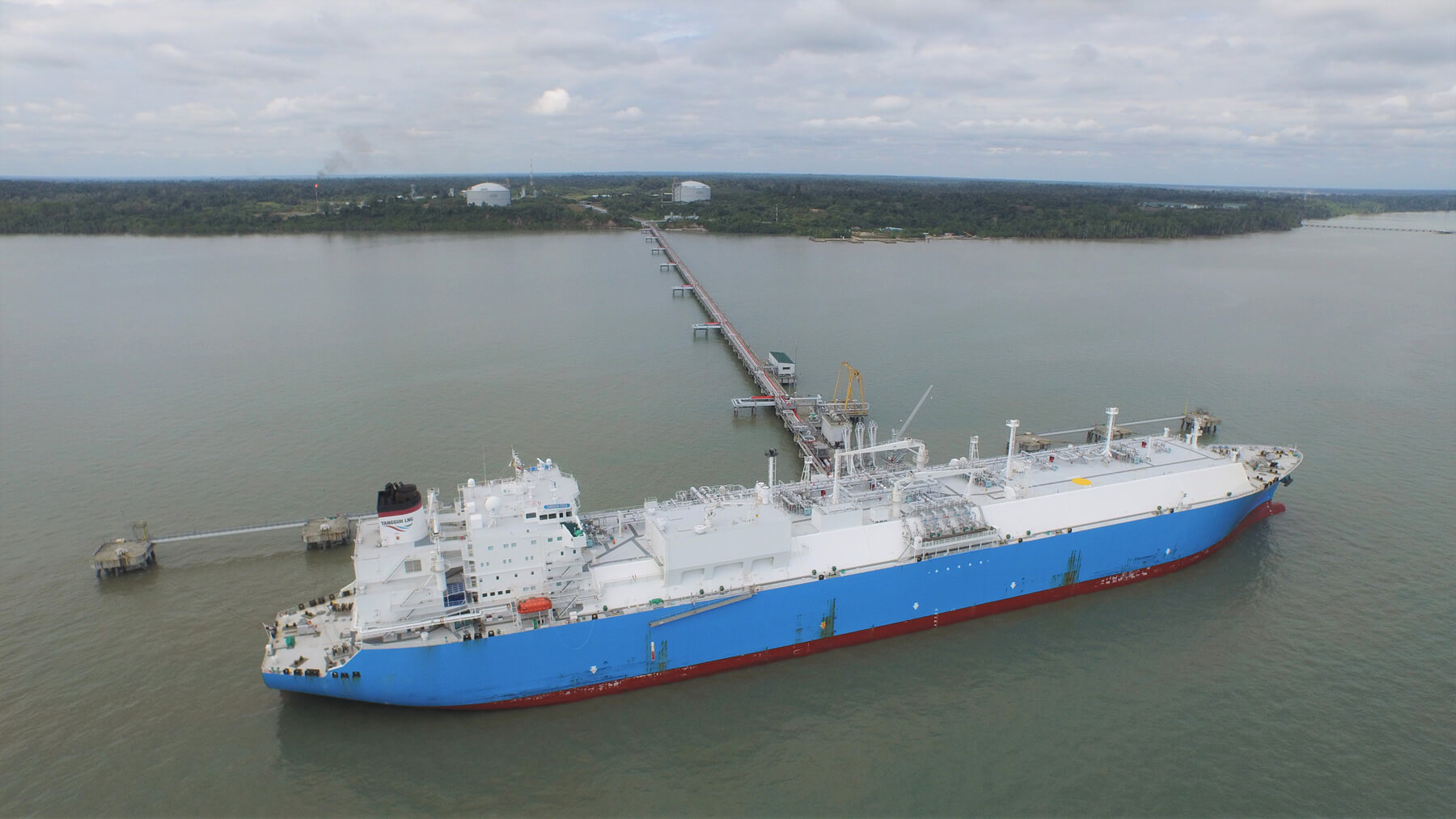
Sumitomo Corporation will continue to tenaciously pursue LNG project development and operation with the aim of providing stable supplies of natural gas to countries with scarce natural resources, such as Japan and South Korea, and supporting development of the industry and people's livelihood in China and Southeast Asian countries through energy.
Recommend
Business
Toward a Carbon-Neutral Future: Sumitomo Corporation’s Company-Wide, Cross-Organizational Drive to Create New Businesses

Business
Pursuing the Dream of Fusion Power: Sumitomo Corporation's Strategy for Moving from Fusion-Derived Businesses to Real-World Deployment
Business
Transforming Society through Renewable Energy: Introducing Sumitomo Corporation's Diversified Energy Business
Business
Opening New Frontiers in the Evolving Carbon Credit Market Through a Full-Spectrum "Create, Connect, Use" Approach
Business
Flying Planes and Growing Forests: A Joint Challenge by Sumitomo Corporation, Nippon Paper Industries and JAL to Produce Domestic SAF from Tohoku
+ (Plus)
Renewable Energy as the Cornerstone of Fukushima's Recovery: What the Abukuma Wind Power Project Brings to the Local Community
Business
Sumitomo Corporation's Commitment to Japan's Largest Onshore Wind Power Project: Continued Reconstruction in the Abukuma Area, Fukushima Prefecture
Business
Tackling offshore wind challenges! Behind the Scenes with a Newcomer from Sumitomo Corporation on Assignment in Saikai, Nagasaki
Business
Transforming Energy Storage Into Core Infrastructure: New Storage Battery Challenges for Sumitomo Corporation in Hokkaido
Business
Tackling Power Shortages with Rechargeable Batteries: Sumitomo Corporation Wiring the Future of Energy on the Koshiki Islands
Business
【Super-Sized Infographic】What's One Key Solution to Climate Change? Utility-Scale Energy Storage Spreading Worldwide

Culture
Sustainable Choices for Lunch and Work – A Sumitomo Deutschland GMBH Employee’s Quest To Promote Renewable Energy in Europe
Business
We’ve talked enough. It’s time for action. But how?―Sumitomo Corporation’s true commitment to decarbonization
Business
Geothermal Power Generation in Indonesia! Sumitomo Corporation’s Vision for a Sustainable Future
Business
Bringing green power to all of Japan. What is the new electricity business to realize decarbonization?
Business
“Storing up” as a business: striving to commercialize reusing EV batteries as energy storageon a remote island off Kyushu
Business
Bringing traditional Japanese culture to tropical Ghana
Business
Contributing to next-generation energy infrastructure by smart use of cutting-edge battery technology for automobiles
Business
Spread and Expansion of Renewable Energy through Power Storage Business –Reused EV Battery Project on Koshiki Islands–
Business
Sustaining Indonesia’s power supply with geothermal power generation
Ranking

2026.10.2
Culture
"About Enriching+": The Story So Far, and Where Sumitomo Corporation's Official Owned Media Is Heading Next
2026.8.13
Business
Collaboration With SCSK Is Key: Inside Sumitomo Corporation Group's DAIS (Digital & AI Strategy)
2026.2.9
Business
Using AI to Streamline Track Inspections: Sumitomo Corporation and 33 Railway Operators Take on Labor Shortages in the Rail Industry
2025.8.29
Business
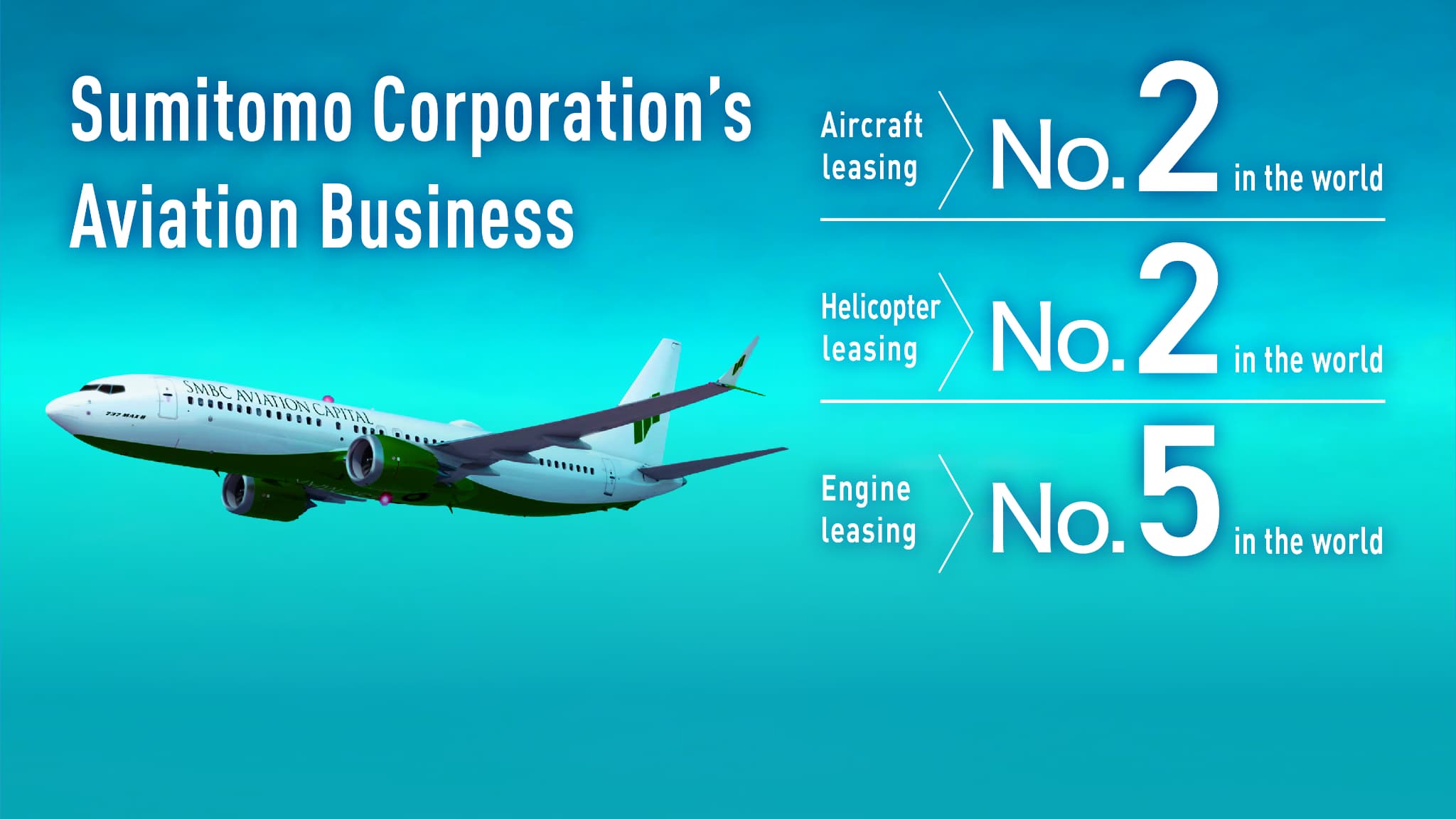
Sumitomo Corporation's Soaring Commercial Aviation Business: Powered by the World's Second Largest Aircraft Leasing Operation

2024.5.20
Business
SUMMIT: Making Supermarkets in Japan More Enjoyable