VISIONS Magazine (April 2026 Edition)
Building an Integrated Biofuel Model in Brazil
Brazil has a challenge to meet, and it sure isn’t a dearth of raw materials. The country produces agricultural output at a scale few others can match, and with it comes an equally large volume of residues. The challenge has been turning that abundance into something that works—economically, operationally, and at scale.
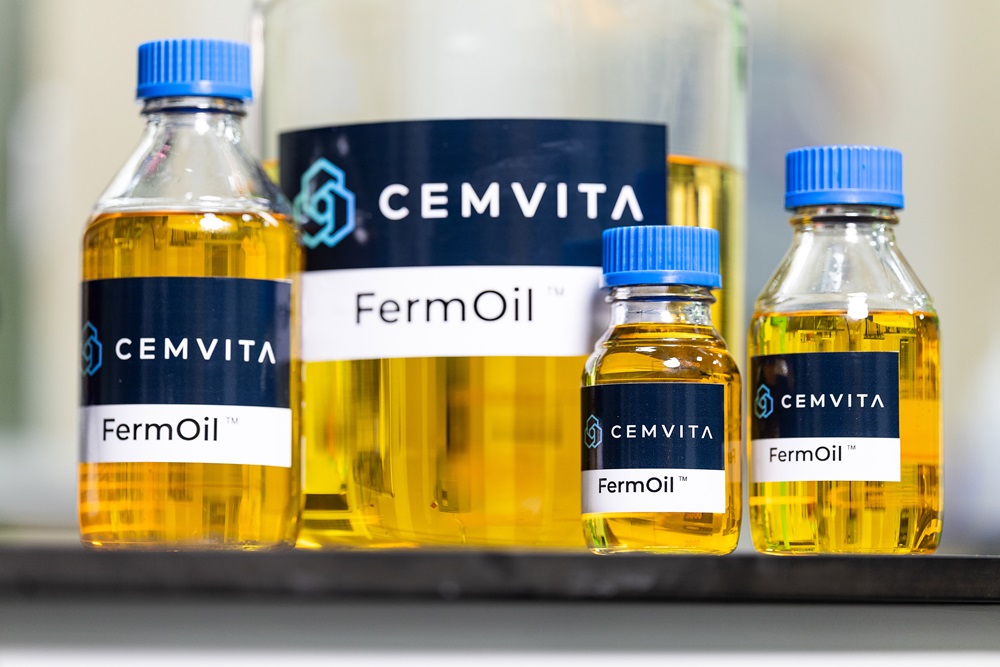
Sumitomo Corporation do Brasil (SCBR), working with Cemvita, is taking a direct approach: combine outputs, reduce inefficiencies, and make the numbers work where they previously did not. The partnership focuses on integrating renewable natural gas (RNG) and bio-oil production from organic waste, using a single project structure to serve more than one market.
“Brazil has tremendously large-scale feedstocks for the biofuel production. However, there are many hurdles to unlock them economically. Bio Oil produced from organic waste is an ideal feedstock for the SAF production, and RNG is important biofuel to substitute natural gas or the other fuels,” said Takamasa Ueda, Senior Director, Sumitomo Corporation do Brasil. “Throughout the interactions with Cemvita, we realized that these 2 key products can be developed as integrated basis using large scale high potential feedstocks in Brazil. Our goal is to expand the biofuel solutions in the market, with this collaboration with Cemvita, we should be able to expand the business in 2 different markets by developing one project.”
The logic is straightforward. One feedstock, two outputs, and two revenue streams. In a sector where projects often struggle to justify themselves on a single product, that shift matters. It is less about adding complexity than about removing fragility.
Brazil’s position in this equation is not incidental. Its agricultural system produces the kind of scale that biofuel projects require, even if much of that material has traditionally been routed into lower-value uses. The opportunity now is not to replace those uses entirely, but to extend them—to extract more value from the same inputs.
“Brazil has large scale agriculture productions. Most of the waste from such agriculture industry had been re-used as animal nutrition, etc. Cemvita’s technology is offering step change in such standard practice and creating additional values from the waste,” Ueda said. “Cemvita and SCBR agreed to co-develop such opportunities to expand the biooil and RNG production is Brazil by unlocking such large-scale feedstocks jointly.”
What changes here is not the existence of waste, but what it becomes. The materials are already in circulation. The difference is whether they remain part of a closed loop with limited upside, or move into a system that produces fuels tied to growing global demand.
The integrated model also addresses a structural issue in biofuel development: geography. Feedstocks are not centralized. They are spread across regions, subject to seasonal variation, and tied to local production cycles. A single-output model can struggle under those conditions. A multi-output model has more room to adjust.
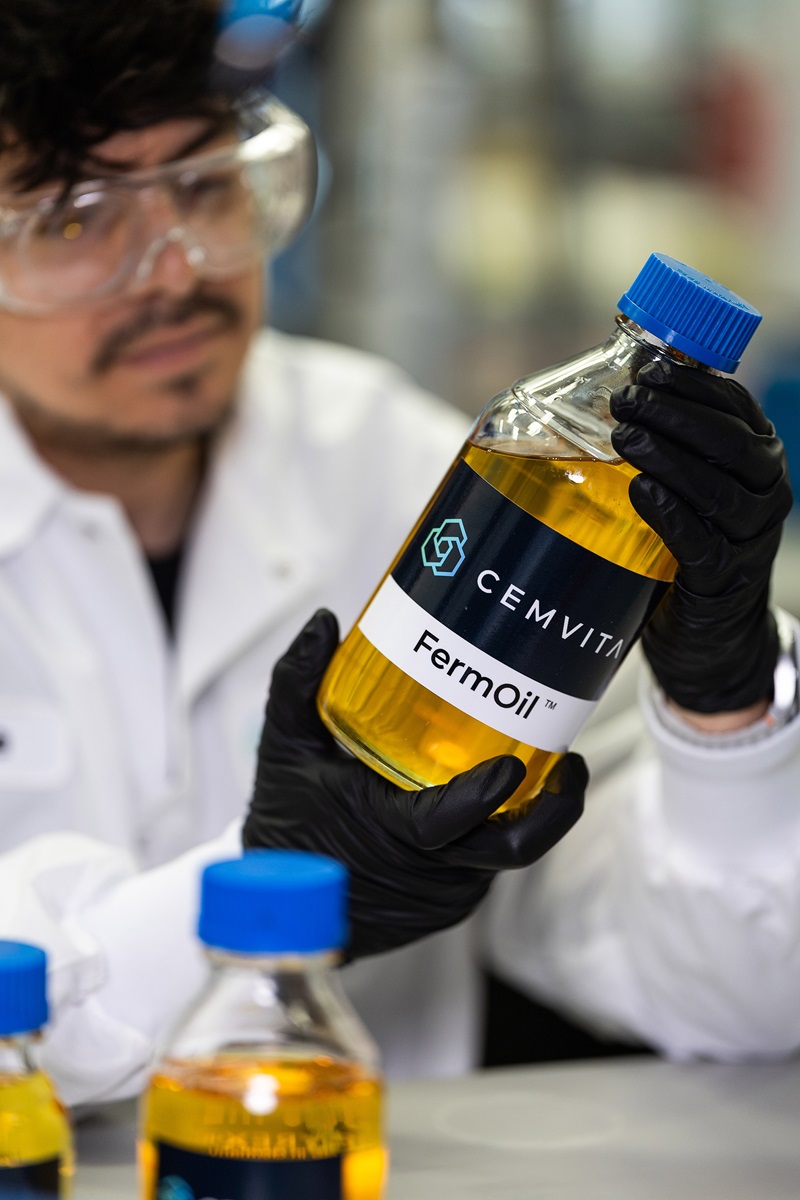
“We cannot go greater details here, however, as we are aiming to create two different cash flows from the one feedstock, it is obvious to have operational and economic synergies. SAF production here in Brazil is still limited however, the feedstock can be exported before the SAF supply chain established here,” Ueda explained.
That export option is not a workaround; it serves as part of the plan. While domestic SAF production builds over time, the ability to move feedstock into established markets allows projects to operate without waiting for the entire value chain to catch up.
At the same time, the integrated approach provides a way to stabilize project economics in a fragmented feedstock environment. By producing multiple outputs, the system can absorb variability and still maintain scale.
“As biofuel feedstock is fragmented and distributed in the area even in Brazil. In case we can create synergy model with multiple products, we can improve the economics of the project and expand the scale of the project,” Ueda said. “What we are aiming to achieve here, is to integrate the projects to create synergies to accelerate the industrialization of the biofuel potentials in Brazil.”
There is no single breakthrough here—no one piece of technology or one market shift that changes everything overnight. Instead, the work is in the structure: how projects are designed, how outputs are paired, and how existing resources are used more efficiently.
In a country where scale already exists, that may be the difference between potential and production.