VISIONS Magazine (May 2026 Edition)
Forged to Scale: How SCOA is Easing the Bottleneck Behind the Data Center Boom

Crankshafts rarely make headlines, but they now sit at the center of a real constraint tied to the growth of hyperscale data centers. As big tech firms like AWS, Microsoft Azure, Google Cloud, Meta, Apple, and Oracle Cloud build larger data centers and demand more reliable power, one forged component has started to determine how fast generator systems can scale.
At Sumitomo Corporation of Americas, that shift has driven a focused effort to expand large crankshaft forging capacity at the Nippon Steel facility in Osaka, connecting a traditional manufacturing process directly to digital infrastructure growth.
SCOA supports this effort through contract negotiations and a coordination role across the crankshaft supply chain; it connects the forging operation capable of producing large crankshafts required for high output gensets (an integrated Engine and Electrical generator), and the OEM genset builder. This places SCOA in a position to help align production capacity with demand that continues to increase.
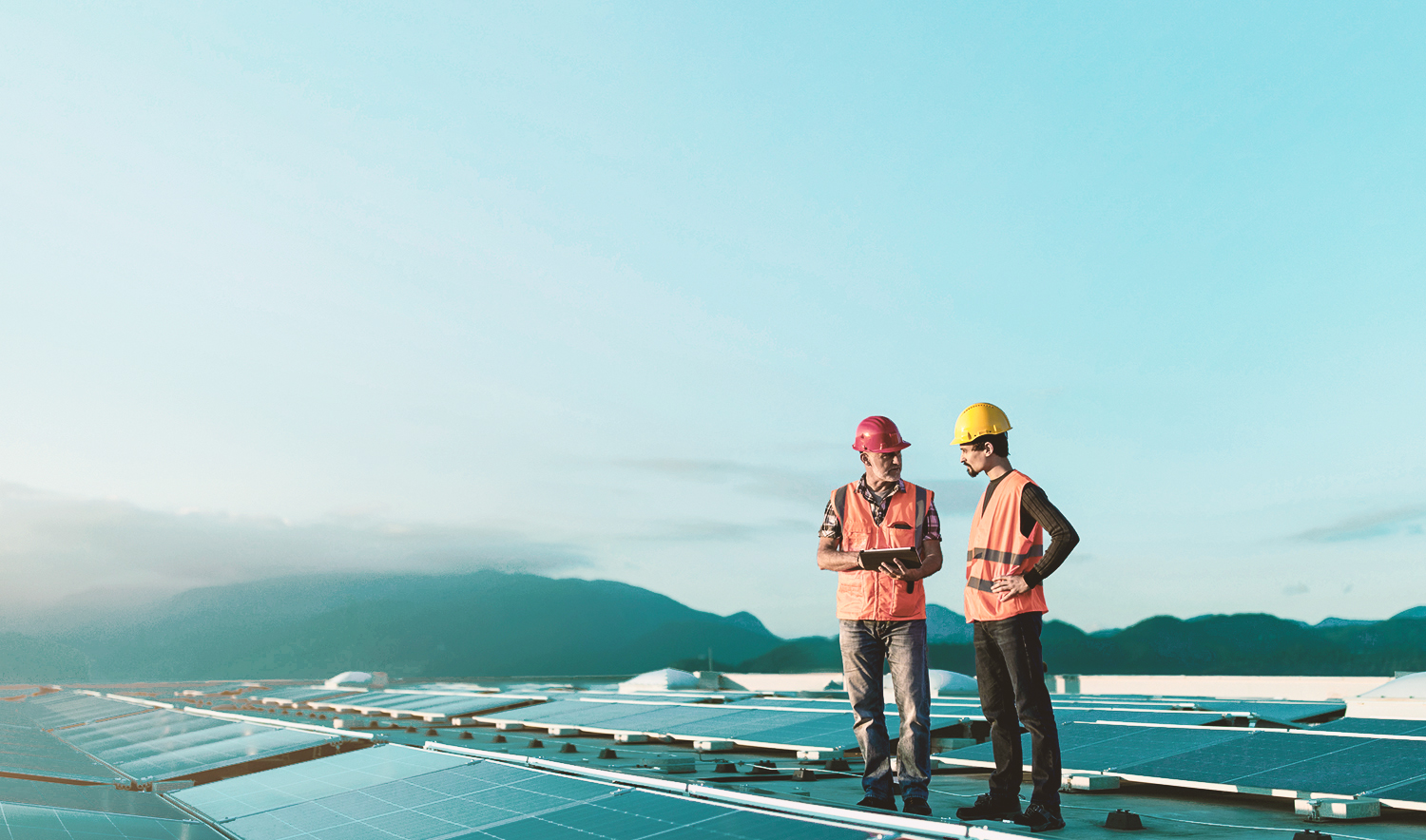
Photo caption: The total large engine market (all fuels) is expected to grow from 20.7k in 2025 to approx. 33k in 2040 driven by Power Generation (60% Growth).
“The number of data centers being built is accelerating rapidly, which is driving the increasing demand for high output power generators, which directly expands the large crankshaft market,” said Marcelo C Pereira with the Crankshaft Team in Casting & Forgings, part of SCOA's Metal Products for Transportation Unit.
That global network provides reach, but it does not eliminate the constraint at the high end of production. Large crankshafts require specialized forging capability, heavy equipment, and long production cycles, all of which limit how quickly supply can expand. As demand increases, those limits become more visible across the supply chain and more difficult to manage without long-term planning.
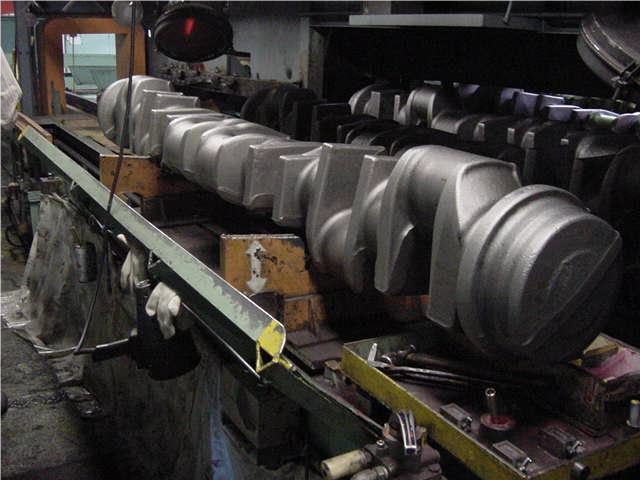
pictured above: crankshaft at end of production line about to be inspected
“A crankshaft for a large engine weighs more than 650 kilos and can be over 2.5 meters long,” Pereira said. “What we are seeing is the large crankshafts are becoming a key constraint item and customers are always pushing for more and faster.”
Those physical characteristics translate directly into production realities. Forging, machining, and finishing each crankshaft requires high capital investment in dedicated specialized equipment and skilled labor. Those steps do not compress easily when customers push for accelerated timelines. The result places sustained pressure on the limited number of crankshaft manufacturers that can produce these components at scale.
“Their accelerated build-out pace is putting immediate pressure on genset OEMs. Then, OEMs are putting pressure on their supply chains and asking suppliers for capacity commitments,” Pereira said. “However, expanding forging capacity requires high investment and long lead times.”
SCOA has responded by supporting targeted expansion efforts with Nippon Steel. A five-year agreement with a genset OEM underpins increased output at NSC’s Osaka facility, backed by capital investment and long-term supply commitments that provide stability for both sides. The initial phase already expanded the capacity by 2.7 times in comparison to what it was in 2024. With additional expansion under negotiation, the capacity can increase by 4.5 times in total.
“So that means that NSC production will increase output by 4.5 times,” Pereira said. “Even though we are seeing more investment, timelines are compressing and the ability to deliver crankshaft at scale is becoming a strategic differentiator.”
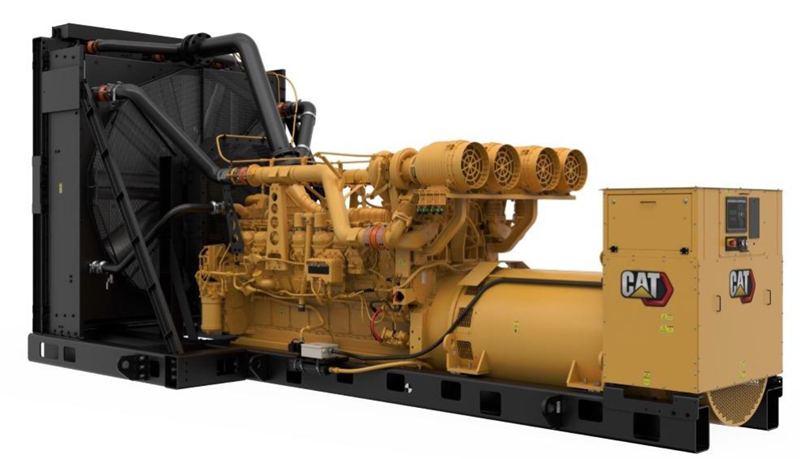
pictured above: Genset (Engine and Generator)
The scale of demand becomes clearer when viewed through individual projects. Large data centers can require hundreds of generator units, each dependent on a crankshaft, with redundancy requirements often increasing those totals. At that level, even small disruptions in supply can have outsized effects on project timelines.
That combination of rising demand and shifting supply creates a narrow operating window. Companies must expand capacity quickly enough to meet current needs, while also considering how future supply additions could affect market balance. Strategic coordination becomes as important as capital investment in managing that risk.
Technology adds another layer to the equation. Battery energy storage systems continue to gain traction, particularly in applications that require rapid response and improved power quality. Even so, these systems complement rather than replace generator-based solutions at scale. Hybrid systems, combining batteries with diesel or gas generators, now appear more frequently in project designs. These configurations help improve efficiency and reduce emissions, while maintaining the reliability that large-scale operations require. That keeps demand for crankshafts firmly in place, even as technology evolves.
Crankshafts may not attract attention on their own, but they now set the pace for a much larger system. As data centers grow, the ability to produce these components at scale will shape how quickly that growth can continue. SCOA’s role, tied closely to its partnership with Nippon Steel, places it directly inside that equation, where industrial capacity meets digital demand.