VISIONS Magazine (July 2026 Edition)
Investing in the Afterlife of IT
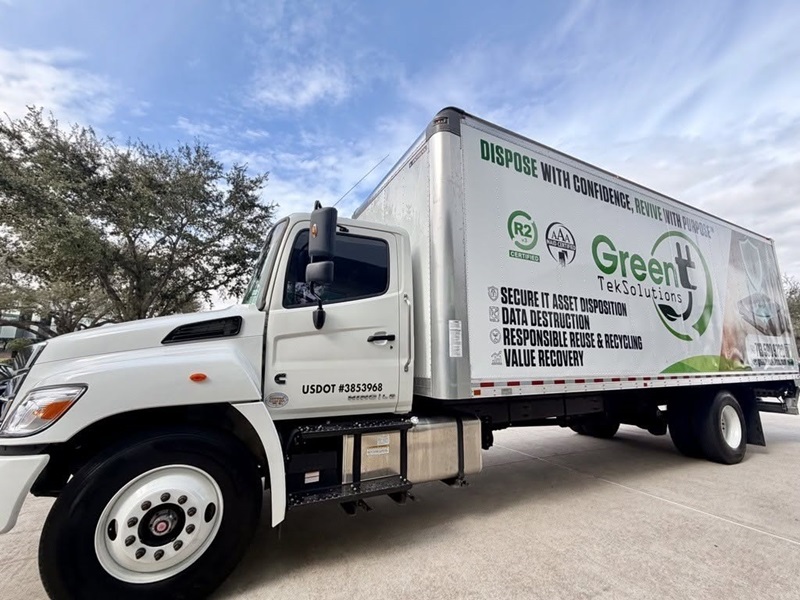
Sumitomo Corporation Group’s investment in GreenTek Solutions brings SCOA into the U.S. IT Asset Disposition Market
Seventeen years ago, Anuar Garcia encountered a side of the technology business that did not sit well with him. At an electronics recycling company, he began questioning whether working equipment was being written off too quickly.
“All I could think of was, ‘Man, this is a three-year-old computer, or this is a four-year-old computer. Why is somebody else not using it?’” Garcia recalled. “‘My first computer was a used computer, so I thought, here is this perfectly fine computer, and it’s getting destroyed.’”
The environmental case came later, but Garcia’s first reaction was shaped by his own experience with secondhand technology, inspiring his next move.
“I would be lying to you if I told you that I was thinking about the environment first,” Garcia said of founding GreenTek Solutions in 2012. “I was thinking more about extending the life of equipment and making technology accessible.”
That instinct helped shape GreenTek into the Texas-based IT Asset Disposition (ITAD) company it is today. GreenTek now manages the entire ITAD process such as collection, logistics, secure data erasure, resale, refurbishment and recycling of assets, having processed more than 1.2 million devices. The company utilizes a proprietary software system to provide high traceability and data management. Sumitomo Corporation (SC) and Sumitomo Corporation of Americas (SCOA) recently invested in GreenTek, placing Sumitomo firmly into the U.S. ITAD market.
More Than Electronics Recycling
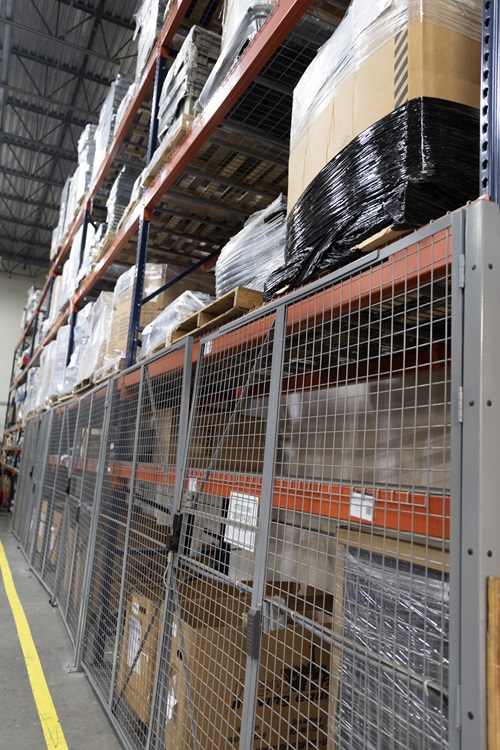
ITAD can sound like a disposal service, but retiring laptops, servers or storage devices can raise questions after equipment leaves an office or data center. Companies need to know where each asset went, what happened to the information stored on it and whether any remaining value was recovered; there are risks that can be overlooked when attention stays fixed on hardware. Those concerns are growing as AI, cloud computing and data center expansion speed up replacement cycles.
“It’s not just about the IT equipment, but it’s about data security and cybersecurity,” said Jeremy Yap, General Manager at Sumitomo Corporation of Americas, “and as you dispose of assets, being able to precisely track assets in the entire chain and securely manage the data so that it doesn’t get leaked.”
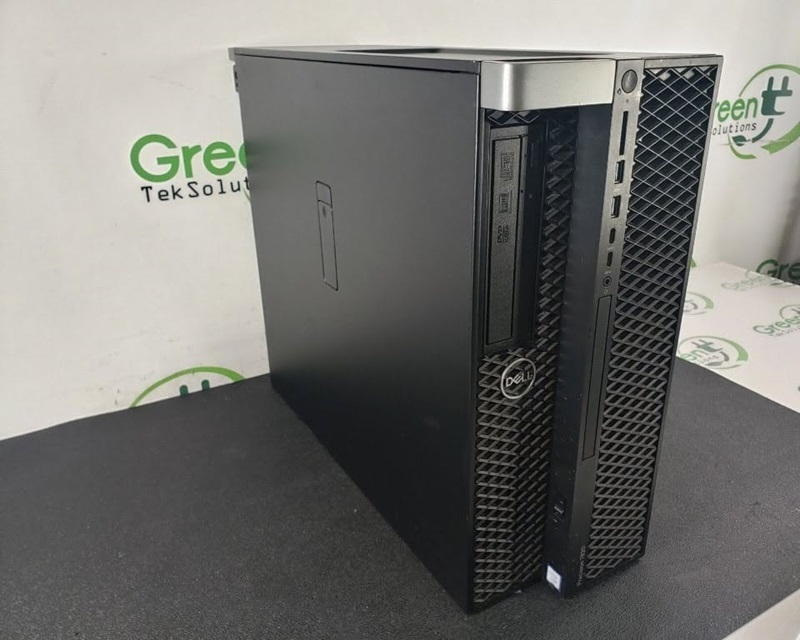
Rethinking What “Obsolete” Means
In another realm of media asset management, musician and producer Brian Eno once observed that media’s rejected flaws adhere to their public identities; first-generation computer glitches, phoneline modem squawks and even VHS tape glitches have all become the features that define them. While a retired laptop or data server is not nostalgic media, the notion still applies. Flaws do not eliminate the value of a data asset but rather can be the very path to new value, in this case through refurbishment or reuse of raw materials.
GreenTek works at that point of reassessment. Equipment with practical life remaining may be refurbished and sold, while other devices may provide components or require secure destruction and responsible processing. The job is to make that determination carefully and document the outcome.
SCOA also saw a platform capable of supporting that work for enterprise clients. GreenTek has spent years developing its own ERP system around its processes and customer requirements.
“It takes traceability to the next level,” Yap said. “The whole process is highly disciplined and documented, so at any time a customer or client needs to review anything, it’s highly auditable.”
GreenTek’s 2026 ISO 27001 certification reflects how closely enterprise customers now examine the service chain. Their reviews increasingly extend beyond individual devices to the systems and controls used to manage the work, so clients can be assured of GreenTek’s processes and their final product.
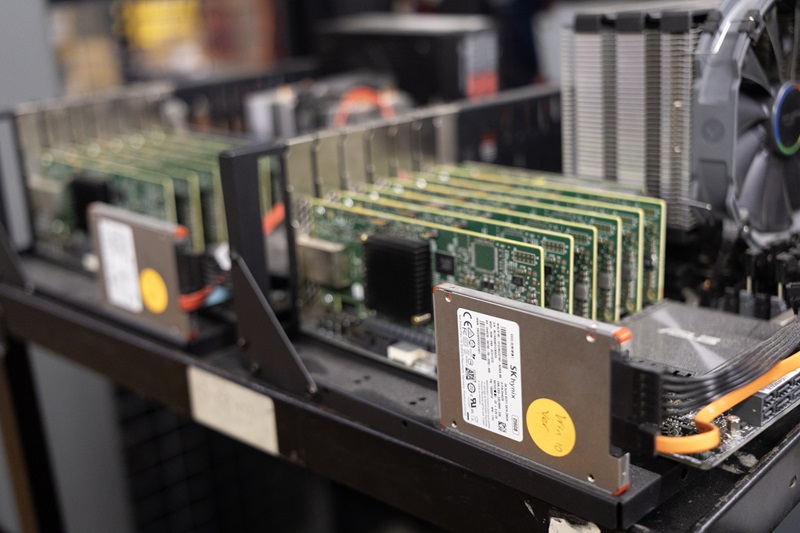
Finding the Right Partner
Technology, certifications and business processes provide a strong foundation for GreenTek, but Yap kept returning to a more fundamental test. He looked at GreenTek’s management team, its treatment of customers and the discipline with which it had grown.
“The people first and foremost,” Yap said. “You can have the best business, but if it’s the wrong people…everything is a partnership.”
Garcia had his own condition for any transaction: it could not damage his relationship with the work or the company he had built. The right partner would have to offer more than attractive financial terms. Sumitomo’s appeal extended beyond the relationship and capital. Its portfolio gave Garcia a way to imagine a broader model to engage GreenTek’s capabilities with technology leasing, data center infrastructure, and third-party maintenance.
“When I close my eyes and start daydreaming about where I want to take GreenTek, it’s completing the full life cycle of the IT assets,” Garcia said.
For Sumitomo Corporation Group, the investment creates another way to enter the sustainability business and data center market. Leasing and financing cover one stage, maintenance another, and GreenTek brings a disciplined process to what happens afterward. To that end, sustainability and circularity has to succeed as a business if it is going to expand. Recovering residual value can make responsible disposition more practical, while GreenTek’s systems address security and compliance concerns created when sensitive equipment moves out of service. The opportunity may eventually extend beyond GreenTek’s current footprint. SCOA sees potential to bring the company’s capabilities to more customers in the United States and, over time, to other regions.
“We partnered with Anuar and the team because we felt that we can grow this and scale it very rapidly,” Yap said.
Garcia measures success by the standard GreenTek sets, not simply by its size. His ambition is for the company’s influence to be visible in how the industry approaches security, traceability, and responsible reuse.
“I don’t care if I’m not the largest company in the industry,” Garcia said, “as long as when they talk about us, they can say that we’re the ones that innovated this – the ones that pushed everybody else to do this.”
With technology continuing to pull all business toward the future, all equipment will eventually show its age. But outdated does not have to mean dead technology. GreenTek has built its business around recognizing the difference and taking responsibility for what remains, while Sumitomo Corporation Group’s investment gives that work a larger platform. In the same way that GreenTek identified value in ITAD processing, Sumitomo saw value in GreenTek and now looks to scale and ascend on a combined mission of prosperity, with simultaneous contribution to the environment.