VISIONS Magazine (June 2026 Edition)
From Equipment Dealer to Technology Partner: How Linder Is Expanding Its Smart Construction Capabilities
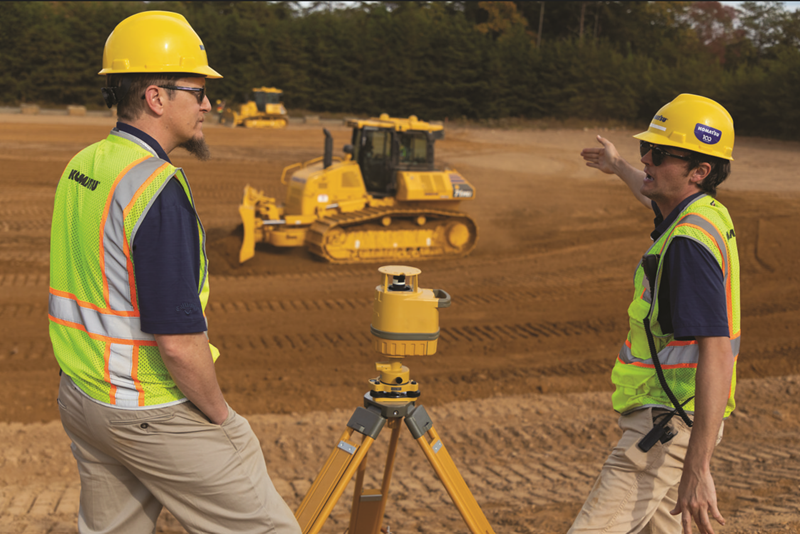
As contractors face increasing pressure to improve productivity, reduce downtime, and manage more complex projects with tighter labor resources, SCOA Group Company Linder Industrial Machinery is seeing growing demand for connected equipment systems, machine-control technologies, and data-driven jobsite solutions.
Across the construction industry, contractors are increasingly looking for ways to improve operational visibility across equipment fleets, project timelines, and jobsite performance. That shift is accelerating adoption of technologies such as telematics, machine guidance systems, GPS-enabled equipment, remote reporting tools, and predictive maintenance platforms designed to help construction companies make faster operational decisions and reduce inefficiencies.
For Linder Industrial Machinery Company, those changing customer demands are helping reshape both the technologies it deploys and the role it plays within the construction and infrastructure markets it serves across Florida, Georgia, North Carolina, South Carolina, and Virginia.
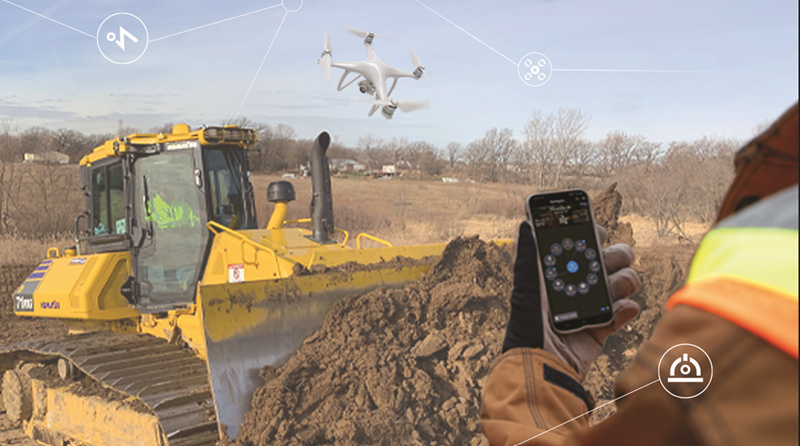
“We are seeing customers place much greater emphasis on solutions that help them improve productivity, reduce downtime, and lower total cost of ownership,” said Joel Cramblett, GM, Technology Solutions Group at Linder. “While technologies such as machine control, telematics, and digital jobsite management continue to gain traction, customers ultimately evaluate them based on measurable business outcomes rather than technology itself.”
Part of Linder’s recent expansion into smart construction technologies has included becoming an authorized dealer for Topcon Positioning Systems across multiple Southeastern states, allowing the company to provide machine-control and positioning systems designed for excavators, dozers, and graders operating on infrastructure and construction projects. At the same time, Linder has continued building out its Technology Solutions Group, which supports setup, programming, training, troubleshooting, and deployment of connected construction technologies and Smart Construction systems. SCOA previously described the initiative as part of Linder’s broader push toward digital transformation and workflow efficiency improvements.
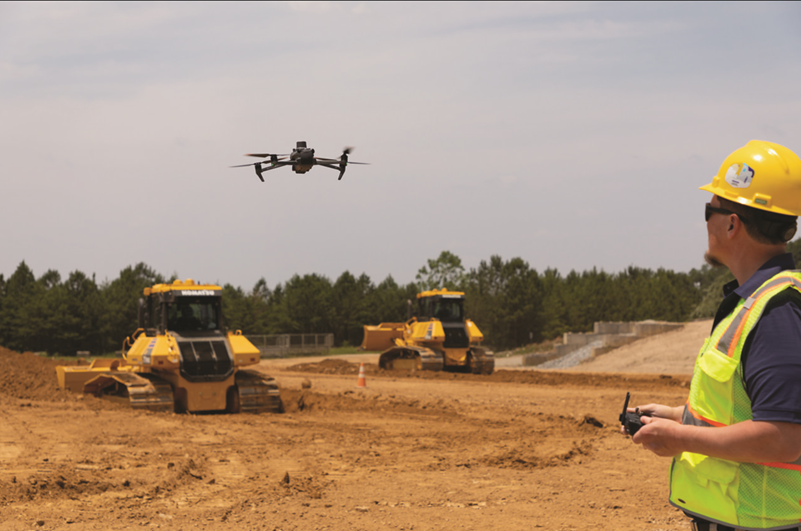
According to Cramblett, customers are increasingly focused on gaining clearer visibility into equipment performance, maintenance conditions, production activity, and project progress as projects become more operationally demanding.
“Connected equipment systems provide contractors with greater visibility into machine utilization, production performance, maintenance needs, and project progress,” Cramblett said. “As labor shortages and project complexity continue to increase, customers are looking for tools that help them make faster and more informed operational decisions.”
Linder’s Smart Construction offerings now include technologies tied to machine guidance, digital site models, GPS-guided machine control, remote reporting systems, and operational data visualization tools designed to help contractors monitor and manage jobsites more efficiently.
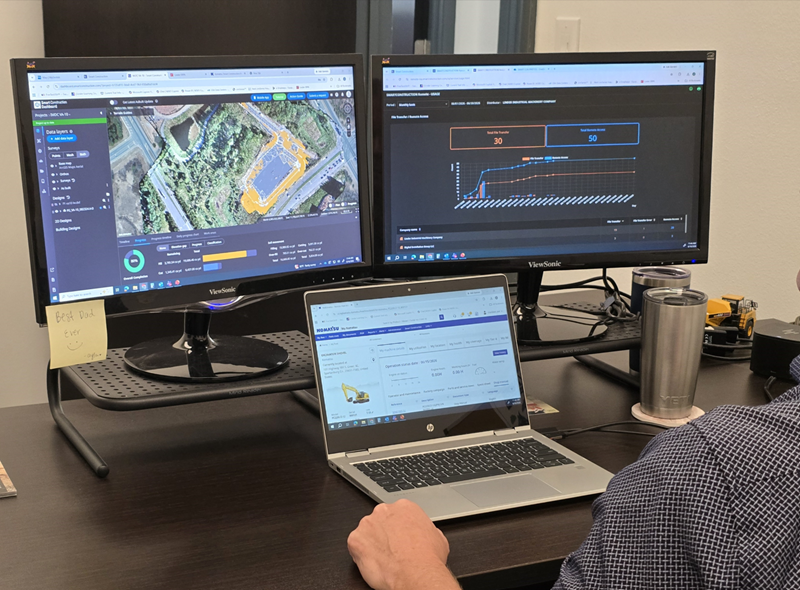
In some cases, contractors are already using those systems in large-scale earthmoving operations. In customer examples published through Linder materials, South Florida Grading reported moving between 18,000 and 23,000 cubic yards daily using intelligent machine-control systems and Smart Construction workflows, while Kennedy Excavating described using multiple GPS base-and-rover systems across active jobsites and remotely updating project models directly to machines in the field. Another contractor reported reducing a 45-day excavation schedule to approximately 20 days using Smart Construction systems and connected workflows.
“The primary drivers are productivity, workforce challenges, and the growing need for data-driven decision making,” Cramblett said. “Customers are increasingly asking how technology can help them do more with fewer resources while improving project predictability. At the same time, the volume of equipment and jobsite data available today has expanded significantly. Customers want help converting that data into actionable insights. This has created demand not only for Smart Construction solutions and telematics, but also for advanced analytics, predictive maintenance, and workflow optimization services.”
Historically, many construction operations relied heavily on manual reporting, operator experience, and reactive maintenance planning. According to Cramblett, that operational model is changing rapidly as contractors gain access to near real-time jobsite and fleet information.
“The most significant change is the shift from reactive decision-making to proactive management,” Cramblett said. “Historically, many operational decisions were based on experience and periodic reporting. Today, contractors can access near real-time information on equipment performance, jobsite progress, maintenance conditions, and resource utilization. This visibility enables earlier intervention, more accurate planning, reduced rework, and improved fleet performance,” he added. “We are also seeing increasing adoption of predictive maintenance capabilities that help customers reduce unplanned downtime and improve asset utilization.”
For Linder, those changes are gradually transforming what customers expect from equipment providers themselves.
“As a result, Linder’s role is evolving from equipment supplier to technology and solutions partner,” Cramblett said.
Looking ahead, Cramblett believes connected equipment systems, artificial intelligence, automation, and integrated project data will continue reshaping construction operations over the next several years as contractors seek more efficient ways to manage increasingly complex projects.
“We believe the convergence of connected equipment, artificial intelligence, automation, and integrated project data will have the greatest impact,” stated Travis Mullins, Linder President and CEO. “The industry is moving toward a more data-driven operating model where information from machines, jobsites, and business systems can be analyzed together to improve decision making.”
“Artificial intelligence will increasingly help contractors identify productivity opportunities, anticipate maintenance requirements, optimize fleet deployment, and support operational planning,” Mullins continued. “At the same time, machine automation and intelligent construction technologies will continue to improve safety, consistency, and efficiency.”
As infrastructure projects continue growing in scale and operational complexity, the ability to effectively collect, integrate, and act on operational data may increasingly become a competitive advantage throughout the construction industry.
“The companies that can effectively collect, integrate, and act on data will be best positioned to create competitive advantage in the years ahead,” Mullins said.
For Linder, that future extends beyond equipment sales alone.
“The future competitive advantage of equipment dealers will not be determined solely by the machines they sell,” Mullins said, “but by how effectively they help customers utilize data and technology to improve business outcomes.”